What we know about brain aneurysms like the one that struck MLB pitcher Danny Farquhar

P RSIWCCYYL L W JTHB AM
Chicago White Sox relief pitcher Danny Farquhar, 31, suffered a brain hemorrhage in the White Sox dugout after throwing 15 pitches Friday night, April 20, devastating his family, teammates and fans. The cause was a ruptured brain aneurysm, according to reports. Farquhar is in critical condition at Rush University Medical Center.

I am a neurosurgeon who operates on patients who have suffered ruptured brain aneursysms, and I also study the causes and treatments for them. I see life changed in an instant for far too many people.

[Editor’s note: Farquhar is recovering, following surgery. Team officials say the pitcher has recently “taken a couple of light walks” with his wife.]

There is no evidence that brain aneurysm is related to traumatic brain injury. So how is it, many may wonder, that a young athlete in phenomenal shape could suddenly develop a deadly condition?

brain 4 23 18 4
Image credit: Lachlan Cunningham/Getty Images

From out of the blue

An aneurysm is a weak spot on the wall of an artery.

The Brain Aneurysm Foundation estimates that 6 million people, or 1 in 50, have an unruptured brain aneurysm. Aneurysms can be detected by imaging, but screening imaging is not recommended unless there are symptoms or there is a strong family history of brain aneurysms. Over time, the weak spot expands almost like a water balloon. If it keeps expanding, it will eventually reach a breaking point and burst. The causes are largely unknown. Some may be hereditary.

Aneurysms can form anywhere in the body, but brain aneurysms occur in the blood vessels of the brain, usually at the base. Aneurysms tend to form at branching points where blood vessels diverge.

brain 4 23 18 2
An aneurysm occurs in a weak spot in the wall of an artery. Sometimes, that weak spot expands, almost like a water balloon. Image credit: Designua/Shutterstock.com

Brain aneurysms affect young and old, rich and poor, those with a family history of aneurysms and those without.

They typically strike without warning, and 50 percent of the time prove fatal, throwing families into shock and sudden grief. Four out of 5 people who suffer a brain aneurysm have no family history of it. There is some indication in the research that smoking puts you at higher risk, and that aneurysms disproportionately affect women.

But no one knows for sure what causes brain aneurysms, which affect up to 5 percent of Americans and result in 30,000 cases of ruptured aneurysms each year.

Symptoms of a brain aneurysm include headaches, double vision, vision changes, seizures or other neurological changes.

The real problem occurs when the aneurysm ruptures.

Patients with a ruptured aneurysm experience bleeding in the brain called sub-arachnoid hemorrhage, which is a type of stroke. Such patients may feel an overpowering “thunderclap” headache. They may die suddenly or be found comatose. When a patient has a ruptured aneurysm, we try to treat it so that it doesn’t rupture again. If it ruptures a second time, there is an 80 percent chance of death.

A devastating disorder

The statistics for this devastating disorder are grim: When a brain aneurysm ruptures, there is a 15 percent chance of death before even getting to a hospital. Of those who survive, there is a 30 to 50 percent chance of permanent disability, ranging from severe brain damage to more mild cognitive difficulties. Many are unable to return to work.

Mis- and disinformation are distorting science and public policy. Subscribe to our Daily and Weekly Digests for incisive coverage of ‘disruptive’ innovations in AI, agricultural biotechnology, food, chemicals, nuclear energy, vaccines, and other disruptive innovations.

Current research in the field of cerebral aneurysm points to inflammation as a possible cause for aneurysms to arise.

Patients diagnosed with an unruptured aneurysm often learn of it incidentally. Maybe they came in for double vision or headaches. Maybe it was cranial nerve palsy, or, in rare cases, a seizure.

Patients with a diagnosed aneurysm may undergo surgery. This involves opening the skull and pinching off the aneurysm with a metal clip. Or they may receive endovascular treatment, in which I and other surgeons thread a small tube through an artery in the leg all the way up to the brain to fill the inside of the aneurysm with soft packing wires called coils. Or, we place a stent, a metal mesh tube.

My goal is to identify the cause – and to pursue preventative and therapeutic treatments.

Brings back memories of Konrad Reuland

Farquhar’s ruptured aneurysm is a painful reminder of the tragic death of another professional athlete, Konrad Reuland.

As I and others hope for the best for Farquhar, I am reminded of Reuland, whose life became forever linked with baseball Hall of Famer Rod Carew in December 2016. Carew, who needed a new heart, received Reuland’s. Reuland suffered a brain aneurysm on Nov. 26, 2016. He died Dec. 12, 2016.

Medical experts and sports historians believed the surgery that saved Carew’s life to be the first heart transplant operation between two major league athletes. The story of Reuland’s gift and Carew’s recovery touched the hearts of fans across the country.

brain 4 23 18 3
Rod Carew and Mary Reuland, Konrad’s mother, at a news conference in Anaheim, Calif., in April 2017. Image credit: AP Photo/Chris Carlson

Reuland’s decision just a few months earlier, as a 20-something who appeared to be the very picture of health, to check the organ-donor box on a driver’s license form changed not only the course of Carew’s life but also those of two other people who received Reuland’s liver and kidney.

Carew, who played for the Minnesota Twins and California Angels and ended his career with 3,053 hits, received the other kidney. Carew had suffered a major heart attack in 2015 and had been placed on a waiting list for a heart transplant.

Carew, whose jersey number was 29, did not know at the time of his Dec. 16, 2016 surgery that he was receiving Reuland’s heart. Reuland’s family did not know who the recipients of the 29-year-old’s organs would be.

But Mary Reuland, Konrad’s mother, figured out the connection between Carew and her son a few weeks later. She had read about the lifesaving heart transplant that Carew received four days after Konrad’s death, and several people had asked her if she thought Carew could have been the recipient. Curious, Mary Reuland called the organ donation network, which matched Konrad’s heart to Carew. She learned that her son’s heart was in fact the one that saved Carew’s life. The families met less than three months later, and Mary Reuland listened with a stethoscope to her son’s beating heart inside Carew’s chest.

As a medical professional and sports fan, I was deeply moved by these events.

The ConversationBut as a neurosurgeon who specializes in brain aneurysm, I also am deeply saddened to see the toll that aneurysms can take. I am hoping and searching for ways to identify the cause – and to pursue preventative and therapeutic treatments.

Brian Hoh is a professor of neurosurgery at the University of Florida. Follow him on Twitter @BrianHoh1

This article was originally published on The Conversation as Aneurysm strikes baseball pitcher, but why? A neurosurgeon explains the mysterious condition and has been republished here with permission.


Ugandan legislator on why his nation needs to ‘wake up’ on GMOs

uganda
Robert Kafeero Sekitoleko is an engineer, legislator and chairperson of the Sectoral Committee on Science and Technology in Uganda’s Parliament. He has faced the wrath of opposing forces in an effort to drive the debate and passing of the Biotechnology and Biosafety Bill to allow GMO crop breeding in Uganda. I caught up with him for an interview about the hurdles his committee has faced in helping Uganda pass a law regulating GMO’s in the country. Here are key excerpts:

Tell me something about yourself and how you became the chairperson of the Sectoral Committee on Science and Technology?

When I became Member of Parliament in 2011, I was one of the few scientists by then and leadership to chair committees was given based on loyalty to the government party and Mr. Samson Obua was the chairperson of the committee and I became his deputy because I was an independent legislator with no party by then.

However, later there was a concern that each committee must be chaired basing on qualifications in the concerned area. I became the chairperson of the committee in the 10th parliament in 2016.

Since you are an engineer by profession, how did you get the interest of spearheading matters concerning application of modern biotechnology?

When we assumed leadership of the committee in 2011, we found a very dormant committee of science and technology and we thought of making it vibrant by attracting the attention of the media. We thought of raising a controversial issue which the media is particular about.

We discovered Uganda had the 2008 biosafety policy in place. Later in 2012 we realized there was draft bill on biotechnology and biosafety which had not been presented before the flow of Parliament.

This was a government draft bill and the responsible ministry of finance then was not willing to present it. To provoke the government, we moved a motion to present a private members bill. Our motion was moved successfully causing the then Minister of Finance, Mathia Kasaijja to present the bill in the flow of Parliament after one weeks’ time.

It was referred to my committee and that is how I got engaged in spearheading issues concerning the science of biotechnology.

I started engaging scientists, politicians and farmers in different constituencies and that is when fellow politicians began questioning what are GMO’s.

This attracted a lot of media coverage and I was named a GMO activist being paid lump sum amounts of dollars by Monsanto.

1 Kafeero Sekitoleko
Robert Kafeero Sekitoleko Image credit: Lominda Afedraru

I became curious to know what Monsanto actually does. In 2013, a team of 10 people from the committee were sponsored by Uganda’s Parliament to visit research facilities in St. Louis and Missouri in US where we managed to learn from the research centers.

During my next trip to Washington, DC to attend a conference where scientists where discussing matters concerning GMO’s, I met a scientist working for Monsanto and engaged him in a discussion asking him if Monsanto would be interested in Uganda’s GMO products which were in development. His response was that Uganda is a negligible market for Monsanto. I was so disappointed.

With all these accusations against you how have you managed to persist in handling the debate about the bill and why the back and forth challenge in making sure the bill becomes a law?

As a scientist, I do understand what Uganda can benefit in terms of economic gain if the government embraces scientific innovations be it in the area of health, environment and agriculture including breeding GMO products. By becoming a member of Parliament I took an oath to serve the people of Uganda, therefore no one will intimidate me to pursue the bill.

In October 2017, parliament passed the bill and when the president received it he failed to sign it and in January it was sent back to the committee to make a few clarifications including changing the title to GMO and Biosafety bill.

Later a group of people who called themselves young scientists with influence from non governmental organizations (NGO’s) such as Advocates Coalition for Development and Environment (ACODE), Caritas Uganda and Action Aid called me for a meeting with the First Lady Janet Museveni prior to MPs passing the bill.

I agreed to meet her and I went with the Minister of Science, Technology and Innovations Elyoda Tumwesigye accompanied by two senior scientists engaged in GMO research at Naro.

To my surprise the first lady was with a group of the so-called young scientists and legislators who are anti-GMO activists.

The first lady put my team under intimidation asking us to listen to her side but I insisted that the scientists sensitize her briefly about application of modern biotechnology usage for crop breeding. She did listen to the scientists and when the minister tried to defend the science behind GMO’s she intimidated him and the minster kept quiet most of the time during the meeting.

I have been intimidated by fellow legislators with some telling me they have finished my career as a politician but I am not shaken.

I am aware that the returning of the bill back to the floor of Parliament is not the making of the president but rather ant GMO activists some of whom are close relatives of the first lady.

Mis- and disinformation are distorting science and public policy. Subscribe to our Daily and Weekly Digests for incisive coverage of ‘disruptive’ innovations in AI, agricultural biotechnology, food, chemicals, nuclear energy, vaccines, and other disruptive innovations.

Give me specifics of how anti-GMO activists operate in the country and how they intimidate you politicians who are in support of the bill?

The anti-GMO activists are few in number and are being used by NGOs who receive funding from bigger organizations based in Europe who send funding for developmental work in rural areas, but the Ugandan based NGOs divert part of the funding to oppose Biotechnology application.

They organize sensitization meetings for our members of Parliament where each legislator is given $100 as facilitation fee to attend one hour meeting.

One particular scientist from Uganda’s Makerere University is being used to oppose the technology amongst rural farmers.

In 2014, the group went to my constituency in a bid to try and confuse my farmers but because members of my constituency have trust in me, they tasked them to ensure I am present.

I chaired a meeting in which the members raised so many negative things including accusation against legislators receiving $30 million each from Monsanto, which was not true. Luckily, I recorded everything and this particular scientist was directed to come to the committee and explain his accusations. We caused for his arrest by police attached to Parliament but because he apologized and acknowledged his lies we excused him.

It is important to make sure farmers from our constituencies are taken to the research institutes to see how biotechnology is applied to breed GMO crops right from the laboratories to the field trials. I have done this to my farmers and they can no longer be deceived.

Do you believe there is grassroots opposition to GMO’ or is it being created by outsiders

The rural communities in Uganda especially farmers are looking for seed which can give them good yield, seedlings which are resistant to pests and diseases, tolerant to drought, it is therefore difficult to convince them not to embrace such a technology.

I think you are aware of a farmer in Masaka who collapsed and died because her banana plantation was ravaged by banana bacterial wilt diseases, do you expect descendants of this farmer to ignore GMO banana suckers which are disease free?

5 GM Banana greenhouse
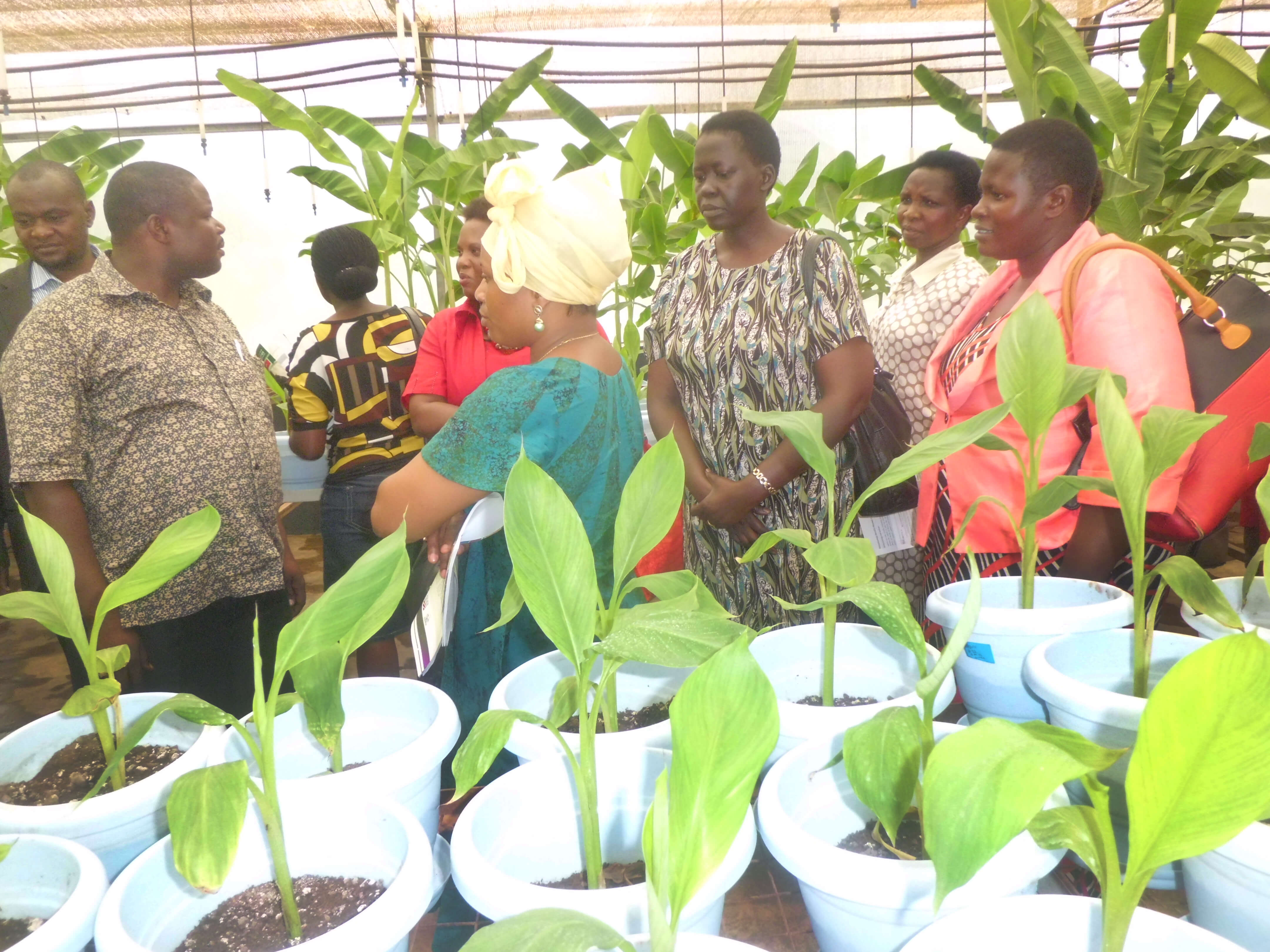
A section of Uganda’s legislators in a field tour of GM plants in greenhouses at the National Research Laboratories Kawanda. Image credit: Lominda Afedraru

Given the scenario that the anti-GMO activists cause scare tactics to politicians who are elite people, how do they do the same to small-scale famers in the rural areas?

The approach to farmers differs because these people organize sensitization meetings where they use pictorial presentation. In most cases the presenter is the soil scientists called Dr. Giregon Olupot from department of soil science Makerere University.

He gives farmers wrong information showing pictures of banana bunches weighing over 500 kg. He presents pictures of rats dying by consuming GMO dry rations, maize cobs where human babies are growing and cassava tuber with the head of a pig.

He voices to them that scientists use gene from a pig which is inserted in cassava, banana and maize in order to come up with GMO product. This scares the Muslim community who are opposed to consuming pork.

At one moment the anti-GMO people came with three people from UK under the disguise of being journalists. They came to me and asked me a question “are you aware that Europe banned GMO’s to create market for Africa’s organic agricultural produce” I challenged them and asked how come Europe is the biggest importer of GM products for human consumption and animal feed in the entire world. They were left in a shock and admitted the truth.

With this kind of opposing force about application of modern biotechnology in the agriculture sector are you sure farmers will adopt the technology?

Adoptability of the technology will be an uphill task due to the fear created in people. But my advice is that once the technology is rolled out, it is important for commercial farmers to adopt it and small scale farmers will see its advantage and embrace the same.

What will happen if the law is frustrated by anti-GMO activists?

We shall be at disadvantage because neighboring countries such as Ethiopia and Kenya who are about to commercialize GMO cotton will import their products into the country in processed form.

But on the other hand this will make the government wake up because the people will know eating of GMO food does not cause death, they will go ahead to get seed from neighbors across the border and start planting GMO crops. This has happened in West Africa between farmers in Burkina Faso and Ghana causing the latter to pass its biosafety law so fast.

A group of anti-GMO activities organized a press conference in Parliament recently vowing to block passage of the bill, claiming that the GMO bill would ‘transfer control’ of Uganda agriculture to ‘multinationals.’ “Instead of developing our seeds, they are developing the white man’s seed,” said legislator Nambeshe Jon Baptist, who argues there is a conspiracy among corporations, foreign countries and the world media. “The objective is to make sure that GMOS are popularized in this country. The media is also targeted to spread the merits of this technology,” he said. What do have to say about this?

This are ignorant people including former Minister of Ethics Nsaba Butoro, who misrepresented that control of farming would be turned over to multinationals. “We will have no authority over the seeds they want to introduce here,” he said. “What kind of man are you who gives the responsibility to feed your family to another man.” He accused the supporters of the bill to be ‘blinded by money.’ But the bill has already been passed by Uganda’s members of Parliament.  What was contentious was the president’s query about seven clauses, including the title. We have resolved them and presented our report before parliament.

Rule of procedure 1(4) of Uganda’s Parliament is very clear that if the president fails to sign a particular bill, the committee responsible looks at the queries and makes a report which is sent to the president. If he still fails to sign the bill, then the speaker of Parliament has the mandate to pronounce it as passed law. This time it will be in the form of the previous clauses minus any amendment.

Nsaba Butoro’s comments are not substantiated, and he has ever accused the committee members of pocketing $2 million from Monsanto. He is talking from uninformed point of view; forget about him.

Lominda Afedraru is a freelance science journalist in Uganda who specializes in agriculture, health, environment, climate change and marine science. Follow her on the Daily Monitor web site www.monitor.co.ug, Facebook or Twitter @lominda25.


Video: Ethical considerations when using CRISPR gene editing

Screen Shot at AM

This animation was produced by Massive and the Director of Sciences at Pioneer Works, Janna Levin. The beautiful animation was hand-cut and filmed by director and artist Andrew Benincasa. 

Massive co-founder Nadja Oertelt interviewed Caltech biologist and winner of the 1975 Nobel Prize in Physiology or Medicine, David Baltimore, for this animated piece. Baltimore helped assemble and run the Asilomar Conference on Recombinant DNA, held the same year he won the Nobel. His work along with others at MIT led to the discovery of reverse transcriptase and retroviruses, eventually up-ending a central dogma in molecular biology of information flow within the cell.

The video was produced in collaboration with Sciences at Pioneer Works for the Scientific Controversies series.

Read full, original post: The risks and rewards of genetic engineering, animated

Can ‘gene drives’ for crop pests work in the real world?

crop pest gene drive image x

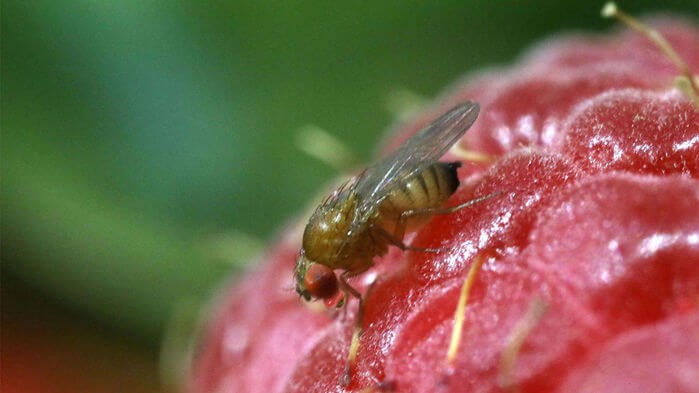
The spotted wing fruit fly is one of the world’s major crop destroyers. Scientifically known as Drosophila suzukii, this peppercorn-size insect uses a serrated organ to lay its eggs inside—rather than on top of—unripe fruit, damaging raspberry, strawberry, and cherry crops across the globe. Now, scientists may have found a way to fight this pest using a strategy called gene drive, which can spread genes rapidly through a population. When coupled with a lethal “cargo gene,” the approach could kill the flies in their tracks when exposed to a specific chemical compound, or just simple summertime heat.

…

[E]xperts say [Anna] Buchman’s team will need to show that its version of Medea can stick around in a population for a long period of time—something that’s still unclear, says Max Scott, a geneticist at North Carolina State University in Raleigh. He points out that Buchman’s version of the gene drive “didn’t work anywhere near as well” as it did in [Bruce] Hay’s original work, because Medea disappeared from the flies in two long-term experiments and some wild D. suzukii flies appeared immune to Medea’s toxin. “To get something that will actually work in the field presents a pretty big challenge.”

Read full, original post: Can a genetic weapon combat one of the world’s major crop destroyers?

Viewpoint: Mandatory GMO labeling counterproductive and based on pseudoscience

vpr evancie gmo labeling

More and more, scientific literacy is a critical virtue we should demand of our politicians. Yet questions about important scientific topics hardly rate during elections.

Just one such important topic is the regulation of genetically modified organisms – GMOs. In 2016 Vermont was the first state to pass a law requiring labeling of foods that contain GMOs. The prompted a federal law, signed by Obama, that supercedes the state law. The federal law also requires labeling, but is less strict, allowing for scannable codes or telephone numbers that consumers can call to get more information. The USDAs guidelines on this law are due this summer.

I am strongly against mandatory GMO labeling for several reasons, but the primary reason is that the very concept of “GMO” is vague and imprecise. You cannot regulate something that you cannot define. You can, of course, simply make up an operational definition (like the USDA did for “organic”) but if there is no real scientific meaning behind that definition, what exactly are you regulating?

…

Blaming GMOs is misplaced, and passing laws to arbitrarily label them will be counterproductive. It is pure pseudoscience, and we need elected officials capable of understanding the scientific issues sufficiently to make rational regulations.

Editor’s note: Dr. Novella is an academic clinical neurologist at Yale University School of Medicine

Read full, original post: Update on Mandatory GMO Labeling

Stronger understanding of evolution may counter science denialism

Human Evolution Biswarup Ganguly Wikimedia Commons x

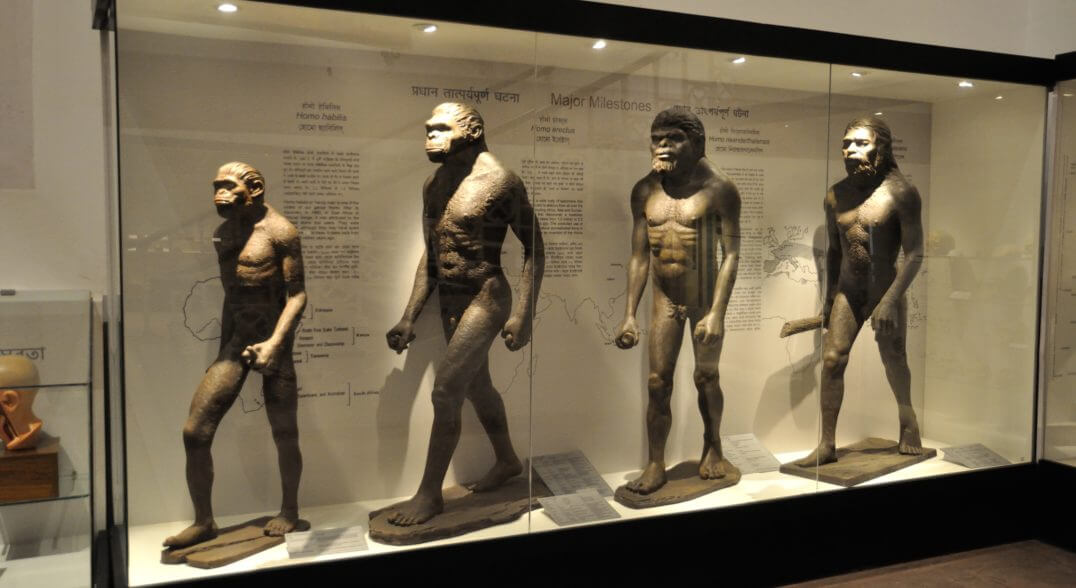
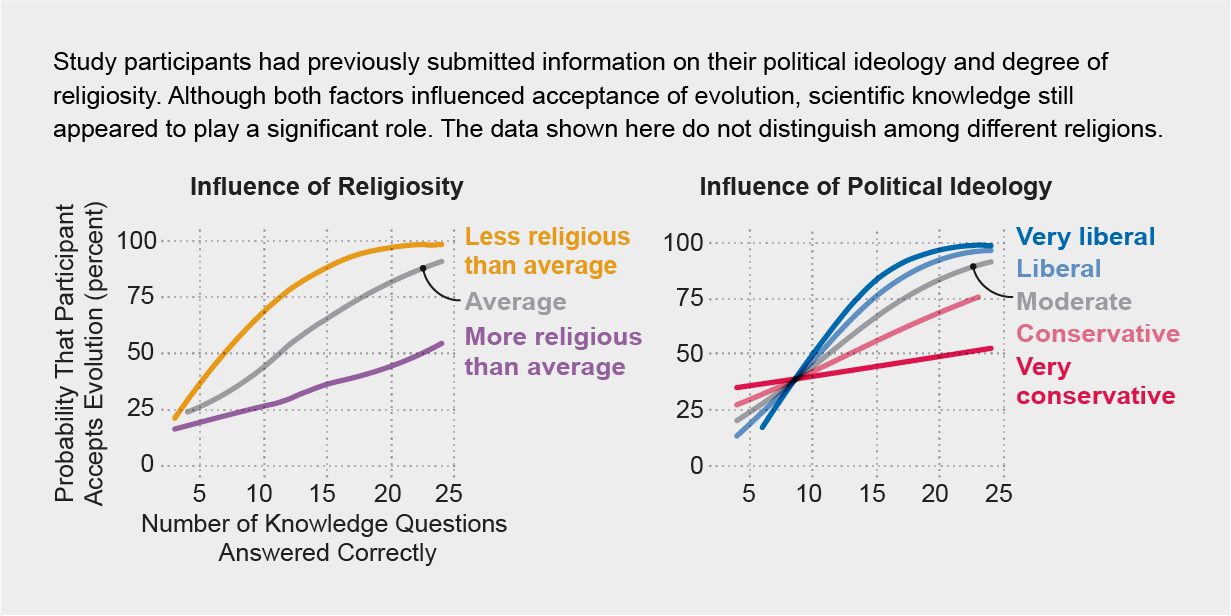
Science denialism can seem intractable, and studies on the topic are seldom encouraging. For example, research out of Yale Law School suggests that when people form their opinions on contentious topics such as climate change or evolution, political or religious values trump knowledge of the concept.

A study published in March in BioScience begs to differ, at least when it comes to evolution. Researchers at the University of Pennsylvania and their colleagues measured participants’ knowledge of evolutionary theory, as well as their acceptance of evolution as fact. They found a significant link between understanding the fine points of the theory and believing in it, regardless of religious or political identity.

Unlike earlier research that involved only high school or college students, the demographics of the 1,100 subjects in the new study better approximated those of the overall U.S. population. The researchers also used more nuanced language in their questions to distinguish between subjects’ intellectual grasp of evolution and their personal feelings toward it. It remains unclear whether science education leads directly to increased acceptance of evolution, but the Penn study supports this possibility.

4-22-2018 saw0518Adva32_d
Credit: Amanda Montañez; Source: “No Missing Link: Knowledge Predicts Acceptance of Evolution in the United States,” by Deena Skolnick Weisberg et al., in Bioscience, Vol. 68, No. 3; March 1, 2018

Read full, original post: People Who Understand Evolution Are More Likely to Accept It

Monsanto launches product that deactivates dicamba herbicide in spraying equipment

AgSprayer

Monsanto Co is launching the first product that deactivates a controversial weed killer inside spraying equipment after it is used, the company said … its latest attempt to prevent unintended crop damage associated with the herbicide.

The product aims to stop farmers from accidentally applying traces of the herbicide, known as dicamba, on crops that cannot tolerate it when the chemical’s residue remains in spraying equipment.

Growers across the U.S. farm belt said last summer that dicamba herbicides, which are also sold by BASF SE and DowDuPont Inc, vaporized and drifted away from where they were sprayed on soybeans and cotton that Monsanto engineered to resist the chemical. This damaged millions of acres of other crops, triggering lawsuits against the manufacturers.

Monsanto has blamed much of last year’s field damage on improper applications, including by farmers who did not adequately clean spraying equipment. The company has said its dicamba-based herbicide is safe when used properly.

The product that deactivates dicamba will be launched in the coming weeks, as U.S. farmers advance crop plantings, said Ryan Rubischko, Monsanto’s dicamba portfolio lead.

Read full, original post: Monsanto develops product to deactivate controversial farm chemical

‘Gene Revolution’: How genetic engineering is making food and medicine cheaper, better and more plentiful

CNTNAP

Mankind has been improving plants and animals for millennia. Simply by selecting and breeding those they liked best, our ancestors radically improved upon wild species. Today’s biological inventors, with a deeper understanding of genetics, breeding and heredity, and with the protection of intellectual property rights, are using the technology of genetic engineering to start a “Gene Revolution.”

In the field of medicine, custom-built genetically engineered microorganisms are brewing up rivers of otherwise rare human hormones, life-saving medicines and much-needed vaccines. In agriculture, scientists are combining their understanding of plant genetics with laboratory techniques of modern molecular biology to “unlock” the DNA of crop plants. By inserting genes, from other plants or even common microorganisms, they are able to give plants desirable traits, solving problems that farmers have faced for millennia—faster and more precisely than ever before.

But despite its successes and a bright future, biotechnology is under attack by activists who spread misinformation and foster consumer mistrust. They have been directly responsible for onerous regulations and other hurdles to innovation that are threatening to stifle what could and should be the “third industrial revolution.”

Read full, original post: Don’t Condemn GMOs Without Knowing Their Benefits

Review: David Reich’s ‘Who We Are and How We Got Here’ fails to examine ethical issues around DNA research

UY SR

In Who We Are and How We Got Here, David Reich gracefully describes how recent advances in genomics have enabled the study of ancient genomes and how this, in turn, has significantly affected the study of the evolutionary and demographic history of our species. With a pleasant narrative style that immediately engages both scientists and nonscientists, the book describes the technological and statistical advances that have allowed researchers to read the genomes of humans, past and present.

…

Combining personal views and “hard science,” Who We Are and How We Got Here takes the reader on a journey from the dawn of our species to more recent events that have shaped our current population structure, all in the context of the knowledge generated by comparing the DNA of ancient and modern human populations.

…

Even though Reich devotes a substantial part of the book to discussing the implications of ancient DNA research, he overlooks some of the most profound issues inherent in this type of work, specifically with regard to the practices surrounding the collection and processing of human DNA samples.

…

There is no doubt that Reich has changed the game when it comes to our understanding of human history. His book, however, misses critical opportunities to highlight some of the major ethical issues surrounding ancient DNA research.

Read full, original post: Troubling traces of biocolonialism undermine an otherwise eloquent synthesis of ancient genome research

Viewpoint: Pesticide soaked strawberries? Why you shouldn’t pay attention to Environmental Working Group’s ‘fear-mongering’

It’s springtime which means it is time for the Environmental Working Group (EWG) to send the media into a frenzy with its annual release of the “dirty dozen” conventionally produced fruits or vegetables that contain the greatest variety of pesticide residues. The implication is that these should be shunned in favour of their organic versions.

This year’s winner, or better put, loser, is the strawberry, with twenty-two different pesticide residues being detected!

…

EWG carries out no analyses itself. Its researchers mine data from the United States Department of Agriculture’s “Pesticide Data Program” that randomly tests a large variety of fruits and vegetables every year for residues.

…

Yes, some pesticide residues are detected, thanks to the talents of analytical chemists and their sophisticated instruments. Remember, though, that the presence of a residue is not equal to the presence of risk! EWG does not look at the amount of residue, because that is not conducive to raising alarm. Why not? Because there are virtually no cases in which the levels deemed to be safe are exceeded. Raising alarm is profitable because that is what keeps donations coming in so that more such exemplary work can be carried out.

Read full, original post: Strawberry Fields Forever (With or Without Pesticides)

Implanted artificial mole could be early warning system for prostate, lung, colon, breast cancer

artificial mole
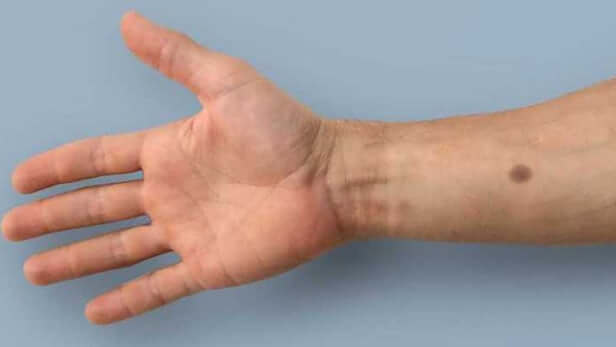
[R]esearchers at ETH Zurich have developed a novel early warning system for four common types of cancer. An implant keeps watch for elevated levels of calcium in the blood, and warns the patient by growing an artificial mole on their skin.

…

It’s made up of a genetic network integrated into human cells, encased in an implantable device. When this is inserted under the skin, it constantly checks the calcium levels in a person’s blood. High calcium levels are an early biomarker for four of the most common kinds of cancer – prostate, lung, colon and breast.

When the implant detects elevated calcium levels for a prolonged period of time, it triggers the genetically-modified cells to begin producing extra melanin. This pigment is what darkens skin to form freckles and moles, creating a clearly-visible signal at the site of the implant, telling the person that something is wrong and they should visit a doctor. The mole will appear long before the cancer could normally be detected through other means.

…

With further research, the team says the concept could be adapted to monitor other biomarkers besides calcium, to serve as early warning systems for other gradually-developing illnesses like neurodegenerative diseases and hormonal disorders. Unfortunately, a publicly-available device is still at least a decade away.

Read full, original post: Implant gives early cancer warning by growing an artificial mole on your skin

Climate change ready crops? Gene editing and other genomic advances show promise

Screen Shot at PM

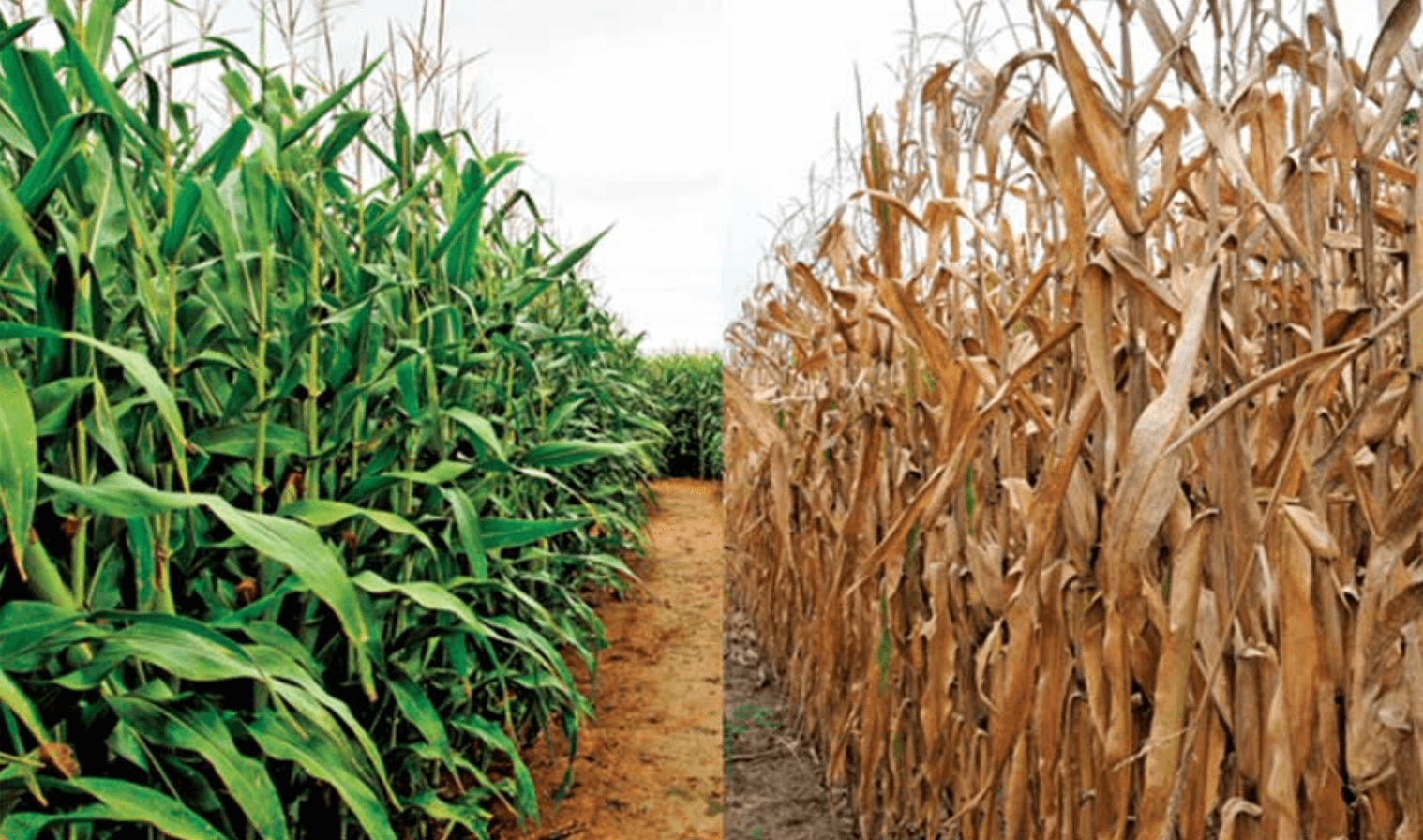
Development of climate resilient crops with accelerating genetic gains in crops will require integration of different disciplines/technologies, to see the impact in the farmer’s field.

…

Pre-breeding and genomics-assisted breeding approaches are contributing to the more efficient development of climate-resilient crops. It is anticipated that the integration of several disciplines/technologies will result in the delivery of climate change ready crops in less time.

…

Genome editing (GE) is a method that enables specific nucleotides in the genome of an individual to be changed. GE seems to be one of the promising approaches that could be conveniently exploited to generate homozygous mutants for multiple target genes in a single generation. This implies that new varieties could be developed much faster than usual traditional or even molecular breeding methods. In addition, GE technology is also very useful for generating targeted variations, thereby broadening the allele pool for precision breeding. Most importantly, the resultant product of genome editing, as per the scientific community, is not a genetically modified organism (GMO). Therefore, the GE approach, although superior and much more precise than genetic engineering, is likely not to face regulatory and public acceptance.

…

Next generation breeding approaches including GS [Genomic selection] and GE can use the new germplasm and technological advances to develop climate change ready lines.

Read full, original post: Can genomics deliver climate-change ready crops?

The rove beetle may help us ‘answer questions about evolution’ other insects can’t

rove beetle

It is rare that a new organism is introduced as a model for study in biology, but Dr. [Joseph] Parker thinks rove beetles have the potential to answer questions about evolution that other insects, like the ubiquitous fruit fly, Drosophila melanogaster, do not.

…

Excerpts of a telephone conversation with Dr. Parker are below, edited for clarity and length.

…

One of the first things you learn about rove beetles is that they have this amazing evolutionary tendency to become symbiotic inside ant colonies. And when they do this, their behavior and their anatomy change, and they become what we call social parasites.

…

The payoff for being able to become a symbiont inside an ant colony is very big. If you can get your foot in the door of an ant colony, there are no other predators, it’s climatically controlled, it’s full of resources.

…

[H]ere you have this entire symbiotic life style arising independently multiple times from kind of similar evolutionary starting material.

…

The rove beetles looks like this sort of quirky, obscure phenomenon that no one else works on, but when you scratch the surface of it, you see really it is getting at very deep questions in evolutionary biology.

Read full, original post: How a Common Beetle May Offer Deep Insights Into Evolution

Protein therapy in the womb overrides genetic glitch hampering teeth development, ability to sweat

KI Ektodermale Dysplasie b presse e
Imagine a fetus gulping in amniotic fluid and drinking a drug that restores the ability to form teeth, sweat glands and hair that a mutation would otherwise have blocked. Holm Schneider, MD, PhD, at University Hospital Erlangen in Germany and his team have done just that, reporting this week in The New England Journal of Medicine on three toddlers who have avoided symptoms of X-linked hypohidrotic ectodermal dysplasia (XLHED), which they inherited and that affects their older brothers.

The work is the first protein therapy for a genetic condition delivered via the amniotic fluid. But like familiar protein therapies that are injected or infused, such as insulin and clotting factors, the protein must reach the bloodstream. It does so, thanks to a clever commandeering of the molecules that enable a fetus to grab maternal antibodies through the placenta before birth, and in mother’s milk after.

c dfetusTiming is critical

Like most, if not all, medical breakthroughs, prevention of XLHED symptoms is the culmination of years of experiments. But this story is unusual in that disappointing clinical trial results didn’t halt the work, but revealed that what was awry was the timing of the treatment – not the treatment itself.

During development, each anatomical structure has a “critical period” when it is sensitive to the actions of genes and environmental insults. That’s why millions of women who took the drug thalidomide in Europe during early pregnancy in the early 1960s gave birth to babies with stunted or absent limbs – the drug acted precisely when the arms and legs telescope out from buds.

In mice and dogs with XLHED, delivery of a replacement protein just after birth prevented symptoms. But the structures that give rise to teeth, sweat glands, and hair – from the outer layer of the embryo, the ectoderm – form earlier in human fetuses, in the middle of gestation.

Distinctive symptoms

Hypohidrotic ectodermal dysplasia affects at least 1 in 5,000 to 10,000 newborns, with the type transmitted on the X chromosome the most common form. Genetic testing can identify mutations and ultrasound scans reveal the telltale absence of tooth buds.

A boy with XLHED has scant, light, and dry hair, missing or pointy teeth, and dry eyes, skin, mouth, airways and mucous membranes due to abnormal development of exocrine glands. The inability to sweat can be dangerous and even deadly, particularly in a newborn coping with a fever or heat wave. The absence of teeth may disrupt the jaw so greatly that creating implants or fixing the teeth that do erupt is difficult if not impossible.

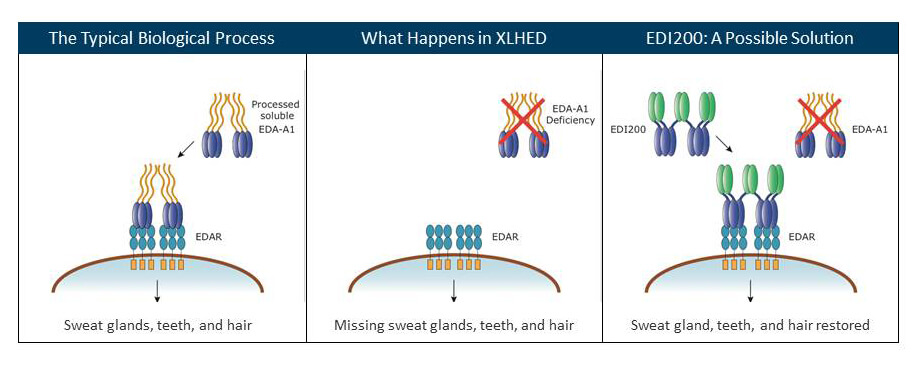
The gene that is mutant in XLHED encodes a protein, ectodysplasin A1 (EDA-A1), which binds a receptor, ectodysplasin receptor (EDAR), on the surfaces of cells destined to develop as hair, teeth and sweat glands. The binding triggers signaling pathways inside the cells that control the interaction of parts of the ectoderm with parts of the middle layer of the embryo, the mesoderm.

EDI Image from Edimer
Image credit: Edimer Pharmaceuticals

In XLHED, EDA-A1 can’t bind its receptor, blocking the sending of signals for hair, teeth and sweat glands to develop. The new treatment replaces the part of the protein that targets the receptor with a segment of antibody molecule immunoglobulin G (IgG). The part, called Fc, acts somewhat like a guidance system on a drone.

“The Fc is key to cross some barriers by hijacking the IgG transport system: IgGs are either transported through the placenta (to load the fetus with maternal antibodies before birth), or through the intestinal epithelium (to transport maternal antibodies present in milk to the circulation of the newborn). In both cases, the aim is to transfer maternal humoral immunity to the baby,” explains Dr. Schneider. In its engineered role, Fc attached to the guiding part of EDA-A1 replaces the faulty signal behind XLHED.

In work published in Nature Medicine in 2003, Olivier Gaide and Pascal Schneider, at the University of Lausanne in Switzerland, created a recombinant fusion protein consisting of EDA-A1 and Fc, growing it in cultured mouse cells. They introduced the fusion proteins into the circulations of pregnant “Tabby” mice that have the condition (the human and mouse EDA proteins are identical). The treatment prevented symptoms, and did so in dogs too, but given earlier in pregnancy. Dogs don’t sweat but they transfer measurable moisture through their paw pads.

First clinical trial

With mice and dogs responding, researchers hypothesized that giving the doctored protein to newborns with XLHED might correct the stymied developmental signal in time to jumpstart formation of tooth buds and sweat glands. Edimer Pharmaceuticals got as far as treating 10 infants in the US and Europe in a phase 2 clinical trial, from 2013 to 2015.

protein 4 25 18
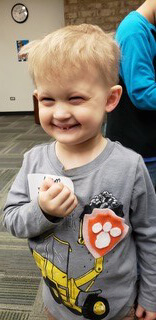
Liam Orchard Kudwa. Image credit: Beth Orchard

Three-year-old Liam Orchard Kudwa is one of the ten boys. Unlike trial participants who were at risk because of XLHED in their brothers, Liam’s mother, Beth Orchard, has the condition. She’s a blogger; read her story here.

Women are unlikely to have symptoms associated with recessive mutations on the X chromosome because they have a second X. But in all cells of female mammals, one X chromosome is shut off. If, by chance, in a heterozygote like Beth, many more cells have the normal X turned off, symptoms of the condition can arise. She didn’t know that her fine hair, scant sweat, and missing and cone-shaped teeth were part of a syndrome until her late twenties.

Beth began attending meetings of the National Foundation for Ectodermal Dysplasias (NFED) long before she and her husband Steve Kudwa had children, where they learned about the planned clinical trial. They enrolled Liam right after his diagnosis shortly after birth, and he received three doses of the protein, starting at two weeks of age, over a two-week period at St. Louis Children’s Hospital. Although the treatment was invasive, Beth recalls feeling guilty that her son was so healthy compared to the other babies in the NICU.

But the researchers already had an inkling from the animal studies that earlier intervention — before birth — might have been a better approach. And so Beth and Steve hoped that Liam would evade the symptoms, but didn’t expect it. “Two months, 4 months, 6 months, a year went by. The markers weren’t showing improvement in the treated children: sweat glands on the feet, number of tooth buds, jaw development, and the distinctive craniofacial features of XLHED,” Beth said.

“Trial to Cure”

The researchers stopped following the ten boys after a year, and the pharmaceutical company ran out of funding. But company researchers continued to help Dr. Schneider and his team work on providing the therapy in utero on a compassionate use basis, called “Trial to Cure,” for a few fetuses, at University Hospital Erlangen. This time around, the plan was to use the same fusion protein from the initial clinical trial, but delivered into the amniotic fluid, during the time (weeks 20 to 30) when the sweat glands form.

KI FK Ektodermale Dysplasien presse
Dr. Florian Faschingbauer and Dr. Holm Schneider.

In early 2016, an obstetrician referred a 38-year-old woman pregnant with twin boys to Dr. Schneider. The mother was concerned that the fetuses had inherited XLHED, which her older son Joshua has. An ultrasound showing the absence of tooth buds in both twins confirmed her fear.

Four weeks later, a physician removed about 3 teaspoons of amniotic fluid from the woman’s belly and replaced it with an equal volume of the fusion protein. (That’s just 15 milliliters compared to the 500+ milliliter capacity at 26 weeks of gestational age.) The twins swallowed the groundbreaking treatment, and did so again at 31 weeks.

Through the fetal intestines the fusion protein reached their bloodstreams, where it needed to be to reboot development of the ectodermal derivatives. But the protein didn’t get into the mother’s circulation, demonstrating the safety of the treatment.

A few months later, another pregnant woman and her 19-week fetus joined the “Trial to Cure” experiment. Ultrasound showed he had no tooth buds at all. He received only one dose because that’s all that was left from the clinical trial, but he sprouted 9 tooth buds! He’s 14 months old now, but his sweating isn’t entirely normal.

By December 2016, twins Linus and Maarten seemed on their way towards the normal crying and drooling of teething. A post from NFED reported that the twins were sweating, salivating, and seeing well, with normal signs of 8 and 10 teeth set to erupt. And they weathered two very hot summers. Meanwhile, their brother couldn’t sweat and had only 3 teeth and one tooth bud.

tooth fairy collectionA one-time fix?

What will happen when it’s time for the tooth fairy to visit the three boys? Will adult teeth push upwards? Time will tell.

“When EDAR is stimulated, the signal is given and the structure can develop in the absence of further EDA signals. Thus, in principle, no more treatment is required. However, not all EDA-dependent structures develop at the same time, and repeated treatment might be necessary to stimulate formation of appendages that develop at earlier or later stages. For example, it might be necessary to repeat treatment if one wants to get a full set of secondary teeth, including wisdom teeth. Whether several treatments are required for this, and if yes when treatments should be administered, needs to be investigated further,” Dr. Schneider said.

And protein therapy isn’t gene therapy – Linus and Maarten and the third boy will pass the mutation that is part of their X chromosomes on to their children.

The ability to introduce healing proteins at critical times in development via amniotic fluid will extend to other selected conditions. “The same approach could be applicable, for example, for certain genetic orofacial clefts which are not that rare. Administration of the missing protein could then lead to cleft closure in utero without the need for postnatal surgery,” said Dr. Schneider.

In an editorial, Marja L. Mikkola, PhD, of the University of Helsinki calls the results “remarkable and encouraging.” Indeed they are.

Liam Beth Iona
Liam, Beth, and Iona

Beth Orchard, who is very active with NFED, knew the good news ahead of this week’s publication, although she missed the update and the opportunity to meet Dr. Schneider at last summer’s conference because she was busy giving birth to Iona.

She’s thrilled. “It’s exciting to hear such positive results. We had no preconceived notions that the therapy would cure Liam. We see his few teeth come in, see him struggle with eating, and feel a little bad. But at the same time, he was part of something bigger. Without him and the other boys, Dr. Schneider and his team couldn’t have done the next part. Hopefully they’ll now do a bigger study and after that other things will come down the road. Science being what it is, the work will contribute to breakthroughs for other syndromes, not just XLHED.”

A loud shout-out for all of the fearless and tireless family advocates in the rare disease community!

Ricki Lewis is the GLP’s senior contributing writer focusing on gene therapy and gene editing. She has a PhD in genetics and is a genetic counselor, science writer and author of The Forever Fix: Gene Therapy and the Boy Who Saved It, the only popular book about gene therapy. BIO. Follow her at her website or Twitter @rickilewis.

Talking Biotech: Using plants as ‘biofactories’ for vaccines, biofuels and more

biofactory

Many important enzymes, industrial and therapeutic proteins are manufactured using transgenic plants. Plants offer many benefits to protein production over animal cells and microbes for many applications. In this episode, Beth Hood, from Arkansas State University and Infinite Enzymes, joins the podcast to talk about the history of making proteins in plants, the rationale, and the exciting future. She also discusses why her company uses the corn kernel as the optimum production machine, and their efforts to manufacture the enzymes required for paper pulp processing and biofuel production.

Beth Hood’s website

Infinite Enzymes website

Visit the Talking Biotech website

Follow Talking Biotech on Twitter @TalkingBiotech

Follow Kevin Folta on Twitter @kevinfolta | Facebook: Facebook.com/kmfolta/ | Lab website: Arabidopsisthaliana.com | All funding: Kevinfolta.com/transparency

Follow Paul Vincelli on Twitter @Pvincell | University of Kentucky webpage 

Early North American settlers brought dogs more than 10,000 year ago

dog fossils found at two burial sites in illinois show that the domesticated pups lived years

A trio of dogs buried at two ancient human sites in Illinois lived around 10,000 years ago, making them the oldest known domesticated canines in the Americas.

Radiocarbon dating of the dogs’ bones shows they were 1,500 years older than thought, zooarchaeologist Angela Perri said April 13 at the annual meeting of the Society for American Archaeology. The previous age estimate was based on a radiocarbon analysis of burned wood found in one of the animals’ graves.

…

An absence of stone tool incisions on the three ancient dogs’ skeletons indicates that they were not killed by people, but died of natural causes before being buried, Perri said. Some researchers have proposed that whoever made the first excursions into the Americas arrived on dog-powered sleds.

…

But no dog remains have been found in northwestern North America, where the earliest settlers crossing a land bridge from Asia would have entered the New World. Either those people had no dogs, or they and their furry companions stayed on the land bridge.

…

Genetic evidence has suggested a second human migration from Asia to North America occurred around 11,500 years ago, with people trekking south through an ice-free corridor into the northern Great Plains. Those people likely brought dogs to the Americas, Perri proposed.

Read full, original post: Dogs lived and died with humans 10,000 years ago in the Americas

Battling cancer-causing aflatoxin contamination in Africa with genetic engineering, other technologies

ehp a g

We in the rich societies of the world don’t hear a lot about aflatoxin. It is probably one of the single largest causes of cancer in the developing world – particularly in Africa. Around a half a billion people are at risk from this toxin in their diet.

…

[R]ecently, a Swiss, family-owned grain handling equipment company called Bühler has cooperated with Microsoft to develop a system which can process corn at a rate of 15 metric tons per hour and reject any of the kernels that are contaminated with the nasty chemical aflatoxin. That is both amazing and very cool!

…

As revolutionary as this technology promises to be, it is a good thing that it isn’t the sole solution. One way to reduce the infection/contamination issue is to intentionally spread a strain of the culprit fungus that does not happen to make aflatoxin. It’s a biological control strategy that was first developed by USDA researchers and commercialized in the US, but which has since been re-developed in Africa. Insect resistant, “GMO” maize also significantly reduces the incidence of the problematic infections. There is also a “gene silencing” strategy proven by an Arizona State researchers that would prevent the fungus from making its toxin even if it was able to infect the plant.

Read full, original post: A Remarkable New Technology That Will Diminish A Global Cancer Threat

Precision medicine to tackle ‘world’s biggest killer’ cardiovascular disease

heart

While there have been significant gains against cancer, precision medicine has produced far less progress in the world’s biggest killer—cardiovascular disease. However, there is reason to believe that soon the treatment paradigm of cardiovascular disease will begin to adopt a focus on highly individualized variables.

…

Precision medicine approaches are defining distinctive patient subgroups, identifying molecular targets associated with the underpinnings of disease, and revealing biomarkers that can evaluate the effects of cardiovascular drugs earlier in development.

…

Genetic cardiovascular diseases—such as hypertrophic, restrictive, and dilated cardiomyopathies; inherited heart rhythm disorders, such as LongQT and Brugada syndromes; familial hyperlipidemia; and inherited conditions that cause vascular disease, such as Marfan’s syndrome—have been the initial targets of industrial–academic collaborations to achieve novel breakthroughs in diagnosis and treatment.

…

Sarcomeric Human Cardiomyopathy Registry (SHaRe), [is] an international repository of clinical and laboratory data from investigators at centers all over the world committed to gaining a better understanding of the genetic underpinnings, commonalties, and differences among cardiomyopathy patients. Efforts like these advance the science of precision medicine against specific heart conditions, but they also serve as a blueprint so that other cardiovascular diseases can be approached and treated effectively.

…

In cardiovascular disease, precision medicine may result in much-needed innovation in the field and has the potential to eventually change the way we treat heart diseases altogether.

Read full, original post: Why Cardiology Is the Next Frontier for Precision Medicine

Why the FDA and USDA can’t agree on the definition of a GMO

gmo label

The regulatory concerns about genetic modification of animals that I wrote about a while ago have moved towards a Congressional spotlight. Pigs have been genetically modified to resist porcine reproductive and respiratory syndrome virus by deleting a gene. Does deleting a gene make them genetically modified – yes and no, depending on which regulatory agency you ask.

…

Because CRISPR-Cas9 can introduce genetic changes without leaving traces of how it is introduced it meets most of the USDA’s concerns about introducing pests into our food supply. Further testing has demonstrated the stability of the genetic change also allaying USDA concerns about the impact of these modifications over several generations. So from their point of view, these genetically modified pigs are not genetically modified at all. As I characterized them previously, they are biosimilar. Biosimilar enough to introduce into our food supply.

The FDA takes a different position. For them, biosimilar is not the same; changing a single base pair, turning off or deleting a gene, inserting a foreign gene are all genetic modifications. More importantly, these genetic modifications are considered a drug, subject to the same regulatory process and testing as any other drug.

Read full, original post: FDA And USDA Clash Over Definition Of Genetically Modified Food