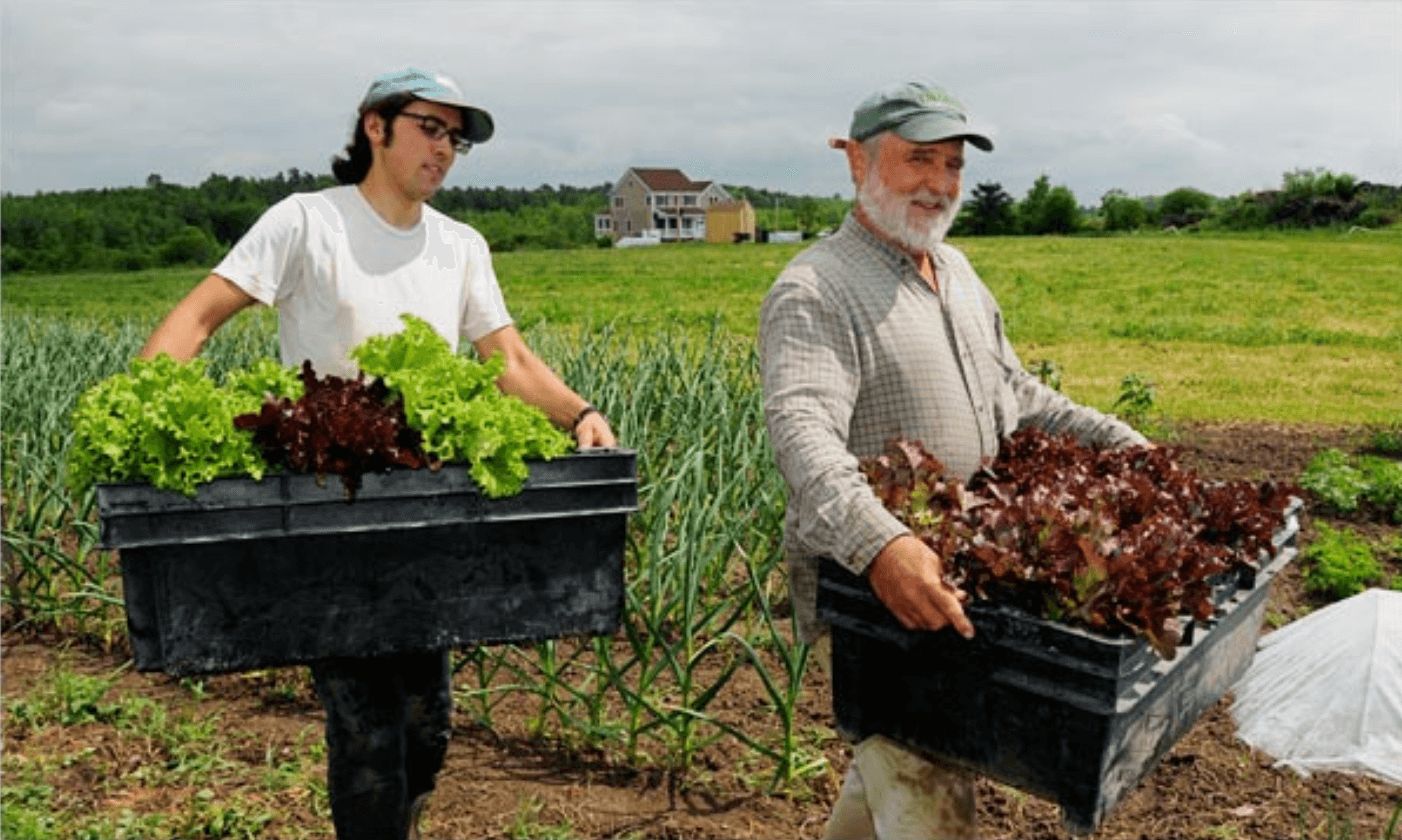
New York farmers disagree on GMO crops

Screen Shot at AM

It seems like something out of science fiction — taking the DNA of one organism and replacing it with part of another.

Yet, the idea has been a part of the agriculture industry for years….

…

″(A) farmer’s always going to buy the best traits he can buy for a farm,” [Ronald Wagner, the owner of Wagner Farms in Rome, New York] said. “If something tags along with a trait that we don’t really need, then seed companies are in business to sell technology.”

…

“Anytime I can buy a product that has resistance — whether it’s insect, disease, herbicide — the benefits outweigh the negative impacts,” Wagner said.

…

The long-term worry for [Denise and Bernard Szarek, the owners of Szarek’s Greenhouse] is how the chemicals might appear in the future.

“I think you’re going to see a correlation (with GMO or GE products) to a lot of the illnesses our grandchildren are showing,” Denise Szarek said.

This does not mean organic growers don’t use chemicals. Though the Szarek’s don’t use them, they said organic growers can use chemicals that have passed an organic standard. Bernard Szarek said they are “natural (chemicals) that (are) safe for humans.”

…

“When you start playing around with plants like that,” Szarek said, “all sorts of changes happen.”

Read full, original post: Local farmers split on genetically engineered crops

How synthetic biology can help world meet UN sustainable development goals

plant biosensor

The agenda of the UN’s Sustainable Development Goals (SDGs) challenges the synthetic biology community—and the life sciences as a whole—to develop transformative technologies that help to protect, even expand our planet’s habitability. While modern tools for genome editing already benefit applications in health and agriculture, sustainability also asks for a dramatic transformation of our use of natural resources. The challenge is not just to limit and, wherever possible revert emissions of pollutants and greenhouse gases, but also to replace environmentally costly processes based on fossil fuels with bio‐based sustainable alternatives. This task is not exclusively a scientific and technical one but will also require guidelines and regulations for the development and large‐scale deployment of this new type of bio‐based production. Some recent advances that can (or soon could) enable us to make progress in these areas—and several possible governance principles—need to be addressed.

The transformative power of modern, science‐based biotechnology that started in the late 1970s has been accelerated by recent developments, such as massive DNA synthesis/sequencing, systems and synthetic biology, and CRISPR tools for genome editing. The interface of these disciplines and techniques with other flagship technologies of the ongoing Fourth Industrial Revolution, such as artificial intelligence, robotics, big data, ITs, and so on, will usher in a society, economy and industry that are very different from what we know today.

Read full, original post: The power of synthetic biology for bioproduction, remediation and pollution control

Treating lung cancer with combination of chemotherapy, immunotherapy

patient using keytruda

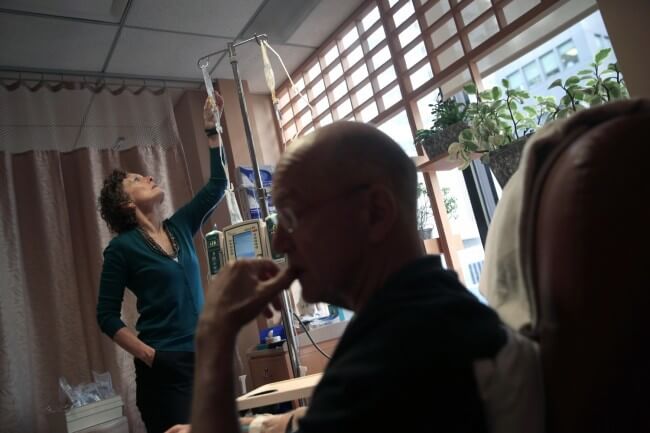
Patients with newly diagnosed advanced lung cancer who received an immunotherapy drug plus standard chemotherapy lived significantly longer than those who got chemo alone, according to a new study that is expected to change the way such patients are treated.

…

The reports underscore the increasingly important first-line role that immunotherapy, which unleashes the immune system to destroy cancer cells, is taking against the deadliest cancer.

“Immunotherapy is rapidly, in combination with other treatments and on its own, dramatically changing the standard of care for lung cancer,” said Leena Gandhi, an oncologist at NYU Langone Health who led the study on the immunotherapy-chemotherapy combination, called Keynote-189. “Instead of chemo being the backbone on which to improve, immunotherapy is now the backbone on which we build.”

…

[A] randomized effectiveness study [involved] more than 600 untreated patients with advanced nonsquamous non-small cell lung cancer — a common type of the disease. The patients did not have cancer-causing mutations. One group was treated only with chemo, while the other got an immunotherapy drug called Keytruda plus chemo. Some of the results had been released previously, but not specific details.

After a median follow-up time of 10.5 months, Gandhi said, the patients in the combination group were 51 percent less likely to die, compared with patients in the chemo-only arm.

Read full, original post: For advanced lung cancer, immune therapy plus chemo prolongs survival

Biohackers navigating a world of wonder and potential peril

biohack
A person doesn’t need a deep understanding of gene editing and CRISPR to realize we are in the midst of a potential revolution in the realm of medical and agricultural research. One of the things that makes this era so intriguing is the idea that these new gene-editing techniques aren’t restricted to the toolboxes of deep-pocketed corporations and top-tier research universities.

The ease with which some of these tools can be used by home hobbyists – often referred to as biohackers – has raised both hopes and concerns about what the future might bring. On one hand, there are those who see the potential for scientific discoveries arising outside the walls of mainstream research labs. On the other, there are those who worry these unregulated biohackers could harm themselves or others with their creations.

At the forefront of the “biohacking” movement is Josiah Zayner, founder of ODIN, a company that sells DIY gene-editing kits targeted to hobbyists. His goal is to make the technology to accessible to everyone, not just “white, upper-middle class people.”  Zayner doesn’t believe you should be excluded from the universe of genetic engineering if you are unable to afford “three fridges in a dedicated lab room in a 2,000-square-foot house.”

biohack 4 13 18 2
Josiah Zayner

Most of his kits offer intriguing but innocuous projects like adding a jellyfish gene for fluorescence to yeast. However, Zayner stoked controversy through a series of high-profile stunts in which he performed experimental treatments on himself.

Long ailed by digestive issues, he chose to replace his gut bacteria with those taken from a healthy donor’s saliva, skin and feces. Such treatment is almost always performed by hospitals in life-threatening situations, and his daring earned him video features in The New York Times and The Atlantic.  He says his symptoms have improved.

Zayner later injected himself at a San Francisco biohacking conference with DNA containing a Cas9 protein and guide RNA that would ostensibly cut and render non-functional the gene that produces myostatin. Belgian blue cattle, renowned for their lean, muscular beef, have a myostatin mutation. The idea is further bolstered by the story of a young German boy discovered in 2004 to have inactive copies of both myostatin-producing genes. He was reported to be extremely strong for his age, with no adverse health effects.

It’s possible that myostatin-producing genes are an evolutionary hangover from the pre-modern era when food was scarce. Humans who could binge after successful hunts and have their bodies store most of the calories as fat would be more likely to survive dry spells and pass on their genes.

Some researchers suggest that myostatin may lie at the center of potential remedies for degenerative diseases like muscular dystrophy.  However, none had dreamed of a direct human test until Zayner. It’s still unclear, though, whether deactivating the gene as an adult will cause a body to begin prioritizing muscle over fat, as desired, or if it could throw the body’s carefully-constructed homeostasis into disarray. Months after his injection, Zayner has not yet submitted to a public measurement of his biceps.

biohacking 4 12 18 3
A naturally occurring mutation in the myostatin gene leads to highly muscled whippets, according to the journal Neuromuscular Disorders.

After the procedure, The ODIN began selling copies of the DNA used to deactivate the myostatin-producing gene. Zayner argues that he’s not breaking any laws, because his website explicitly states that the DNA is “not injectable or meant for direct human use.”  The warning rings hollow, however, considering that people buying the DNA were likely inspired by Zayner’s experiment on himself. And, the DNA doesn’t appear to have any other use.

However, Zayner also points to a “barrier for entry” that would block most users from attempting to follow in his footsteps. According to an article in MIT Technology Review, the DNA “would have to be produced in larger amounts, purified, and then delivered to the body using methods well beyond the skills of most consumers — methods that might involve viruses, additional chemicals, or electric shocks.”  Indeed, it is unlikely that Little Johnny will be able to turn himself into Arnold Schwarzenegger for his high school science fair.

Zayner is not the only high-profile biohacker to invite controversy. Austin Traywick of Ascendance Biomedical, dropped his pants at Body Hacking Con and injected himself with an untested herpes treatment. Although some observers questioned the wisdom of Ascendance announcing to the world that its CEO has herpes, Traywick defended the decision. In his view, live testing allows the public to “hold us accountable.” Did the company receive ethical permission for the experiment? No, but in an increasingly common refrain, they did label the materials with “not for human consumption” before injecting them into a human.

The experiments and business activities of the biohacker community have aroused increasing attention from the FDA. A month after Zayner’s myostatin experiment, the agency released a terse statement saying it considers “any use of CRISPR/Cas9 gene editing in humans to be gene therapy.” Furthermore, the sale of “gene therapy products intended for self-administration and ‘do it yourself’ kits to produce gene therapies for self-administration…is against the law.” Regardless, the agency has not taken action against ODIN or Ascendance.

This was not the first encounter between biohackers and the FDA, which has occasionally resorted to oblique methods to register its disapproval with their undertakings.  David Ishee, who manages a kennel in Mississippi, is a well-known biohacker who works with dogs. Centuries of artificial selection have caused man’s best friend to suffer from a host of genetic disorders, such as hip dysplasia in German shepherds, epilepsy in beagles, and hyperuricemia (excessive uric acid in the blood, which can lead to kidney failure) in dalmatians.  Ishee believes that a single letter in the dalmation genome is all that needs to be edited to relieve dalmatians of their human-bestowed malaise.

Mis- and disinformation are distorting science and public policy. Subscribe to our Daily and Weekly Digests for incisive coverage of ‘disruptive’ innovations in AI, agricultural biotechnology, food, chemicals, nuclear energy, vaccines, and other disruptive innovations.

In many ways, Ishee represents the biohacker community at its most inspiring and persuasive.  Fixing canine mutations cannot be construed as tampering with nature, since they are the result of artificial selection. No one would seriously argue that hyperuricemia has an ancient evolutionary benefit. Since the diseases are the fault of human-enforced centuries of inbreeding, fixing them would be an act not just of compassion, but of atonement. However, Ishee has apparently ceased work on the project since the FDA responded with a proposal to regulate genetically modified animals essentially as drugs. (The FDA, however, would quibble with that characterization, noting that it “is regulating animals with intentionally altered genomic DNA as containing new animal drugs.”)

These days, even Zayner is dropping the confrontational attitude. In an interview with The Atlantic, Zayner adopted an apologetic tone, suggesting his actions played a role in Traywick’s herpes stunt, which he said was part of a culture of biohackers’ one-upmanship:

“Honestly, I kind of blame myself. There’s no doubt in my mind that somebody is going to end up hurt eventually.” 

biohack 4 13 18 3
David Ishee. Image credit: MIT Technology Review

An increasing focus on ethics is welcome for biohackers and the genetic engineering community as a whole.  The DIY Biology community released a draft code of ethics in 2011, but it is not legally enforceable and consists almost entirely of single-sentence platitudes on themes like transparency, open access, and modesty. Developing a more concrete, binding code of ethics, besides being the right thing to do, would be a massive PR boon for biohackers.

It might even give them an opportunity to develop a stronger, and less adversarial, relationship with the FDA. Tom Burkett, founder of a DIY Bio lab in Baltimore, suggests that biohackers are damaging their own efforts through experiments – designed to be provocative – that “could bring about increased regulation which would limit access to the technology.”

It would be shame to see increased federal oversight and enforcement led to a clipping of the wings of an enthusiastic biohacking community. It’s also possible that new regulations could ensnare and delay those going through conventional methods of government trials when seeking product approvals. Such delays would come at a particularly poor time for the US, when the nation already faces fears of falling behind China in terms CRISPR advances.

Biohackers descend from a proud lineage of scientists, including Nobel Prize winners, who experimented on their own bodies. Because these scientists did so within an ethical purview, and their experiments did not double as advertisements, they drove their fields forward.  Biohackers can be the tip of a spear that pierces the veil of ignorance and inaccessibility, or they can play Icarus for genetic engineers as a whole.

Sean Hall is a writer and engineering student at Santa Rosa Junior College exploring the overlap between politics and synthetic biology. Follow him on Twitter at @seantheserene.


Proposed 2018 Farm Bill includes amendments aimed at streamlining regulation of genetic engineering

Farm bill National Review

The House Agriculture Committee approved a group of 15 Republican amendments to the panel’s farm bill that would modify a crop insurance restriction while addressing broadband, biotechnology, organic food standards and other issues.

…

An amendment by Neal Dunn, R-Fla., would create a Biotechnology and Agricultural Trade Program to advocate against foreign trade barriers that restrict the use of genetically-engineered commodities. Another Dunn provision would set up a national science-based education campaign to increase public awareness of the kinds of technology used in food and agricultural production.

USDA would be required under an amendment by Ted Yoho, R-Fla., to report to Congress on plans for improving the regulation of gene-edited products.

…

[A Rep. Rodney Davis, R-Ill.] amendment would require the National Organic Standards Board to set up a procedure for companies or groups to petition the board for allowing new substances for use in organic food.

…

The committee was expected to debate two other Republican amendments before taking a final vote on the bill.

…

Democrats did not plan to offer any amendments and were instead attacking the reforms to the Supplemental Nutrition Assistance Program and other provisions in the bill, including the elimination of the Conservation Stewardship Program.

Read full, original post: Farm bill amendments address crop insurance, biotech, broadband

Understanding the difference between eugenics and genetic tests that predict intelligence

iq

Polygenic scores … can predict a person’s intelligence or performance in school. Like a credit score, a polygenic score is statistical tool that combines a lot of information about a person’s genome into a single number. Fears about using polygenic scores for genetic discrimination are understandable, given this country’s ugly history of using the science of heredity to justify atrocities like forcible sterilization. But polygenic scores are not the new eugenics. And, rushing to discuss polygenic scores in dystopian terms only contributes to widespread public misunderstanding about genetics.

…

Here are four reasons why dystopian projections about polygenic scores are out of touch with the current science:

First, a polygenic score currently predicts the life outcomes of an individual child with a great deal of uncertainty.

…

Second, using polygenic scoring for embryo selection requires parents to create embryos using reproductive technology, rather than conceiving them by having sex.

…

Third, and counterintuitively, a polygenic score might be using DNA to measure aspects of the child’s environment.

…

Finally, the phrase “DNA tests for IQ” makes for an attention-grabbing headline, but it’s scientifically meaningless.

…

Equating your intelligence, a cognitive capacity that is tested behaviorally, with your polygenic score, a number that is a weighted sum of genetic variants discovered to be statistically associated with educational attainment in a hypothesis-free data mining exercise, is misleading about what intelligence is and is not.

Editor’s note: Paige Harden is a tenured professor of clinical psychology at the University of Texas at Austin, where she is the Principal Investigator of the Developmental Behavior Genetics lab and co-director of the Texas Twin Project

Read full, original post: Genetic Test Scores Predicting Intelligence Are Not the New Eugenics

Viewpoint: Friends of the Earth ignores organic pesticides harmful to bees

hb

Friends of the Earth Canada is calling on Ontario Minister of the Environment Chris Ballard to investigate the sale of flowering plants containing organic pesticides. Their trial lawyer group Ecojustice filed an application under Ontario’s Environmental Bill of Rights, requesting the Minister of the Environment investigate the sale of plants containing organic pesticides by garden centers in contravention of the Ontario Pesticides Act.

Okay, that last part isn’t true. Well, the trial lawyers are true, environmental groups are a huge employer of attorneys, but they are not worried about the organic pesticide they found on plants from plants sold at RONA, Canadian Tire and Home Depot garden centres in Ottawa. They are only worried about Imidacloprid, a neonicotinoid that has been a target of anti-science fundraising campaigns. But if bees are important, why leave out the dangerous one that is sold as “organic”? Unlike neonicotinoids, which have only been found harmful to bees in activist brochures, organic-certified Spinosad is “highly toxic” to bees.

And yet it is on these plants, though Friends of the Earth does not express their concern about it. bees organic pesticides 32378

Read full, original post: Friends of the Earth Canada warns public about organic pesticides on garden center plants

We are entering the era of artificial intelligence—how should we get ready for it?

ccab a a aad c teaser x x

If the US were to draw up a new AI master plan, what should it aim to do? Funding AI research is the biggest priority, says Jason Furman, one of Obama’s top economic advisors.

…

While AI can drive economic growth, it may also accelerate the eradication of some occupations, transform the nature of work in other jobs, and exacerbate economic inequality (see “The relentless pace of automation”). It is critical that governments prepare for this transformation.

…

Another key consideration should be attracting and holding onto talented AI experts. The US has a long history of drawing the top academic talent, and this has fed directly into industry.

…

Education should be a key part of the picture. New AI scientists will fuel the industry, but broader AI expertise across different industries is also an important goal.

…

It may also be important to consider new challenges that might arise as a result of AI. A report authored recently by academics and industry experts speculates about ways that AI could be misused by criminals, terrorists, or foreign governments.

Above all, the government needs to understand what AI is and what it will do. Since artificial intelligence is such a complex and fast-moving field, it is especially important for experts to be brought in to brief policymakers and the administration.

Read full, original post: Here’s how the US needs to prepare for the age of artificial intelligence

With the age of biotechnology here, China’s spotty history with bioethics raises concerns

gettyimages

As China’s advances in biotechnology come closer to the secrets of life, they pose tantalizing prospects for the future. But when standards for research on the latest technological frontiers are being set by a government that has always prioritized power over ethics, there’s also plenty of cause for concern.

It was not until 1998 that the Chinese Ministry of Health established an ethics committee and issued the first set of guidelines on medical ethics in China.

…

After years of denial, the Chinese government acknowledged in 2006 its decades-long practice of harvesting organs from executed prisoners, and it has progressed toward a registry with volunteer donors. Nevertheless, many of the country’s rules and regulations, as in other fields, exist more on paper than in practice.

…

The willingness to overlook safety for financial gain hints at a greater challenge with bioethics in China — not just structural, but ideological. Authoritarian states naturally prioritize the strength of their own power, including the size of their economy, above all else; this runs contrary to, and inevitably undermines, the healing purpose of medicine.

…

When science is used in service of legitimizing an authoritarian system, the resulting research, however successful it might appear to be, inevitably abandons cosmopolitan ideals.

…

A secure future demands that all stakeholders come together in good faith to reach a collective agreement in the development and utilization of biotechnology.

Editor’s note: Yangyang Cheng is a postdoctoral research associate at Cornell University’s Cornell Laboratory for Accelerator-based ScienceS and Education (CLASSE), and a member of the CMS experiment at the Large Hadron Collider

Read full, original post: China Will Always Be Bad at Bioethics

California court rejects challenge of state’s decision to label glyphosate herbicide as possible carcinogen

PHVVZ IL NB TGKIJR KFYDRGQ

A state appeals court on [April 19] backed California’s listing of the widely used herbicide glyphosate as a possible cause of cancer and the state’s prohibition against discharging it into public waterways.

…

Citing new findings by the International Agency for Research on Cancer, state health officials added glyphosate to their list of potential carcinogens in July 2017….

…

Monsanto, backed by agricultural groups, immediately challenged the listing in both state and federal court. In February, a federal judge in Sacramento blocked the state from requiring Monsanto to put a warning label on glyphosate products, an action that had been scheduled to take effect in July.

U.S. District Judge William Shubb said the international agency’s findings had been contradicted by other studies, including one by the U.S. Environmental Protection Agency that found no link to cancer.

[The April 19] ruling involved a separate issue, Monsanto’s claim that the state was illegally delegating lawmaking powers to an unaccountable foreign agency, the International Agency for Research on Cancer. In rejecting that argument, the Fifth District Court of Appeal in Fresno preserved California’s authority to list glyphosate as a possible carcinogen and prohibit discharge of the chemical into waterways.

…

Monsanto could ask the state Supreme Court to review the ruling.

Read full, original post: State can label widely used herbicide as possible carcinogen

Viewpoint: CRISPR technology poses genuine risks, but that doesn’t justify crushing regulations

a dbad c fa

The advances made possible by CRISPR could bring vast benefits to society, but the technology also poses risks. An out-of-control gene drive could drastically alter or even threaten a species. And editing the human genome raises risks both for individuals and for society as a whole. To head off those dangers, governments and scientific institutions will have to respond by establishing standards that both enable promising research to go forward and reassure the public that the work is being conducted responsibly.

…

Experiments in both human genome editing and gene drives are generally classified as “dual use”—research whose results may be used for good or evil.

…

Although gene drives cannot be used to create new viruses or bacteria—neither type of pathogen reproduces sexually—they could be used to create other kinds of weapons. For example, mosquitoes could be modified to produce toxins or such that they can expand their natural habitat and so spread malaria, dengue fever, or other diseases outside tropical areas.

Indeed, virtually all biological research could plausibly be described as dual use.

…

This is one reason why all of those who value the lifesaving breakthroughs that biological research has made possible should reject the idea of regulating biological research primarily because it is dual use.

…

[T]he mere fact that something can be used to do harm must not suffice to trigger regulation.

Read full, original post: Keep CRISPR Safe

Biotech livestock: USDA, FDA diverge over how to regulate genetically engineered animals

piglets today tease a c b ccf c b f

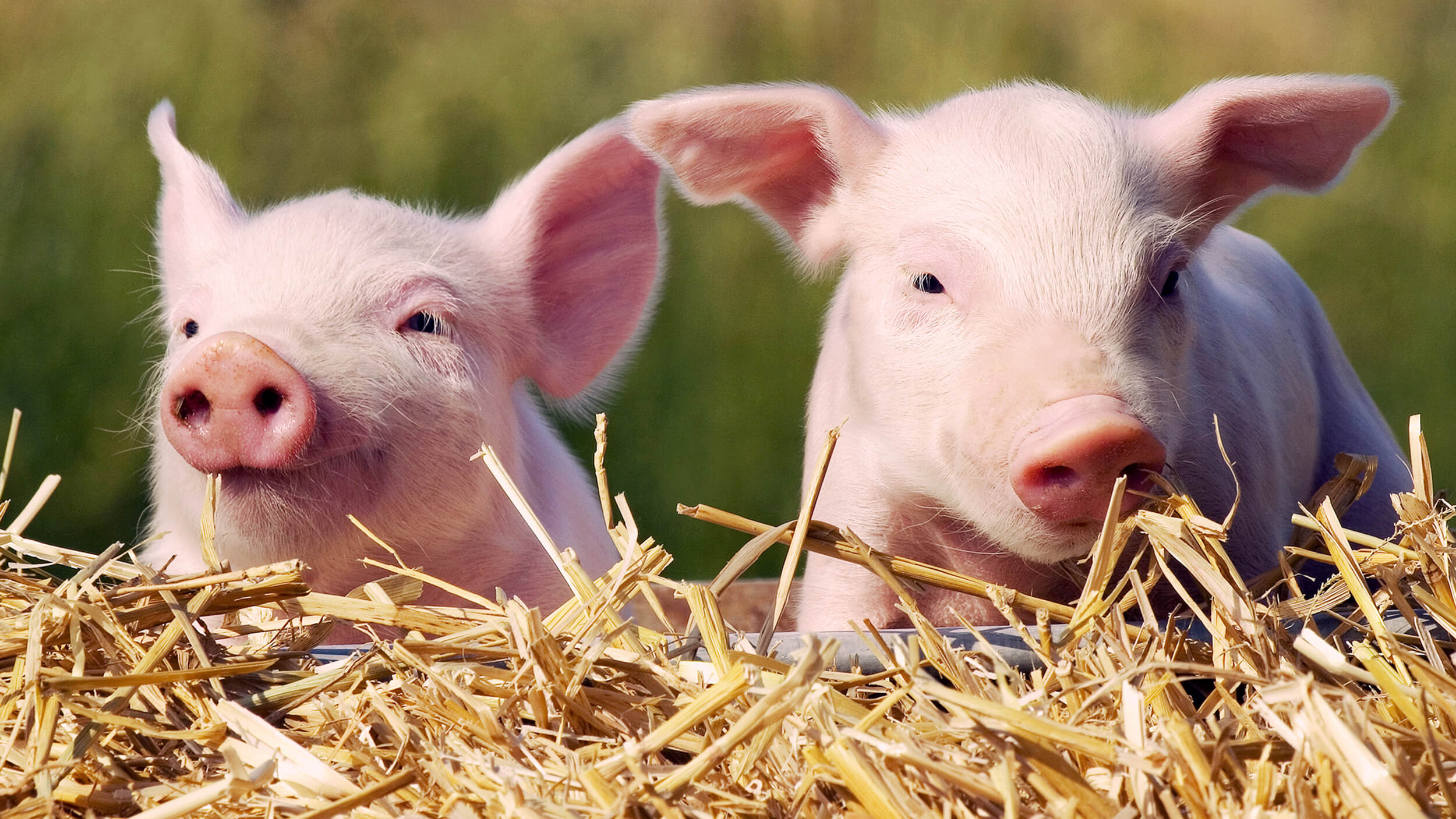
A disease that kills millions of pigs a year may soon meet its match — if two federal agencies can agree on the idea.

Porcine reproductive and respiratory syndrome virus is one of the latest examples of a condition that scientists believe they can beat with genetic engineering, and one that’s caught up in a disagreement between the U.S. Department of Agriculture (USDA) and the U.S. Food and Drug Administration (FDA) over how quickly such methods should be approved, and by whom.

On one side: FDA Commissioner Scott Gottlieb, whose agency regulates genetically engineered food similarly to a drug. On the other: Agriculture Secretary Sonny Perdue, pushing for faster approvals of a wide range of biotechnology that could block animal diseases and help cows produce more milk, among other benefits.

…

Perdue said he worries that FDA’s regulations on biotech animals could stifle innovation and slow the introduction of animals that could be more productive or resistant to diseases without the use of drugs or hormones. USDA already allows genetic engineering in plants, and Perdue said he sees livestock in a similar way.

Read full, original post: U.S. agencies clash over who should regulate genetically engineered livestock

AI personhood? European Parliament under fire for proposing recognizing legal status of robots

robot laws

Over 150 experts in AI, robotics, commerce, law, and ethics from 14 countries have signed an open letter denouncing the European Parliament’s proposal to grant personhood status to intelligent machines. The EU says the measure will make it easier to figure out who’s liable when robots screw up or go rogue, but critics say it’s too early to consider robots as persons—and that the law will let manufacturers off the liability hook. This all started last year when the European Parliament proposed the creation of a specific legal status for robots.

…

Electronic personhood, the EU Parliament believes, is the solution to this problem. To be clear, the EU doesn’t want to imbue robots and AI with human rights, such as the right to vote, the right to life, or the right to own property. Nor is it wanting to recognize robots as self-conscious entities (thank goodness). Rather, this measure would be similar to corporate personhood.

…

“Robots should not be granted personhood now; there is no existing robot that remotely qualifies for person status,” [said] Michael LaBossiere, a philosopher and expert in robot ethics.

…

If they ever become self-aware, conscious agents, it would be hypocritical and unfair of us to deny them personhood status. But for now, we’re still far off from that critical point in our history.

Read full, original post: Experts Sign Open Letter Slamming Europe’s Proposal to Recognize Robots as Legal Persons

‘Kenya’s silver bullet’? How GMO insect resistant Bt corn could help farmers fight fall armyworm outbreak

Screen Shot at AM

Genetically modified maize, Bacillus Thuringiensis (BT) could be Kenya’s silver bullet in the fight against Fall Armyworm which has so far destroyed more than 200,000 acres of maize farms since 2016.

The biologically modified seed is incorporated with specific protein content that chocks the worm which continues to wreak havoc across Africa.

The maize variety first came to Kenya through African Agricultural Technology Foundation (AATF) IN 2012 under a public-private partnership project, Water Efficient Maize for Africa (WEMA).

[T]echnical operations director at AATF Emmanuel Okogbenin said that Kenya and Africa can best tackle the issue of Fall Armyworm through biotechnology.

He said BT maize has already been tested in various markets across the world prevalent with the pest and has proved effective. He added that the variety has helped farmers in Brazil and South Africa minimize on use of pesticides and increase productivity.

“The adoption of Bt maize together with excellent soil management practices can see Kenya increase its productivity by four folds and cut on importation. The variety only chock targeted pests and has no impact on beneficial insects and has no health implication on consumers,’’ said Okogbenin.

Read full, original post: Can genetic maize rescue our farmers from Fall Armyworm?

Without solar superstorms, Earth could have been an uninhabitable gaseous ‘mini-Neptune’

main eruption zoom

Gigantic solar storms may have helped strip unwanted gases from the Earth’s atmosphere, while helping to seed its surface with the chemicals for life, scientists say. The storms may also have set in motion chemical reactions that helped keep the Earth and Mars warm enough for liquid water early in their histories, when the Sun was putting out 30 percent less energy than it is today.

…

[T]he early Earth might have swept up enough hydrogen and helium during its formation to have had a fairly substantial hydrogen/helium “envelope” that would have been “inimical” to habitability. If it had remained, [astrophysicist Vladimir Airapetian] says, the Earth might have become a gaseous “mini-Neptune,” rather than the planet we know today.

Lower down, radiation from solar superstorms could have set off cascades of collisions that would have smashed molecules and left a wake of ionized particles extending deep into the atmosphere, says NASA researcher Guillaume Gronoff. Of particular importance, he says, is that these particles would have carried enough energy to break up molecules of nitrogen gas, carbon dioxide, water, and methane.

…

Many of the exoplanet systems currently being studied, however, are around stars that generate considerable numbers of flares. That means that conditions on their planets might be more like those on the early Earth than in our present Solar System.

Read full, original post: Solar superstorms may have helped set stage for life

Viewpoint: Food companies’ ‘meaningless’ non-GMO labels insult farmers, threaten food sustainability

The conditions that will befall our food system require innovative solutions like those offered by biotechnology to ensure food security for the billions of Earth’s inhabitants.

That’s why it’s troubling to see the growing trend of food companies using meaningless terms and confusing assertions in their labeling efforts (many of which fear monger against biotechnology). While they may be generating greater profit, they are exploiting consumer unease, thereby making it more difficult to foster public support for badly-needed investments in an innovative food system that will help our grandchildren live in a better world.

A recent study found that approximately 45 percent of U.S. citizens thought that GMOs should be prohibited no matter the benefits associated with the technique. This is concerning because the vast majority of scientists say that GMOs are safe. However, large food companies are taking advantage of consumers’ fears and adding meaningless absence claims to their front-of-package labeling. In fact, they are slapping GMO-free labels on products that never contained GMOs to begin with: milk, pink rock salt, etc.

These meaningless labels come at the expense of farmers who rely on biotechnology to make a living and produce the food you eat in a more environmentally sustainable manner.

Editor’s note: Brandon McFadden is a University of Florida professor who focuses on consumer behavior and food production

Read full, original post: Don’t let food companies scare you about GMOs | Opinion

Managed well, cattle feedlots can be the environmental and ethical smart choice

galllery

Editor’s note: This article was originally published at Ensia and has been republished here with permission

“Grass-fed” beef is increasingly marketed as more environmentally friendly and ethical than beef produced from feedlots. But is it really? Whether or not we agree that beef can be an environmentally sound or ethical choice under any circumstances, it is an important and enduring part of the American diet, so that’s a question worth asking and answering.

All cattle in the U.S., in fact, start out grazing on pasture. The real distinction lies in whether they transition to grains in feedlot operations near the end of their lives. This so-called “grain-finishing” is the story for most American cattle. “Grass-finished” beef, in contrast, contributes 3 to 6 percent of beef sales in the U.S.

The perception that grass-fed beef, as it is more commonly described, is better for the environment, the people eating it and the animals themselves fits with a broader narrative that increasingly favors food labeled “natural” or organic. Evoking a pastoral ideal, grass-fed beef is often seen as a return to a more environmentally attuned form of production, set in contrast to the unnatural and alienating system that the modern feedlot has become.

Contrary to popular belief, though, feedlots are not necessarily the villains — environmental or otherwise — they’re made out to be. By many standards, grain-finishing systems come with less environmental impact than grass-finishing ones. Any health distinctions between the two, further, are likely too small to make a difference; grass-fed beef may contain nominally more nutrients and omega-3 fats than grain-fed, but not in nutritionally significant amounts. The question of animal welfare is also a more complex issue than it might seem at first glance. If we truly want to produce beef responsibly — to ensure better outcomes for the environment and the cows — we’ll need to reconsider the facts and the future of feedlots.

Decreasing Environmental Impacts

Cattle have been fed and fattened on grain since farmers in the Midwest began to pick up the practice in the 1800s. It was not until the mid-20th century, however, that beef production truly began to intensify, transforming an industry defined by extensive grazing lands, where cattle would spend two years before being shipped to East Coast markets, to one dominated by feedlots, which churned out greater amounts of beef on less land with fewer farmhands.

Since the 1970s, this very intensification has been accompanied by considerable environmental savings.A number of factors contributed to this transition, including heightened demand accompanying rising wealth in the 1940s and ’50s, along with a scarcity of labor and depletion of grazing lands in the American West. Indoor confinement and specialized feeds, in turn, enabled Midwestern feedlots to compete with sunnier western and southern operations, which brings us to where we stand today, with intensively managed feedlot systems responsible for the majority of beef production across the country. Despite a resurgence of grass-fed beef since the turn of the century, around 97 percent of beef sold in grocery stores comes from grain-fed cattle (around 28 million of them per year). As of 2012, three-quarters of this beef came from feedlots with a capacity of 1,000 or more cows.

What is perhaps more surprising is that, since the 1970s, this very intensification has been accompanied by considerable environmental savings. Between 1977 and 2007, with grain-fed systems dominating beef production, the amount of land needed to produce a given amount of beef decreased by 33 percent, water use fell by 12 percent, and the greenhouse gas footprint fell by 16 percent. These environmental gains are due in large part to the increasing productivity of feedlot systems stemming from innovations like enhanced feeds and selective breeding. Over the past half-century, feedlots have continued to improve efficiency-wise, generating more beef per animal in a shorter period of time, and this higher productivity has resulted in lower environmental impacts per pound of beef, especially when compared with grass-finishing systems.

Mis- and disinformation are distorting science and public policy. Subscribe to our Daily and Weekly Digests for incisive coverage of ‘disruptive’ innovations in AI, agricultural biotechnology, food, chemicals, nuclear energy, vaccines, and other disruptive innovations.

With greenhouse gas emissions, in particular, intensive systems of beef production tend to beat extensive systems that finish cattle on pasture. Consider that the majority of emissions from beef production stem from enteric fermentation — or in lay terms, cow belches. As a result, raising cows in a shorter amount of time reduces emissions considerably. Since cows on feedlots are also usually larger than cows on pasture, they produce more beef per animal and thus fewer emissions in the aggregate. These efficiency gains win out even if we factor in the added emissions that come from producing feeds.

One environmental downside of feedlots is that the way they concentrate and store manure often leads to high levels of local air and water pollution. In addition, runoff of nitrogen-rich manure into waterways can contribute to “dead zones” in coastal areas. Policy and technologies such as anaerobic digesters, which convert manure to energy, can reduce such impacts. Denmark, for example, cut nitrate leaching from intensive livestock systems in half through a mix of regulation, subsidies, and the adoption of various technologies.

Innovations in veterinary science, animal nutrition and genetics have driven remarkable environmental gains in intensive systems as well. Today, for example, animal nutritionists design diets with the exact ratios of protein, fiber, nutrients and fat that will optimize digestion and weight gain. Digital ear tags closely monitor animal health, which has the potential to reduce the use of antibiotics. These practices boost bottom lines and environmental performance alike.

Selective breeding, too, has improved productivity. Current technology allows animal scientists to use DNA samples from individual calves to determine their likelihood of having productivity-boosting traits like high birth weights and to select for them using artificial insemination or in-vitro fertilization. One Texas cattle farm is using these techniques to produce top-grade beef cattle faster without any use of hormones or antibiotics; Alison Van Eenennaam, an animal scientist at University of California, Davis, has described this practice to National Geographic as “breeding for Priuses.”

Farmers and scientists in the U.S. are also currently experimenting with dietary innovations to reduce methane production. One recent experiment successfully reduced the methane emissions of dairy cows by 30 percent, without negatively impacting milk production and feed intake. This is still a new technique, but if deployed commercially, it could play a huge role in reducing methane output without touching productivity.

Of course, greater sector regulation and oversight will also be required to implement and scale many of these environmental upgrades. The U.S. Environmental Protection Agency regulates manure management in feedlots, for instance, but state-level records indicate that some do try to skirt the rules. Proper enforcement is therefore key, as are government incentives for producers to adopt lower-impact practices such as methane digesters.

Ultimately, there are many opportunities to improve management of both grass-fed and grain-fed beef producers. Consumer demand has also shown to wield influence over the industry. Unfortunately, many of the labels that we currently rely on today, such as “USDA Organic,” tell us little about farm-specific management. The development of broader industry standards and certifications could provide an effective tool to communicate this information to customers and to reward responsible producers for their efforts.

Ultimately, there are many opportunities to improve management of both grass-fed and grain-fed beef producers. Much of this rests on robust regulation and producer decisions. However, the largest environmental gains in beef production have been in feedlots, and the most promising new practices build on this progress.

Happy Cows Eat Grain

While feedlots have been responsible for significant environmental gains, and current practices and promising technological advances indicate that there will be more to come, do these come at the expense of the animals themselves? Kept confined in close proximity, often indoors, cattle in feedlot systems do tend to fare worse across a variety of welfare metrics, exhibiting higher stress levels and lower resistance to disease than cattle on pasture. A grain-based diet has also shown to increase their susceptibility to digestive complications and infections.

But as with production and environmental gains, innovation and scale have also dovetailed with animal welfare in surprising ways, complicating this picture. Take some of the tools used to boost efficiency in feedlot systems, like nutritionally optimized feeds and regular veterinary care. When applied appropriately, these practices are designed to ensure animal health. Even much-maligned antibiotics, when used responsibly — that is, not excessively or preemptively — reduce suffering and enable farmers to treat animals quickly and effectively.

We might prefer to think of cows munching away at grass on pasture, but grain (when combined with appropriate roughage) can make them happy, too.A few other counterintuitive realities concerning animal well-being emerge upon closer inspection. We might prefer to think of cows munching away at grass on pasture, but grain (when combined with appropriate roughage) can make them happy, too. “Grain is like cake and ice cream to cows,” animal-welfare expert Temple Grandin put it to the Washington Post. Feedlots that are dry, roomy, and shaded can also make for content cattle, especially when compared to pasture systems not equipped with shade or protection from extreme weather conditions. In this sense, confinement certainly comes with trade-offs, but it also provides a degree of comfort and protection, so long as pens are kept dry, clean, and relatively roomy.

As with environmental impact, the question of animal welfare need not come down to the distinction between pasture and feedlot. Instead, it has everything to do with producer-specific practices. Bettering the lot of all cattle will require the continued development and enforcement of standardized practices and regulations, which have already contributed to considerable progress in the industry.

Taking Stock

If environmental performance and animal welfare are important to us, we need to take stock of the actual realities of the feedlot so that we might work to improve them, rather than rejecting them outright. Overall, beef has a larger environmental footprint than any other food, but U.S. feedlots produce it with fewer emissions and a lot less land and water than grass-finishing would. When managed responsibly, feedlot operations also have the potential to offer cattle important aspects of a decent life: health, nutrition and relative comfort. And technological innovations and the spread of best practices can further contribute to enhanced animal welfare, while also continuing to drive environmental gains.

Productive feedlot systems, when managed well, can be a win-win. And that’s good news for us, the planet and the cows.

Linus Blomqvist is the Director of Conservation at the Breakthrough Institute. Follow him on Twitter @linusblomqvist 

Emma Brush is a staff editor at the Breakthrough Institute. Follow her on Twitter @egbrush23

SaveSave

About the musician who played the flute — during her brain surgery

image x
A video of a woman playing the flute while undergoing brain surgery for tremors has gone viral. The notion of a person being wide awake to perform a skilled task under such conditions captivated media outlets and the internet. Though it is quite miraculous each and every time, this neurosurgical procedure named deep brain stimulation (DBS) is quite established and has been around for many years improving the quality of life for those with Parkinson’s Disease and other movement disorders.

In this instance, Anna Henry is a professional musician who has endured tremors since childhood. With recent worsening now impacting her passion and life’s work, she took the leap and was operated on at Memorial Hermann-Texas Medical Center in Houston. (See video here).

Albert Fenoy, M.D., neurosurgeon with the Mischer Neuroscience Institute at Memorial Hermann-Texas Medical Center and UTHealth, who specializes in the procedure maintains,

“Deep brain stimulation is a really fantastic tool in how we can modulate a perturbed, dysfunctional system in the brain and make it more normal.”

What is Deep Brain Stimulation?

DBS is quite an amazing option for eligible candidates with certain movement disorders and neuropsychiatric conditions, including but not limited to Parkinson’s Disease, Essential Tremor, Epilepsy and more recently Obsessive-Compulsive Disorder. Research is underway for the potential uses in other diseases. That said, it is not a simple procedure or without risk (e.g. infection, bleeding, stroke, seizures) since it occurs in a premier real estate location.

Typically reserved for those whose conditions are refractory to medication, it is an invasive intervention. An opening is made by drilling into the skull to allow tiny electrodes to be inserted deeper within the brain. First, detailed brain mapping is performed with imaging studies and monitoring equipment to identify the main locus causing the problem. Those whose issues arise from a more isolated spot are more likely to succeed with this surgery than those who might have multiple areas of origin. Next steps involve shaving the head and securing an external contraption usually referred to as a halo which gets literally screwed into the scalp.Think of this apparatus like the mechanism that surrounds a globe and serves to measure longitudes and latitudes to guide surgeons with proper placement of their electrodes. In other words, it permits targeted neuro-navigation.This stereotactic head frame also keeps your head still during the surgery.

Multidisciplinary teams assist the neurosurgeon in these cases. Neurophysiologists and neurologists enter the surgery when the electrodes have been inserted so they might test varying levels of current or stimulation necessary to stop the tremor in that particular patient. The patient does not feel pain as she is monitored and medicated by anesthesiologists. But, she must remain awake since this interactive state is critical to fixing the underlying issue and avoiding complications.

Determining the amount of necessary sustained voltage for the particular patient’s issue and guaranteeing vital structures are not impeded upon requires incremental changes that are safely performed. Having the patient speak or perform tasks like bringing a cup of water to the mouth – or in this case playing the flute, are markers for preserving a person’s speech center or curtailing side effects while testing the extent of tremor cessation.

Once the ideal parameters are set to regulate abnormal electrical activity, for example, and the surgery proves effective, the electrodes are secured and threaded under the skin to an implanted pacemaker type device in your chest that can be adjusted when need be as an outpatient.

Mis- and disinformation are distorting science and public policy. Subscribe to our Daily and Weekly Digests for incisive coverage of ‘disruptive’ innovations in AI, agricultural biotechnology, food, chemicals, nuclear energy, vaccines, and other disruptive innovations.

Is it a cure?

DBS does not cure the disease, but rather the symptom that is adversely impacting you. Sometimes it is enough to suppress the problem, other times it is used in combination with medications. It requires continued monitoring and alterations in the degree of stimulation. People can have sides effects of balance issues or confusion, for instance, so are followed regularly.

In conclusion

The first residency I started was neurosurgery. As a medical student, I did research in deep brain stimulation. Though this was many years ago at this point, it is no surprise that such a case of a flute-playing patient under these circumstances is so compelling. It was then and continues to be as it represents some of the most substantial strides we have made in medical progress. Back then, the cases were incredibly long and the process very tedious as one could imagine. But, each and every time you reached the pivotal moment in surgery and witnessed a person you had seen disabled and impaired by their tremor instantly steady their hand, it took your breath away. You knew their life had forever changed and for the better.

It is comforting to know these types of marvels in innovation and dedication still do take our collective breath away.

Dr. Jamie Wells, MD, FAAP, is a Board-Certified physician with over a decade of experience caring for patients and the Director of Medicine at the American Council on Science and Health. She served as a Clinical Instructor/Attending at NYU Langone, Mt. Sinai-Beth Israel and St. Vincent’s Medical Centers in Manhattan. Follow her on Twitter @jamiewellsmd.

A version of this article was originally published on the American Council on Science and Health’s website as “Woman Plays Flute While Undergoing Brain Surgery, Video Goes Viral” and has been republished here with permission.

Battling malaria: Bill Gates backs gene editing of mosquitoes, acknowledges ethical concerns

Screen Shot at AM

Gene-editing technologies that alter mosquitoes’ DNA could prove critical in the fight against malaria, Bill Gates said on [April 18], and ethical concerns should not block progress in such gene-modifying research.

Speaking at the Malaria Forum conference in London, the billionaire Microsoft co-founder and philanthropist said that while gene editing raised “legitimate questions”, these should not jeopardise exploration of tools such as clustered regularly interspaced short palindromic repeats (CRISPR) gene editing and so-called “gene-drive technologies”.

…

The techniques are being explored across science — from human medicine to livestock-and crop-breeding. In mosquitoes that transmit malaria, genetic alterations can be used to induce infertility to reduce populations, or alter the insects’ ability to carry and pass on the malaria parasite.

The technologies can be extremely powerful, but they are also controversial, since such genetically engineered organisms released into the environment could have an unknown and irreversible impact on the ecosystem. Asked in a interview with Reuters about that controversy, Gates said there were understandable concerns about safety and efficacy that would need to be addressed in research and trials.

However, he countered: “Malaria itself is quite controversial — it kills about 400,000 kids a year. So we’re definitely not on the side of malaria.” He also noted that at their summit in January, leaders of the African Union (AU) endorsed gene-drive research as part of the fight against a disease that continues to kill their people.

Read full, original post: Gene-editing’s ethical concerns should not hold back malaria research, says Bill Gates