After years of targeting health-conscious beer drinkers with Michelob Ultra, Anheuser-Busch InBev is going after an even choosier consumer: the organic shopper.
The brewer is introducing a new beer in the U.S. called Michelob Ultra Pure Gold that’s made with organic grains and approved by the Sustainable Forestry Initiative. The idea is to capitalize on the popularity of organic food and beverages — and win over people who might turn up their noses at big beer brands.
“We see this as an opportunity to keep leading the way in innovation in light beer and aligning great-tasting products with health and wellness trends,” said Azania Andrews, vice president of Michelob Ultra.
…
“It’s probably someone who’s 28-plus who shops for food in more high-end places — like a Whole Foods, for example — and is focused on really understanding the kind of things that they’re putting in their body,” she said. “They maybe are people who are very disciplined about organic food and vegetables and other beverages.”
Australia’s gene technology regulations have not been revised since 2001– despite many game-changing advances in genetic technologies over the past 17 years.
A review of the regulations by the Office of the Gene Technology Regulator (a Federal government body) involved a public call for submissions and has also triggered some fears about what changes are to come. Will it mean genetically modified organisms (GMOs) – plants, animals or even humans – will not be regulated?
We argue that the proposed changes to the regulations will actually involve more oversight of genetic techniques, including the poster-child of new approaches: CRISPR.
CRISPR (or more precisely, CRISPR-Cas) is a molecular technology that has been developed from a naturally occurring mechanism in bacteria, and is used to alter DNA.
Prior to the proposed amendments by the Office of the Gene Technology Regulator, the regulation of CRISPR-Cas was a bit ambiguous. Rather than opening the door for genetic editing to become more widespread, the proposed changes more tightly regulate the use of CRISPR-Cas technology.
How CRISPR works
The CRISPR-Cas technique is prized by researchers because it is an efficient and precise way to alter DNA (as well as other molecules such as RNA).
There are two main applications of CRISPR-Cas: to increase genetic variation (that is, slight changes in the DNA sequence), and to edit the DNA (an approach similar to “cutting and pasting”, where known bits of DNA are taken out and alternatives added back in).
Traditionally, genetic variation arose naturally and individuals with desirable traits were selectively bred by humans. We have been doing this for thousands of years, and selective breeding is responsible for a lot of the food that we eat today. About a century ago, X-rays and chemicals started to be used to increase the amount of genetic variation of organisms (typically plants) which can be selectively bred. This has generated more than 3,000 horticultural plant varieties that we consume today, none of which are classified as GMOs.
CRISPR-Cas can be used in a similar way to X-ray and chemical methods, but with an advantage: it can target specific sequences of the DNA, minimising unwanted, bystander effects in other parts of the DNA. In the proposed regulation changes, CRISPR-Cas-induced variations of this kind would be classified in the same way as other technologies achieving the same outcome – they are not GMOs.
As well as inducing variation, CRISPR-Cas is best known as an “editor” which can cut and paste particular bits of DNA. When DNA is added to an organism, they are classified as GMOs, and would still be according to the proposed regulation changes.
When CRISPR-Cas technology is used for editing, it can also be used to create changes in the DNA of an organism that will then spread in subsequent generations – this is referred to as a “gene drive”. But CRISPR-Cas is not the only way to achieve this, and the proposed changes increase the regulations for the use of all kinds of gene drives.
The column also appears to argue that changes to the legislation mean that designer babies are both technically possible and imminent.
But in Australia, both the current (2001) and proposed changes to the regulations by the Office of the Gene Technology Regulator do not cover the use of CRISPR-Cas technology in humans – only other organisms that are not destined for human food. Further, the 2015 “International Summit on Human Gene Editing” put a moratorium on gene editing in viable human embryos.
Worries about designer babies stemming from the current and proposed genetic technology regulations are not substantiated.
Focus on outcomes, not process
The lesson here is not that we should blindly trust scientists and regulators when it comes to new technology. We agree that emerging technologies can pose risks.
Rather, the take-home message is that technological regulation needs to focus on outcomes of the technology, not the technology itself.
Let’s consider another technology: 3D printing.
Advances in 3D printing means that the opportunities for creating new products are endless. You can print a house, a car, a prosthetic limb – and also a weapon. Does this make 3D printing something to be afraid of?
We think not. 3D printing can have many uses, malevolent or life-transforming. Scaremongering about 3D printing technology, rather than considering the uses of the technology, is a misguided approach to regulation.
A 3D-printed cast should be regulated differently to a 3D-printed gun. And this kind of regulation is exactly what the proposed updates to the Gene Technology Regulations hopes to achieve.
What the updates do address is a change from a process based assessment of technology to an outcome based one. In the same way that we might not want 3D printing banned in Australia, some regulation on the various outcomes arising from new genetic technologies are necessary.
Editor’s note: Isobel Ronai is a PhD student in the School of Biological Sciences at the University of Sydney in Australia. Kate Lynch is a Postdoctoral Research Fellow at Macquarie University.
If the accuracy ever gets high enough, there would still be some interesting applications (including the privacy problem) of [genetic] facial reconstruction.
…
“In the past, scientists selected specific features, including the distance between the eyes or the width of the mouth. They would then look for a connection between this feature and many genes.” [said researcher Seth Weinberg].
…
The new study took a different approach, letting the traits identify themselves. Lead author, Peter Claes, of KU Leuven, explains, “Our search doesn’t focus on specific traits. My colleagues from Pittsburgh and Penn State each provided a database with 3D images of faces and the corresponding DNA of these people. Each face was automatically subdivided into smaller modules. Next, we examined whether any locations in the DNA matched these modules. This modular division technique made it possible for the first time to check for an unprecedented number of facial features.”
The nose is one of the main identifying features of a face. As the skull contains no trace of it, it’s traditionally been a huge obstacle in facial reconstruction. Out of the fifteen identified genes in this study, seven are linked to the nose. So does this mean we’ll be able to accurately reconstruct facial features from ancient DNA? Someday, but not quite yet.
Editor’s note: Read the full study (behind paywall)
Read full, original post: Are We One Step Closer To Genetic Facial Recognition?
In 2016, Josiah Zayner, a former synthetic biology research scientist at NASA, checked himself into a hotel room. Over the course of four days, he performed an extremely risky experiment on himself. The goal: “To completely replace all of the bacteria that are contained within my body.”
Gut Hack, a short documentary by Kate McLean and Mario Furloni, chronicles Zayner’s attempt to transplant his microbiome in order to relieve himself of a lifetime of debilitating gastrointestinal problems. “All of the medical doctors [I’ve seen] haven’t helped,” Zayner says in the film. “You just expect me to deal with my symptoms for the rest of my life? Why are people so afraid of something different—some change, some experiment?” Using bacterial samples from a donor, Zayner takes matters into his own hands to recolonize his body with a new ecosystem of microorganisms.
…
“This movie is our attempt to share Josiah’s grueling and grotesque ordeal,” McLean told The Atlantic, “and communicate how it felt to behold this weird period of his life: alternately full of wonder, disgust, anxiety, excitement, exhaustion, and awe.”
…
Zayner expressed concerns about the way in which the public has interpreted his biohacking experiments. “I see myself as a scientist but also a social activist,” he said. “How can I do experiments in a scientific way but also make people think?”
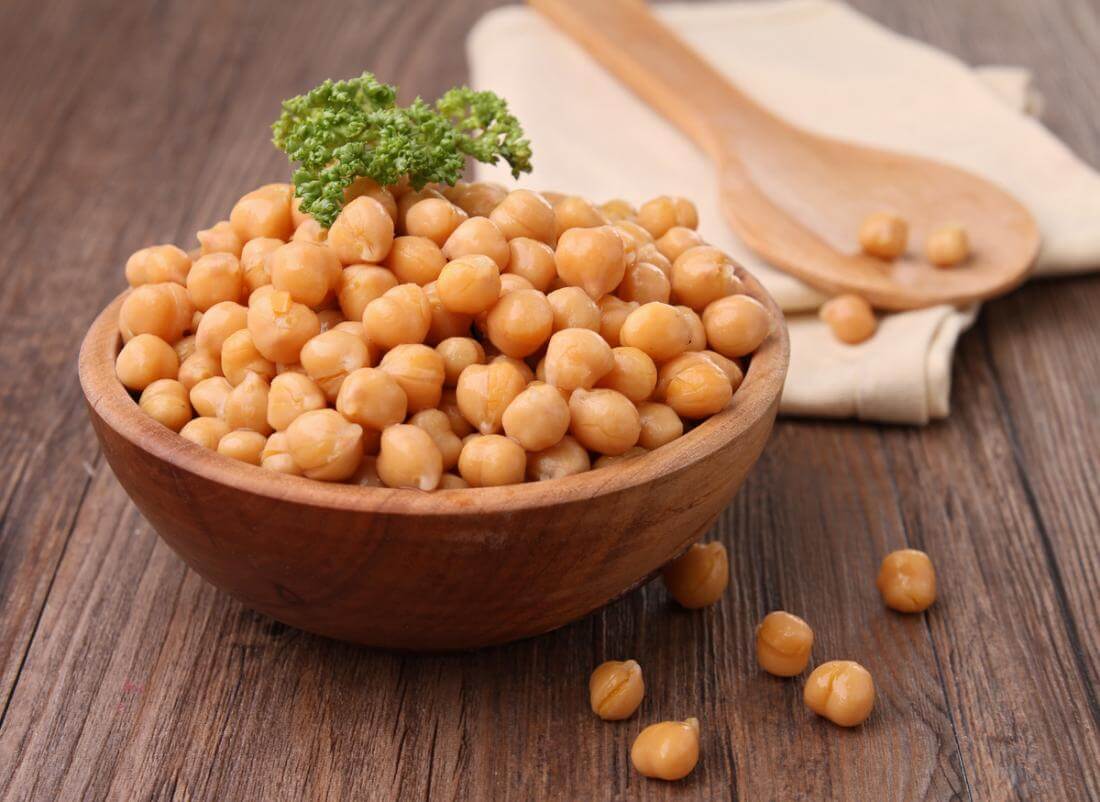
They are nutritious, versatile and a dietary staple for millions of people from South Asia to Ethiopia, but scientists have warned that the humble chickpea is under threat from climate impacts such as higher temperatures, drought and pests.
The key to saving the chickpea could lie with a project cross-breeding domestic and wild varieties – found only in southeastern Turkey near the border with war-torn Syria – said a study published this week in the journal Nature Communications.
Unlike domestic crops, which receive dedicated care in the form of fertilisers and pesticides, their wild relatives are able to adapt to changing conditions, according to scientists.
“It will take another five years before it’s in the hands of a farmer in Ethiopia … but we are well on the road to being there,” [said] Eric J. B. von Wettberg, a plant geneticist at the University of Vermont….
…
About one in five people globally depend on legumes such as chickpeas as their primary source of protein, Von Wettberg said.
He called for better protection for and conservation of wild varieties of crops, which could have traits that would allow them to survive and thrive under climate pressures.
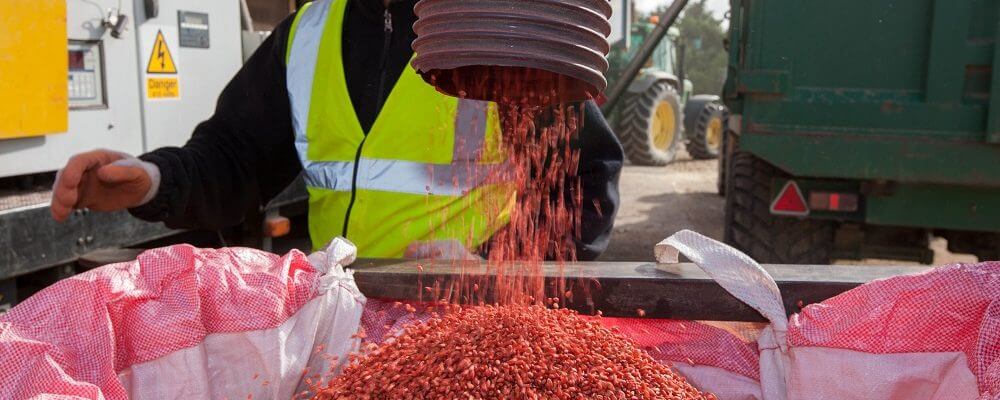
A new study raises questions about the effectiveness of the two most popular types of agricultural pesticides, noting overreliance on the chemicals causes environmental harm while doing little to boost crop yields.
Field rotation, planting naturally resistant varieties and crop insurance are more effective than neonicotinoids and fipronil at defeating bugs, which quickly develop resistance to the pesticides, a study by the Task Force on Systemic Pesticides says.
“We were surprised to see the yields with neonicotinoids, the yields were not much higher,” said Jean-Marc Bonmatin, an author of the paper published in the scientific journal Environmental Science and Pollution Research. “The overwhelming evidence of negative effects on pollinators and arthropods needs to be weighed against the pest control benefits these systemic insecticides are supposed to produce.”
…
The new paper, which reviewed more than 200 studies on the topic, found use of the pesticides had little effect on crop yields because, in most cases, the threat to crops from wireworms and other pests was not high enough to justify the expense. Further, the pests quickly developed resistance to the chemicals.
“It doesn’t work now; this is a very important point,” Bonmatin said…. “The more you use insecticides, the more the pests become resistant.”
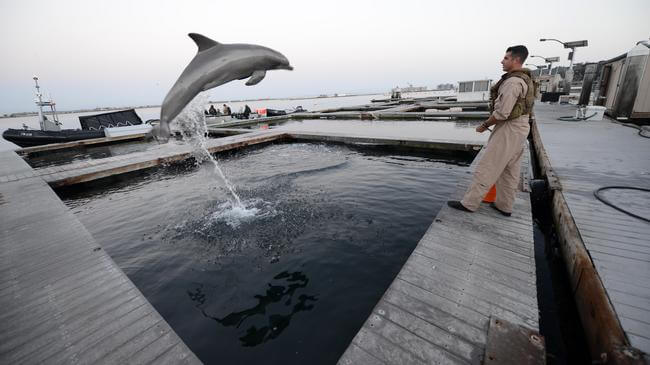
The US military wants to enlist fish and other sea life to help it track enemy submarines at sea. The Persistent Aquatic Living Sensors program could also modify existing species to make them better underwater spies, an effort that would face stiff opposition from environmental groups.
…
The idea is that marine life—everything from bacteria to plankton and corals to fish and mammals—senses and in some way reacts to the presence of nearby ships. To DARPA, those reactions represent valuable data. “The program simply plans to observe the natural, unique behaviors of marine organisms in the presence of targets of interest, and to process those data to provide an alert,” Jared Adams, a DARPA spokesperson, told me via email.
If the military can develop a system for detecting ocean life’s reactions to passing vessels, it could in theory monitor all the world’s oceans for enemy activity—and do so more cheaply and effectively than with purely manmade sensors.
…
DARPA proposes to modify some species in order to optimize their senses for detecting manmade objects. The resulting breeds would essentially be genetically-modified organisms and could disrupt or even collapse existing ecosystems.
…
For now, DARPA is moving forward with its effort to enlist sea life. The agency has announced a meeting in Virginia on March 2 for interested researchers.
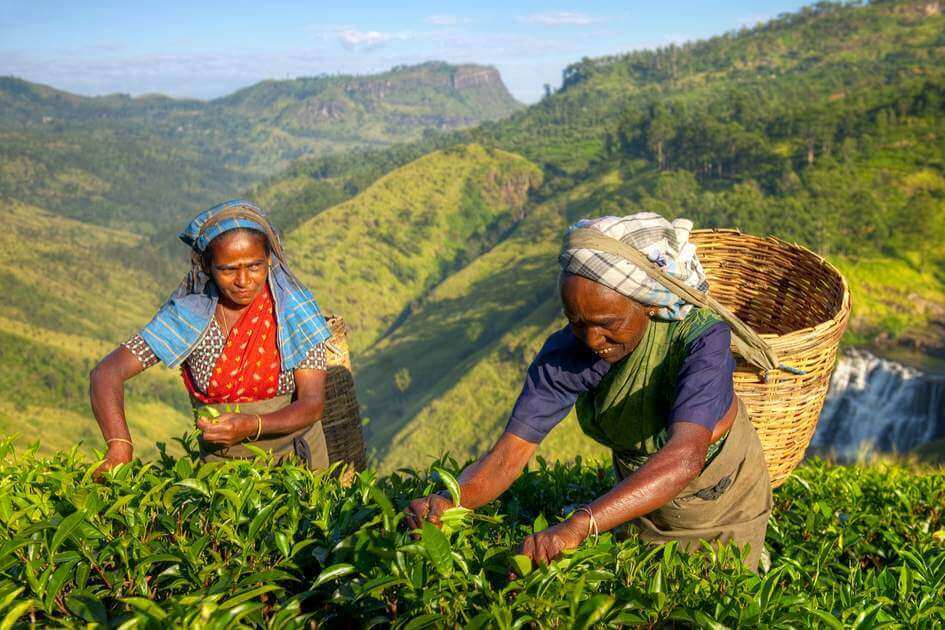
In its first reform act after the humiliating defeat it suffered in the local bodies elections held on February 10, the National Unity Government (NUG) [of Sri Lanka] led by President Maithripala Sirisena and Prime Minister Ranil Wickremesinghe, has temporarily lifted the ban on the use of glyphosate by the tea and rubber plantations in the country.
…
The decision was taken at the last meeting of the National Economic Council (NEC) held [in Colombo, Sri Lanka] on February 21.
The ban had been imposed at the instance of an environmentalist friend of the President’s. But it badly hurt the tea and rubber plantations which are leading contributors to the foreign exchange kitty of the country.
The planters’ protests went unheeded until the local bodies’ election results came out to show that the NUG was unpopular across the board.
NUG has now decided to allow the use of glyphosate for tea and rubber cultivation lands and suggested formulation of a new policy after thoroughly examining the pros and cons.
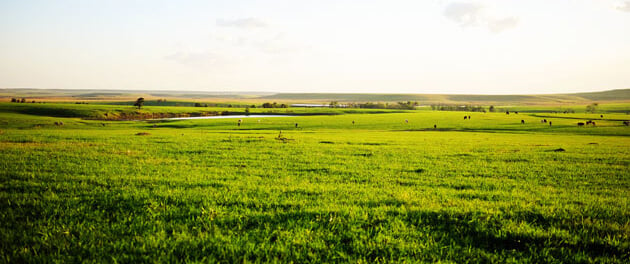
When you look at livestock through the lens of environmental sustainability, one of the biggest drawbacks is the sheer volume of grass these animals eat before finding their way onto our dinner plates.
In a world with unlimited grazing land, this might not be such a bad thing. But on a planet with finite land resources, this need for grass creates a stumbling block in our efforts to meet an ever-growing demand for meat.
But what if we could figure out a way to help cows and other animals get more out of the grass they eat? Recent research suggests we may be headed that direction, with scientists discovering a gene which can be turned down to make grass more digestible – and more efficient.
Grasses owe their evolutionary success partly to sturdy cell walls that make them difficult to digest. This deters many herbivores, and poses problems even for those animals which are adapted to eat it. Unlike humans, cows and sheep have stomachs that allow them to graze on grass. Still, they can’t release all of the grass’s energy. Much of a plant’s calorific value is tied up in a robust cell wall, making it inaccessible to livestock.
More digestible grass would make it possible to raise cows on smaller pastures, reducing the pressure put on the land by beef and dairy production. It also has the potential to boost bioenergy efforts. Crops such as maize, sugarcane and rice have those same robust cell walls, and this makes them difficult to process into biofuels.
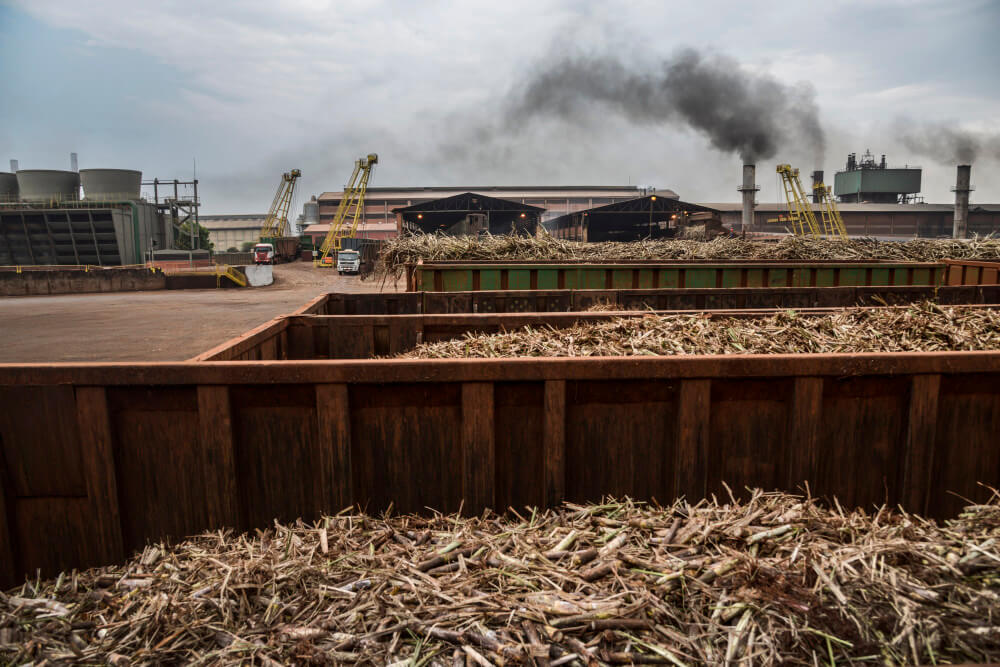
Trailers filled with sugarcane sit at Biosev SAs Santa Elisa mill in Sertaozinho, Brazil, in 2015, ready to be converted to ethanol. | Paulo Fridman/Bloomberg
The parts of the sugarcane plant which aren’t made into sugar are a perfect source of fuel, yet it takes large amounts of energy to turn them into bioethanol. They already are used in Brazil, where they’re given a high energy “pre-treatment” followed by treatment with enzymes to release sugars from the cell walls. These sugars are then fermented to make bioethanol. In theory, more digestible biomass should lower the amount of energy and enzymes needed, making bioethanol production both cheaper and more environmentally friendly.
Previous efforts to find more digestible grasses have generally had little success. Sometimes the methods have been quite simple, such as screening plants to identify those with high digestibility. Others have worked on suppressing genes. One crop has been brought to market, brown-midrib maize, in which a natural mutation decreases lignin production. It attracts a premium in the US as an animal feed, but the mutation has the side-effect of reduced yield.
New research findings
The new research, released recently in New Phytologist, identifies a key gene involved in the stiffening of grass cell walls, and demonstrates that suppressing it can increase the release of sugars, making the grass more digestible.
Scientists have known for a long time that ferulic acid contributes to strong grass cell walls. This small molecule creates cross-links in the cell wall, making them stronger. It has been hard to identify the gene responsible for adding ferulic acid to the cell walls, which encodes an enzyme, although a collaboration between researchers in the UK, Brazil and the US has now had success. The project was led by Dr. Rowan Mitchell from Rothamsted Research in the UK and Dr. Hugo Molinari at the Laboratory of Genetics and Biotechnology at Embrapa Agroenergy, part of the Brazilian Agricultural Research Corporation (Embrapa).
Mitchell first identified a possible gene in 2007. He compared the fully sequenced genomes of rice, a grass and Arabidopsis, a non-grass commonly used as a model organism in the lab. By looking for a gene that was highly expressed in grasses but not in non-grasses, and judging that it was the right type of gene based on the sequence of the protein it encodes, he came up with a likely candidate.
Demonstrating its role in the lab, however, has proved difficult. In the 10 years since the discovery, the team has tried various approaches, and were finally successful using RNA interference (RNAi). Using genetic modification techniques, they added a gene which suppresses the target gene to around 20 percent of normal activity.
This increased the release of sugars by up to 60 percent and makes it a promising target for improving grass crops for both bioenergy and animal feed.
Steps towards commercialization
The new results come from a model grass species that’s easy to work with in the lab. The next step is transferring the gene to crops which could be used for feed or biofuel. The possible targets include sugarcane, maize, rice and various pasture grasses. There are some scientific challenges to overcome.
In the current study, the suppression had no obvious effect on the plants’ biomass production or appearance. There were, however, some unwanted changes. For example, the seeds were smaller. This isn’t surprising given the importance of ferulic acid in the cell wall, but side effects such as these need to be overcome. Seed size may not be so important for pasture grass, but for crops where the seeds become food it would be unacceptable to growers. The problem of small seeds could possibly be overcome by ensuring the transgene is only expressed in the leaves and stems. This is more complex, particularly if non-GM approaches are tried.
Challenges will also come if more genes are involved in the process in other species. The current study’s results came from Setaria, a grass which is used as a model organism in the laboratory. The work was also done in a second model species, with less striking results, possibly because there are other genes with the same function which haven’t been supressed.
The Brazilian team at Embrapa Agroenergy already has transferred the gene to sugarcane, and they anticipate the first product to reach the market from this project will be a GM sugarcane variety. However, the difficulties of using genetic modification techniques on certain species means that GM approaches won’t be suitable for all crops. Combined with the negative reaction to GM in many countries, this has prompted the team to look for alternative approaches.
They plan to search for natural variants of the gene in tropical forage grasses by looking at gene sequences. This would allow them to introduce these genes by cross-breeding with the tropical grasses with pasture grasses. However, it is likely that a more complex solution will be needed. There next step is to modify the gene using CRISPR gene editing technology, although we don’t yet know whether or not this will be regulated as GM in some parts of the world, particularly the EU.
The journey towards commercialisation may be a long one. The researchers will need to confirm the crops are more digestible and overcome any negative effects on the plant. If it is successful though, there is a significant potential market for the economic and environmental benefit the crops could bring.
Rebecca Nesbit is the author of Is that Fish in your Tomato? a popular science book covering the fact and fiction of genetically modified food. You can follow her on Twitter as @RebeccaNesbit.
Around 34,000 years ago, hunter-gatherers who roamed the Russian plains started to bury their dead at the site of Sunghir, about 200 kilometers east of what is today Moscow.
…
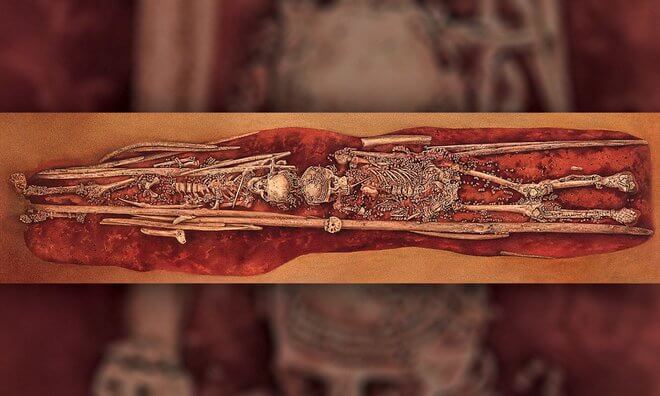
[T]he site has never ceased to fascinate archaeologists. The mortuary site contains extremely elaborate burials of an adult male covered in beads and ochre (a red clay earth pigment), and a juvenile and an adolescent, approximately 10 and 12 years old, buried head to head.
…
Exploring this complexity and the diverse ways with which these ancient people seemed to have thought about and treated their dead at Sunghir could open a new window into the complex social world of some of the first Homo sapiens in Europe.
…
These analyses have led the authors to conclude that at least three different forms of burials were practiced at Sunghir.
…
The contrast between lavish burials and isolated skeletal elements at the site also suggests that there was some kind of differentiation between individuals during their lifetimes that was then reflected in death. Although it is not clear what the social structure of these people looked like or how it was determined, the evidence at Sunghir suggests that individuals didn’t necessarily acquire a status through their actions. Something else may have determined their position within their communities and how they were eventually treated in death.
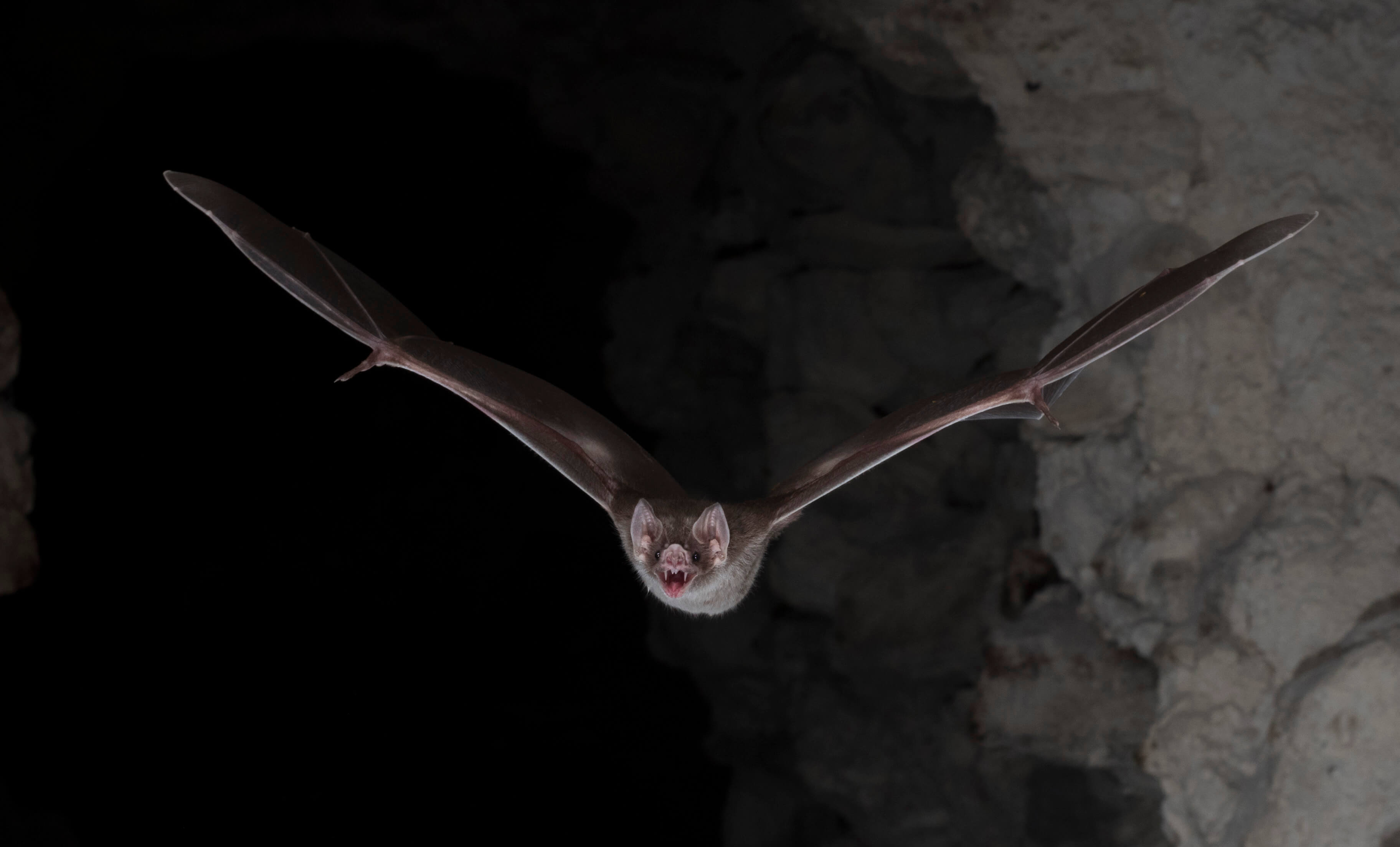
Why do the three species of vampire bats eat only blood, compared to the 1,240 other species that are perfectly happy to eat such things as figs, bananas, birds, fish, frogs and even other bats? Many bats thrive on beetles, moths and mosquitoes. A single brown bat zooming across a backyard on a summer’s eve can eat 500 mosquitoes in an hour.
Types of vampire bats
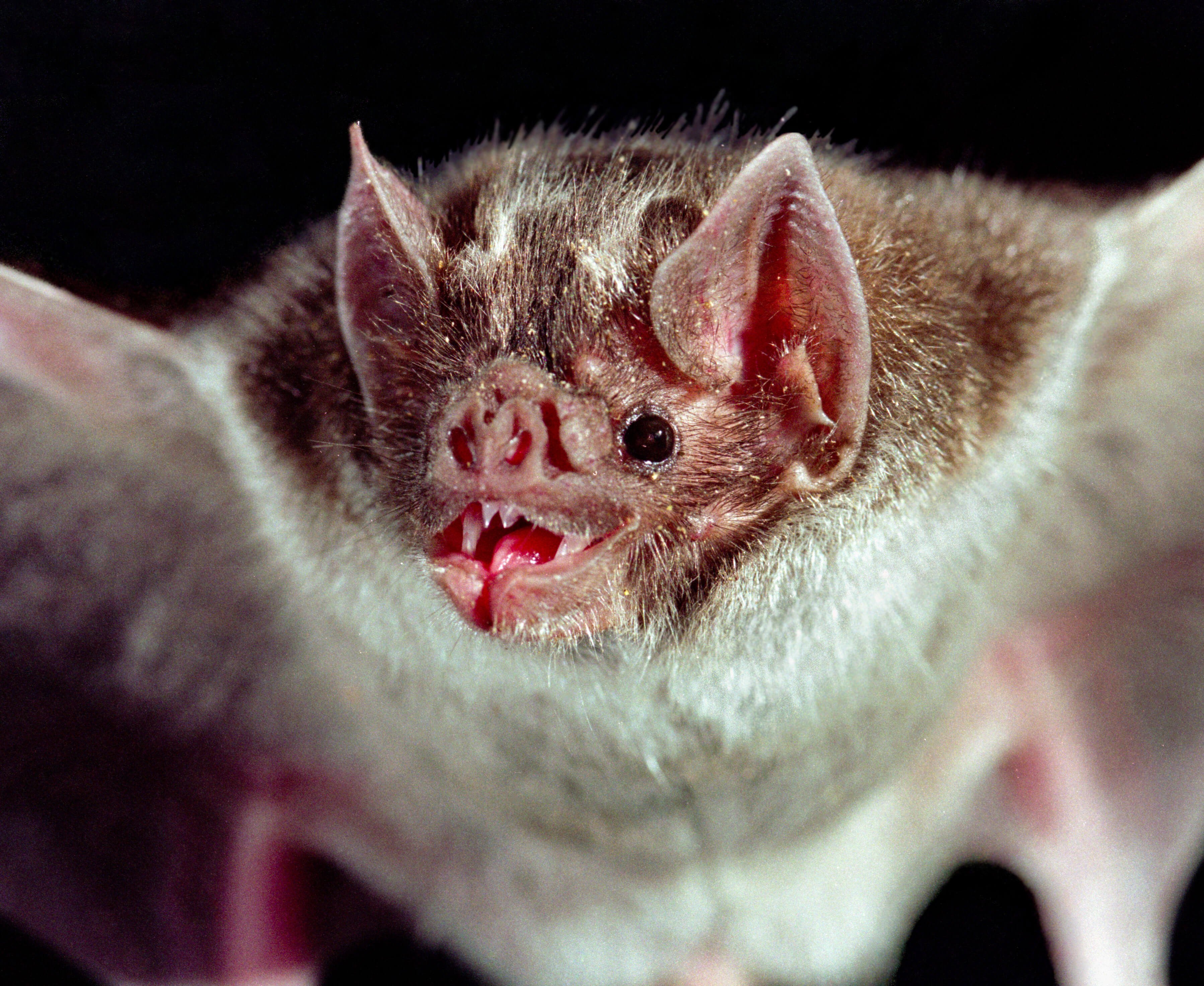
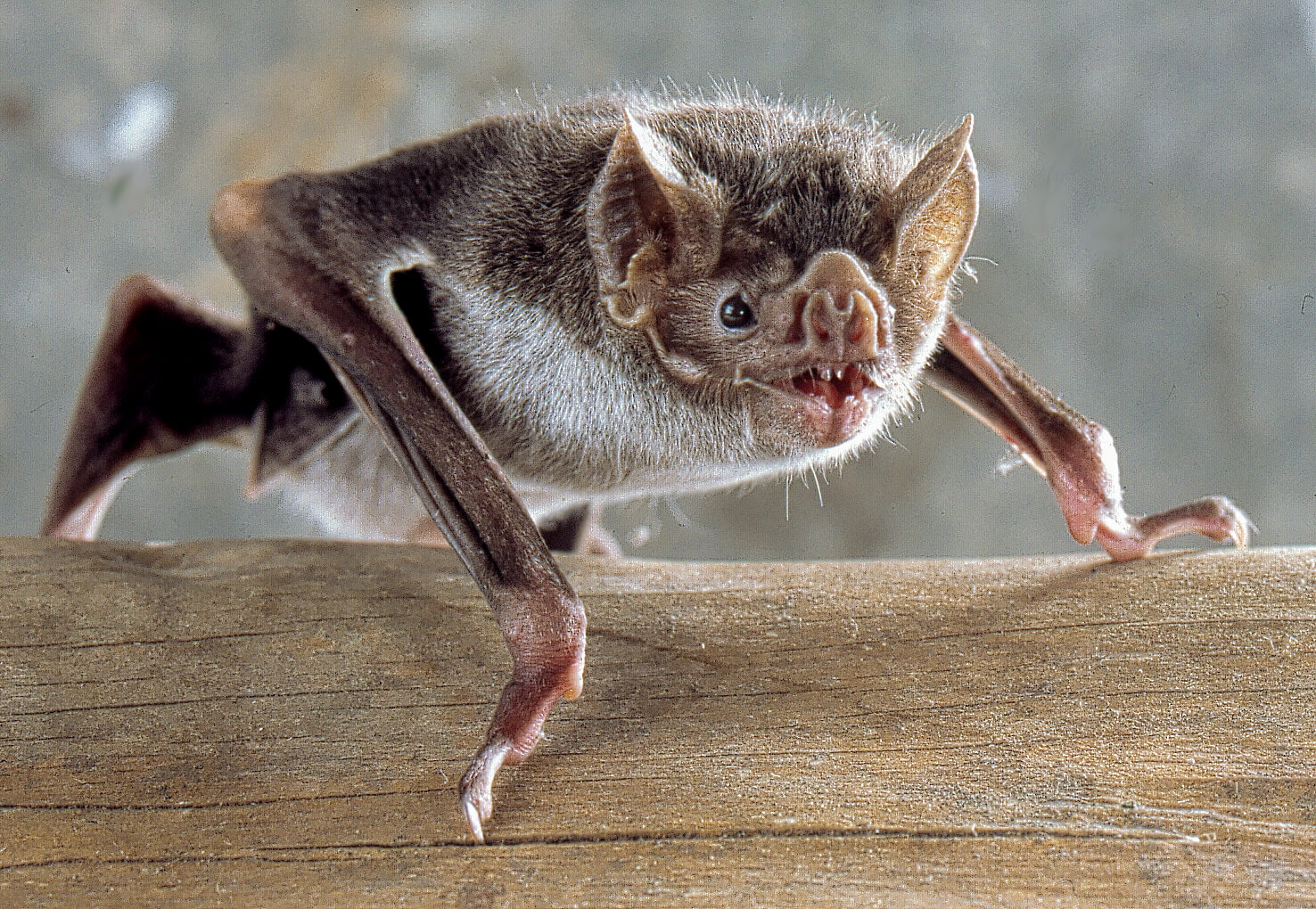
A common vampire bat (Brock Fenton)
The three species of vampire bats descended with other bats from a shared ancestor some 26 million years ago. Four million years later — fast in evolutionary time — the three species had refined the ability to survive by drinking blood.
Vampire bats are so stealthy, and their cuts so tiny, that it isn’t uncommon for prey to sleep through the feeding. They live from southern Argentina to northern Mexico, but may venture near Texas and Florida as the climate changes. Fossils indicate they lived in the US 5,000 to 30,000 years ago.
The hairy-legged bat, the oldest vampire, eats only bird blood. The white-winged bat likes goat blood and that of the occasional snoozing chicken. The third species, the common vampire bat Desmodus rotundus, prefers cows, sheep and horses, with an occasional human. It makes its debut in the new issue of Nature Ecology & Evolution. Marie Zepeda Mendoza of the Centre for GeoGenetics, Natural History Museum of Denmark, University of Copenhagen, and colleagues there and in China, Germany, the UK, the US, Mexico and Australia, reveal both the genome and the “fecal metagenome” (DNA from microbes) of the common vampire bat. The poop bacteria stand in for the gut microbiome.
It turns out that DNA tells a lot about the hematophagy (eating blood) behavior of the sanguivor (one who eats blood).
Eating only blood doesn’t seem to make much sense. Blood is about 78 percent liquid — straining bat kidneys — and the rest is mostly proteins (also straining the kidneys) and only about 1 percent carbohydrates. Vitamins are lacking. And drinking blood exposes bats to hundreds of pathogens.
So why do they do it? Because blood is an abundant food source, while the other bats are feasting on their fruit salads and bugs?
Genome and microbiome DNA sequences can explain the (to us) peculiar tastes and behaviors of the common vampire bat.
How bats drink blood
A common vampire bat executes a choreography of sorts in finding food. The animals not only fly, but can walk, jump and run. So they tend to creep up on sleeping victims.
Draculin
Collections of neurons in the vampire bat’s brain detect the steady breathing of a nearby sleeping mammal, as thermoreceptors in the bats’ noses and infrared sensors elsewhere in their brains, like in snakes, enable them to quickly locate the warmest blood vessels of the slumbering meal. Alighting on the victim, suddenly, the bat deploys its sharp front teeth to make a small cut in the skin, injecting an anticoagulant called draculin and other biochemicals that dilate the prey’s blood vessels. The bat then leisurely sips at the blood pool from an unwitting horse or cow – no need to suck – for up to a half hour. Alas a drug candidate based on draculin didn’t make it to market.
A vampire bat needs about 2 teaspoons of blood a day, and that might balloon their two-ounce bodies for about two hours. Because of their high metabolic rate, though, they can’t go more than 2 days without eating. But not to worry. They’re social creatures and if an individual can’t find food, a neighbor will likely share some, via barf. They live in colonies of 100 to 1000 or so bats, and groom each other too.
Their kidneys are fine-tuned to quickly send out the fluid from the blood while dismantling the proteins into amino acids and stripping off the nitrogens. The droppings reek of ammonia.
Genome information explains adaptations
Biologists knew of the vampire bat’s behaviors from fieldwork. But analysis of the “hologenome” – the bat’s genome plus the genes of the microbes that live in and on it – revealed how the adaptations for the unusual lifestyle arise. Let me count the ways. First, the 2-billion-base bat genome introduces:
Jumping genes. The common vampire bat has the same size genome as other bats, but twice as many so-called jumping genes (aka transposable elements or transposons). These small parts of chromosomes move, like planes landing in different cities. The bat’s transposons preferentially alight in genes that control vitamin and lipid metabolism and the immune response against pathogenic viruses and bacteria. Pretty helpful when one eats only blood.
A gene, which encodes the TRPV1 receptor (aka the capsaicin or vanilloid receptor), is alternately spliced, which means that different parts of the gene are represented in the encoded protein, compared to the same gene in other types of bats. The unusual receptor dampens bitter and sweet taste sensations, perhaps explaining why vampire bats don’t crave fruits and berries like many other bats.
Extra genes. The vampire bat genome has extra copies of genes that encode proteins that store iron, which is abundant in blood.
Positive natural selection of individual helpful bat genes. Specific genes common to all bats, but that have slightly different DNA sequences in the common vampire bat that alter the encoded protein, indicate a new trait or skill. The vampire bat’s version of the gene LAMTOR5 helps it survive starvation, while its variant of the gene PD2D11 helps conserve B vitamins. Yet another uniquely-vampire-bat gene variant allows the animals, which can’t store energy for very long, to make the most of the sparse fat and sugars in their diet.
The 3 billion or so bases in the vampire bat’s microbiome, probed in its droppings, introduce:
Extra genes that tear apart amino acids and degrade urea, helping the bat dispose of nitrogen.
Bacterial enzymes that manufacture carotenoids, vitamins that the bat misses from not eating plants.
Bacteria that protect against pathogenic bacteria in blood. And vampire bat guts harbor 280 types of pathogens not seen in other bats.
Why should we care about the vampire bat hologenome?
The story of the common vampire bat beautifully illustrates how considering genomes as well as the genes in microbiomes can explain animal evolution and behavior. The new view of the hologenome is also beginning to inform and impact human health care, in specific and eclectic ways.
Recent reports cover the role of the human microbiome in multiple sclerosis; in severe diarrhea in 40 percent of patients given a frontline drug for colorectal cancer; and in whether men exposed to HIV will become infected, depending upon a particular penile microbiome that can make a man 10 times as susceptible.
(NHGRI)
Many of us take probiotics to maintain digestive health, which are bacteria that alter our gut microbiomes. And the just-released revamped guidelines on fecal microbiota transplants (FMT) indicate that they will play an increased role in combatting Clostridium difficile infection, which is typically hospital-acquired and causes horrific diarrhea. FMT is 70 percent to 80 percent effective in treating the infection, compared to 45 percent to 50 percent for antibiotics.
It’s weird to think about our bodies as ecosystems, but doing so will be to our benefit – as it has been for the common vampire bat.
Ricki Lewis has a PhD in genetics and is a genetics counselor, science writer and author of The Forever Fix: Gene Therapy and the Boy Who Saved It, the only popular book about gene therapy . Follow her at her website or Twitter @rickilewis.
Genetic diversity or lack thereof can have real consequences for our diets, and more importantly, for our health.
…
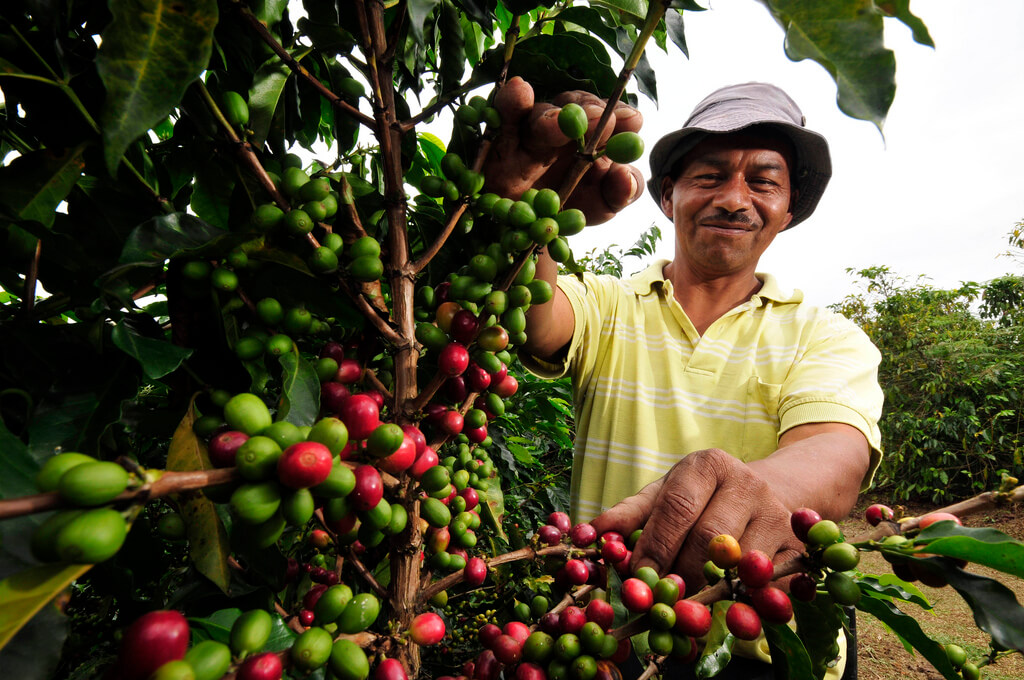
The concern is that the arabica coffee (Cofea arabica), the darling of aficianados, is being threatened by a rust, which is a type of fungus. In 2008 it wiped out 40 percent of Colombia’s coffee crop. The problem is that “Cultivated arabica plants have a genetic diversity of just 1.2%, compared with more than 20% for crops such as rice and soy, making it less able to adapt to changing conditions.” How to deal with this (besides switching to tea, that is)? Suggested answers include raising healthier trees by amending the soil, devising more effective fungicides, and cross-breeding to incorporate resistance genes from wild relatives. These solutions could certainly help, but would take a fair amount of time to be effective. Enter genetic engineering — why not isolate and incorporate those same resistance genes from wild relatives into the arabica genome? It certainly would be faster than cross-breeding, and wouldn’t require the development of new pesticides.
…
Whatever the reasons, lack of genetic diversity in plants, animals and humans is an issue that can be dealt with, at least in theory, by genetic engineering. We should be accelerating research into how best to utilize this powerful technology to address such problems.
A new computational method has connected several target genes to autism, according to new research. The findings, along with other recent discoveries, could lead to screening tools for young children—and help doctors choose the best intervention when making a diagnosis.
…
“In this study we started with more than 2,591 families who had only one child with autism and neither the parents nor the siblings had been diagnosed with autism,” says Chi-Ren Shyu, professor of electrical engineering and computer science at the University of Missouri and director of the Informatics Institute.
…
Using advanced computational techniques, Shyu and colleagues were able to identify 286 genes they then collected into 12 subgroups that exhibited commonly seen characteristics of children on the spectrum. Of these genes, 193 potentially new genes not found in previous autism studies were discovered.
…
“The methods developed by Dr. Shyu and the results our team identified are giving geneticists a wealth of targets we’d not considered before—by narrowing down the genetic markers, we may be able to develop clinical programs and methods that can help diagnose and treat the disease. These results are a quantum leap forward in the study of the genetic causes of autism,” [said professor Judith Miles].
The Food and Drug Administration (FDA) recently approved a blood test that may revolutionize the diagnosis of [traumatic brain injury]. It’s called the Brain Trauma Indicator and is marketed by Banyan Biomarkers Inc.
…
The Brain Trauma Indicator blood test measures the levels of two proteins, UCH-L1 and GFAP. Upon brain injury, these proteins are released from the brain into the blood. If found at elevated levels, brain damage with intracranial lesions, normally otherwise only visible on a CT scan, is suggested.
The blood test can be done immediately, with results coming back in a few hours, allowing for health care professionals to send those patients who are blood test positive to the CT scan to confirm and gather more information on the damage.
…
To give approval, FDA used data from a clinical study of 1,947 individual blood samples from adults with suspected TBI and compared blood test results with CT scan results. How did the blood test perform? It was able to predict the presence of intracranial lesions on a CT scan 97.5 percent of the time and those who did not have intracranial lesions on a CT scan 99.6 percent of the time.
…
This test was developed in collaboration with the US Department of Defense and will be incredibly useful both for civilians in the United States and for the military overseas.
Gene editing technology – CRISPR is the best-known example – would be freed from government regulation under a proposal by Australia’s Office of Gene Technology Regulator. After a 12-month technical review of the country’s broad definition of genetic modification, regulator Raj Bhula said gene editing is a faster version of classic breeding practices.
“If these technologies lead to outcomes no different to the processes people have been using for thousands of years, then there is no need to regulate them because of their safe history of use,” she told the Australian Broadcasting Corp. Her proposal needs parliamentary approval to take effect. Australia’s biotech regulations date from 2000, when scientists used what is now called classical genetic modification to insert genetic material from one species into another. “Whereas, this process (gene editing) is just manipulation within the organism and not introducing anything foreign,” said Bhula.
Some scientists see gene editing as a way for speedy agricultural adaptation to climate change and to keep up with global population growth.
[T]hose who advocate swadeshi tend to forget that the Bt seeds patented by Monsanto were responsible for doubling the yield of cotton per hectare. They also tend to forget the fact that none of the Indian research institutes or desi universities could come up with a gene like CRY 1AC that could help tackle pests like Monsanto Bollgard.
…
Forcing Monsanto to close its cotton business has serious consequences. We have sent a wrong signal to the international business community. We have put the fate of cotton farming and thereby the cotton value chain in jeopardy. For the 2018-19 season, cotton farmers in India will not get Bt seeds that will tackle bollworms. They will be forced to use old Bt seeds or unapproved, unauthorised seeds sold at a premium.
…
Cotton farming is very important for our country as its value chain, namely textiles, provides employment to the highest number of people in the country. … Therefore, the central government must let cotton farmers have access to the latest technologies. Government should also make policy changes to make our textile products competitive in global markets. Asking Monsanto to come back and approving its latest seed technology would be the first step in right direction.
Many consumer DNA testing companies have pledged to cut through the dieting din with personalized advice. Different diets work for different people, and, the thinking goes, our genetics might provide useful insight into what might work for each of us.
But, according to a new study published [February 20] in the Journal of the American Medical Association, the secrets to dieting success are not encrypted in our genetic code. Or at least, that code has yet to be decrypted in any way that is useful to dieters.
Scientists at Stanford worked with 609 overweight adults, randomly assigning them a healthy low-fat or healthy low-carbohydrate diet, then checking in after a year. The researchers looked at biological factors such as genetics and insulin secretion levels, hunting for clues as to how those factors influenced how much weight trial participants were able to shed. The result? A person’s genetic makeup didn’t seem to influence how much weight they lost, no matter the diet. Neither diet seemed to make much difference, either. Nor did levels of insulin secretion.
…
More than 150 genetic variants associated with weight have been identified. A much smaller number of genes have been associated with body weight change. A better understanding of those genes and how they interact to help us regulate our weight is probably necessary before doctors can dole out DNA-tailored diets.
Food scientists and startups are trying to make meat more ethically appealing by growing it — cell by cell — in a lab instead of on a farm. Even some vegans support so-called “clean” meat. But can lab grown meat overcome the dreaded “yuck factor?”
Read full, original post: Lab-Grown Meat is Coming, Whether You Like it or Not
[A] new report by more than 20 researchers from the Universities of Oxford and Cambridge, OpenAI, and the Electronic Frontier Foundation warns that [artificial intelligence] creates new opportunities for criminals, political operatives, and oppressive governments—so much so that some AI research may need to be kept secret.
Included in the report, The Malicious Use of Artificial Intelligence: Forecasting, Prevention, and Mitigation, are [..] dystopian vignettes involving artificial intelligence that seem taken straight out of the Netflix science fiction show Black Mirror.
…
large-scale scam operations that identify potential victims online by the truckload, using AI to spot people with wealth
convincing news reports made up of authentic-looking but entirely fake AI-generated video and pictures
attacks by swarms of drones that a single person controls, using an AI to manage large numbers of semi-autonomous machines
systems that automate the drudge work of criminality—for example, negotiating ransom payments with people after infecting their computers with malware—to enable scams at scale
The study is less sure of how to counter such threats. It recommends more research and debate on the risks of AI and suggests that AI researchers need a strong code of ethics. But it also says they should explore ways of restricting potentially dangerous information, in the way that research into other “dual use” technologies with weapons potential is sometimes controlled.