Biodiversity is more than just beauty: ‘It is the very apparatus that holds us steady’

idea sized neal herbert c b b o
A small boy hauls enthusiastically on his fishing rod. The line flies up and a needle-spined fish strikes him in the eye. Desperate to stay outdoors, he ignores the pain, but his sight deteriorates over the following months. He continues to pursue his love of nature but, now blind in one eye, he is confined to studying creatures that are easy to see: insects. He grows to become the global authority on ants, and in later life is given the moniker ‘the father of biodiversity’.

The man is E O Wilson, the eminent American biologist. In his book The Diversity of Life (1992), he described biodiversity as an assemblage that ‘has eaten the storms – folded them into its genes – and created the world that created us. It holds the world steady.’ We tend to think of biodiversity as a landscape of teeming jungles and coral reefs, its destruction manifesting as forest clearance and species extinction. However, these images don’t capture the full significance of the equilibrium that Wilson described. Biodiversity is not just the abundance of life on Earth. Rather, it is what maintains the resilience and flexibility of the environment as a whole, so that life can weather the inevitable ‘storms’.

The global Convention on Biological Diversity defines its subject as variability among living organisms at three different levels: within species, between species, and of ecosystems. The first diversity, ‘within species’, is at the level of the gene. A species is made up of individuals. For example, the 10,000 or so species of ant are estimated to comprise a staggering 1015 individuals. (That’s 1 followed by 15 zeroes!) With the rare exception of twins, each of these individuals will have their own unique combination of genes. If we destroy half of the ants in each species, we will still have 10,000 kinds of ant, but we’ll have lost 50 per cent of each species’ genetic diversity. In recent history, many species have been reduced to far smaller numbers. Pre-Columbus, 25 million bison roamed the plains of North America, but by the late 1880s fewer than 100 remained in the wild. Although conservation interventions have since increased bison numbers to the hundreds of thousands, the genetic diversity that was lost can never be recovered.

biodiversity 1 19 18 2

We can think about the value of genetic diversity using examples from our own species. Humans have different alleles or gene variants for eye colour, hair curliness, muscle tone and so forth. These alleles can be advantageous in one environment but not in another. In cloudy northern climes, pale skin is good for increasing the uptake of vitamin D, but in sunny regions it’s disadvantageous, as it makes people prone to sunburn and skin cancer. Efficient fat storage will increase your survival on an island where the food supply is unpredictable, but it can be a fast-track to Type-2 diabetes if you follow a sugar-loaded Western diet. A wide genetic diversity gives us more options in the face of rapid environmental change, whether that change is due to climatic conditions, a new disease or an invasive species.

The second layer is diversity ‘between species’. This is the definition of biodiversity with which we are most familiar – the fantastic assortment of animals, plants and micro-organisms in the world. Of the 9 million or more estimated total species on Earth, we’ve described about 1.7 million. We have a good knowledge of birds and mammals, and have documented about 70 percent of plants. By contrast, a trawl of the deep sea can yield around 90 percent of unknown species. Species are not evenly distributed across the world. There are multiple hypotheses for what lies behind this trend, but the pattern is clear: species richness increases from the poles to the equator.

Lastly, we have ‘diversity of ecosystems’. Species interact with each other and with the sunlight, air, soil and water to form ecosystems. From the arctic tundra to tropical rainforest, from estuaries to the midnight zones of the deep sea, the Earth houses a wealth of ecosystems. Delineating these zones is not always straightforward. An ecosystem might be as large as the Great Barrier Reef or as small as the community of sponges, algae and worms hosted on a spider crab’s shell. While there is a clear division between a coastal forest and the sea below, there is no distinct point at which a forest ends and a savannah begins.

The species within an ecosystem compete with each other for resources such as light and food – but they also rely on each other. Of the world’s flowering plants, 87 per cent are pollinated by animals, and coral reefs provide shelter for 25 per cent of our marine life. Bacteria recycle dead matter into nitrates, the only compounds from which plants can build proteins. Ecosystems provide ‘services’ that support life both within and beyond the ecosystem. Humans could not live without these services, which include clean air, drinking water, decomposition of wastes, and the pollination of food plants.

One intriguing natural phenomenon is that, in any given ecosystem, a few species will be very numerous, but most will be quite scarce. That is, common species are rare, and rare species are common. Just as genetic diversity provides species with resilience to environmental change, species diversity increases the resilience of ecosystems. For example, there’s a rare species of yeast found in freshwater ecosystems in eastern Pennsylvania. In the presence of mercury contamination, the yeast short-circuits the metabolic pathway by which most species succumb to poisoning. It stores the quicksilver in a vacuole and later deposits it on a surface such as a rock. During this time, the yeast becomes very abundant, but the toxic environment reduces the abundance of other species. Once the yeast has cleaned up the mercury, however, environmental conditions no longer favour it; it declines in number, and those of other species rebound. In the right conditions, it seems likely that any rare species would be able to increase its abundance in an ecosystem. In this way, an ecosystem’s diversity might reflect what’s happened in its environmental past, and indicate its potential to adapt to future change.

The irony is that the word ‘biodiversity’ has currency mostly because humans are in the process of destroying what it refers to. The term was first used at the US National Research Council in 1985, while convening a forum to address concerns regarding biodiversity loss. Following the event, the philosopher Bryan Norton likened the Earth to a patient whose survival is dependent on a life-support machine. Hospital staff enter and announce that, in order to increase the hospital’s revenue, they will be selling a few components of the machine. ‘It’s got so many wires and screws, it can’t possibly need them all,’ they blithely assure the patient. Would you take that gamble? Biodiversity underpins life as we know it. It is the very apparatus that holds us steady.Aeon counter – do not remove

Elizabeth Boakes is a research associate at the Centre for Biodiversity and Environment Research at University College London. Follower her on Twitter @BoakesE.

This article was originally published at Aeon as Biodiversity isn’t just pretty: it future-proofs our world and has been republished here with permission.

Quest to find ‘Olympic genes’ comes up short—so far

olympic

In 2014, the former Soviet nation of Uzbekistan announced a plan that it hoped would give it a leg up in future Olympic games: It would DNA test Uzbek children to determine their athletic potential.

Rustam Mukhamedov, a scientist at Uzbekistan’s Institute of Bioorganic Chemistry, had been studying the genes of champion Uzbek athletes for two years. And, he said at the time, his team was close to zeroing in on a set of 50 genes that could identify future Olympians.

The trouble is, in 2018, the answer to which of the many thousands of genes that make up the human genome make those elite athletes so strong and fast and powerful is still basically, well, a shrug.

[W]hile it’s not currently possible to use DNA to predict which sports you’re biologically suited for, or how to best nurse an injury, advancements in science could very well mean that DNA plays a role in how athletes train in the future.

Small studies have pinpointed genes that could make training and injury recovery more efficient. A mutation of the gene COL1A1, which assists in collagen production, for example, seems to result in a decreased risk of ACL rupture among athletes.

No research on those 50 champion athlete genes has ever been published. And this Olympic season, Uzbekistan only has two athletes competing. So far, neither of them have won any medals.

Read full, original post: The Search For The Olympian Gene

CAR-T cell therapy could drive a ‘revolution’ in cancer treatments

car t
[T]he United States Food and Drug Administration (FDA) made the landmark decision to approve two ‘drugs’ that use CAR-T cell therapy – the injection of engineered immune cells into patients – to treat blood cancers. First, in August 2017 it approved Kymriah, a treatment developed by drug company Novartis for acute lymphoblastic leukemia (ALL) in children and young adults. Then in October 2017 it licensed Yescarta, a Gilead Sciences drug for adult diffuse large B-cell lymphoma.

The FDA’s decision heralds a new era of personalised cancer treatment. By using the patient’s own cells, CAR-T cell therapy makes it unlikely that tissue will be rejected. Additionally, the one-off infusion gets around the problem of multiple treatment rounds that characterise other cancer drugs, like chemotherapy. There are fewer side effects, and researchers have also proved its longevity: results from a clinical trial of Kymriah released in February show that 76 per cent of the cancer patients survived for a year or more, something unheard of with other treatments.

[Immunotherapist Bruce] Levine predicts that the next FDA approvals will be for myeloma, a bone marrow cancer for which therapy development is currently underway. Next up will be tumour-based cancers.

[T]o reach more people, it undoubtedly needs to get cheaper. Levine thinks that as more gene therapies are developed, it should drive a revolution in the way we manufacture these drugs.

Read full, original post: Gene-modification is the next frontier in the fight against cancer

Federal judge halts California’s plan to require cancer warning label on glyphosate products

b ff a

A federal judge on Monday halted California’s plan to require Monsanto to place warning labels on its Roundup products, saying scientists haven’t shown a clear connection between glyphosate and cancer.

U.S. District Judge William Shubb sided with the St. Louis-based chemical giant in its First Amendment lawsuit, ruling that warning labels, which would have been required as of July, could confuse and mislead customers.

“The required warning for glyphosate does not appear to be factually accurate and uncontroversial because it conveys the message that glyphosate’s carcinogenicity is an undisputed fact, when almost all other regulators have concluded that there is insufficient evidence that it causes cancer,” the ruling issued late Monday states.

California’s decision to list glyphosate under Proposition 65 was spurred by the International Agency for Research on Cancer’s 2015 conclusion that the chemical was a “probable” human carcinogen.

But Shubb said the state regulator overly-relied on the IARC and ignored studies from the U.S. Environmental Protection Agency and the World Health Organization among others that conclude there is “insufficient evidence” that the active ingredient in Monsanto’s popular weed killer causes cancer.

While he froze the warning label requirement, Shubb said California can continue listing glyphosate as a chemical known to cause cancer in its health and safety codes.

Read full, original post: Judge: Monsanto Not Required to Place Warning Labels on Products

DNA fortune telling: Genetic tests could determine disease destiny from birth

genetic testing shown by dna sample in front of screen showing code sequence

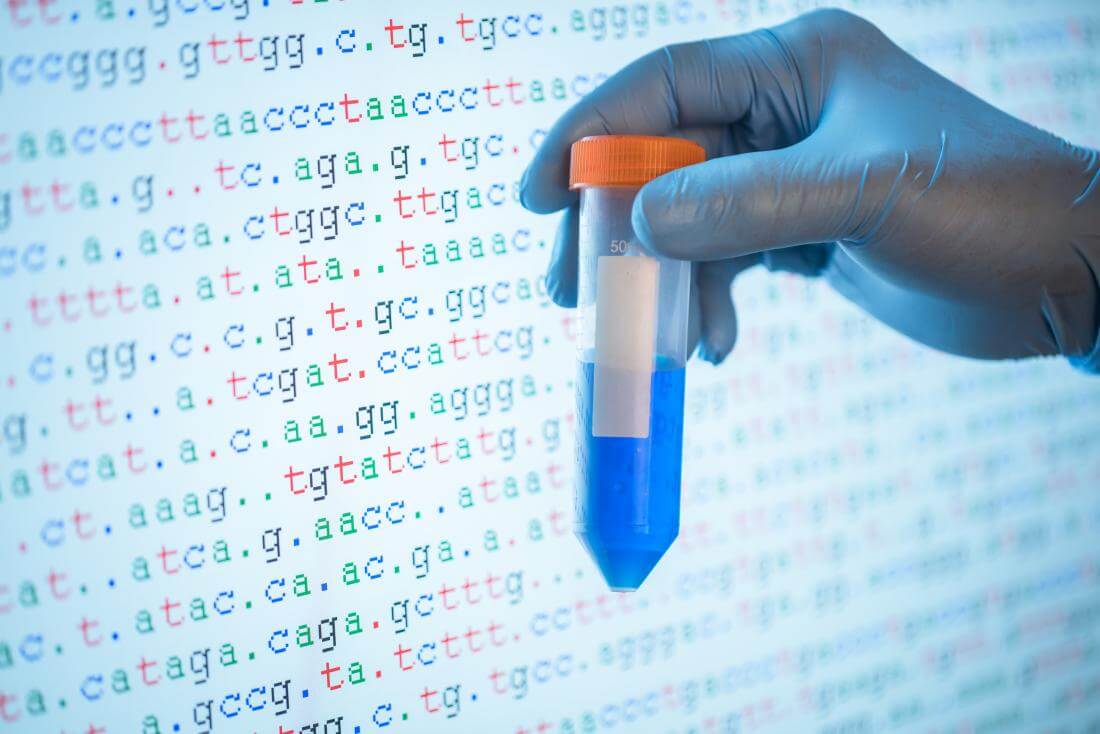
There’s never been data available on as many people’s genes as there is today. And that wealth of information is allowing researchers to guess at any person’s chance of getting common diseases like diabetes, arthritis, clogged arteries, and depression.

[Cardiologist Amit] Khera was constructing what is called a polygenic score—“poly” because his calculations involve thousands of genes, not just one.

Khera pointed to his screen. There, seven-digit numbers, each representing an anonymous DNA donor, appeared alongside their scores. The outliers had a risk four times the average.

“Where I see this going is that at a young age you’ll basically get a report card,” says Khera. “And it will say for these 10 diseases, here’s your score. You are in the 90th percentile for heart disease, 50th for breast cancer, and the lowest 10 percent for diabetes.” Such comprehensive report cards aren’t being given out yet, but the science to create them is here.

What’s powerful about DNA predictions is that they are measurable at any time of life, unlike most risk factors.

Dystopia, dubious medicine, or a breakthrough in prevention? Genomic prediction may well be all three. What is clear is that, with the data needed to create predictors becoming freely available online, 2018 will be a breakout year for DNA fortune-telling.

Read full, original post: Forecasts of genetic fate just got a lot more accurate

Is public fear of GMO food increasing?

common sense must rule gmo controversy

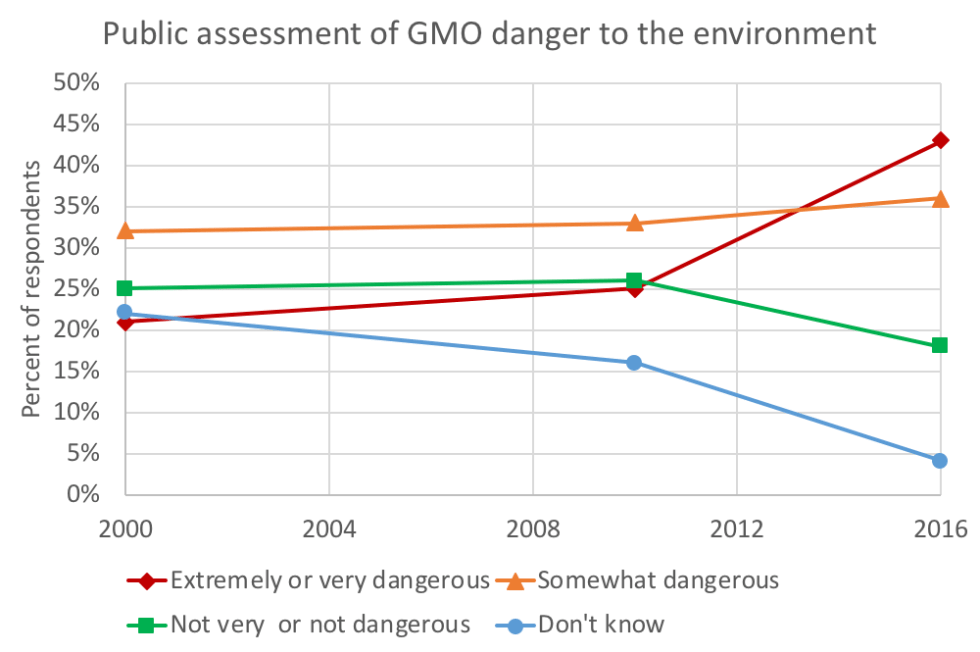
The National Science Foundation surveys a representative sample of Americans every two years. The General Social Survey asks about general attitudes about science in general and about specific science topics. For a quick overview of the highlights, see Everything Americans Know About Science in Seven Graphs by Sara Chodosh.

According to the NSF, “data suggest that concern about GE food is increasing”.

Screen Shot at PM

The results from 2016 are strikingly different from results in 2000 and 2010. The number of respondents who find GMOs dangerous shot up to 79% in 2016, while just 18% thought GMOs are not dangerous, and 4% said they did not know. People are becoming more certain in their fear, not a good sign.

Women were more fearful than men. Those with more science knowledge or higher levels of education are less fearful than those who have less knowledge or are less educated. Age was not a factor.

These results may not accurately describe how Americans feel about GMOs. If you ask people what are the top things they are concerned about when it comes to food, GMOs hardly make the list.

Selling fear is lucrative. It’s really hard to fundraise when your message is “food is pretty safe”. Multiple organizations and individuals have made names for themselves by scaring people about GMOs.

Editor’s note: Anastasia Bodnar has a PhD in genetics from Iowa State University

Read full, original post: The scary truth behind fear of GMOs

Video: How GMO cotton helps farmers save fuel and water—and reduces pesticide use

alabama cotton fields

When I think of cotton, I think of the southern United States. Australia may not come to mind, but they do grow a lot of cotton. For that matter, a lot of GE cotton. In this video I talk with a farmer from Australia who says GE cotton has helped farmers in her area be MORE sustainable.

Read full, original post: Genetic engineering down under

Evolution may be tough to predict, but it’s not random

stick insect branch ngsversion

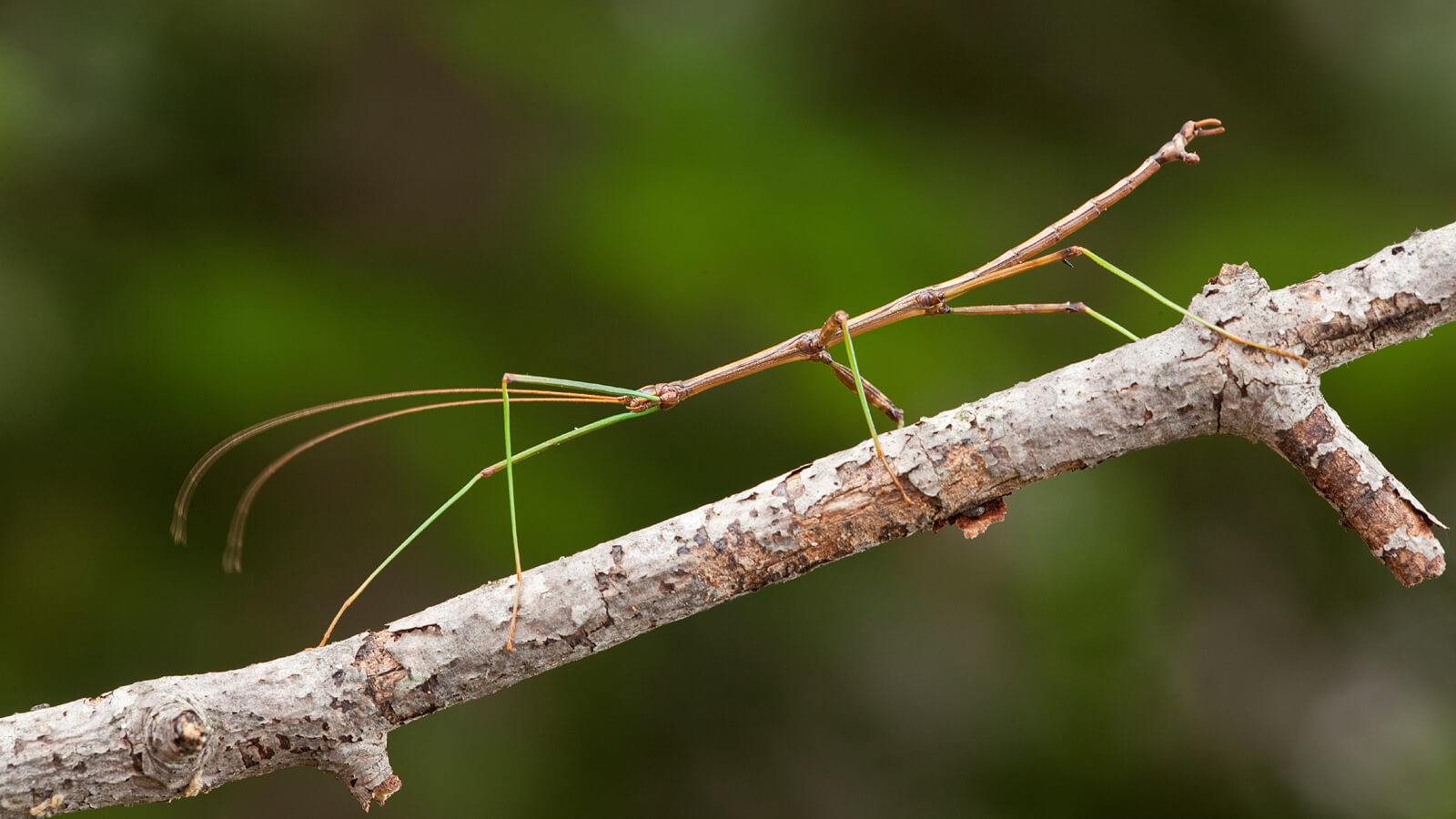
Can we predict the course evolution will take? That’s the question an international team of researchers decided to tackle, using a quarter-century of stick insect observations. Comparing the first half of the data set to the latter half, they set out to see if they could forecast the path of natural selection.

As it turns out, it’s really hard. The researchers were able to predict some simple evolutionary changes, but the rest were subject to forces they couldn’t account for.

The dominant coloration among the stick insects changes, though, and the researchers used this fluctuation to try and predict which pattern would be more prevalent in a given year. With the first decade or so of stick insect data as a guide, they attempted to guess what colors would show up in the next few years. They published their work recently in the journal Science.

They were actually successful — to a degree. The researchers were quite good at predicting when the green striped insects or the unstriped green stick insects would dominate over the other.

But for the brown stick insects, it seems that there are many more variables at play.

Their conclusions are backed up by other studies of evolution, such as in Darwin’s finches, or the peppered moth. Scientists had little success guessing how those animals would adapt.

Read full, original post: Is It Possible to Forecast Evolution?

Viewpoint: How ‘Big Food’ co-opted the organic movement

Goldfish MWOW Blog HeroImage x

I was recently dispatched to a Target to buy some Goldfish, which was a more daunting task than you might imagine.

I played it safe, settling on regular Cheddar Goldfish ($2.99 for 10 ounces) and another Cheddar variety emblazoned prominently with the words “Made With Organic Wheat” ($3.99 for eight ounces).

That’s right, even Goldfish have gone organic. Sort of. Had I not recently sat on my reading glasses, I might’ve noticed a line at the bottom of the organic wheat Goldfish that said, “These crackers are 70% organic.”

Seventy percent organic?

The organic movement started out in the last century as an alternative to industrial agriculture, a vision of family farms, green fields and co-ops, and has now led us to 70 percent organic Goldfish. Along the way, it became largely co-opted by giant agribusinesses. Stalwart organic brands like Cascadian Farm and Kashi were taken over by General Mills and Kellogg respectively.

For the big food manufacturers, organic simply fills another market niche. I asked [Chris Foley, chief marketing officer at Pepperidge Farm] if Goldfish with organic wheat was any healthier than the regular kind, a tricky question for an executive at a large food company to answer.

“It’s an alternative,” he said.

Read full, original post: These Goldfish Are 70 Percent Organic

Seeking a connection between autism and the brain’s memory center

bbec f da f ac d ee

The same processes that enable the brain to store new memories may also control many autism genes, a new study suggests.

Candidate genes for autism are more than three times as prevalent in the genetic regions that become active after mice learn a new task as would be expected by chance, the researchers found. This connection between learning, memory and autism could explain why many children with autism have intellectual disability.

“We are trying to understand the overlap between learning and autism spectrum disorders,” says lead researcher Lucia Peixoto, assistant professor of biomedical sciences at Washington State University Spokane. The results appeared 16 January in Science Signaling.

Scientists can use this information to wade through the data from whole-genome sequences to find variants associated with autism.

One challenge for geneticists is figuring out which variants in a single DNA base — known as single nucleotide polymorphisms, or SNPs — found outside genes are meaningful. The new work could simplify this analysis: Instead of looking at the entire genome, researchers should focus on variants in regions known to be important to brain function.

However, the association is statistically significant only in Caucasian people. What’s more, the regions with open conformation in the mouse brain may not match up to those in the human genome.

Read full, original post: Autism genes abound in DNA regions involved in learning

Do antidepressants really work? This study says they do

antidepressants

Scientists say they have settled one of medicine’s biggest debates after a huge study found that anti-depressants work. The study, which analysed data from 522 trials involving 116,477 people, found 21 common anti-depressants were all more effective at reducing symptoms of acute depression than dummy pills. But it also showed big differences in how effective each drug is.

[T]he study found they ranged from being a third more effective than a placebo to more than twice as effective. Lead researcher Dr Andrea Cipriani, from the University of Oxford, told the BBC: “This study is the final answer to a long-standing controversy about whether anti-depressants work for depression.

The study’s authors said the findings could help doctors to pick the right prescription, but it did not mean everyone should be switching medications.

That is because the study looked at the average effect of drugs rather than how they worked for individuals of different ages or gender, the severity of symptoms and other characteristics.

Researchers added that most of the data in the meta-analysis covered eight weeks of treatment, so the findings might not apply to longer-term use.

“Importantly, the paper analyses unpublished data held by pharmaceutical companies, and shows that the funding of studies by these companies does not influence the result, thus confirming that the clinical usefulness of these drugs is not affected by pharma-sponsored spin.” [said professor Carmine Pariante].

Read full, original post: Anti-depressants: Major study finds they work

Nuseed’s GMO canola set to become world’s first plant-based source of long-chain omega-3 fatty acids

canolaaa

Australian and New Zealand regulators have given the green light to Nuseed’s omega-3 canola variety for and use in animal, fish and human foods, signalling a market breakthrough for parent company, Nufarm.

One hectare [2.5 acres] of the new omega-3 canola has the potential to provide the same omega-3 oil yield as 10,000 kilograms [22,046 pounds] of wild-caught fish, according to Nuseed.

The genetically modified canola variety is the world’s first plant-based source of long-chain omega-3 fatty acids, most commonly found in seafood in healthy proportions.

The omega-3 project is opening big North American and Asian market opportunities given that long-chain omega-3 DHA and EPA are essential for human and fish health.

The company plans to initially commercialise its omega-3 oil – branded as Aquaterra – for aquaculture feed uses, followed by Nutriterra for human nutrition applications.

Developed in collaboration with the CSIRO and the Grains Research and Development Corporation (GRDC), the omega-3 oilseed canola has been approved by the Australian Office of Gene Technology Regulator.

Food uses of the omega-3 canola have been reviewed by Food Standards Australia-New Zealand, with approval granted for sale and use in food in both countries.

This new proprietary product aims to help relieve pressure on wild fish stocks, the current source for this important nutrient.

Read full, original post: Approval for Nuseed’s omega-3 canola

Canadian beekeepers sue Bayer and Syngenta, blame neonicotinoid manufacturers for bee deaths

a ae df cf e f

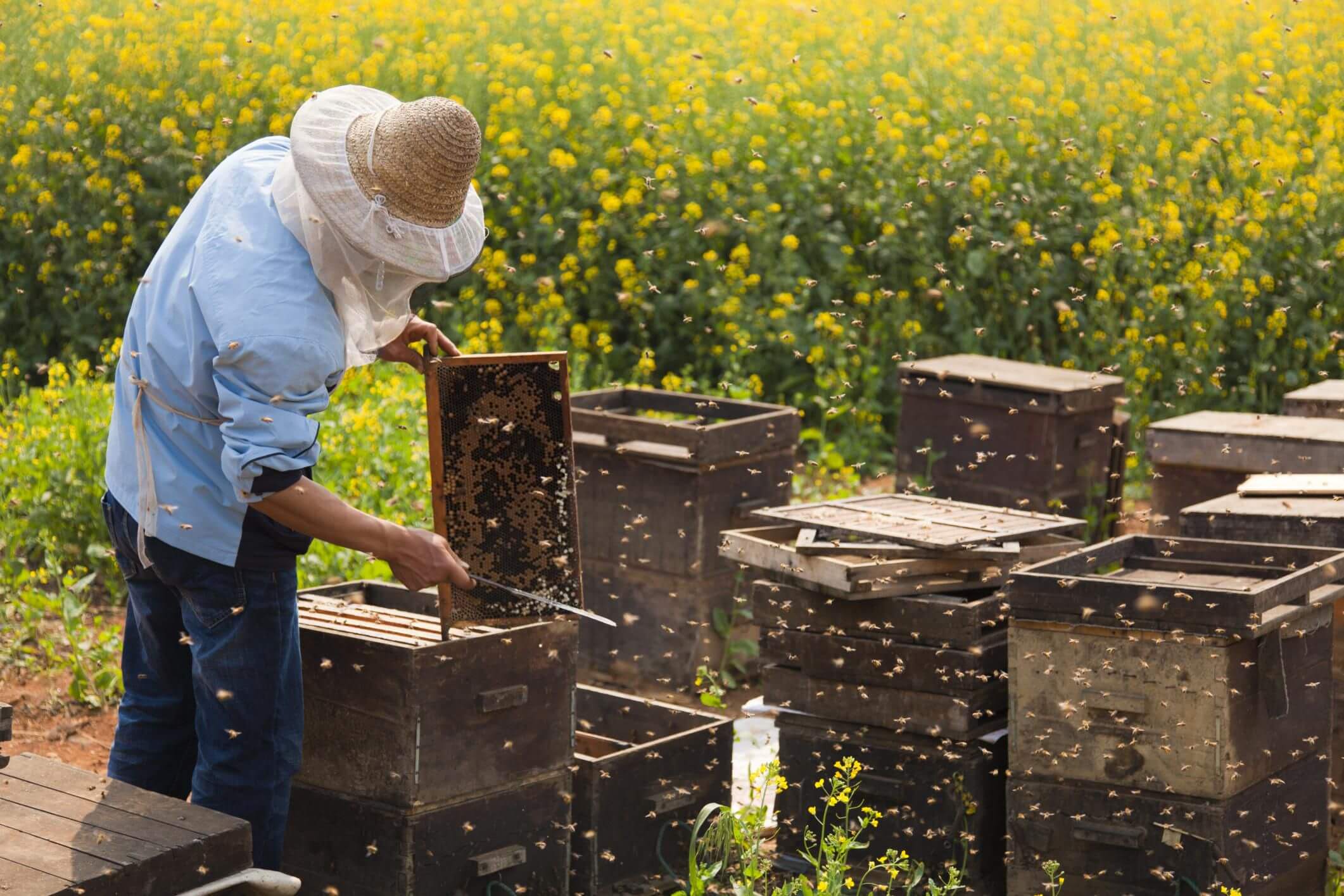
A Quebec class-action lawsuit against two producers of neonicotinoids — commonly used insecticides that have been linked to a declining population of honeybees — has been given the go-ahead to proceed to trial after by the Quebec Superior Court.

The Feb. 20 ruling comes as global scientific evidence against the use of neonicotinoids mounts: a study published on Feb. 25 in Environmental Science and Pollution Research concluded that the insecticides are, for the most part, useless and ineffective.

Neonicotinoids, also known as neonics, are nicotine-based pesticides widely used by farmers to help keep everything from field crops to fruit orchards free of pests such as aphids, spider mites and stink bugs.

The lawsuit targets Bayer and Syngeta, two international neonicotinoid producers.

Steve Martineau, a Quebec queen bee breeder, launched the suit after seeing more and more of his bees dying or being incapacitated….

Elnemr estimates that Martineau has lost about $20,000 due to the effects of neonicotinoids on his bee population. That’s the amount the firm is seeking in damages through this case.

[I]n December, Health Canada limited but did not ban neonicotinoids, concluding they do not present an unacceptable risk to human health.

Read full, original post: Beekeeper’s $20K class-action suit goes ahead as evidence mounts of neonicotinoids’ effects

15 surprising GMO and gene-edited crop advances underway in South and Central America

b b z
Latin America is a vital region in the global production of genetically modified (GM) crops, with Brazil and Argentina ranked as the world’s second and third largest producers, respectively. Paraguay, Uruguay and Bolivia are major producers of GM soy, with Chile and Costa Rica functioning as important counter-station seed countries. Other nations, like Colombia and Mexico, still have enormous potential to develop if new crops are approved.

During 2017, several advances were made in terms of experimental research, new commercial approvals, reviews of technology benefits and efforts to streamline regulatory frameworks. The 15 most relevant advances in the region during last year were:

15. Chilean university develops GM wheat with higher yield and grain weight 

Scientists at the Austral University of Chile, in collaboration with colleagues from the University of New York, cloned a gene of the enzyme expanzin — a protein that allow the elongation of the cell walls of plants — from wheat to achieve the first transgenic wheat that increases both yield and grain weight. It is also expected to improve industrial quality.

innate potatoes simplot
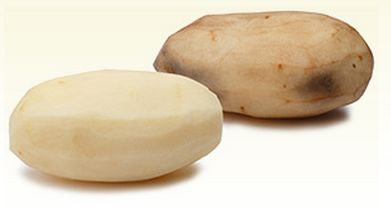
Non-browning potato

14. Argentine scientists develop non-browning potatoes and hypoallergenic milk with gene editing

Researchers from the Institute of Agricultural Technology of Argentina (INTA), a state institution, used gene editing techniques to develop potatoes that don’t turn brown and milk that doesn’t affect allergic patients. In the case of potatoes, the genes of the sugars responsible for the browning process and production of acrylamide — a potential carcinogen — were silenced, or turned off. In the case of milk, the calf’s genome was edited to silence the genes of the proteins that cause allergic reactions in milk.

13.  Mexican scientists improve the use of fertilizers in crops through biotechnology

A group of scientists from Cinvestav-Langebio in Iraputao, Mexico, have genetically modified plants that can make efficient use of phosphorus fertilizer. The trait also allows the plant to use phosphite, instead of phosphate, so it does not compete with weeds for the uptake of soil fertilizer. This results in a 50 percent reduction in the use of fertilizers and herbicides, which implies both a higher yield and less contamination of water sources and other environmental impacts.

12. Argentine scientists develop cloned horses with edited genes

Scientists from the company Kheiron, together with FLENI researchers, developed cloned equine embryos, which would improve the potential of polo horses through the gene editing technology known as CRISPR. The researchers achieved improvements related to the horses’ muscle development, endurance and speed, but genetic editing in combination with the cloning technique could also be used to repair defective sequences and eliminate genetic pathologies.

11. Chilean scientists use CRISPR to study resistance to diseases in salmon

At an international conference in San Diego, Calif. (USA), Chilean researchers from Favet-Inbiogen presented a work related to the application of CRISPR gene editing technology to generate changes at the level of different gene pathways associated with the genetic resistance of diseases in Chilean and Norwegian salmonids. This would allow the future development of edited salmon resistant to diseases, eliminating the need for antibiotics or vaccines.

10. Gene edited cassava, rice and beans in Colombia

Colombian scientists from the International Center for Tropical Agriculture (CIAT) are working on genome editing with CRISPR. Some of their applications are the development of rice and cassava resistant to diseases and beans that are more easily digestible by consumers.

9. Mexican Academy of Sciences publishes complete review on safety and benefits of transgenic crops

Experts from various disciplines and members of different institutions belonging to the Biotechnology Committee of the Mexican Academy of Sciences (AMC) published the book “Transgenic: Great Benefits, Absence of years and Myths,” in which they present the reasons why GM organisms represent one of the most important and best characterized tools of modern biotechnology and can contribute to the sustainable solution of environmental pollution, among other problems and demands of the population worldwide.

paraguay waterfalls
Paraguay rainforest

8. Paraguay preserved 1.23 million acres of land thanks to the higher productivity of GM corn

One of the great advantages offered by agricultural biotechnology in Paraguay during 2017 was its compatibility with the environment. It helped to raise productivity by 49 percent per hectare, resulting in the preservation of cultivable areas, according to a report by the Institute of Agricultural Biotechnology (Inbio). In the last season of corn production in Paraguay, the use of transgenic maize allowed for the preservation 1.23 million acres of land.

7. Study shows the benefits of transgenic crops in Colombia between 2003-2015

A study carried out in Colombia by the Brazilian agro-consulting company Céleres proved that GM crops are a very valuable tool for farmers. The benefits of GM crops in Colombia from 2003 to 2015 are summarized as follows: 1) Reduction of 208.6 million liters of water, equivalent to the supply of 4.78 thousand people; 2) Savings of 3.1 million liters of diesel, which means taking 1,290 trucks out of circulation for 12 years, avoiding the emission of 8,200 tons of CO2 and the preservation of 60,600 trees; and 3) The total economic benefits reached were $237 million, and the largest beneficiaries were rural producers, who generated $171 million dollars, or 68 percent  of the total.

6. Study by Chilean scientist refutes the few reports of adverse effects due to GM food

study published in Plant Biotechnology by the Chilean scientist Miguel Ángel Sánchez of ChileBio and the American scientist Wayne Parrot of the University of Georgia analyzed the 35 studies/reports regularly cited as supposed evidence of adverse effects due to the consumption of GM crops. Each one was scrutinized, identifying serious methodological errors, reliance on just a few transformation events, repeated research groups and even retractions due to falsification or manipulation of data.

5. Southern Cone Ministers call to speed up approval of GM crops in the region and in importing countries

The Ministers of Agriculture of Argentina, Brazil, Chile, Paraguay and Uruguay participated in the XXXIV Ordinary Meeting of the Southern Agricultural Council (CAS) in Sao Paulo, Brazil. At this forum, the ministers signed a declaration on new breeding techniques and access of GM products (GMs) to third markets. They recognized the need for the region’s countries to work together to intensify the exchange of information on the approval of GM products, seek to reduce the asynchrony in the approval of these organisms in the region and, on the other hand, strive to promote approval of genetic events of regional interest in third markets.

4. ABC: The 3 countries that have regulated New Breeding Techniques (NBTs)

Following the leadership that Brazil and Argentina have shown in the adoption of transgenic crops, both countries move to the front in the regulation of crops edited with NBTs, such as CRISPR. Already in 2015 Argentina became the first country in the world to publish a regulation for NBTs that requires analysis on a case-by-case basis. It won’t regulate NBTs as GMOs if there is no transgene inserted. Additionally,  during 2017 it published a regulation for the case of gene edited animals. Chile signed a normative resolution for NBTs in 2017 and Brazil published a resolution in January 2018. Both regulate NBT case-by-case and exempt them from regulation when there is no insertion of transgenes. In Chile and Argentina there are already biotechnological developments under evaluation.

ae px Bolivia soybean e
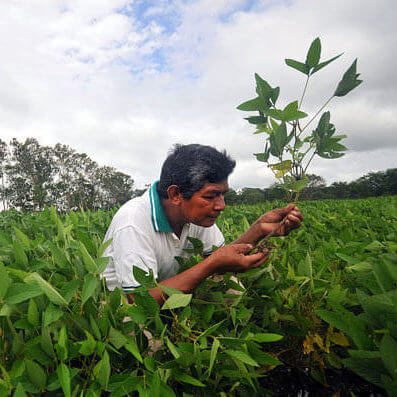
A Bolivian farmer inspects his soybean plants

3. Bolivian farmers demand the use of new GM crops to fight pests, drought and weeds

Bolivia has planted herbicide-tolerant GM soybean since 2008, harvesting more than 1.2 million hectares in 2016. However, its farmers have been demanding in recent years to integrate new traits such as pest resistance and drought tolerance, as well as to approve important new GM crops in corn, cotton and sugarcane. Different studies have shown the productive and environmental benefits that these new traits and crops would bring to the country.

2. Ecuador approves the entry of transgenic seeds for research purposes

Ecuador approved a law that allows the entry of GM seeds into the country for research purposes only (not commercialization) under a clause in the 2008 constitution that, while declaring the country “GMO-free,” adds an exception that allows the government to approve the entry of transgenic crops into the country “only in case of national interest.” This facilitates the work of local scientists who already working on developing disease-resistant GM bananas.

1. Brazil approves commercialization of pest-resistant GM sugarcane

The Brazilian National Biosafety Technical Commission (CTNBio) approved the commercial use of a GM sugarcane resistant to pests, marking a milestone for the highly competitive sugar industry in Brazil, which represents around 50 percent of world trade. The variety was developed by the Canavieira Technology Center SA (CTC) and protects the crop against one of the main pests that threaten the sugarcane fields of Brazil, with an estimated 5 billion reais in losses for producers. They also intend to introduce new traits in sugarcane, such as resistance to other pests and herbicide-tolerance.

Daniel Norero is a biochemistry student and works in the Laboratory of Molecular Plant Pathology at the Catholic University of Chile. Follow him on Twitter @DanielNorero

This article was originally published at the Cornell Alliance for Science as “Top 15 advances on GM crops and gene editing in Latin America during 2017” and has been republished here with permission. 

Are consumer genetic tests misused by doctors and alternative health providers?

test
Medical genetics has existed as a distinct clinical specialty within medicine for many years, just like surgery, pediatrics, or neurology. Despite such an environment, however, health practitioners with little or no training or perspective in genetics are dabbling in this rapidly advancing field. Utilizing results of consumer-oriented genetic tests, like those offered by 23andMe, they’re engaging in what amounts to blind screening for genetic mutations associated with, but not diagnostic of, a plethora of disorders and medical conditions.

The big mistake among these practitioners is a failure to appreciate the distinction between tests for Mendelian (single gene) disorders such as sickle cell disease, cystic fibrosis, or Tay-Sachs disease, where absence of a functional gene is diagnostic versus those for single nucleotide polymorphisms (SNPs), where the presence of a mutation is merely one factor affecting risk. There is a danger of interpreting test results out-of-context from the diagnostic workup needed to pinpoint which tests are appropriate for a patient in the first place. This could distract a clinician from the correct diagnosis, leading to inappropriate treatment.

Consider this warning from the National Institutes of Health regarding the limitations of what can be learned from genetic tests:

Genetic testing can provide only limited information about an inherited condition. The test often can’t determine if a person will show symptoms of a disorder, how severe the symptoms will be, or whether the disorder will progress over time. Another major limitation is the lack of treatment strategies for many genetic disorders once they are diagnosed.

medical 2 8 18 2As to what’s driving the potential abuse of genetic data by clinicians, the motivations could be numerous, ranging from naive curiosity to outright incompetence. But it appears to be a growing trend among health professionals, from legitimate primary care physicians, who normally practice strong, evidence-based medicine, to so-called “alternative health” providers. The latter includes naturopathic doctors — practitioners of a system that avoids surgery and most approved drugs, relying instead on a range of alternative therapies that are either untested, or known to be ineffective. Inappropriate genetic testing by any health provider is a problem, but it’s particularly worrisome in the case of naturopaths, as genetic tests are being used to sell patients the latest snake oil treatments and to promote the illusion that the practitioner is scientific and up-to-date.

A genetic test for your shoulder?

Recently, a friend mentioned to me that he saw a naturopath to help him with shoulder soreness. He did this, despite reports that naturopaths are contributing to plummeting child vaccination rates, and that they are trained to ignore evidence and the scientific method on par with astrologers and palm readers. Though not a scientist, this friend is highly educated and shares my concern of the growing disdain for science in our society. What happened didn’t make sense to me, until he mentioned that he considered his naturopath to be “modern” and “science-based”, because her first recommendation was that he get his 23andme genetic test. Knowing genetics to be central to the world of biomedicine, but lacking the background to be able to distinguish clinically-appropriate genetics from “entertainment genetics”, he went ahead and sent his sample to 23andMe.

That may tell him something interesting about his ancestry. But as for his shoulder, those genetic results won’t be useful. Apparently, his naturopath recommended it as a means of assessing his overall health picture. It won’t be an accurate assessment, but for the naturopath it’s more than mere entertainment. An article published in Forbes in 2016, by ex-naturopath Britt Marie Hermes, suggests there is a growing practice among naturopaths to order genetic tests blindly:

Alternative practitioners are now forging highly profitable businesses based on patients coming to them with raw genetic data provided by testing companies, typically 23andMe, and walking away with hundreds if not thousands of dollars in nutritional supplements.

But scientific and medical experts recommend against blindly screening for genetic variants called single-nucleotide polymorphisms (SNPs). They warn that these tests carry problems of false results, over-diagnosis and meaningless information. Alternative medicine promoters argue otherwise, and they are spreading the message while churning big profits.

With the results in hand, the naturopaths have an easier time selling alternative remedies to the patients. Such remedies include homeopathic brews (substances that have been diluted to such an extent that what remains is only water), but they also include nutritional supplements, which many naturopaths sell from their clinics. And we’re not just taking about a bottle of multivitamins every few months, but hundreds of dollars worth of supplements each year for every patient.

“It’s becoming trendy for naturopaths and integrative MDs to “interpret” genetic data of patients. It’s the next snake oil side show,” Hermes wrote recently in a tweet to this writer.

medical 2 8 18 3

A widespread problem

In mentioning “integrative MDs”, Hermes was referring to clinicians who are medical doctors, who have worked peacefully with the alternative health industry. This can be for positive reasons, such as not criticizing naturopathy in order not to alienate patients who pursue alternative remedies. Consequently, they can provide those patients at least some legitimate health care along with the alternative treatments. This actually is something that naturopaths do when they recommend exercise, or when they prescribe legitimate drugs, like oral contraceptives and antibiotics (as they are permitted to do in certain states). But the motivation for real doctors also can be for negative reasons — including the desire to cash in on the alternative health market.

That said, the warning about misusing consumer genetic tests applies to MDs as much as it does to alternative medicine practitioners. Use of these data by the fringe may have the spotlight right now, because Hermes and others have brought the problem to the world’s attention. But patients need to keep their radar scopes on wide beam in any primary care setting as the field of genetics continues to expand.

David Warmflash is an astrobiologist, physician and science writer. BIO. Follow him on Twitter @CosmicEvolution.

Talking Biotech: ‘Farm Babe’ Michelle Miller takes on critics of GMOs, modern farming

maxresdefault

Michelle Miller grew up in Wisconsin and always had an interest in agriculture. When she reached college she traded in rural life for the big city, working in LA at designer stores and living a big city life. But has Farm Babes go, she would find her way from Rodeo Drive to driving to the rodeo. Since, she has been critical of those that marginalize farmers and farming, and has been a powerful voice for agriculture and associated technologies.

Follow Michelle at @thefarmbabe

Michelle’s Facebook page

Visit the Talking Biotech website

Follow Talking Biotech on Twitter @TalkingBiotech

Follow Kevin Folta on Twitter @kevinfolta | Facebook: Facebook.com/kmfolta/ | Lab website: Arabidopsisthaliana.com | All funding: Kevinfolta.com/transparency

Follow Paul Vincelli on Twitter @Pvincell | University of Kentucky webpage 

Controversial natural supplement kratom draws FDA’s ire after Salmonella outbreak

x efb bbb b a ca defec e c

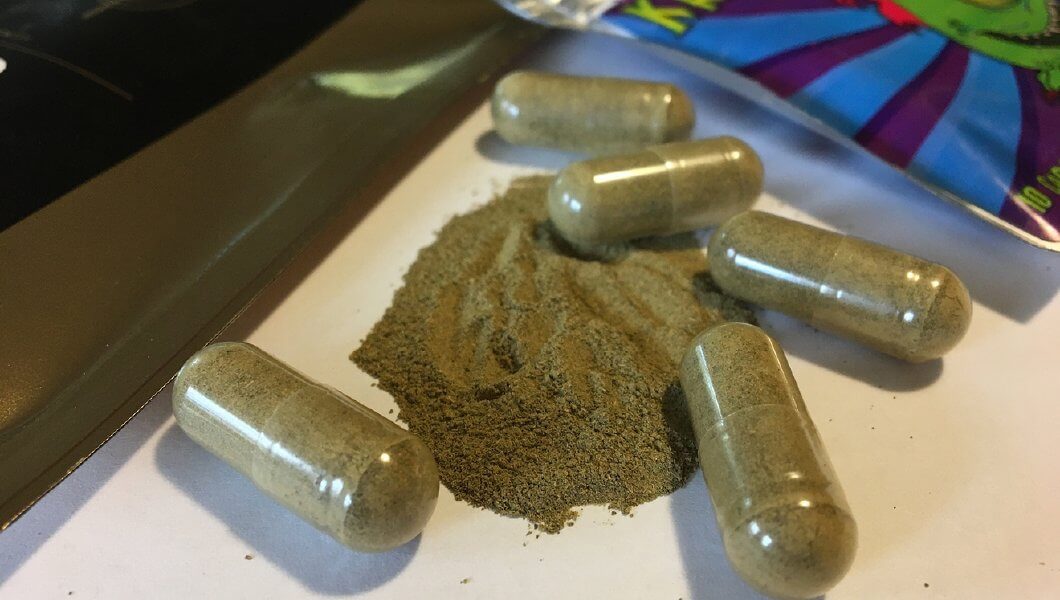
It’s no secret that the Food Drug Administration isn’t a fan of kratom, a popular herb purported to help people with digestive problems, chronic pain, and most prominently, opioid withdrawal. So I can only assume the FDA got a small bit of pleasure when it announced it would oversee the destruction of a “large volume” of kratom after an outbreak of Salmonella was linked to the supplement.

On [February 20], the Centers for Disease Control and Prevention reported that at least 28 people across 20 states have become infected with a similar strain of Salmonella since October. None have died, but 11 have been hospitalized. Eight of the 11 victims interviewed by the CDC so far said they took kratom shortly before they became sick, either as a pill, powder, or mixed in tea.

Kartom’s legal status is in a grey area. Some research has found the drug to be chemically similar to to opioids like morphine. While the plant isn’t illegal to consume, the Drug Enforcement Administration attempted to regulate it in 2016 by temporarily placing on its list of controlled substances as a Schedule I drug.

The FDA would not disclose on the record, however, how these latest recalled kratom products were destroyed. FDA Commissioner Scott Gottlieb does seem to be using the Salmonella outbreak as an incentive to encourage other producers into dropping their line of kratom products.

Read full, original post: FDA Oversees Kratom Purge After Salmonella Outbreak

Russia funds articles questioning GMO safety in bid to hurt US ag industry, research shows

cbff c f d e b b

Politics isn’t the only issue where Russia seeks to sway U.S. opinion.

The former communist country is trying to influence American’s attitudes about genetically engineered crops and biotechnology, according to new Iowa State University research.

Russia is funding articles shared online that question the safety of GMOs in an effort hurt U.S. agriculture interests and bolster its position as the “ecologically clean alternative” to genetically engineered food, said Shawn Dorius, an ISU assistant sociology professor.

Turning the U.S. or world against GMOs “would have a clear negative effect on an industry in the U.S. and could advantage Russia,” Dorius said.

The ISU researchers, already looking at how U.S. media portrayed genetic engineering and biotechnology, decided to include GMO news articles published on the U.S. versions of RT and Sputnik, news sites funded by the Russian government.

They found RT and Sputnik produced more articles containing the word “GMO” than five other news organizations combined: Huffington Post, Fox News, CNN, Breitbart News and MSNBC.

RT accounted for 34 percent of GMO-related articles among the seven sites; Sputnik articles made up 19 percent.

Read full, original post: Anti-GMO articles tied to Russian sites, ISU research shows

Esophageal cancer treated with risky modified T-cell therapy in China

china

Esophageal cancer is one of the most common forms of cancer in China. Like many other types, cancer of the esophagus can be treated with chemotherapy. But, as is also true of other forms of cancer, chemotherapy isn’t always successful. In China, and around the world, there’s a great need for the development of new treatments.

Dr. Shixiu Wu, president of the Hangzhou Cancer Hospital, has tested a somewhat new treatment that takes a patient’s T-cells from the body, genetically edits them to target cancerous cells, then puts the altered cells back.

There are those, like Lainie Ross a bioethicist at the University of Chicago, who are worried about the experiments in China; primarily because the country’s medical research isn’t as regulated as it is elsewhere. Ross told NPR there is concern that Chinese doctors and researchers could be rushing the experiment along, putting their patients at risk.

In response to concerns expressed about the research, Wu has made clear that patients are told about the risks of the treatment beforehand — and many of them consent to receive it despite them.

Wu has since started treating patients with other forms of cancer as well, specifically pancreatic cancer. “We [are] just beginning. We should improve it to get more benefits for the patients,” he said. “If you don’t try it, you’ll never know.”

Read full, original post: Chinese Doctors Are Using Modified T-Cells to Treat Advanced Forms of Cancer