Will evolution protect humans from alcoholism?

Mahogany Workplace Wine Breakup Alcoholism

Humans may be evolving a genetic variant that would make them physically unable to consume large amounts of alcohol, new research suggests. If this gene is able to take hold on the global population, it could one day help reduce alcoholism and alcohol-abuse related health ailments.

[O]ne gene variant, the ADH variant, was of particular interest due to its effect on our ability to tolerate alcohol.

When we drink too much alcohol our bodies struggle to keep up with metabolizing the chemical. This causes too much alcohol to enter our bloodstream which is what causes the unpleasant effects of drinking, such as nausea.

According to the study, the ADH variant affects our ability to metabolize alcohol. Also, the exact mechanism is not yet clear, individuals with this variant would not be able to break down alcohol as well. As a result, even the smallest amount of alcohol would cause extremely unwell feelings and New Scientist reported that it is unlikely these individuals would be able to physically consume enough alcohol for them to develop alcoholism.

Thus this genetic variant may act as a sort of protection against this alcoholism. At the moment, the variant is seen sporadically throughout populations and has only been detected in East Asian and West African populations. It hasn’t made any significant difference to human health and lifestyles, at least not yet.

Read full, original post: Evolution could soon protect humans from alcoholism

Viewpoint: Dissecting the Food Babe’s anti-‘natural flavors’ pseudoscience

Screen Shot at AM

Our good friend the Food Babe has published an interesting piece of pseudoscience writing entitled ‘Are Natural Flavors Really That Bad? (MUST WATCH)’. If you’re looking for the quick answer to this superfluous, click-bait title, let me tell you that it’s no: natural flavours are perfectly safe and healthy. But if you’re looking for an explanation of how taste actually works (and why her claims about natural flavours are utter nonsense), then please read on!

Vani Hari bases her distaste for natural flavours off the idea that “flavor in nature doesn’t come without nutrition.” Regrettably I’m here to tell her that this is unequivocally false.

[F]lavours are just the result of chemistry, things that are good for us do taste good, sort of, but not because of their nutrient content, and no one thinks that gummy bears are healthy just because they taste kind of like fruit.

So instead of asking yourself, “Did someone engineer this to be delicious or did nature engineer this to be delicious”, as Hari advises, I think I’d rather contemplate why it is I’d be taking diet advice from a blogger without a science degree.

Read full, original post: The Food Babe has No Idea how Physiology Works

Farmers, environmental advocacy groups disagree on neonicotinoids’ impact on bees

rexfeatures a x

The U.S. Public Interest Research Group is among the organizations lobbying the Environmental Protection Agency to ban the pesticides, known as neonicotinoids, which are commonly used on crops.

U.S. PIRG has said that while it supports complete bans, it is only advocating for a ban on private sales for now.

Chelsea McGuire, the Arizona Farm Bureau’s director of government relations, said her group would oppose anything that would limit the ability of farmers to utilize the tools at their disposal.

That includes a partial ban, viewing it as a slippery slope to an agricultural ban.

McGuire said in an email that farmers use neonicotinoids in pest management and use them “responsibly and carefully, so as to protect the pollinator populations that are required to pollinate a farmer’s crops.”

McGuire said causes of the bee population decline are too multifaceted to be blamed exclusively on neonicotinoids.

McGuire cited climate change and the varroa mite, a parasitic mite that affects bees, as contributing factors in the declining population.

The U.S. PIRG agreed that a warming planet and varroa mites are contributing factors, but contends neonicotinoids are the main problem.

Read full, original post: Advocacy groups pressure state to ban bee-killing pesticides

Understanding the genetics of height—and why it matters in the fight against many human disorders

height
Hoping to help researchers find links between diseases and mutations, the UK Biobank opened its vault last summer, allowing access to genetic data on 500,000 people.

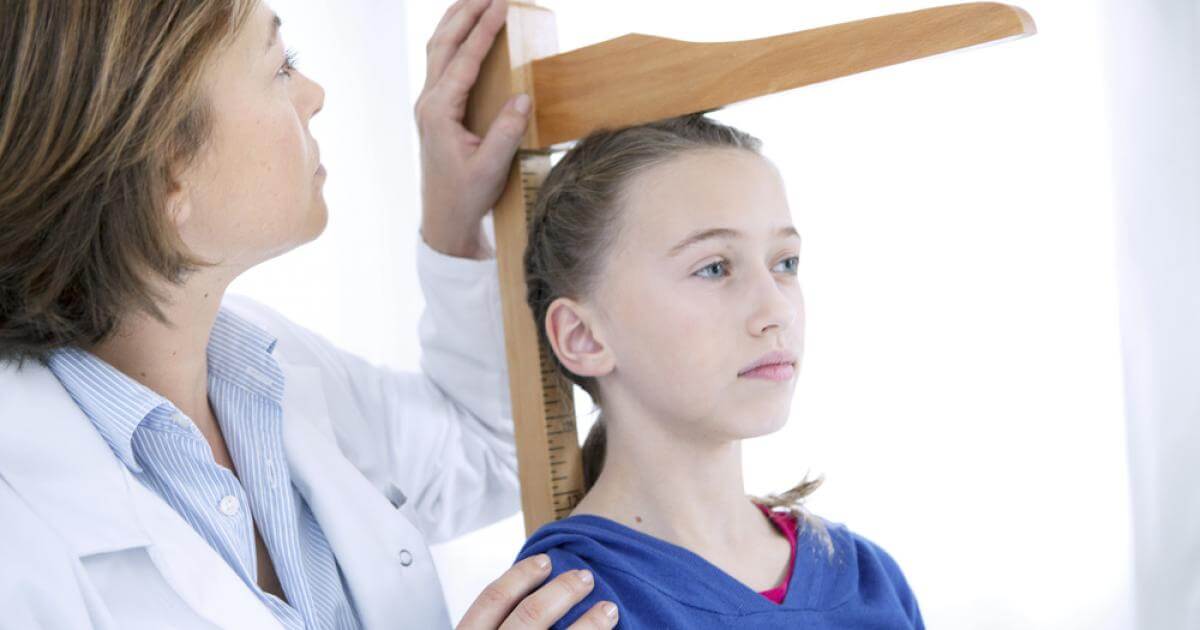
Among the resulting research projects is a genetic model that can predict most people’s height to within centimeters. The work, recently published as a preprint on BioRxiv, incorporates about 20,000 single-nucleotide polymorphisms (SNPs), one-letter variations in the genome. While some of these SNPs were previously known to be associated with height, others were not. Often, the biological function of these SNPs (if any) is unknown.

It turns out, we haven’t been very good at using genetics to predict height. A 2009 paper published in the European Journal of Human Genetics used 54 SNPs to predict height could only account for about 4 percent of the variability in height, doing considerably worse than a method developed by Sir Francis Galton in the 1800s, which was able to predict about 40 percent of the variability in height.

While predicting height from genetics may have some practical applications, such as in childhood growth disorders and in forensic science, the importance of the results comes from the fact that the model captures nearly all the predictive heritability possible from the SNPs contained in the Biobank.

height 2 14 18 2

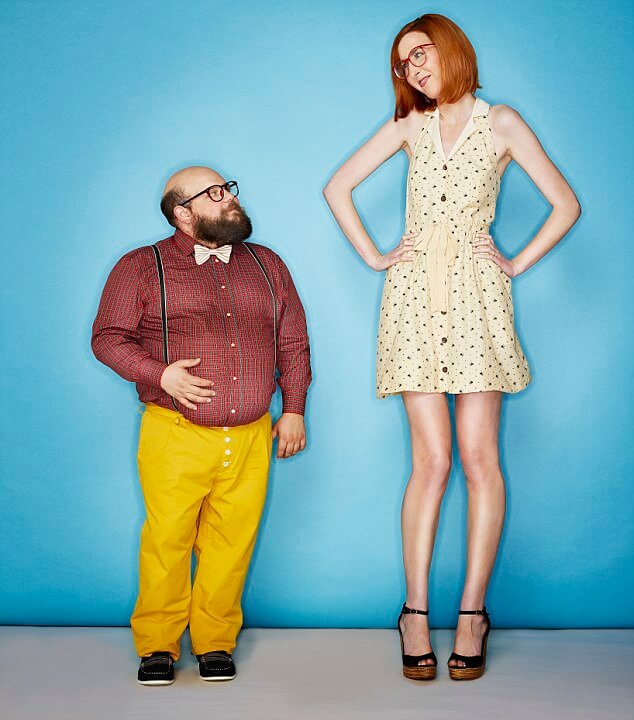
Like all complex traits, height has both a strong genetic and a strong environmental factor. It’s been estimated that about 60 to 80 percent of the difference in height between two people is due to genetics. The rest is due to environmental factors, primarily nutrition. This genetic height predictor captures most of the height variance due to genetics, meaning that it may theoretically be the best possible genetic-based predictor.

According to Stephen Hsu, the lead author on the study and Vice President for Research and Graduate Studies at Michigan State University, “There is a perception that we’ll never be able to predict height at this accuracy. I’ve been saying it’s just statistical power. If we were willing to invest the money, we would be able to capture the known heritability [for complex diseases].”

In other words, given enough sequences, patients, and investment, similar models can be developed for other complex traits. Using similar methods, Hsu has also developed a model that to predict educational attainment and heel bone density. He predicts that accurate genetic prediction models for diseases such as Alzheimer’s disease, type 1 diabetes, ovarian cancer, and schizophrenia can also be created, given a large enough dataset. The genetic contribution for these conditions ranges from about 40 to 70 percent, similar to that for height. In theory, such models could be used to generate a polygenic score of a person’s risk for developing a given disease. Similar to single-gene genetic tests, such as sequencing the BRCA1/2 gene to determine breast cancer, this information could be used to guide prevention or treatment options. Some, however, warn that it could also be used to select for disease-related as well as nondisease-related traits in embryos. While it’s important to consider these ethical implications, we should also keep in mind that we already have this ability for a host of single-gene diseases.

height 2 14 18 3The authors estimated that to create genetic prediction models for complex diseases, they would need data from about 100,000 individuals with the disease and about 100,000 control individuals without the disease to have enough data to generate an accurate genetic prediction model. According to Hsu, this would require an investment on the order of tens of millions of dollars – a sizable sum and monumental effort to be sure, but perhaps well worth the cost.

Getting funding for such a project through traditional channels, such as government grants, would be extremely difficult for the average researcher. In addition, the resources required to store, analyze, and maintain the vast amount of data collected is likely outside of the capacity of many labs. Therefore, the onus of such large endeavors have fallen upon two sources: commercial companies, such as 23andme, and nonprofit organizations, such as DNA.land, an initiative of the New York Genome Center.

The UK Biobank was established by several national foundations in the UK, including the Welsh and Scottish governments. Over 500,000 individuals have been recruited across the UK. The amount of data being collected is massive. In addition to genetic data, each individual provided blood and saliva samples and agreed to have their health followed over time. About 20 percent of the recruits also provided data on their level of activity by wearing a 24-hour monitor for one week; information on diet, cognition, and work history are being collected, and 100,000 participants are being included in an imaging study, in which their major organs, bones, and carotid artery are being scanned.

If this study is a harbinger of things to come from the UK Biobank data, it seems that great things are to come from this resource.

Jennifer Cable has a PhD in biochemistry and is a freelance science and medical writer. Follow her at her website or on Twitter @jlcphd.

Gene drives and eliminating invasive pests without bloodshed

pests
[Researcher Karl Campbell is] using a fiercely potent poison for the complete obliteration of rats on a 70-square-mile Galapagos island called Floreana. The island was once home to a chocolate-brown bird with a perky tail called the Floreana mockingbird, but the rats eat its eggs and chicks.

The rats’ destruction will be brought about by a carpet-­bombing of lethal pellets: Some 300 tons of poisoned cereal will be dumped from helicopters, enough to kill every rat on the island.

Campbell has begun pushing for research into a much more precise and effective tool—one you might not associate with nature-loving conservationists. Self-­perpetuating synthetic genetic machines called gene drives could someday alter not just one gene or one rat or even a population of rats but an entire species.

He’s not alone in his enthusiasm. Institutions from the US military’s research agency to the Gates Foundation to the government of New Zealand are looking to gene drives as possible solutions for big problems (malaria, Lyme disease, species extinction). But the methods also contain the threat of unleashing another problem: They could change species, populations, and ecosystems in unintended and unstoppable ways.

Campbell insists that he and [Genetic Biocontrol of Invasive Rodents] are committed to being careful and deliberate. Pretty much voicing [geneticist Kevin] Esvelt’s exact fear, he says, “If you screw it up the first time around, you might put it back 30 years.”

Read full, original post: Process of elimination

Argentine farmers reverse course, agree to pay royalties for GMO seeds

soja

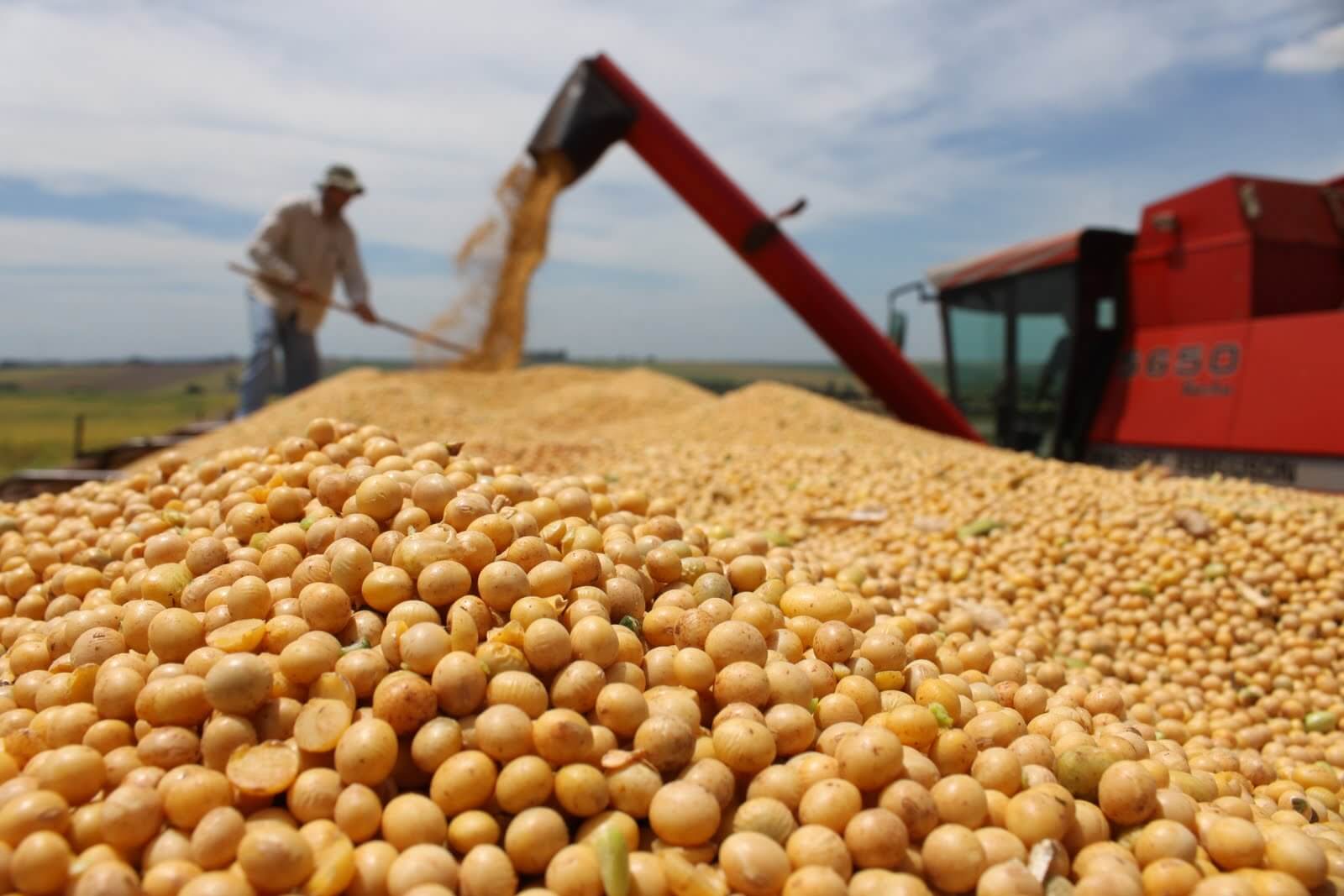
Argentine farmers have agreed to pay perpetual royalties when they replant genetically modified seeds made by companies like Monsanto Co, two industry groups told Reuters, a deal that could allow farmers access to the newest biotechnology.

Farmers’ group Argentine Rural Society and the Argentine Seed Producers’ Association representing companies confirmed the agreement. The farmers’ new willingness to pay corporations royalties indefinitely is a stark reversal in Argentina, the world’s top soymeal and No. 3 soy and corn exporter.

Argentina’s 1973 seed law allows farmers to use seeds generated from their harvests freely in later plantings, unlike their counterparts in the United States.

Their position spurred a bitter, years-long dispute with agribusiness companies and Monsanto in 2016 decided not to launch its new varieties of soybean seeds in Argentina.

Farmers and a group representing seed companies sent the agreement to the government in December, but the details were previously unreported.

The deal could pave the way for a new seed law and the arrival of better seed technology at a time South America is increasingly challenging the United States’ dominance over global foodstuffs trade.

Read full, original post: Exclusive: Argentine farmers, seed companies strike royalties deal

‘Universal genetic scissors’: CRISPR Cas-9 sister protein cuts both DNA and RNA

crispr

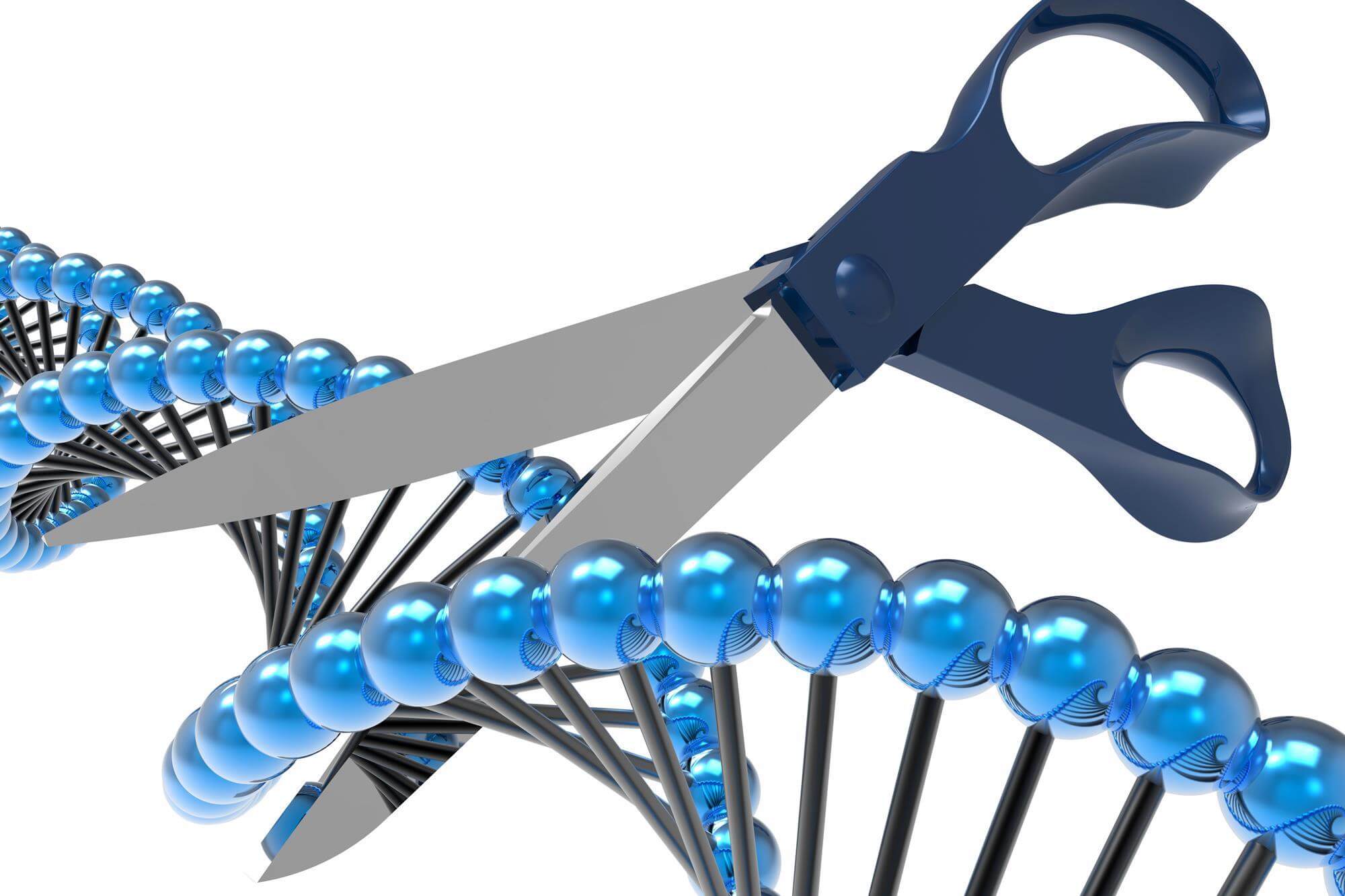
Researchers have discovered a single protein that can perform CRISPR-style, precise programmable cutting on both DNA and RNA. This protein is among the first few Cas9 proteins to work on both types of genetic material without artificial helper components.

CRISPR-Cas9 acts as molecular scissors that can cut DNA at exactly the spot they’re asked to. The technique has transformed research in just five years, making it possible for hundreds of teams of scientists to snip out portions of a chromosome that are mutated, or to see what happens when a certain gene isn’t there. But CRISPR-Cas9 can’t cut the other kind of genetic material found in cells known as RNA.

Now, an initial biochemical study in laboratory test tubes, published in the journal Molecular Cell, shows the promise of the new CRISPR approach using the protein called NmeCas9. It’s derived from Neisseria meningitidis, the bacteria that cause some of the most severe and deadly cases of meningitis each year. The team is working to test the tool in living bacteria cells to see if NmeCas9 achieves the same effect that they saw in test tubes. They hope to eventually progress to human cells.

The new technique aims to produce a pair of universal genetic scissors. And, because NmeCas9 is a much smaller protein than other Cas9 proteins used in CRISPR editing, they hope it will be more useful.

Read full, original post: Unlike CRISPR-Cas9, this protein can cut RNA

Backup pollinators: California almond, fruit producers hope blue orchard bees can reinforce honeybees

photo

The need for a backup bee has become critical, particularly in almond orchards. Almonds are California’s second-largest crop, injecting an estimated $21 billion annually into the state’s economy. In 2016 California’s almond growers needed nearly 1.9 million honeybee colonies—almost three-quarters of all the commercial colonies in the country—to pollinate their 940,000 acres.

Annual colony losses in the U.S. for the past 11 years have ranged between 29 and 45 percent. Add in the ever-expanding almond acreage—from 570,000 acres in 2004 to more than a million today—and the entire system is stretched.

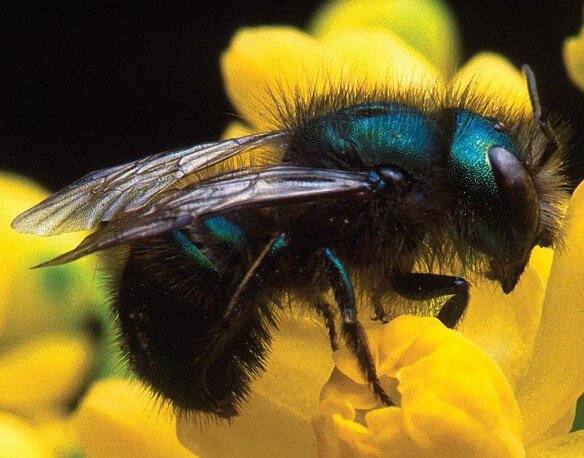
[The Wonderful Company, the largest almond grower in the world] chose to develop Osmia lignaria, a native mason bee known as the blue orchard bee, or BOB.

In 2017 Wonderful needed about 76,000 honeybee colonies to pollinate its almonds (at two colonies per acre). But that number will diminish by 320 this spring because [Gordon Wardell, director of bee biology for the Wonderful Company] will put 128,000 female BOBs into the orchards—the largest deployment ever. If Wardell’s experiment succeeds, the results could have far-reaching implications for the almond industry as well as a host of other early-blooming crops—from apples and cherries to apricots and peaches. All told, more than a million and a half acres could benefit from having BOBs as a backup—if they prove worthy this year.

Read full, original post: Building a backup bee

Viewpoint: Alternative medicine strikes again—and why cancer treatment should be left to professionals

s

Every doctor who treats cancer patients can tell you stories of patients who present with cancers too advanced to treat because they were spending their time pursuing alternative treatments. This has also been studied – last year a Yale team published a study showing higher rates of death among cancer patients who choose alternative treatments. There is now a recent story of a YouTuber who produced videos claiming that a vegan diet and prayer cured her stage 4 cancer, except now she has died from her cancer.

[W]e can’t miss the lessons in this story. It is so typical it can serve as an archetype.

[N]ewly diagnosed cancer patients can find countless stories of people claiming to have been “cured” of their cancer by all sorts of nonsense. There will always be a cohort of people in the honeymoon phase of their illness. This is the pitfall of anecdotal evidence. It is selective and biased.

Failures are always blamed on the patient. It is a convenient rationalization – they lacked sufficient faith in the case of the former, and they did not adhere fanatically enough to the regimen, for the latter.

[M]ainstream treatments are based on a thoughtful analysis of the best evidence available, and patients are given detailed informed consent. Alternative treatments are a package of lies, pseudoscience, false hope, and deception. But they are wrapped in a compelling narrative.

Editor’s note: Steven Novella, MD, is an academic clinical neurologist at the Yale University School of Medicine

Read full, original post: More Victims of Alternative Cancer Treatments

Future of food: Huge algae farms could feed humans, animals more sustainably

alage

Scientists hoping to meet the Paris climate accord goal of limiting global temperature rise to less than two degrees Celsius think they might have a new solution: marine microalgae.

Not only can these fast-growing single-celled plants provide biomass for carbon-neutral fuels, they can provide animal feeds and high-quality protein supplements for a human population that looks to be headed for a peak of about 9.5 to 10 billion, says Charles Greene, an environmental scientist from Cornell University, New York, US.

It might even be possible to convert algae into bioplastics for building materials that permanently remove carbon dioxide from the air, he adds.

Greene recently presented his arguments at the American Geophysical Union’s biannual ocean sciences meeting, in Portland, Oregon.

The plan starts with cultivating the algae on land, where there is no risk to marine ecosystems. The same could be done with fresh-water algae, but that would compete with other needs in an increasingly water-strapped world.

Australian coastal deserts, he adds, are among the best locations, along with those in the Middle East, Africa, and South America. In these places, he says, “we envision ribbons of algae farms as far as the eye can see.”

[M]arket analysts estimate that within five years, the global market for algae-derived food ingredients could reach $400 billion.

Read full, original post: Algae could be major new food source, major new industry

Promiscuous bacterial ‘sex’ plays role in antibiotic resistance

img

Bacteria and fungi created natural antibiotics eons before drug companies turned them into medicines. To counter these natural microbe killers, bacteria and other microbes also created fiendishly effective antibiotic-resistance mechanisms long before humans started pumping antibiotics into humans and livestock. While overuse of antibiotics has been fingered as the driver of resistance to these drugs, the contribution of bacterial sex plays an underappreciated role, one that could bedevil efforts to fight antimicrobial resistance.

Conjugation occurs when two bacteria — a donor and a recipient — sidle up to each other. The donor creates a tube, called a pilus, that attaches to the recipient and pulls the two cells together. A plasmid from the donor passes to the recipient, providing the recipient with new genetic information.

Recent studies have uncovered a vast reserve of antibiotic resistance genes throughout domestic and wild habitats. These studies suggest that antibiotic resistance genes are ancient and can be readily accessed by modern pathogens through bacterial sex.

To fight antimicrobial resistance, researchers are exploring strategies to inhibit bacterial conjugation. Some are looking at ways to block the enzymes needed to transfer plasmids. Some are trying to find ways to interfere with the construction of the pilis. Still others are trying to exploit natural mechanisms, such as restriction-modifying enzymes or CRISPR-Cas gene-editing systems, that bacteria use to defend against invading genomes.

Read full, original post: Bacteria sex: the promiscuous process driving antibiotic resistance

How might humans react to alien life? ‘We will take it rather well’

Alien galaxy
[R]esearchers say the discovery of alien life is more likely to be welcomed with open arms than panic.

To examine public reaction to aliens, [professor Michael] Varnum and his colleagues analysed the language of 15 media articles written at the time of three discoveries which were initially suggested to be evidence of extraterrestrial life, including Nasa’s 1996 announcement of possible microbial life on a Martian meteorite.

They also analysed the responses of 500 participants recruited online to a hypothetical announcement that extraterrestrial microbial life had been discovered, both in terms of their own views and their thoughts on how humanity would react.

The results, recently published research in the journal Frontiers of Psychology, reveal that across the board positive language was more common than negative language, while extraterrestrial life was generally viewed as bringing more potential rewards than risks.

Moreover, participants’ language was more strongly titled towards the positive when it came to microbes on Mars than producing synthetic life in the lab – a finding Varum says shows that there is something special about the prospect of finding alien life.

Nonetheless, the authors say the research offers insights into how humans will react to the discovery of alien life. “If our findings provide a reasonable guide, then the answer appears to be that we will take it rather well,” they write.

Read full, original post: Earthlings likely to welcome alien life rather than panicking, study shows

New Breeding Techniques (NBTs) needed to improve protein crops, says European farmers group

animal feed c

There is a need to maintain the EU’s main source of protein feed that are the co-product of biofuels, the European farmers association Copa-Cogeca told EURACTIV.com as the Commission announced its intention to draw up an EU-wide “protein strategy”.

“It is indeed a valuable protein co-product while the energy fraction, plant oil is used to manufacture biodiesel and other biofuels. From year to year, with these products, we decrease our import dependence by 10-15%. Therefore, it is not a minor matter in the protein supply discussion,” [Pekka Pesonen, the secretary-general of Copa-Cogeca] said.

Focusing on the agronomical aspect, Pesonen said yields from protein crops must be improved considerably.

“We know that protein crops potentially are good for the environment (for instance nitrogen-fixing leguminous species), but they need a boost for their performance by modern plant breeding techniques (NPBTs).”

The term NPBTs describes a number of scientific methods that genetically engineer plants to enhance traits like drought tolerance and pest resistance. The debate revolves whether these techniques should be classed as genetically modified organisms (GMOs), and should, therefore, fall under the EU’s strict GMO approval process. A crucial Court decision expected to provide more clarity on the issue is due in May this year.

Read full, original post: Farmers defend biofuels as part of EU’s upcoming ‘protein strategy’

Bangladesh embraces GMO crops to boost yields, reduce pesticide use

potatto

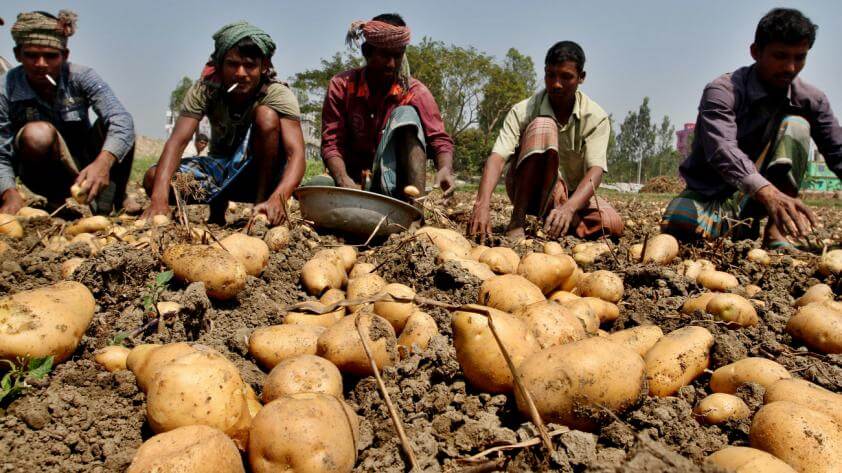
Bangladesh is the world’s seventh-largest producer of potatoes. Most of the crop is grown by small-holder farmers.

Akhter Hossain, a 46-year-old married father of three in the Chuadanga District, is one of them.

[H]e faces many challenges, including the high cost of inputs, a scarcity of cold storage facilities, and crop damage by insect pests and disease — particularly late blight disease (LBD).

To help small-holder farmers like Akhter Hossain, the Feed the Future Biotechnology Potato Partnership is using the tools of biotechnology to develop a genetically engineered potato resistant to late blight disease. By growing a disease-resistant variety, farmers will be able to reduce their use of fungicides and improve their yields, which means more money in their pockets at harvest time.

Agriculture Minister Matia Chowdhury recently reaffirmed the government’s support for genetically engineered (GMO) crop technologies to ensure sufficient food for the people of Bangladesh.

In 2014, Bangladesh approved the cultivation of genetically engineered Bt brinjal [eggplant], which can resist the destructive fruit and shoot borer pest. The production of Bt brinjal has helped farmers dramatically decrease their use of pesticides, and it also fetches a better price at the market due to its high quality.

Read full, original post: GMO potato can help Bangladeshi farmers cut pesticide use

The CRISPR Journal: New peer-reviewed publication dedicated to cutting edge research

DIWROrbXYAAq zc

Several features of CRISPR are behind the rise in the excitement that surrounds it. It is an incredibly easy to do, cheap, quick and accurate form of gene editing. For a detailed description of how it works, please read here.

Now, there is a journal dedicated to research in CRISPR. The CRISPR Journal is a new peer-reviewed journal and its inaugural issue was just released this past week. The first issue of The CRISPR Journal is available to read on the Journal website.

The journal will not only publish peer-reviewed research papers, but, also commentaries, personal stories, information from companies, and editorials.

The first editorial, written by [editor-in-chief Rodolphe] Barrangou, is named, “Keep Calm and CRISPR On” and sets the stage for the wide range of topics found in the issue.

Other topics in the first issue are a wide range of CRISPR related areas of research, including both historical perspectives and cutting edge research.

..

Kevin Davies, Executive Editor of The CRISPR Journal and Vice President of Strategic Development at Mary Ann Liebert, Inc [says,] “From CRISPR patents to conservation, gene therapy to plant gene editing, immune responses to bioinformatics, and a stunning review on the history of genome editing ‘before CRISPR,’ we think the launch issue captures the excitement and importance of this remarkable field.”

Read full, original post: New Journal Is All CRISPR, All The Time

Farmers, ag companies launch court challenge of California’s Prop 65 listing of glyphosate

Screen Shot at AM

On [Feb. 20], a national agricultural coalition presented arguments for a preliminary injunction before the U.S. District Court for the Eastern District of California for why California’s Proposition 65 listing of glyphosate should be halted until a final ruling is decided by the court and the judge has considered all of the facts.

In seeking a preliminary injunction, the coalition members stated that they would sustain significant reputational damage if forced to falsely label their products, placing them at a competitive disadvantage and threatening the agricultural supply chain by forcing farmers to stop using a preferred method of production that is already regulated by the federal government to ensure consumer safety.

The injunction also notes that forcing the coalition members to falsely label their product violates their First Amendment freedoms.

National Association of Wheat Growers (NAWG) chief executive officer Chandler Goule said, “It’s important for the California judge to have all the facts in hand, since the state ignored facts, data and science when it added glyphosate to the state’s Prop 65 list. In short, the preliminary injunction we are seeking would halt the implementation of the Prop 65 listing until a final ruling is decided by the court.”

Read full, original post: Ag coalition presents arguments in California glyphosate case

Reinforcing the human heart: Integrating human cells, electronics and nanomaterials

bigstock Virtual image of human heart w
Cardiac transplant candidates today face a problem faced oh so acutely by the Tin Man in The Wizard of Oz: Donor hearts are not so readily available, especially given the need for genetic tissue typing to match recipients with organs that are immunologically compatible in order to reduce the risk of organ rejection. But in many cases, however, a person can be very sick because just one region of the myocardium (heart muscle) is damaged, for instance due to ischemia (inadequate blood supply) persisting so long that the tissue dies (myocardial infarction [MI]). Restoration of circulation by opening up narrowed blood vessels via catheterization, or adding new vessels in a grafting procedure will not return the affected region to normal. It becomes a scar that sometimes must be removed or it can cause dangerous cardiac arrhythmias. Even if the scar doesn’t cause arrhythmias, it won’t beat normally with the healthy heart muscle that surrounds it; it’s just dead weight. However, if the damaged area is too large it can’t simply be excised, but it can be replaced with transplanted tissue that beats normally.

tin man 2 22 18But if you’re going to all of this trouble to intervene, why not then go further and implant something better, something that doesn’t merely beat like the rest of the heart, but also provides monitoring and, if needed, electrical stimulation and/or medication. Think of it as a combined myocardial tissue transplant, implantable heart monitor-pacemaker-defibrillator, and drug delivery device. It’s called a cardiac patch and it’s the ultimate in clinically active human enhancement.

The ultimate heart-enhancing device

The cardiac patch was created by Tel Aviv University (TAU) researchers Professor Tal Dvir and Ron Feiner, a PhD student in Dvir’s Tissue Engineering and Regenerative Medicine Lab.

“With this heart patch, we have integrated electronics and living tissue,” Dvir explained. “It’s very science fiction, but it’s already here, and we expect it to move cardiac research forward in a big way. Until now, we could only engineer organic cardiac tissue, with mixed results. Now we have produced viable bionic tissue, which ensures that the heart tissue will function properly.”

For several years, Dvir has been applying nanotechnology to create a tissue substitute consisting of biological cells merged with electronics. The merging of electronics and biologics makes the devices not only bionic, but completely cyborgish. Earlier versions of the cardiac patch could act as surrogate for damaged areas of the heart. They could beat and stretch similar to natural cardiac muscle. The new version adds the capability for remote monitoring. Just as patients today are fitted with portable cardiac monitors that sense cardiac electrical signals through chest electrodes, or in some cases implanted electrodes, and transmit the data via telemetry for analysis in real time, Dvir’s new cardiac patch can send out signals to hospitals and physicians. With the patch, however, the monitoring is integrated with the cyborg implant that’s functioning as part of the heart muscle itself.

“Imagine that a patient is just sitting at home, not feeling well,” Divr said. “His physician will be able to log onto his computer and this patient’s file – in real time. He can view data sent remotely from sensors embedded in the engineered tissue and assess exactly how his patient is doing.

When Dvir said that the physician could intervene, he didn’t mean by calling the patient to come in for a checkup. Depending on what the data show, the physician change the pace of the heart (make it go faster or slower), or administer drugs to make the heart work better or even to regenerate more tissue. Also, like various non-biological heart monitors in use today, the cardiac path also can be order to deliver defibrillating shocks.

heart 2 22 18Increasing automation

Eventually, the TAU team would like to add still more sophisticated electronics allowing the patch to work in a more automated fashion, plus they also are doing research for similar devices to integrate into the central nervous system (brain and spinal cord) when nervous tissue is damage by disease, or injury. With the cardiac patch, a future version might see both to its short-term and long-term welfare.

“If it senses inflammation, it will release an anti-inflammatory drug,” Dvir said. “If it senses a lack of oxygen, it will release molecules that recruit blood-vessel-forming cells to the heart.”

That idea may evoke science fiction images of cyborg implants gradually talking over the body. Consider, the Borg on Star Trek. But all technologies have potentially positing and negative applications. With the cardiac patch and envisioned patches in the central nervous system, the plans are for purely positive, life-saving, health-promoting applications. Yes, science fiction has dreamed up many negative cyborg scenarios, but there’s a simple reason for that: negative applications of technology produce conflict and any good storytelling depends on conflict.

Concerns about the distant future notwithstanding, the regular future is here. We’re not in Kansas anymore, Toto. We’re deep in the heart at the cellular level, with the 2016 version of the patch ready to save lives. Currently, approximately 25 percent of patients on the United States heart transplant waiting list (currently numbering more than 4,200 people) are at high risk of dying before a suitable donor heart becomes available. The cardiac patch has the potential to save many of them, not merely by stalling death until a donor heart is available, but by providing a way to repair their own hearts and avoid transplantation all together.

David Warmflash is an astrobiologist, physician and science writer. BIO. Follow him on Twitter @CosmicEvolution.

Blood test predicts autism with 90% accuracy

worried your child might have autism

New research, published Sunday [Feb. 18] in the journal Molecular Autism, might provide one of the first steps needed toward developing an accurate blood test for the condition. And along the way, it might also help us better understand why autism occurs in the first place.

European researchers looked at the blood and urine of 38 Italian children diagnosed with ASD and compared them to a similarly matched control group of 31 children who did not have autism. The children with autism were 7 and a half years old, on average. In those children, they found signs of damage to certain proteins found in blood plasma that were caused by complex processes that involve either oxygen or glucose.

They then created four different predictive algorithms that tried to tell whether a child had ASD or not, based on the presence of these biomarkers.

This algorithm predicted if a child had autism with 90 percent accuracy, and predicted if a child didn’t with 87 percent accuracy.

Children with ASD in their study were also more likely to show signs of their neurons having less amino acids available. That seems to reaffirm a popular theory that some cases of autism can be sparked by having a rare genetic mutation that causes the proteins responsible for transporting amino acids to become dysfunctional.

Read full, original post: Researchers Say They’ve Created a 90% Accurate Blood Test for Autism

What happened to the native Caribbeans? Ancient DNA could solve mystery

a ab cc d e

The Bahamas weren’t settled until 1,500 years ago. The people who settled there are known as the Lucayan Taino, and they and the other Taino communities of the Caribbean were the natives who met the first Spanish colonists in 1492. At the time, the Taino were thriving.

That didn’t last long; by the mid-16th century, smallpox and slavery had driven the Taino to the brink of extinction.

[I]t has never been clear how directly genetically related modern Caribbean residents are to their vanished ancestors. But the story, it turns out, is more complicated than simple extinction, and new DNA evidence helps fill in some of the gaps. Archaeologists found three relatively complete skeletons in Preacher’s Cave, a site on the northern end of Eleuthera Island in the Bahamas.

[T]he vanished people of the Caribbean didn’t actually disappear without a trace. Modern inhabitants of the Caribbean islands mostly have a mixture of African and European ancestry, but some have a little indigenous DNA as well.

Little knowledge of the Taino culture is left, but genes can record a history of social interaction that can at least help map out large-scale interactions. And it’s possible that DNA can also help us better understand the eventual extinction of the Taino.

Read full, original post: Ancient DNA sheds light on what happened to the Taino, the native Caribbeans