Non-GMO herbicide-tolerant canola to be grown in Canada this year

p nb fungicide jpg

Supporting modern agriculture while also selling into the market for non-genetically modified food seems like a contradiction.

But an American firm is hoping to pull off that high-wire act with its herbicide-tolerant canola, now for sale in Canada.

“Because it’s a non-GM product, we’re looking at this being aligned with production contracts (for non-GM canola),” said David Sippell, vice-president and general manager of Canadian operations for Cibus, a plant-breeding company based in San Diego, California.

Cibus has branded its canola seed as SU Canola. It’s tolerant of sulfonylurea herbicides and will be grown commercially in Canada for the first time this spring.

SU Canola has been sold in the U.S. since 2016, mostly in North Dakota.

A percentage of farmers abhor the idea of foods with a non-GMO label but it’s difficult for agri-business firms to ignore market signals.

“Cibus is not opposed to genetically modified products,” Sippell said. “But our technology is not a transgenic…. The (result) of that is we can play in the non-GM market because there is a demand at a consumer level…. We just want to fulfill that need in the marketplace.”

SU Canola isn’t transgenic because Cibus developed the herbicide-tolerant trait with a breeding technique it calls the Rapid Trait Development System. Essentially, the method is a more precise form of mutagenesis.

Read full, original post: Firm braves non-GM approach

‘Fully customizable’ genome: Replacing yeast’s 12.5 million base pairs piece by piece

original

Homo sapiens has had a tight relationship with Saccharomyces cerevisiae, the unicellular fungus better known as brewer’s yeast.

That doesn’t mean S. cerevisiae can’t be further improved—at least not if Jef Boeke has his way. The director of the Institute for Systems Genetics at New York University’s Langone Health, Boeke is leading an international team of hundreds dedicated to synthesizing the 12.5 million genetic letters that make up a yeast’s cells genome.

In practice, that means gradually replacing each yeast chromosome—there are 16 of them—with DNA fabricated on stove-size chemical synthesizers. As they go, Boeke and collaborators at nearly a dozen institutions are streamlining the yeast genome and putting in back doors to let researchers shuffle its genes at will. In the end, the synthetic yeast—called Sc2.0—will be fully customizable.

The result is high-speed, human-driven evolution: millions of new yeast strains with different properties can be tested in the lab for fitness and function in applications like, eventually, medicine and industry. [Postdoctoral fellow Leslie] Mitchell predicts that in time, Sc2.0 will displace all the ordinary yeast in scientific labs.

Sc2.0 may end up being the second most important achievement ever to feature yeast—after beer.

Read full, original post: In the future we won’t edit genomes—we’ll just print out new ones

Genetically engineered poplar trees, switchgrass could lead to more efficient biofuels

e fdf de de ff c PoplarRun

A research team led by the University of Georgia has discovered that manipulation of the same gene in poplar trees and switchgrass produced plants that grow better and are more efficiently converted to biofuels.

Due to the composition of plant cell walls, plant material is not efficiently broken down or deconstructed to the basic sugars that are converted to biofuels.

In a paper published … in Nature Biotechnology, the researchers report that reducing the activity of a specific gene called GAUT4 leads to lower levels of pectin, a component of plant cell walls responsible for their resistance to deconstruction.

[Debra Mohnen, a UGA professor of biochemistry and molecular biology] and a team of researchers at six institutions found that reducing the expression of GAUT4 in poplar and switchgrass led to a 70 percent reduction in pectin content and produced a 15 percent increase in sugar release. Unexpectedly, it also led to an increase in the growth of both plant species, an added benefit.

The increase in plant yield and sugar release—demonstrated in both greenhouse and field trials for switchgrass—bodes well for creating biofuels, an important alternative to fossil fuels. Switchgrass and poplar previously were identified by the U.S. Department of Energy as two biofuel feedstocks that can be grown on land that would not profitably support food crops.

Editor’s note: Read the full study (behind paywall)

Read full, original post: Gene improves plant growth and conversion to biofuels

Growing human organs in sheep could help solve transplant shortage

Sheep liver

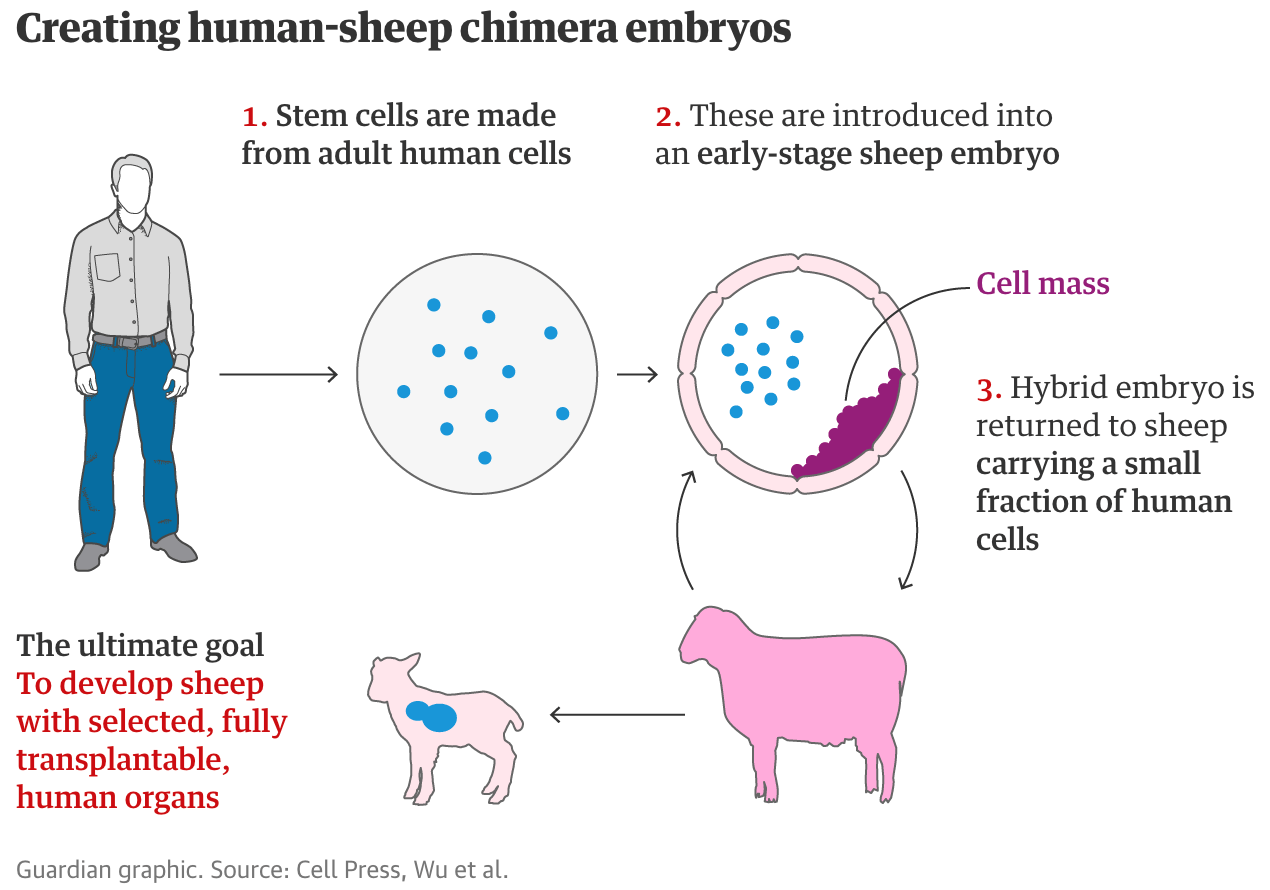
Growing human organs inside other animals has taken another step away from science-fiction, with researchers announcing they have grown sheep embryos containing human cells.

Scientists say growing human organs inside animals could not only increase supply, but also offer the possibility of genetically tailoring the organs to be compatible with the immune system of the patient receiving them, by using the patient’s own cells in the procedure, removing the possibility of rejection.

[Researcher Pablo] Ross and colleagues have recently reported a major breakthrough for our own species, revealing they were able to introduce human stem cells into early pig embryos.

[T]he team have announced that they have managed a similar feat with sheep embryos, achieving an even higher ratio of human to animal cells. “About one in 10,000 cells in these sheep embryos are human,” said Ross.

[T]here are several advantages to using sheep embryos, including that they can easily be produced by IVF, and that fewer embryos need to be transplanted into an adult, meaning fewer embryos are needed for an experiment.

Sheep also have certain organs – such as the heart and lungs – that are similar to ours.

Research with pigs is continuing, said Ross, noting that they have other benefits including speed of growth and the ability to produce more young at one time than sheep, meaning fewer animals are needed to produce more data.

Screen Shot at AM

Read full, original post: Breakthrough as scientists grow sheep embryos containing human cells

Viewpoint: Total ban on ‘bee-harming’ neonicotinoid insecticides is not the best path forward

f d cef a b dd f c koolzaad bijen shutterstock ab x

Calls to ban ‘bee-harming pesticides’ heightened last year following the release of new field studies on the effects of neonicotinoids, and against a background of reports of ‘ecological Armageddon’ in the form of declining insect populations.

However, some scientists have warned of unintended consequences. One fear is that farmers will replace neonicotinoids with alternatives that may be even more damaging for wildlife. A ban may also reduce the effectiveness of other chemical control measures: our over-reliance on a few chemicals has already led to pest resistance, a problem that could be exacerbated if farmers simply replace neonicotinoids with classes of pesticide which are already widely used.

With intensification of agriculture and a reduction in natural habitat implicated in declining bee populations, a predominant public focus on neonicotinoids also risks distracting us from other important factors affecting the health and abundance of bees and other insects.

[T]he best way forward may lie somewhere between a total ban and the widespread use of neonicotinoids which has occurred in the past. We would like to see a more judicious use of all pesticides, with a requirement for more targeted use. A neonicotinoid ban alone, without due consideration of potential yield losses and a clear strategy for alternative pest-control measures, could leave agriculture, and potentially insects, worse off.

Editor’s note: Gia Aradottir is a scientist at Rothamsted Research and Rebecca Nesbit is an ecologist and science writer

Read full, original post: We need a plan, not just a ban

Artist illustrates how humans ‘genetically modified’ food since the dawn of agriculture

Drake watermelon and carrot

Although genetically modified foods appeared recently, human beings have been altering unintentional plant genomes for millennia. Agriculture appeared around 10,000 years ago, and since then farmers have been responsible for manipulating a wide variety of crops. The sophisticated techniques used today were not employed during these processes but ultimately they involved genome modification.

One of the best examples of plant breeding is the case of maize (Zea mays). This plant has experienced so many modifications throughout history that its ancestor looks barely like the contemporary.

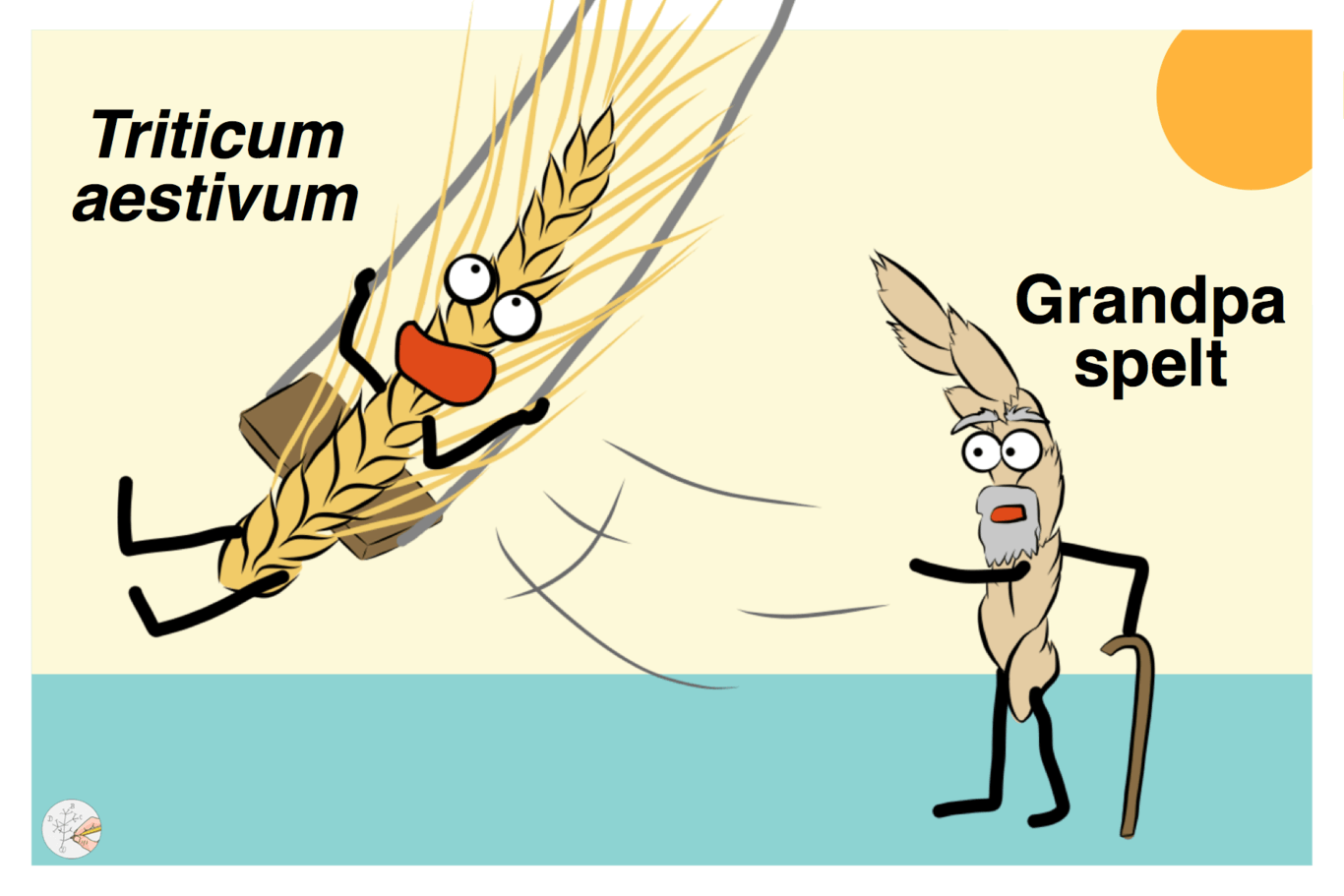
Wheat, another basic cereal for human nutrition, has a similar story.Grandpa spelt

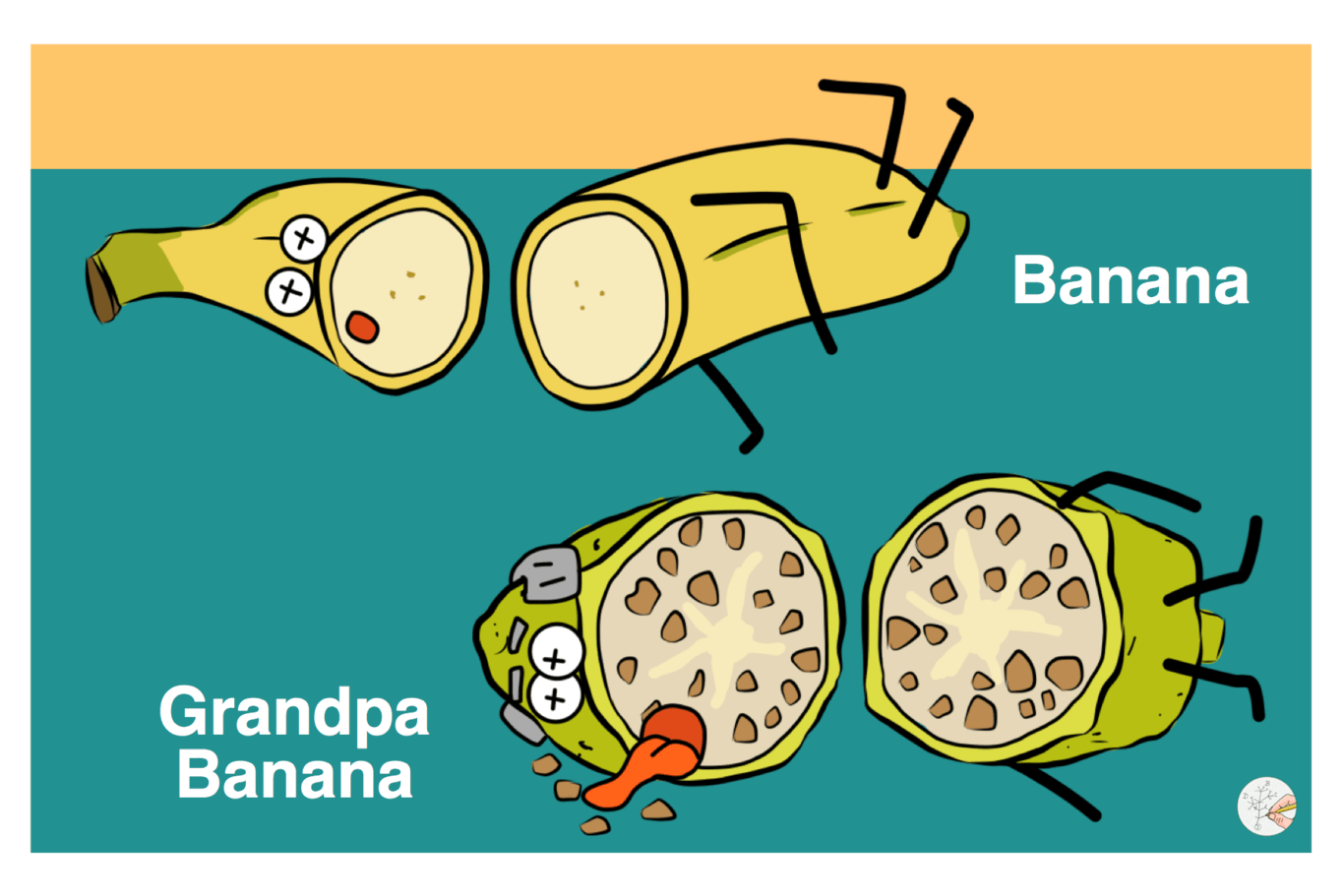
Humans have transformed not only cereals but also sweet fruits. The case of the banana is particularly remarkable, as the wild ancestor was made interior full of big seeds and white unappetizing flesh (Banana History Cultiv…).Banana grandpa

The watermelon (Citrullus lanatus) is an African member of the plant family Cucurbitaceae that has significantly evolved in the last millennia.

Another species that has changed a lot throughout time is the carrot (Daucus carota).

Drake watermelon and carrot

As you may have observed, humans have genetically modified crops for thousands of years, and this has led to a wide variety of new nutrient-rich species. However, this type of breeding takes time, and it is not very efficient. Plus, it is not possible to select only the desired genes. This is why genetic engineering is used nowadays.

Editor’s note: Estibaliz Urarte, who obtained her PhD in Plant Physiology from the Public University of Navarre in 2012, wrote this post. Ernesto Llamas, who obtained his PhD in Biotechnology from Universitat de Barcelona, did the illustrations.

Read full, original post: The great-grandparents of our fruits and vegetables

Keep hitting the gym: Exercise can help stave off brain deterioration

excercize

In recent years, there has been a groundswell of science-based evidence linking the triad of (1) brain health, (2) cognitive function, and (3) aerobic fitness. Increasingly, the neuroprotective benefits of staying active and physically fit are impossible to deny.

Adding to this mountain of evidence: A new study, “Cardiorespiratory Fitness and White Matter Neuronal Fiber Integrity in Mild Cognitive Impairment,” identified a link between lower levels of fitness and faster deterioration of white matter (WM) throughout the brain. The cohort for this study consisted of older patients at risk of developing Alzheimer’s disease who were showing early signs of memory loss. These findings are published in the latest Journal of Alzheimer’s Disease.

The authors sum up their findings in the study abstract: “Higher levels of cardiorespiratory fitness are associated with better white matter fiber integrity, which in turn is correlated with better executive function performance in mild cognitive impairment patients.”

Hopefully, the latest empirical evidence—in combination with the electrifying brain images above—will serve as a source of motivation for you to sit less and exercise more, regardless of your current age or state of cognitive impairment.

Most experts agree that 150 minutes of moderate exercise or 75 minutes of vigorous exercise per week is a target goal for most adults. That said, any amount or intensity of physical activity is always better than nothing.

Read full, original post: Can Being Out of Shape Speed Up Brain Deterioration?

Viewpoint: Anti-science activists beware—Uganda’s president knows GMO crops are good for farmers

museveni e

We came to learn about a month ago that [Ugandan] President [Yoweri] Museveni had referred the Biotechnology and Bio-safety Bill back to parliament for further debate.

He was reportedly concerned about some issues that according to him were not well clarified in the bill.

His refusal to sign the bill at that time was welcomed by many anti-science activists and some MPs that are now preparing to ensure it is not passed this time.

The truth, however, is that the president’s strong support for science and innovation is well known.

About 10 years ago he commissioned a modern biotechnology laboratory at Kawanda for the National Agricultural Research Organisation (NARO) to carry out agricultural biotechnology research.

The president has often blamed parliament for delaying to debate and pass the Biotechnology and Bio-safety Bill.

Last year on World Food Day in Rubanda District, the Minister of Agriculture Animal Industry and Fisheries, Vincent Ssempijja, urged farmers to embrace biotech crops.

Through biotech research NARO has come up with some solutions to the crop diseases and harsh climatic conditions that are killing and reducing our main food crops like bananas, cassava, sweet potatoes, and Irish potatoes, maize, and rice. Our president is an accomplished farmer to whom none of the mentioned issues is new. It is very likely he will later sign the bill when the clauses he queried are streamlined.

Read full, original post: Farmers should embrace technology

Viewpoint: CRISPR is for more than just human gene editing

Gene Editing Rid World of Diseases x header

If you’ve ever heard of CRISPR, it has most likely been in the context of human gene editing.

CRISPR itself threatens to be swept up in the controversy, forever branded as something that might be too dangerous to ever use. As a scientist who uses CRISPR in my research, this has me concerned that society is misunderstanding what is probably the greatest new scientific tool since genome sequencing arrived around 20 years ago.

My work in the lab of Charles Robin in the School of BioSciences uses CRISPR to understand the inner workings of insects. How do tiny flies, known as Drosophila, shape the pulses of hormones that control their growth from eggs to adults?

Basic research isn’t the only beneficiary of CRISPR. For many decades, the goals and dreams of synthetic biology — the field dedicated to creating new proteins, genomes and even organisms from scratch — reached far further than laboratory techniques could carry them. With CRISPR, building microbial factories to make medicines or industrial compounds has become far easier.

This all is just the tip of the CRISPR iceberg; its uses extend far beyond what I’ve mentioned here, and new applications are constantly being discovered. This is why it’s unfair to lump CRISPR together with editing human genomes — we risk misunderstanding this incredible tool, when we’re only just starting to realise what it’s capable of.

Editor’s note: Jack Scanlan is a PhD student in genetics at the School of Biosciences at the University of Melbourne

Read full, original post: The tip of the CRISPR iceberg

Biotech startup Indigo Ag aims to upend agriculture with microbiology

climate change indigo x
[David Perry, CEO of Indigo Ag, an agricultural-technology startup headquartered in Boston] sees an opportunity for Indigo Ag to lead or catalyze a change in the way industrialized agriculture is done.

Indigo Ag was founded to capitalize on the mutualisms among plants and their endophytic, in-plant microbial partners.

Their first product, Indigo Cotton™ (cotton seeds coated with their proprietary mix of microbes) was launched in the spring of 2016 in West Texas, and led to an 11 percent improvement in yield by protecting against drought stress.

Perry defines Indigo Ag’s place in the big picture thus: “We need about 70 percent more food than we currently produce—or rather than we deliver—to feed 10 billion people. Some of that can be managed through reducing waste and changing eating habits, but we have got to produce a lot more—let’s says 50 percent more.” As much as half of that additional production, he believes, will come from microbiology. Furthermore, he adds, “I think ultimately we have the opportunity to replace at least half of the chemical fertilizer used and maybe 90 percent of the chemical insecticides and fungicides.”

As for the remainder of the projected yield shortfall, Perry suggests that 20 to 30 percent is likely to come from genetic enhancements of staple crops, and the final 20 or 30 percent from “digital ag.”

Read full, original post: A New Green Revolution?

Africa could become a world agricultural leader in CRISPR and other new breeding techniques (NBTs)

Nigerian Farmers
It is 8:30 East African Standard Time.  I disembark from a van filled with science journalists from Kampala, Uganda and accompanied by stakeholders from Uganda National Farmers Federation at the National Agriculture Crops Resources Research Institute in Namulonge.

We are on a fact-finding trip about research and the application of modern biotechnology in crop development. Upon arrival the team is welcomed into the Biosciences Laboratory by Dr. Titus Alicia, director of the root crops program.

I take keen interest in observing what is going on at the cassava tissue culture lab, where Dr. Teddy Amuge is picking tiny cells from a transparent glass plate and analyzing them under a microscope.

Amuge explains that there are two basic steps in plant genome editing, and the same applies to the application of synthetic biology and nanotechnology.

“The emerging field of synthetic biology, nanotechnology and gene editing has been making waves in the global scientific community recently and this includes scientists working in different laboratories in Africa,” she tells me.

nbt 2 1 18 2
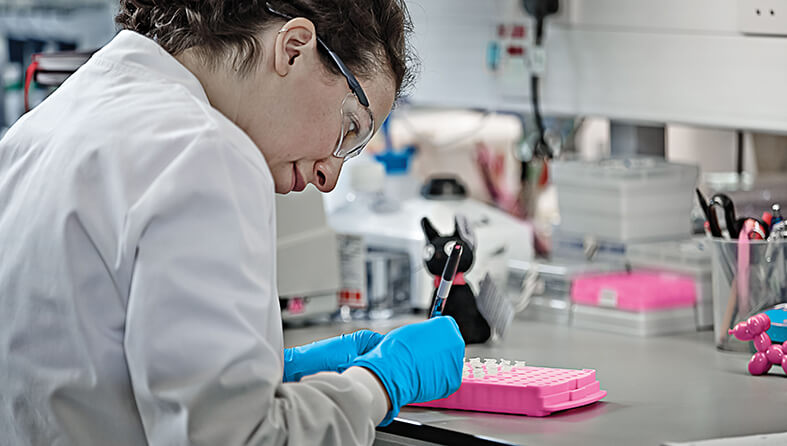
Dr. Teddy Amuge explains the cassava breeding process for resistance against CMV and CBSV at the tissue culture Lab in NaCRRI. Photo by Lominda Afedraru.

Emerging technologies in African labs

Agricultural scientists in Africa are already engaged in research in gene editing and synthetic biology. In Amuge’s eyes, synthetic biology is broadly understood as the deliberate design of novel biological systems and organisms that are drawn on principles explained by biologists, chemists and physicists in redesigning life:

This is because the fusion of most metabolic pathways such as the one for plant cell wall circuits is so large. Scientists engaged in such research work use the routine engineering techniques called decoupling and abstraction to break the whole circuit into smaller pieces. Each piece has to be tested prior to assembling them.

There have been controversies surrounding the applications of genetically modified crops, she said. But now more than 90 percent of certain crops in the US are genetically modified.

With organizations opposing GM products, she sees a need for the public in Africa to understand that there is yet a new paradigm shift by scientists as they look to apply emerging technologies (often referred to as NBTs) in plant breeding.

How the breeding process is done

Amuge explained her research in synthetic biology:

Plant synthetic biology has been recently effectively applied in embedding of completely artificial genetic code tracks into naturally existing plants. The solid foundation of synthetic biology is rooted from a technology that characterizes the molecules and the way that the networks of molecules behave. While genetic engineering deals with transfer of single genes or combination of single genes into a crop genome.

Amuge is developing disease-free cassava at the laboratory in Namulonge. This includes identifying a gene within a plant that is retarding its growth and is eliminated in order for the plant to continue growing normally. This is accomplished by silencing the infected gene and boosting existing ones whose functions enable the plant to grow well.

This technology also can be used to eliminate a gene that makes a plant vulnerable to a disease or to modify a gene to boost a plant’s nutrients. This new field of plant breeding has emerged in recent years and is expected to support rapid, precise and robust improvements in plant breeding process:

Every single behavior of a plant is controlled by a gene. When a scientist identifies a stunted plant, he or she can silence this gene in the laboratory to enable the plant grow tall, or you simply delete the gene and eliminate it in the life cycle of the plant. There are genes which control disease resistance in the plant. It is the duty of scientists to ensure these genes are expressed for the plant to resist certain diseases for it to grow normally. We are now moving away from sourcing genes in other organisms to be inserted in plants that are challenged for resistance.

Synthetic biology is not new. It’s been used over the years by scientists in the health sector and those in agriculture are now trying to catch up.

Gene editing

As for the use of gene editing in the health sector, she said scientists usually identify a plant that contains properties of a drug because all plants have a composition of biological chemical. For instance, the Neem tree has anti malaria properties.  Pharmacists reproduce chemicals with properties exactly like that to develop anti malaria drugs.

Gene editing is being done by a few scientists in Uganda for research purpose. As for Amuge, she is researching the gene components that cause tolerance in cassava against Cassava Brown Streak Virus (CBSV).

nbt 2 1 18 3
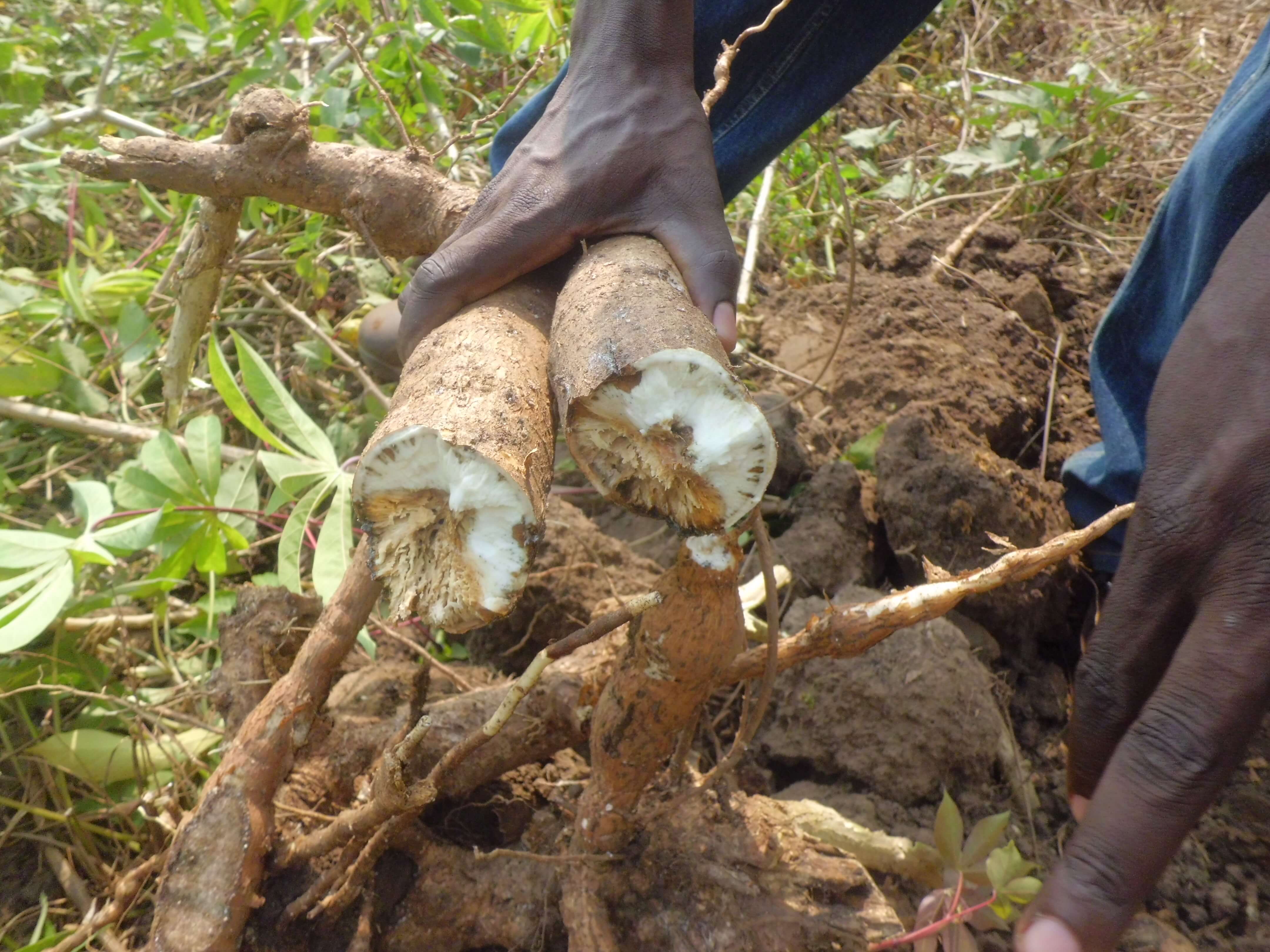
Rotten cassava tubers on the same farm as a result of CBSV infection. Photo by Lominda Afedraru.

“I have studied the plant characteristics to understand the behavior of the gene component. I have discovered those genes that tolerate the virus and in the next stage I can now carry out gene editing to cause resistance to the virus and develop plants which are totally free from CBSV,” she said.

She believes the arguments and controversies arising from the use of gene editing and synthetic biology in plant breeding will continue to boil. But that won’t discourage agricultural scientists globally, as they strive to improve plant breeding.

Dr. Titus explains that scientists in Uganda, East Africa and Africa are already applying technology of gene editing, nanotechnology and synthetic biology in their research work in the various agriculture laboratories across the continent. In many NBTs, there is no introduction of so-called “foreign genes,” which was often the focus of criticism from anti-biotechnology groups who claimed genetic modification altered the “natural” biological state and introduced novel risks. Titus said:

These technologies do not require adding a new gene from a plant for resistance. For the case of nano technology in cassava breeding we simply obtain a tiny small gene which we mimic to diagnose the Cassava Mosaic Virus and Cassava Brown Streak Virus. For example we can insert 1 mm diameter of the mimicked gene to get about 2,000 of them. This helps us in identify the organism causing these diseases. At the end of it we get recombinant genes in the breeding process to resist both diseases.

Research scientists follow scientific regulations that govern biotech research globally but since the products have not yet been released for trials in Uganda and other African countries, it is not yet known if there is a national regulatory framework, he said.

Legal framework and comparisons

Dr. Jan Hennie Groenewald, executive manager for Biosafety South Africa, offered an overview of NBTs. He said it is important for scientists in Africa to develop agricultural products using emerging technologies because they may not be subjected to the strangulating regulations that have all but prevented the introduction of GMOs in most of the continent.
He argues that scientists in the health sector have been developing generic drugs using synthetic biology and these drugs have helped in curing patients suffering from sicknesses caused by different diseases. And research is proceeding on developing genetically-altered mosquitoes that could sharply reduce the incidence of malaria. Groenewald said:

Scientists breeding mosquitos for malaria prevention are already using synthetic biology in the breeding process. This is because there are over 300 species of mosquitoes in the world and those causing malaria are probably two or three. Scientists have silenced the gene that causes reproduction during mating to cause disappearance of female mosquitos in the environment because they are spreading and causing malaria infection in human population. Scientists in Uganda at the Virus Research Institute with their partners in Senegal are already carrying out research in the same.

If the public is opposed to GMO products then scientists in Africa should breed plants using emerging technologies, which are easier to apply and cheap. To him, regulators should not impose heavy restrictions on the use of emerging technologies because any changes in the plant as a result of using CRISPR or most other NBTs could occur naturally although it would take a longer period of time.

For example, scientists in the US have bred mushrooms that remain fresh and do not immediately brown even if they are kept for a longer period after harvesting. This, he said, can and should be done by scientists in Africa.

Lominda Afedraru is a freelance science journalist in Uganda who specializes in agriculture, health, environment, climate change and marine science. Follow her on the Daily Monitor web site www.monitor.co.ugFacebook or Twitter @lominda25.

Why biodiversity might not always be such a good thing for our health

bio
The entire paper is an enormous bummer,” Chelsea Wood told me during the annual meeting of the Ecological Society of America in Portland, Oregon in August [2017]. She was referring to research she had published in June as part of a special theme issue, which she had helped to compile and edit, of the Philosophical Transactions of the Royal Society B. The issue explored the link between biodiversity and infectious disease, and Wood had just presented her findings before a packed room. It was a tough audience, she said.

“The news that ecologists want to hear is that biodiversity is something that we can market as an intervention that has co-benefits — an intervention that pays for itself,” she said. “And we don’t see any evidence of that in our data set. Not even a hint of it.”

Wood is an assistant professor at the University of Washington’s School of Aquatic and Fishery Sciences, and she is a prominent voice on one side of what has become a contentious and heated ecological question: Is biodiversity beneficial to human health or not? The argument centers around what’s known as the “dilution effect” — the idea that preserving and protecting an abundance of other species can help to dilute the risk of diseases spreading among humans.

The notion was first proposed in 2001 in relation to the spread of Lyme disease, and in some circles, it has become settled science. “The evidence is already in,” Newsweek declared in 2009. “The loss of biodiversity is itself a threat to public health.” In 2015, the Earth Island Journal asserted unequivocally that “biodiversity limits disease outbreaks among humans and wildlife.”

species 1 5 18 2Proponents of the theory believe the dilution effect is widespread, and they champion human health policies that include conservation initiatives. But critics say the evidence for this remains thin, and they call such ideas both panglossian and irresponsible. Both sides have sizeable support among researchers, and the back and forth in scientific journals has become acrimonious at times.

That’s how science is supposed to work, of course. The problem is that very little coverage of this debate has migrated into the popular science press — and in that sense, science journalists are succumbing to the same sort of publication biases that we bemoan among scientists themselves: Studies that support appealing ideas get widespread coverage, while ambiguous findings or ones that counter “feel good” stories are ignored.

Presenting a false balance, as is often seen with climate change reporting, is problematic. But so, too, is presenting a false consensus. It undermines the public’s understanding of science while providing ammunition to those claiming the media is biased and unreliable.

Intuitively, the dilution effect makes sense.

Take West Nile virus, for example. It’s a bird disease, but people can catch it when bitten by Culex mosquitoes. Where there are more birds overall, it would be statistically less likely for a female mosquito to bite an infected animal, reducing the number of infected mosquitoes buzzing around. Similarly, mosquitoes that are infected would be more likely to come across and seek out a blood meal from another bird than from a human. And some bird species will be more resistant to the infection, helping to check its overall spread.

All of these mechanisms would lead to a “dilution” of the disease and ultimately, a reduction in the number of human disease cases — or at least that’s the theory. It’s also exactly what researchers in a 2008 study published in PLOS One found. When they compared bird species richness to West Nile transmission during the 2002 outbreak in the eastern United States, they found a strong, negative correlation between the diversity of birds and cases of the virus. And they aren’t the only ones to find evidence for a dilution effect. A 2015 meta-analysis boldly states so in its title: “Biodiversity inhibits parasites: broad evidence for the dilution effect.”
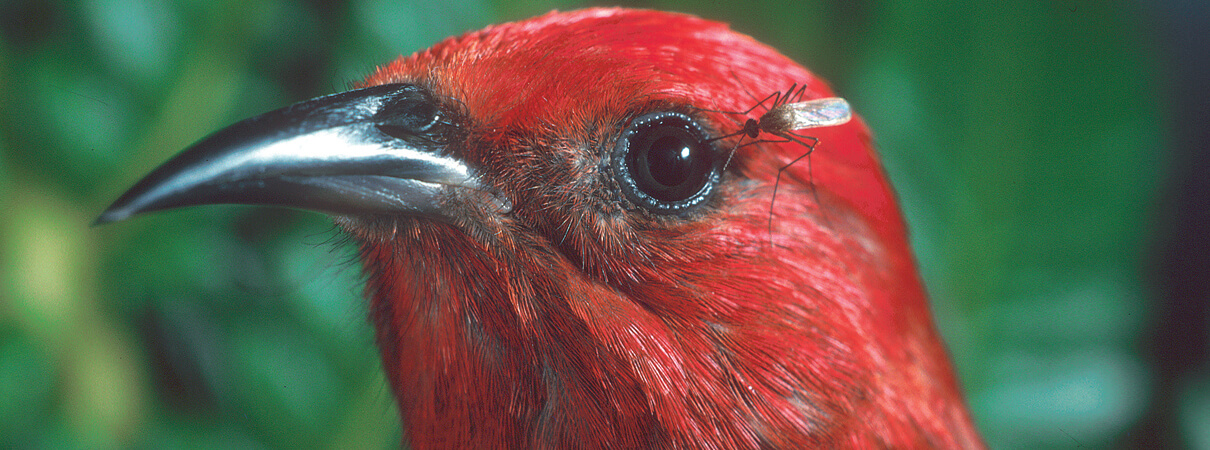
species 1 5 18 3Jason Rohr is an associate professor at the University of South Florida and senior author of that paper. “There was general support for the hypothesis that when you increase biodiversity you get decline in parasites per host or in parasite prevalence,” he told me in an interview. The results are convincing enough that Rohr says conservation should be seen as a prophylactic. Much like exercise and a balanced diet are considered effectively safe methods of supporting health, “general biodiversity conservation,” he said, “should be approached as a general proactive strategy to disease management.”

But that’s where critics of the dilution effect strongly disagree. They see the literature very differently.

“A key element of their argument is that our previous meta-analysis, which failed to find unequivocal support for dilution effects in zoonotic disease systems, should be discounted,” write Daniel Salkeld and his colleagues in a critique of the paper by Rohr and his colleagues. Their work focused in on just human pathogens, and found “weak support at best for the dilution effect” and “evidence of publication bias toward publishing reports of a negative relationship between biodiversity and disease,” Salkeld argued.

The bitter debate isn’t just about interpretation of results. Critics also say the research to date is flawed because it has only examined a small subset of human pathogens. Studies focus on accessible disease systems like Lyme and West Nile virus — ones that Wood says almost exclusively affect affluent Westerners. Rohr and his co-authors included just 14 human diseases, for example (though the analysis included schistosomiasis, which predominantly affects the developing world).

By broadly claiming the majority of infectious diseases will follow the patterns of West Nile and Lyme, Wood says Rohr and other proponents are trying to apply a “pretty thinly supported idea that’s been demonstrated only in diseases of rich people” to diseases of poverty in developing countries.

That’s why she and her colleagues decided to focus on the infectious diseases tracked by the World Health Organization’s global burden of disease database instead. “We felt like it was really important to figure out whether dilution worked for these more important diseases because people were starting to call for conservation as this intervention,” Wood told me, “and we felt that was really irresponsible because the evidence is so thin.”

Wood and her colleagues examined the change in disease burden for 24 infectious diseases over two decades, including notorious killers like HIV/AIDS, tuberculosis, and malaria. Using per-person disability-adjusted life years as their measure of lethal and non-lethal health impacts, they examined a variety of potential drivers of these diseases in 60 intermediate-sized countries, including forestation and urbanization — which Wood considers proxies for biodiversity tied to conservation action — as well as a calculated measure of biodiversity per unit area.

“Contrary to the dilution effect hypothesis, increases in biodiversity over time were not correlated with improvements in human health, and increases in forestation over time were actually associated with increased disease burden,” the authors concluded. Or, as Wood puts it, “If anything, conservation is potentially a problem for infectious disease transmission.”

Of course, Rohr and other proponents were quick to find flaws with this analysis.

“I could go on and on and on and talk about all of the factors that are conflated with biodiversity by using urbanization or deforestation as a proxy,” he told me. To Rohr, the study doesn’t “provide a real solid test of the hypothesis relative to studies that do a better job of isolating the effects of biodiversity.”

And so continues the disagreement among scientists — a debate that remains invisible for many general readers.

Indeed, based on media coverage over the last 10 years, it would seem the dilution effect is universally supported.

“A new study shows that biodiversity serves as a bulwark against the transmission of diseases and parasites,” Conservation Magazine’s Sarah DeWeerdt writes in an article covering the 2015 meta-analysis by Rohr and his co-authors. DeWeerdt’s piece was titled “The bloodsucking consequences of biodiversity decline.”

Such stories sometimes include conditional words like “may” and “might,” but they often fail to provide voices of critics like Wood. And while there have been instances of balanced coverage — by NPR, for example, or Takepart, or a nuanced piece, which included Wood’s perspective, published by Smithsonian magazine in May — such articles tend to take their inspiration from new research and papers that support the dilution hypothesis, relegating Wood and her colleagues to counterpoints instead of leads.

Sometimes, counterpoints are lacking altogether. “Biodiversity protects ecosystems against infectious diseases, researchers have concluded,” a 2010 Nature news story boldly stated. The only outside comment comes from Conservation International senior scientist Will Turner, who did not doubt the universality of the findings. “The clear message is that we degrade ecosystems at our own peril,” Turner told Nature. Similar coverage came from NPR.

But the most glaring issue seems to be what studies are chosen for coverage. Those that find evidence for the dilution effect are readily picked up by a diversity of outlets. A search for “dilution effect” brings up article after article on such studies, including coverage in prestigious outlets like The New York Times. Studies that find amplification of disease by biodiversity or no relationship at all are generally overlooked. I could only find these two old pieces from Futurity and Bioscience Technology reporting the meta-analysis that didn’t find support for the dilution effect, and a few articles in outlets like The Scotsman and Farmer’s Weekly covering a recent paper suggesting biodiversity may actually increase risk of Lyme disease.

“When papers that support the dilution effect come out, they tend to get tons and tons of press coverage,” said Wood. “In contrast, when you’re telling the story that nature is actually dangerous for people, that has less legs.”

The bias in reporting gives the impression that the dilution effect is fairly uncontroversial. But ecologists as a group are far less certain than such coverage would suggest. “We have a lot of people now who are of the opinion that sometimes you see dilution, and sometimes you see amplification, and sometimes neither,” says Skylar Hopkins, a postdoctoral associate with the National Center for Ecological Analysis and Synthesis at the University of California, Santa Barbara. Andrew MacDonald, a National Science Foundation postdoctoral research fellow at Stanford University, echoed this idea. “At least at this stage, there’s a lot more that we need to learn about the ecology of disease,” he said, “and how it relates to diversity.”

Both researchers say they are somewhat frustrated that the press coverage they’ve seen so far is lopsided. “It’s not necessarily exciting to share work that has a whole bunch of caveats,” MacDonald said. “The challenge for science journalists in general is how to talk about scientific uncertainty and how to get that across to the general public, who might be more interested in a yes/no answer,” MacDonald says.

Hopkins adds that hypotheses like the dilution effect need to be handled with extra care. “The argument here is that we can reduce human risk of disease and that’s a really big deal,” she said, “so we don’t want to promise that if that’s not something that can actually be delivered as a solution.”

Ultimately, that’s Wood’s biggest concern, too. “We need to not close our eyes to the fact that conservation can sometimes increase human disease risk,” she said.

Of course, Wood would be upset if her research was used as an excuse to halt conservation efforts. “I didn’t get into this business because I want people to cut down forests,” she emphasizes. But she also fears that claiming conservation will broadly reduce disease could lead to unintended consequences.

“My position is not that the dilution effect never happens — that is absolutely the opposite of what I think,” said Wood, pointing out several studies that have found evidence. “But there’s also whole bunch of parasites that show the opposite response.” Wood says she “would be 100 percent behind efforts to use conservation to control infectious diseases,” if those efforts put the time and resources into examining how their actions affect the diversity of human pathogens in the area.
species 1 5 18 4“Our argument is that you really need to understand the whole spectrum of responses of disease to environmental changes, because otherwise, conservation is a roll of the dice in terms of public health,” she explained. “We want people to go into conservation with their eyes wide open so that they can plan for potential collateral impacts.”

Any associated costs with implementing disease monitoring or prophylactic measures given that risk, Wood says, are “very minor when compared to the potential damage you could do through a conservation project that initiates an epidemic.”

It’s a sentiment that journalists would be wise to heed as well. After all, when covering hypotheses like the dilution effect that are hotly debated amongst scientists, the costs of diligent coverage are minor compared to the potential harms of shoddy reporting.

One-sided coverage not only undermines the media’s credibility and the public’s trust in the process of science. Such weighted stories imply advocacy, even if carelessly. And if, as Wood supposes, an outbreak occurs after our tacit approval, then we, too, would share in the blame for the lives destroyed by it.

Christie Wilcox is an award-winning science writer and Discover Magazine blogger based in the greater Seattle area. You can follow her work on Twitter (@NerdyChristie) and Facebook.

This article was originally published on Undark as Is Biodiversity Beneficial to Human Health? Maybe Not. and has been republished here with permission. 

Why don’t more women pursue STEM fields? There’s no easy answer

education in STEM

Many academics in the modern world seem obsessed with the sex difference in engagement with science, technology, mathematics, and engineering (STEM) fields. Or rather they are obsessed with the fact that there are more men than women in some of these fields.

These interpretations are not surprising and they include sexism, stereotype threat, and more recently implicit bias and microaggression.

[W]omen are awarded 57 percent of undergraduate STEM degrees, but with substantial differences across fields. Women earn the majority of degrees in the life and social sciences but less than 20 percent of the degrees in computer science and engineering, sex differences that have held steady for several decades.

[C]ountries renowned for gender equality show some of the largest sex differences in interest in and pursuit of STEM degrees, which is not only inconsistent with an oppression narrative, it is positive evidence against it. Consider that Finland excels in gender equality…. Yet, Finland has one of the world’s largest sex differences in college degrees in STEM fields.

We believe that with economic development and advances in human rights, including gender equality, people are better able to pursue their individual interests and in doing so more basic sex differences are more fully expressed…. Men prefer occupations that involve working with things (e.g., engineering, mechanics) and abstract ideas (e.g., scientific theory) and women prefer working with and directly contributing to the wellbeing of others (e.g., physician, teacher).

[I]nterventions focused on [girls that are interested in mathematics over reading] (e.g., individual mentoring) holds much more promise for increasing the number of women in inorganic STEM professions than do currently vogue interventions that focus on purging the wider society of stereotypes, implicit bias, and microaggressions.

Editor’s note: David C. Geary studies sex differences and is a professor in the Department of Psychological Sciences and Interdisciplinary Neuroscience at the University of Missouri. Gijsbert Stoet is a professor of Psychology in the School of Social Sciences at Leeds Beckett University (UK).

Read full, original post: Sex and STEM: Stubborn Facts and Stubborn Ideologies

First land plants may have appeared 100 million years earlier than previously thought

df b b

A seminal event in the Earth’s history – when plants appeared on land – may have happened 100 million years earlier than previously thought.

Land plants evolved from “pond scum” about 500 million years ago, according to new research.

These early moss-like plants greened the continents, creating habitats for land animals.

The study, based on analysing the genes of living plants, overturns theories based purely on fossil plant evidence.

“Land plants emerged on land half a billion years ago, tens of millions of years older than the fossil record alone suggests,” said study author, Philip Donoghue of the department of Earth Sciences at the University of Bristol.

“This changes perception of the nature of early terrestrial environments, displacing pond scum in favour of a flora that would have tickled your toes – but not reached much higher. ”

Early plants would have provided a habitat for fully terrestrial animals, which emerged onto land at much the same time, he said.

This coincides with the time period when life became more diverse and abundant in the seas – an event known as the Cambrian explosion.

Editor’s note: Read the full study

Read full, original post: Origins of land plants pushed back in time

CRISPR ‘black box’ tells us what’s happening inside human cells

black

To get a peek inside the cell, scientists at the Broad Institute of MIT and Harvard have developed a sort of “black box” for both human and bacterial cells.

They designed two different systems for doing so, dubbed CAMERA 1 and CAMERA 2, each relying on different CRISPR components. In CAMERA 1, they used the cutting component of the CRISPR-Cas9 system.

They injected little circles of DNA called plasmids into bacterial cells that the cells can replicate. They used two different plasmids that had the same origin but were ever-so-slightly genetically different. The cell, it turns, naturally maintains the same number of total copies of those two plasmids. So if you use CRISPR-Cas9 to cut one of the plasmids, the cell will produce more of the other. Program CRISPR to cut the plasmid in response to certain stimuli, and you have a way to monitor cellular activity.

In the CAMERA 2 system, they used what are known as base editors—which can change individual letters of genetic code—to record cellular events as changes to the DNA sequence

These two new methodologies are a significant advancement, though, because they combine several features of past systems, such as allowing for the recording of the intensity of a cell signal, recording multiple signals at once, recording the order in which those signals occur, and working in human cells.

Read full, original post: Made a ‘Black Box’ for Recording Data From Human Cells

CRISPR revolution could level the playing field for crop biotech companies

http F Fi huffpost com Fgen F Fimages Fn CRISPR CAS x e

For agriculture, [CRISPR] technology is a new way to instill crops and livestock with desirable traits — or to remove unwanted ones — more quickly than traditional breeding, and without incorporating genes from foreign organisms. Whether the CRISPR method will encounter the same social opposition as genetic engineering is unclear, as is the global regulatory outlook for farm goods produced with the technique.

Yield10 Bioscience, a company developing crops with CRISPR, is optimistic that gene editing will be more socially accepted than transgenic GMOs, since there’s no foreign DNA inserted into the plant.

“You’re just using what’s available in the crop,” said Olly Peoples, the company’s president and CEO.

Such gene changes occur during traditional crop breeding, albeit less rapidly, he said.

The technology is also being used to improve shelf life and increase fungal resistance, Peoples said. It’s likely people will prefer to eat gene-edited crops, for example, than those sprayed with fungicide.

Of course, some segments of the population are bound to object to gene editing, just as they continue to oppose vaccines, Peoples said.

Compared to transgenic GMOs, editing crop genes with CRISPR is much faster and cheaper, he said.

“It gives small players a fighting chance,” he said.

Read full, original post: CRISPR: The latest word in genetics

Can insect-resistant GMO Bt corn help Kenya fight crop pests and climate change?

women in agriculture o

Elizabeth Nduku, a smallholder maize farmer in [Kenya], is dejected. Her crop is worse off than the previous seasons.

This is because other than the usual drought that normally devastates the crops, a new threat has come into the picture: fall armyworm.

But there could be hope for these farmers after all.

[Murenga Mwimali, principal scientist and maize breeder at the Kenya Agricultural and Livestock Research Organization] said the organisation had already developed better seeds to counter the predatory worms and drought and is in the process of developing even more hardier and resilient crop seeds that could alleviate the challenges facing the farmers in the region.

He said climate changes bring along new problems to agriculture by providing conditions that are prime for these challenges to thrive hence strategies have to be put in place to help in battling the twin challenges alongside any emergent complications.

There are Bt (Bacillus thuringiensis) genes that can control the fall armyworms, which if harnessed, could work well as a control strategy for the pest, according to the scientist.

[W]hile the country seems to be edging closer to approving genetically modified organisms, which could be handy in controlling the emergent farming adversities, they could essentially be the solution to stopping these challenges.

Read full, original post: Hope for farmers battling armyworm

Ovarian cancer could be linked to father’s X chromosome

early diagnosis current research hero

Data from a large, long-term study of US families indicates women may inherit ovarian cancer through the X chromosome passed down from their dad, independently of genes on other chromosomes already associated with the aggressive condition.

Dr [Kevin] Eng and his team have identified a potential gene on the X chromosome associated with the early onset of ovarian cancer, they reported [February 16] in the journal PLOS Genetics. But much bigger genetic studies need to be done to identify whether any specific mutation exists, he stressed.

Women have two X chromosomes. One is inherited from their mum, the other is inherited from their dad. BRCA mutations are on non-X chromosomes, meaning a daughter has a 50/50 chance of inheriting the mutation. But all daughters in a family would inherit an X-linked mutation if it existed.

The team trawled through data that had been collected over 30 years on the Familial Ovarian Cancer Registry and identified more than 890 grandmothers with ovarian cancer who had granddaughters with the condition.

Around 28.4 per cent of the paternal granddaughters had ovarian cancer, compared to 13.9 per cent of those with a maternal grandmother.

“If we are right and the pattern does seem to be X-linked, eventually we’ll be able to nail down a variant … and begin to think about how to change the screening patterns [to identify people at risk],” [said Dr. Eng]

Read full, original post: Ovarian cancer may be passed down through dad’s X chromosome

Viewpoint: Science-based biotech regulations could unlock a new agricultural revolution

maxresdefault e

The discovery of DNA and new developments in information and nanotechnology provide the foundation for a new agricultural revolution that will enhance productivity and reduce, or even eliminate, some of the negative side effects of agricultural production. Furthermore, they provide the foundation for a new bioeconomy that will expand the range of products derived from agricultural and natural resource sectors to provide feedstock for fuel, fiber, and fine chemicals. … The notion of sustainable development that would allow improvement of human welfare globally, while sustaining and improving environmental quality of our planet depends on a progressive and advanced agrifood sector and an effective and efficient bioeconomy.

Modernization of agriculture requires investing in and expanding educational systems to improve the capabilities of consumers and farmers. There is a growing commitment to significant and sustainable investment in research, extension, technology transfer, and expansion of the model of the educational-industrial complex around the world. While developing regions are likely to be the major beneficiary of new discoveries with agricultural biotechnology, they haven’t gained much from this new capability because of restrictive regulations. Science-based regulations that balance benefits with risks will lead to adoption of and development of new agricultural capabilities and allow developing countries to better address their resource challenges.

Editor’s note: David Zilberman is a professor in the Agricultural and Resource Economics Department at the University of California – Berkeley

Read full, original post: Guest commentary – Agriculture as economic development