Doctors at a Florida hospital’s emergency department were startled in May [2017] to discover the words “DO NOT RESUSCITATE” tattooed on an unconscious man’s chest.
…
Should they respect the request or not? The default position for contemporary ethics is always to respect a patient’s autonomy.
…
True, the unknown patient had not filled out Florida’s official advance directive form. But a tattoo indicated “forethought and mindfulness”. Fortunately, with the help of social workers, the hospital managed to identify him. The patient had wandered away from a nursing home and – to the doctors’ relief — he had actually completed an official “do not resuscitate” form. He died later in the day. There is a serious side to this peculiar anecdote.
…
People change their minds more quickly than they change their tattoos or formal instructions. They may not be a faithful representation of the frame of mind of a patient at the very moment when they are most needed. A heart attack victim may want to cling to life; a quadriplegic may settle into his new circumstances; a demented person may be happy. Binding instructions for doctors written months or even years before may be wrong. And if they are, the patient won’t be around to explain things. He’ll be dead.
Among the biologists, geneticists and historians who use food as a lens to study the African diaspora, rice is a particularly deep rabbit hole. So much remains unknown about how millions of enslaved Africans used it in their kitchens and how it got to those kitchens to begin with.
That’s what made the hill rice in Trinidad such a find.
The fat, nutty grain, with its West African lineage and tender red hull, was a favored staple for Southern home cooks during much of the 19th century.
…
This was the rice of their ancestors, sustaining slaves and, later, generations of Southern cooks both black and white.
Even Thomas Jefferson was a fan. … But by World War I, the rice had all but disappeared, a victim both of cheaper imports that were easier to produce and of the Great Migration, in which millions of African-Americans left the rural South.
That’s why B.J. Dennis, a Gullah chef from Charleston, was stunned to find the rice growing in a field in Trinidad, tended by a farmer descended from slaves who once lived in Georgia.
…
If all goes well, it may become a commercial crop in America, and a menu staple as diners develop a deeper appreciation for African-American food.
A new study of the global CRISPR patent landscape … provides the most detailed insight yet into how entities are seeking to protect their inventions relating to the revolutionary technology.
Speaking exclusively to IAM, the report’s author Aditi Das outlined its notable findings, such as DowDuPont’s surprise emergence as the biggest IP holder in the field.
…
The study by iRunway, entitled ‘CRISPR: Global Patent Landscape’, provides an unprecedented analysis of the patents filed for the revolutionary gene-editing technology, whose market is expected to rise from $3.19 billion in 2017 to $6.28 billion by 2022.
…
DowDuPont – the world’s largest chemical company recently merged from Dow and DuPont – is now the single biggest owner of CRISPR patents and applications globally with 514, or 12% of the total. “Though there has been so much coverage of the dispute between the Broad and the University of California,” Das told IAM, “it is DowDuPont that has emerged as the leader in this field. That was a surprise for us, and will turn people’s heads”.
However, the significance of this finding is unclear at this stage. It will take further research, says Das, to determine whether DowDuPont has any rights to core CRISPR technology akin to those of the Broad Institute and the University of California.
Read full, original post: DowDuPont revealed as the surprise leader in global CRISPR patents; study points to potential trouble ahead
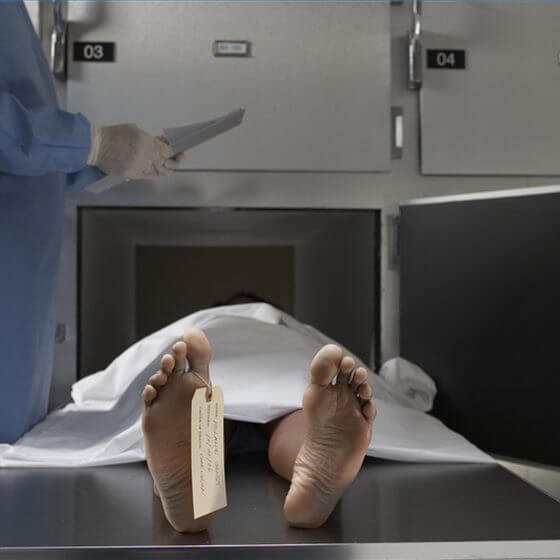
Thanks to an extensive new survey of gene activity in human tissue after death, computational biologists have taken the first steps toward predicting when someone died based on those patterns.
…
[Computational biologist Roderic Gugió] and his colleagues looked at 9,000 samples of 36 tissues, “an impressive data set,” [computer scientist Ilias] Tagkopoulos says. Each sample included data on the time between the death of the donor and the preservation of the sample. Each tissue has a distinct pattern of increases and decreases in gene activity over time, and these changes can be used to backtrack to the time of death, the team reports [February 13] in Nature Communications.
“The response to the death of the organism is quite tissue specific,” Guigó explains. For example, there was very little change over time in the brain’s or spleen’s gene activity, but more than 600 muscle genes either quickly increased or decreased activity after the loss of life.
…
The majority of gene activity changes, both increases and decreases, occur between 7 and 14 hours after death. Then after 14 hours, gene activity seems to stabilize, they report.
The findings make sense, Tagkopoulos says. “At a cellular level, death is a cascade of events affecting biological processes at different timescales,” he says, and genes control that cascade.
This software is the first step toward harnessing gene activity for forensics.
It might come as a surprise to learn that dirt, that canonical cause of infection, is also a megafactory for antibiotics.
Research, published in the journal Nature Microbiology, has exploited that facility to produce a new class of antibiotics, dubbed “malacidins”, which are not only effective against that bane of modern hospitals, Golden Staph, but could pave the way for exponential increases in the rate of new antibiotic discovery.
…
They discovered a previously unknown class of antibiotic that deploys calcium in a novel way against bacterial cell walls. They named it, rather unparsimoniously, metagenomic acidic lipopeptide antibiotic-cidins––malacidins to you and me.
Applying malacidin-A to rat wounds infected with Golden Staph (more formally known as methicillin-resistant staphylococcus aureus), a bug whose presence in hospital patients generally presages the arrival of an infectious disease SWAT team, was decisive.
“At 24 and 72 [hours] post infection, malacidin-A treatment resulted in no observed bacterial burdens in the wounds,” the researchers report.
There were, however, yet further good tidings.
“Our experimental efforts to induce resistance to malacidin in the laboratory have so far been unsuccessful. Even after 20 days of exposure to sub-lethal levels of malacidin-A, we did not detect any malacidin-resistant S. Aureus,” they write.
Editor’s note: In the study, the authors note that this research contrasts current industry advice and scientific literature on herbicide resistance management best practices
Scientists … have identified factors which are driving the evolution of herbicide resistance in crops–something which could also have an impact on medicine as well as agriculture.
…
In the new study, published in Nature Ecology and Evolution, researchers examined the evolution of herbicide resistance in black-grass (Alopecurus myosuroides) in the [United Kingdom].
…
Lead author of the study Rob Freckleton, Professor of Population Biology from the University of Sheffield, said: “The driver for this spread is evolved herbicide resistance: we found that weeds in fields with higher densities are more resistant to herbicides.
“Once resistance has evolved it does not seem to go away: two years later, fields with high densities still had high densities, despite farmers employing a suite of different management techniques.
…
The research offers important insights into diversifying management which is suggested as a possible technique for reducing the evolution of resistance. The study showed the technique will work to reduce resistance only if farmers reduce their inputs of herbicides. If they continue to use the same levels of herbicides or even increase their input, then this technique will not work.
…
Professor Freckleton said: “The results were simple: farms that used a greater volume of herbicide had more resistance.”
[Editor’s note: Read the full study (behind paywall)]
South Australian grain growers are loudly lamenting the cost of their state’s ban on genetically modified (GM) crops which threatens to stop them growing the revolutionary new omega-3 canola.
Australian and New Zealand regulators have given the green light to Nuseed’s omega-3 variety for use in animal, fish and human foods.
One hectare of the new omega-3 canola has the potential to provide the same omega-3 oil yield as 10,000 kilograms of wild-caught fish according to Nuseed, a division of Nufarm.
The canola variety is the world’s first plant-based source of long-chain omega-3 fatty acids, most commonly found in seafood.
Grain Producers South Australia (GPSA) chairman, Wade Dabinett, said global demand for omega-3 oil was far outstripping supply which is why it was important science and technology had delivered a solution which was “far more environmentally sustainable”.
“However, it is disappointing SA cannot take part in such a breakthrough because our growers are prohibited to grow GM crops,” he said.
…
Mr Dabinett said the SA Government continued to argue its GM moratorium delivered premium prices to the state, but GPSA was yet to see any evidence farmers were paid more for their grain or had any other market advantage because of the moratorium.
Editor’s note: Darcy Shapiro is an evolutionary anthropologist at Rutgers University
Did you know that what your ancestors ate affects your genes today?
…
[Researcher Mareike Janiak] wanted to know how very small insect-eating primates like the tarsier are able to waste so much of their stomach space on material that provides no nutrition.
Insects and other arthropods have hard exoskeletons (outer shells) made of a material called chitin. For a long time, researchers thought that mammals – even ones that ate a lot of bugs – were unable to produce the enzyme, called chitinase, that breaks it down.
…
[S]he used published genomes for some of the primates to look for copies of a gene challed CHIA, which codes for acidic mammalian chitinase – the stomach enzyme that breaks down chitin.
…
If eating insects was actually an important part of our evolutionary history as a species, this might explain why we still have a functional copy of the CHIA gene. The unsolved mystery here is whether that gene still causes the production of chitinase in the human stomach
…
The expression of the CHIA gene could be mediated by whether or not a person/population has a history of eating insects.
…
Understanding the importance of this resource to our own evolution might open the door to greater acceptance of insects as food – call them part of the original paleo diet.
Decisions span a vast range of complexity. There are really simple ones: Do I want an apple or a piece of cake with my lunch? Then there are much more complicated ones: Which car should I buy, or which career should I choose?
Neuroscientists like me have identified some of the individual parts of the brain that contribute to making decisions like these. Different areas process sounds, sights or pertinent prior knowledge. But understanding how these individual players work together as a team is still a challenge, not only in understanding decision-making, but for the whole field of neuroscience.
Part of the reason is that until now, neuroscience has operated in a traditional science research model: Individual labs work on their own, usually focusing on one or a few brain areas. That makes it challenging for any researcher to interpret data collected by another lab, because we all have slight differences in how we run experiments.
Neuroscientists who study decision-making set up all kinds of different games for animals to play, for example, and we collect data on what goes on in the brain when the animal makes a move. When everyone has a different experimental setup and methodology, we can’t determine whether the results from another lab are a clue about something interesting that’s actually going on in the brain or merely a byproduct of equipment differences.
The BRAIN Initiative, which the Obama administration launched in 2013, started to encourage the kind of collaboration that neuroscience needs. I just think it hasn’t gone far enough. So I co-founded a project called the International Brain Laboratory – a virtual mega-laboratory composed of many labs at different institutions – to show that the proverb “alone we go fast, together we go far” holds true for neuroscience. The first question the collaboration is tackling focuses on decision-making by the brain.
The brain’s decision team
Individual neuroscience labs have already uncovered a lot about how particular brain areas contribute to decision-making.
Say you’re choosing between an apple or a piece of cake to go with lunch. First, you need to know that apples and cake are the two options. That requires action from brain areas that process sensory information – your eyes see the apple’s bright red skin, while your nose takes in the sweet smell of cake.
Those sensory areas often connect to what we call association areas. Researchers have traditionally thought they play a role in putting different pieces of information together. By collating information from the eyes, the ears and so on, the association areas may give a more coherent, big-picture view of what’s happening in the world.
And why choose one action over another? That’s a question for the brain’s reward circuitry, which is critical in weighing the value of different options. You know that the cake will taste sweetly delicious now, but you might regret it when you’re heading to the gym later.
Then, there’s the frontal cortex, which is believed to play a role in controlling voluntary action. Research suggests it’s involved in committing to a particular action once enough incoming information has arrived. It’s the part of the brain that might tell you the piece of cake smells so good that it’s worth all of the calories.
Understanding how these different brain areas typically work together to make decisions could help with understanding what happens in diseased brains. Patients with disorders such as autism, schizophrenia and Parkinson’s disease often use sensory information in an unusual way, especially if it’s complex and uncertain. Research on decision-making may also inform treatment of patients with other disorders, such as substance abuse and addiction. Indeed, addiction is perhaps a prime example of how decision-making can go very wrong.
A lab collaborative spread around the world
Right now, neuroscientists are taking lots of closeup snapshots of what happens in particular areas of the brain when it makes a decision. But they aren’t coordinating with each other much, so these closeup pieces don’t fit together to give us the big picture of decision-making that we need.
That’s why a team of us joined up to form the International Brain Laboratory. With support from the International Neuroinformatics Coordinating Facility, the Wellcome Trust, and the Simons Foundation (also a funder of The Conversation US), we aim to create that big picture by designing one large-scale experiment that uses the exact same approach to study many different brain areas. Because the brain is so complex, we need the expertise of many different labs that each specialize in particular brain areas. But we need them to coordinate and use the same approach so that we can put all of their different pieces of the picture together.
We’re bringing together a team of 21 scientists who will work very closely to understand how billions of neurons work together in a single brain to make decisions. About a dozen different labs will each do part of one big experiment by measuring neuron activity in animals engaged in exactly the same game. Our team members will record activity from hundreds of neurons in each animal’s brain. We’ll collect tens of thousands of neuronal recordings that we can analyze together.
Keep it simple
In real-world decisions, you’re combining lots of different pieces of information – your sensory signals, your internal knowledge about what’s rewarding, what’s risky. But implementing that in a laboratory context is pretty hard.
We’re hoping to recreate a mouse’s natural foraging experience. In real life, there are many different paths an animal can take as it navigates the world looking for something to eat. It wants to find food, because food is rewarding. It uses incoming sensory cues, like, “Oh, I see a cricket over there!” An animal might combine that with a memory of reward, like, “I know this area has lush berry bushes, I remember that from yesterday, so I’ll go there.” Or, “I know over here there was a cat last time, so I’d better avoid that area.”
Imagining the world from a mouse’s perspective is essential for International Brain Laboratory scientists when picking a lab task that mimics a real-world decision. Elena Nikanorovna, CC BY-ND
At first pass, the setup we’re using for the International Brain Laboratory doesn’t look very natural at all. The mouse has a little device that it uses to report decisions – it’s actually a wheel from a Lego set. For example, it might learn that when it sees an image of a vertical grating and turns the wheel until the image is centered, it gets a reward. If you think about what foraging is – exploring the environment, trying to find rewards, making use of sensory signals and prior knowledge – this simple Lego wheel activity does capture its essence.
We really had to think about the trade-off between having a behavior that was complex enough to give us insight into interesting neural computations, and one that was simple enough that it could be implemented in the same way in many different experimental laboratories. The balance we struck was a decision-making task that starts simple and becomes more and more complex as an individual animal achieves different stages of training.
Even in the simplest, very earliest stage we’re looking at, where the animals are just making voluntary movements, they’re deciding when to make a movement to harvest a reward. I’m sure we can go much further, but even if that’s as far as we get, having neural measurements from all over the brain during a simple behavior like this will be very interesting. We don’t know how it happens in the brain that you decide when to take a particular action and how to execute that action. Having neural measurements from all over the brain of what happened just before the animal spontaneously decided to go and get a reward will be a huge step forward.
Anne Churchland is an Associate Professor of Neuroscience at Cold Spring Harbor Laboratory. She leads a team of 8 researchers to advance our understanding of neuroscience. They measure the responses of neurons in different cortical structures and use computational approaches to connect those responses to behaviors.
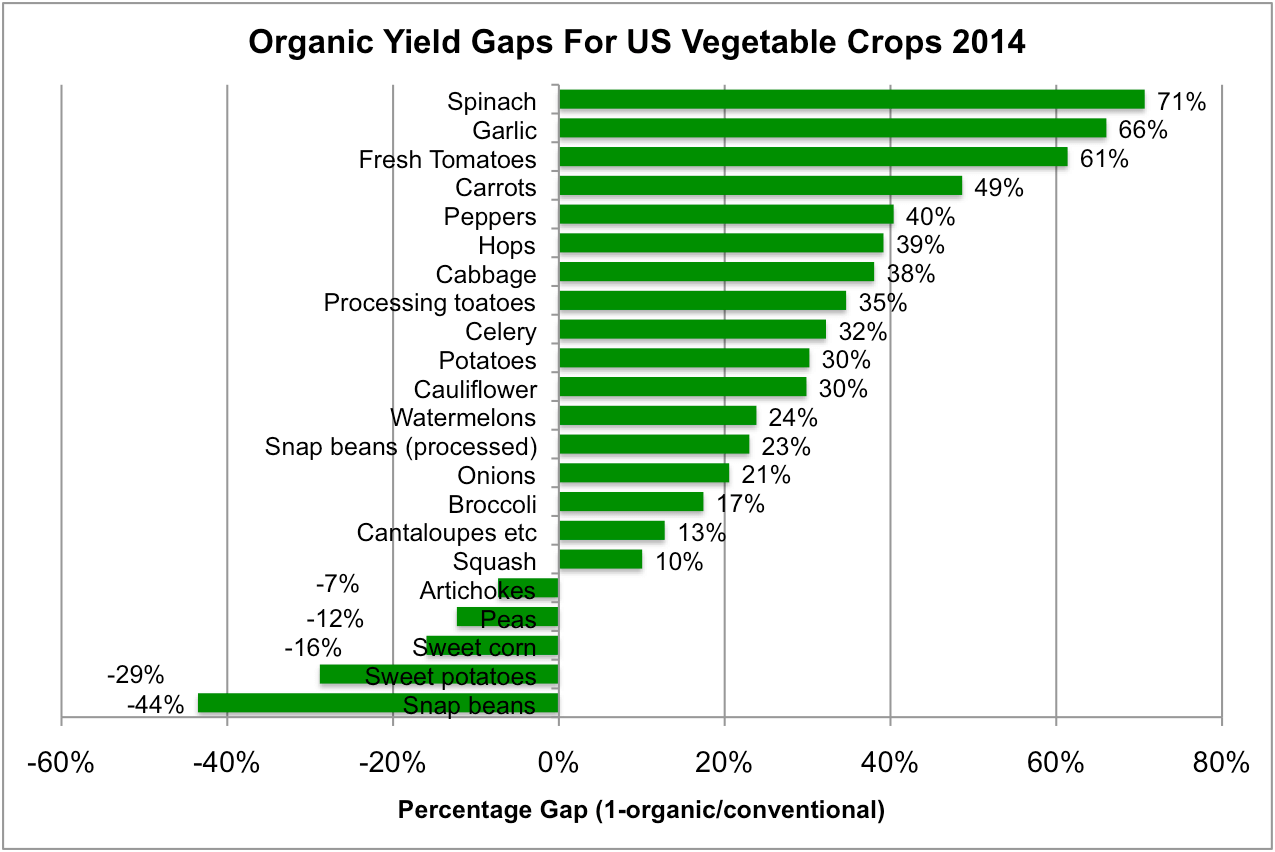
The productivity of organic farming is typically lower than that of comparable “conventional” farms. This difference is sometimes debated, but a USDA survey of organic agriculture demonstrates that commercial organic in the U.S. has a significant yield gap.
I compared 2014 survey data from organic growers with overall agricultural yield statistics for that year on a crop by crop, state by state basis. The picture that emerges is clear–organic yields are mostly lower. To have raised all U.S. crops as organic in 2014 would have required farming of one hundred nine million more acres of land. That is an area equivalent to all the parkland and wildland areas in the lower 48 states or 1.8 times as much as all the urban land in the nation. As of 2014 the reported acreage of organic cropland only represented 0.44 percent of the total, but if organic were to expand significantly, its lower land-use-efficiency would become problematic. This is one of several reasons to question the assertion that organic farming is better for the environment.
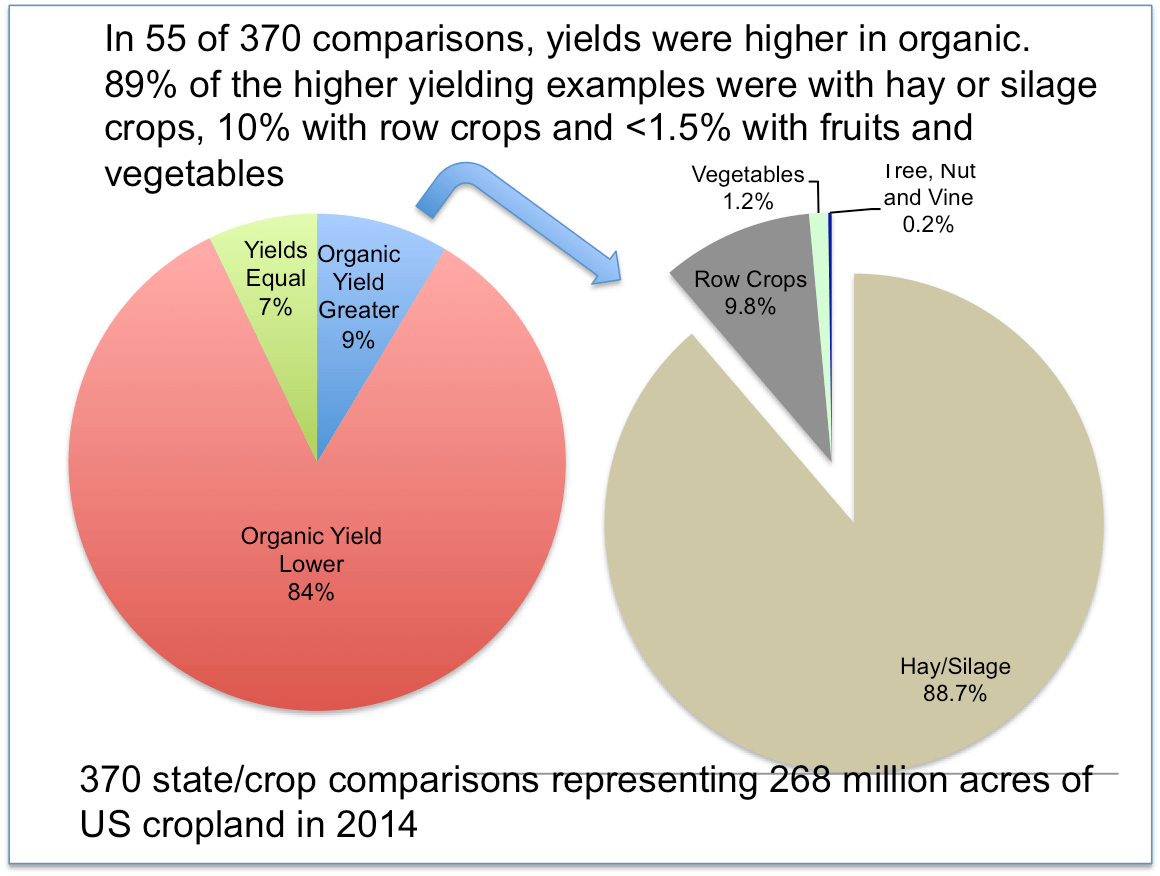
The USDA conducted a detailed survey of organics in 2008 and then again in 2014. Information is collected about the number of farms, the acres of crops harvested, the production from those acres, and the value of what is sold. The USDA also collects similar data every year for agriculture in general and makes it very accessible via Quick Stats. It is interesting that they don’t publish any comparisons of these two data sets as they would be able to make comparisons on a county basis. By working with both USDA data resources I was able to find 370 good comparisons of organic and total data for the same crop in the same state and where the organic represented at least 20 acres. That comparison set covers 80 percent of U.S. crop acreage.
Summary of the comparison of organic and conventional statistics for 2014 (click image to enlarge)
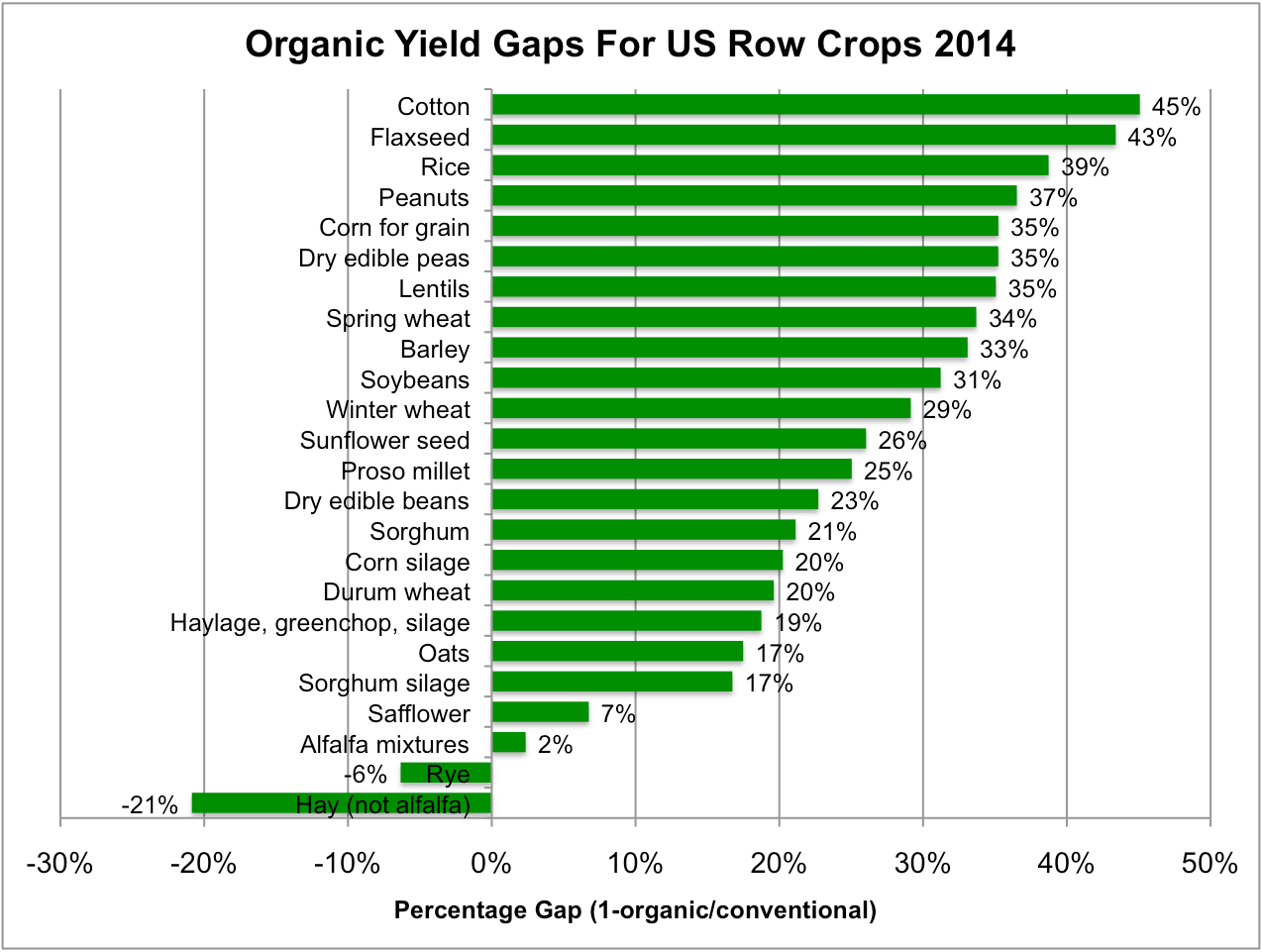
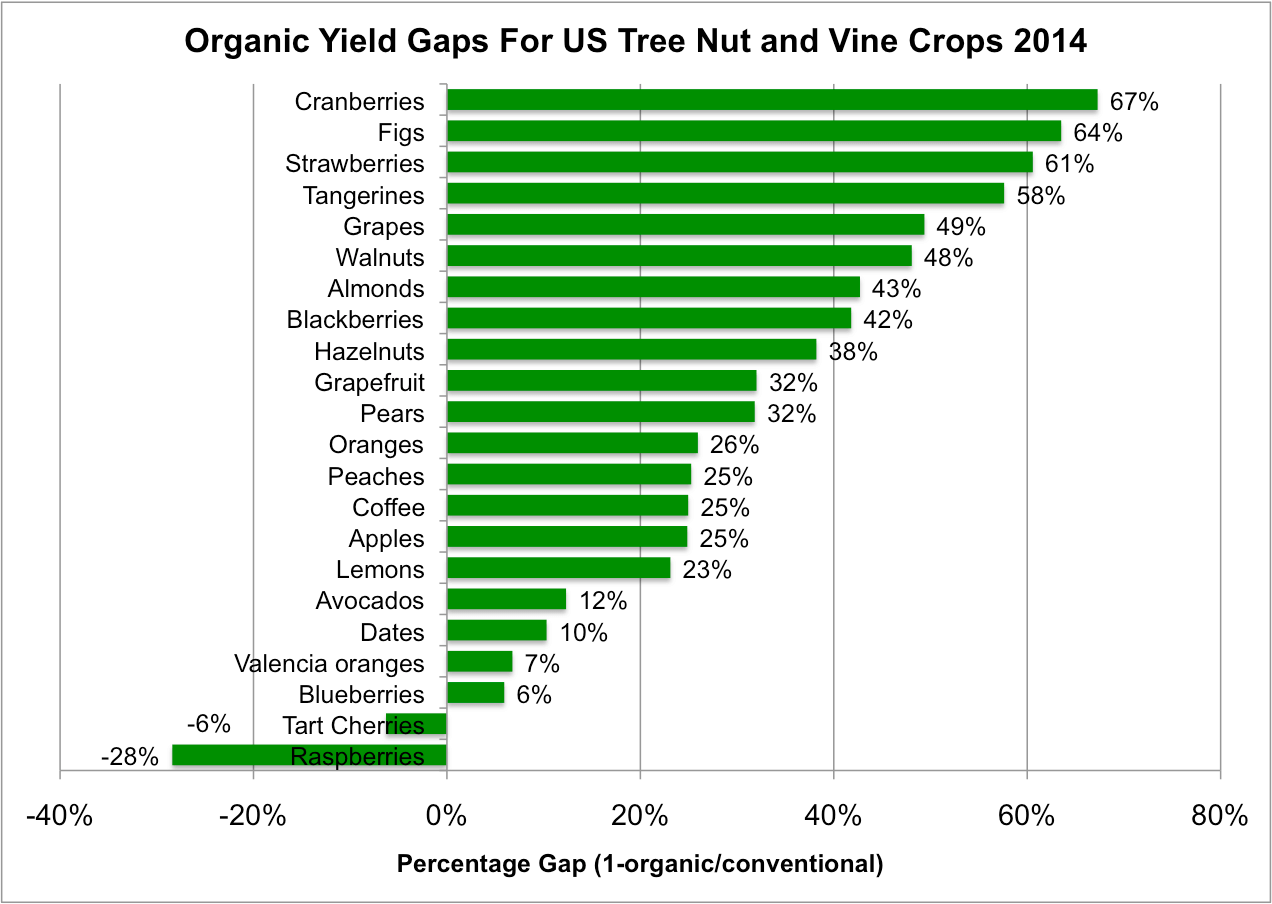
For 292 of those comparisons, the organic yields were lower (84 percent on an area basis). There were 55 comparisons where organic yield was higher, but 89 percent of the higher yielding organic examples involved hay and silage crops rather than food crops. The organic yield gap is predominant for row crops, fruit crops and vegetables as can be seen in the graphs below.
The reasons for the gap vary with crop and geography. In some cases the issue is the ability to meet periods of peak nutrient demand using only organic sources. The issue can be competition from weeds because herbicides are generally lacking for organic. In some cases its reflects higher yield loss to diseases and insects. Although organic farmers definitely use pesticides, the restriction to natural options can leave crops vulnerable to damage. I’ve posted a much more detailed summary of this information on SCRIBD with the data at the state level.
Organic yields are substantially lower for many major row cropsOrganic fruit and nut yields are mostly substantially lower than conventionalYield gaps vary widely among vegetable crops
There is some potential for artifacts within this data set. If the proportion of irrigated and non-irrigated land differs between organic and conventional that would skew the data. With lettuce and spinach it is likely that the organic is proportionally more in the “baby” category making yields appear dramatically lower. But overall this window on farming is useful for understanding the current state of commercial organic production. Since the supply of prime farmland is finite, and water is in short supply in places like California, resource-use-efficiency is an issue even at the current scale of organic (1.5 million cropland acres, 3.6 million including pasture and rangeland).
You are welcome to comment here and/or to email me at [email protected]. I’d be happy to share a data file with interested parties and to get feedback about where particular yield comparisons might be misleading. A more detailed presentation is available here.
Steve Savage is an agricultural scientist (plant pathology) who has worked for Colorado State University, DuPont (fungicide development), Mycogen (biocontrol development), and for the past 13 years as an independent consultant. His blogging website is Applied Mythology. You can follow him on Twitter @grapedoc
A harmful effect of climate change that poses a major threat to food crops around the world could be overcome by gene editing, say scientists.
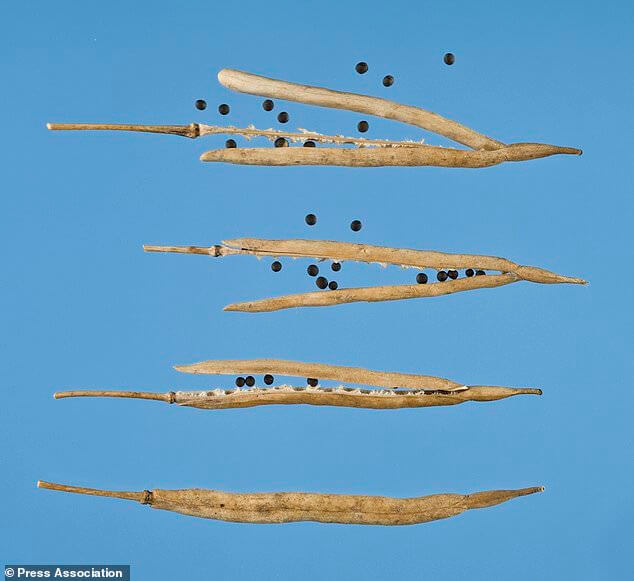
Higher temperatures have been shown to cause the seed pods of cruciferous plants such as cabbage, broccoli, kale, Brussels sprouts and oilseed rape to open and release their precious cargo prematurely.
Known as “pod shatter”, the phenomenon is one of the major causes of cruciferous crop failure.
Researchers at the John Innes Centre in Norwich [England] pinpointed a genetic heat trigger that plays a key role in pod shatter.
The discovery could pave the way to plant breeding or genetic engineering strategies aimed at producing cruciferous plants that can withstand the effects of global warming, say the scientists.
One solution would be to use precise gene-editing tools such as Crispr/Cas9 to suppress a key temperature-sensitive gene.
…
On average, farmers of oilseed rape [rapeseed in US] lose between 15% and 20% of their crop yield each year due to premature seed dispersal.
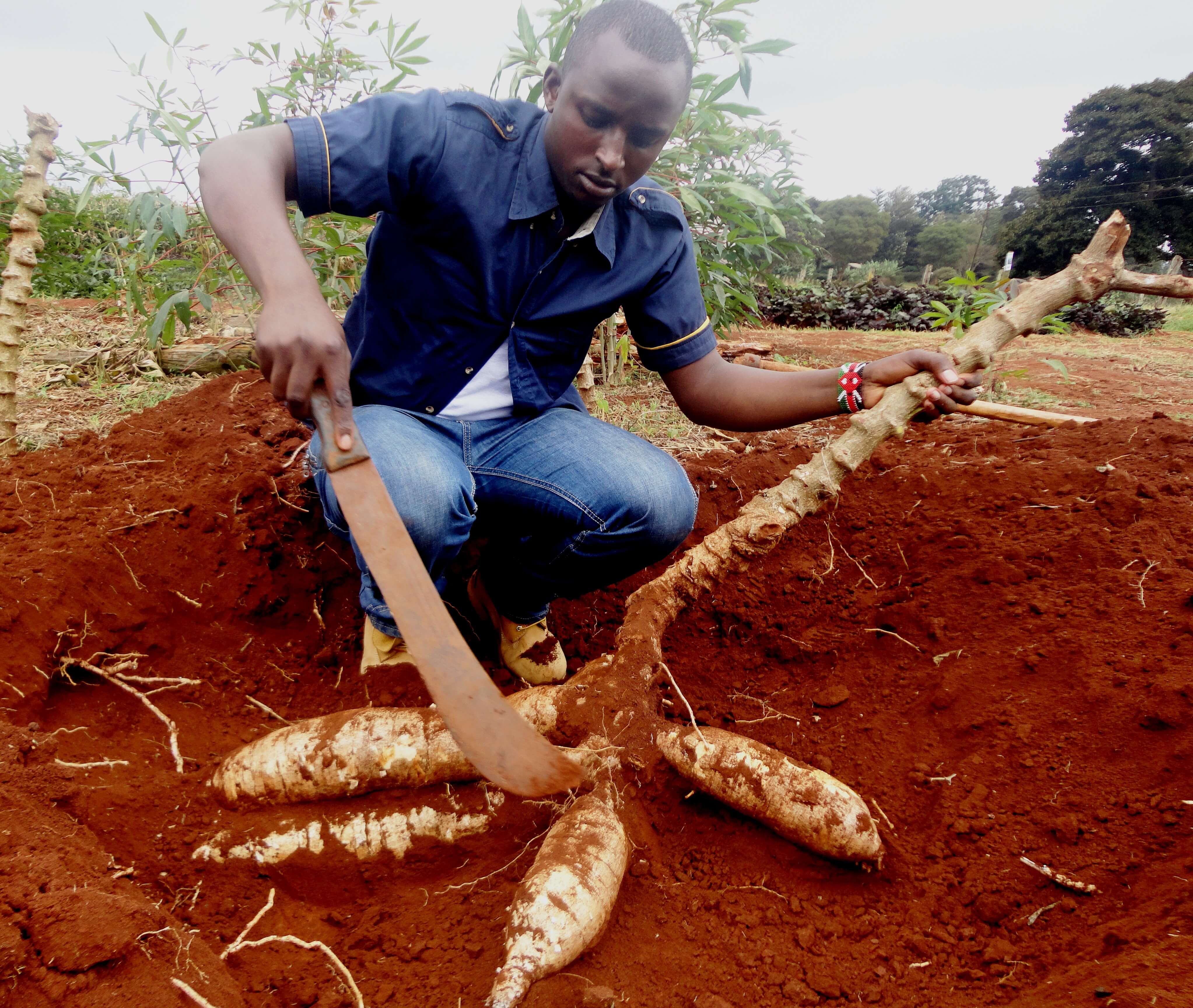
Cassava farmers are about five years away from accessing disease-resistant genetically modified varieties, currently being tested in specific locations around the country.
Kenya Agricultural and Livestock Research Organisation (Kalro) scientists are developing a transgenic variety that is resistant to the Cassava Mosaic Virus and the Cassava Brown Streak Disease the two diseases that have in recent years destroyed the crop causing farmers massive losses and threatening food security in rural Kenya.
…
[Simon Gichuki, a senior principal research officer at Kalro] said both diseases, especially the cassava mosaic, have been destroying the crop for a very long time, making the intervention critical.
…
The first phase of the project involved proving that it was possible to develop a genetically modified resistant variety.
In the second phase, the scientists focused on taking disease resistant genes and inserting them in cassava varieties of farmers’ preference, without necessarily having to create a whole new variety.
The project is now in the third and final phase of seeking regulatory approval.
…
The GMO cassava research is not only being conducted in Kenya but also in neighbouring Uganda, because just like Kenya, Uganda has suffered massive cassava losses caused by the two diseases.
In what’s got to be the dumbest idea yet from the nanny state of California (sorry, guys, but it’s true), coffee sold in the state may need to be labeled as a carcinogen. The science is beyond feeble. You’d need to drink 2,000 cups of coffee a day to get to the level that caused cancer in mice.
…
A recent article in the Annual Review of Nutrition described a meta-analysis of 127 studies of the effects of coffee on human health.
…
[T]he meta-analysis found probable evidence that drinking coffee is associated with:
A decreased risk of many common cancers–including breast, colorectal, colon, endometrial and prostate–with a 2 to 20 percent reduction in risk, depending on the cancer type.
…
It turns out that coffee contains natural antioxidants, which are molecules that reduce the free radicals that damage your cells and cause you to age. Coffee also repairs your DNA, thus making your cells less likely to become cancerous.
Coffee is also a natural anti-inflammatory drug which calms your body so that you don’t overreact to stress. Finally, coffee improves the efficiency of enzymes that regulate insulin and glucose metabolism, thereby fending off Parkinson’s and Type 2 diabetes.
Far from the carcinogen that some California crazies seem to believe it to be, coffee is about as close as we have to a wonder drug.
Editor’s note: Layla Katiraee is currently a senior scientist at a California biotech company and holds a PhD in molecular genetics from the University of Toronto
If you’ve been following my blog, you’ll know that I’ve reviewed a few GMO crops where I’ve questioned the health benefits that are being touted by crop developers. The few that stand out are the claim that decreasing the amount of acrylamide when frying the Innate potato is beneficial and the claim that increasing the amount of antioxidants in crops is healthier (such as the pink pineapple).
…
Yet I see GMO supporters using the argument that these GMOs are beneficial time and time again. Not only is it unnecessary, but it’s poor science.
…
My perspective is that these crops were developed at a time when the science suggested that these traits were necessary. Think about the antioxidant craze 5-10 years ago. But with time, science has advanced and the body of evidence suggests that increased antioxidants don’t necessarily prevent disease. 5-10 years ago, we also thought that acrylamide in potatoes might be harmful. But today? Not so much.
…
These crops are not less safe than their non-GMO counterparts. They make our food supply more diverse and more interesting. To those of us who take the time to correct misinformation on GMOs: using weak science to support these crops is not only unnecessary, but also a tactic used by those who claim GMOs cause harm.
Editor’s note: E. Paul Zehr is a professor of neuroscience and kinesiology at the University of Victoria in Canada
[Olympic athletes] try and exceed human biological limits by using external enhancements in the form of “doping.” A very well-known example of doping in sport is the use of androgenic steroids. What people outside of strength-training circles don’t necessarily know, however, is that substances like steroids can still have an effect after athletes stop using them.
Even without steroids, someone who has trained extensively and then stopped, reacquires muscle mass and strength more rapidly than someone who hadn’t trained at all. This was thought to be due to rapid changes in the nervous system affecting the coordination and activation of the muscles, which might in turn related to what scientists call epigenetics.”
…
Unlike most other cell types, muscle fibers have multiple nuclei. During strength training, muscle mass increases, and the number of nuclei in each cell also goes up. This team wanted to know if this “cellular memory mechanism” could be influenced by steroids.
…
The relevance for doping in sport is that even a brief period of anabolic steroid use may cause long-lasting performance enhancements that continue many years after use is discontinued. It is almost as if the “use it or lose it” adage has been changed to “depending upon what you used you might not really ever lose it.”
Editor’s note: Scott Solomon is an associate teaching professor in the department of BioSciences at Rice University
[Feb. 12 was] Charles Darwin’s 209th birthday, celebrated internationally as a day to reflect on what the discovery of evolution by natural selection has revealed about the history of life on Earth. But with genetic engineering of humans already under way, we must also consider our evolutionary future.
…
Once this happens — which, inevitably, it will — we will become the first species in history to direct its own evolution. With this in mind, the time has come to acknowledge that human evolution is still occurring whether we direct it or not. Ignoring our ongoing evolution while pursuing gene editing would be incredibly reckless, yet many experts have expressed confusion or doubt when it comes to the recent and ongoing evolution of our species.
…
Researchers have found telltale signs of natural selection altering genes related to protection from infectious diseases, and the ability to tolerate dietary changes, intense UV radiation from sunlight and the decreased oxygen in mountainous regions.
…
Human genome editing holds much promise for the future of human health. But the ability to rewrite our own genetic code means that our evolutionary future will be in our hands. Before we embark on the most significant alteration to the natural evolution of life, let’s be sure we understand what we’re dealing with.
If you are a beer drinker, it might surprise you to learn how much water goes into one pint of beer. About 11 gallons just for the hops alone.
But there’s a scientist named Charles Denby who wants to replace those hops with genetically engineered yeast. And he’s doing this because he wants to make beer more climate-friendly.
“I’m really interested in making an impact on the process,” said Denby, “and if that means that we can cut out trillions of liters of water that’s used on hop agriculture every year, that’s really the pie-in-the-sky goal for me.”
Denby wants to replace hops because the crop is vulnerable to climate change.
Most of the nation’s hops, and many of California’s hops, are grown in the Yakima Valley in the state of Washington. And that area is expected to have less water because of higher temperatures and intense drought.
The challenge for Denby is creating yeast that tastes hoppy enough.
…
His yeast is made with the genes from mint and basil plants. He combined these genes with yeast DNA, then mixed them with yeast cells. He’s hoping this process will lead to some interesting flavors.
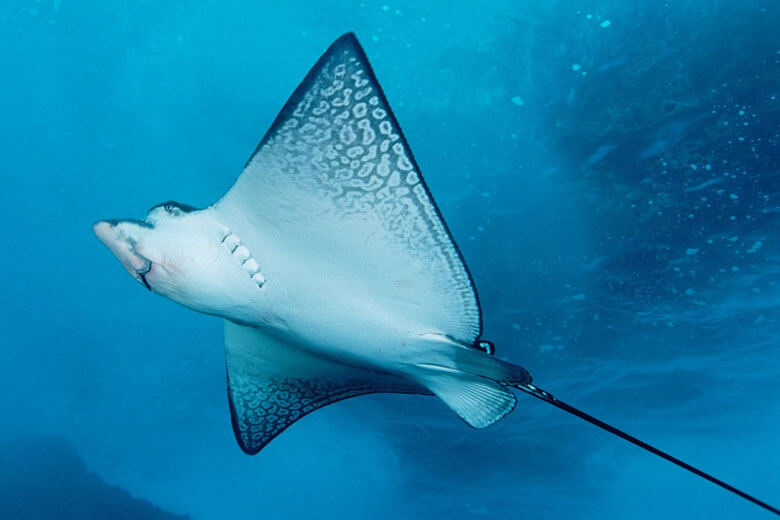
The genes and nerve cells that allow people and other mammals to walk around can also be found in a primitive fish known as a skate, according to a study. The findings suggest that the nerve cells essential for walking evolved millions of years earlier than previously thought.
…
The results, published on 8 February in Cell, support the argument that the nerves that control walking first appeared in fish at least 420 million years ago, more than 20 million years before the first four-legged animals crawled out of the ocean.
…
[Skates] use a set of large fins to swim, and a separate set of smaller fins to walk on the sea floor. “When you look at videos of skates walking, these fins look a lot like legs,” says Jeremy Dasen, a neuroscientist.
…
That’s not just a coincidence. The researchers found that the nerve cells that control the muscles for bending and straightening the limbs in people are also present in skates.
…
Dasen remains hopeful, however, that this line of research could lead to bigger things. By studying skates, which only use six muscle groups per walking fin, scientists could find out how the nerve networks that control walking are wired in more recently evolved organisms such as mice and people.
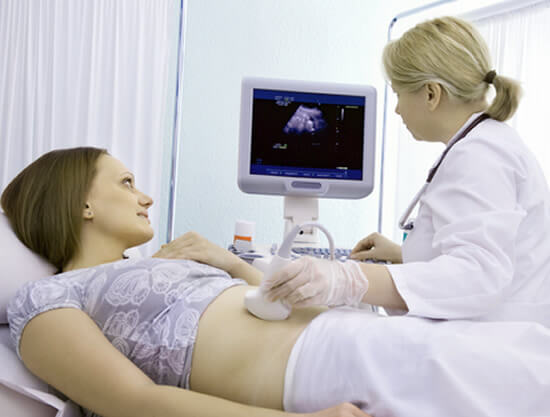
[A]s ultrasound use has sharply increased, so too have diagnoses of autism—prompting questions about a potential relationship.
A rigorous new study examining the association between ultrasounds during the first or second trimester of pregnancy and later development of autism spectrum disorder, however, delivers some good news. The study, which analyzed the medical records and ultrasound details of more than 400 kids who were born at Boston Medical Center, found there was no increase in the number of prenatal scans or duration of ultrasound exposure in children with autism compared with kids with typical development or separate developmental delays. In fact, the group with autism had less average exposure time
…
[T]he new study, published Monday [Feb. 12] in JAMA Pediatrics, did leave one question unanswered: Does the depth of the actual ultrasound scan make a difference? The work found the children with autism were exposed to prenatal ultrasounds with greater penetration than the control group.
…
Perhaps, the authors wrote, greater ultrasound depth could result in more harmful exposure to energy emissions—potentially causing damage to the developing fetuses’ cells and brains. Yet the authors themselves cautioned there is not enough evidence in humans to draw that conclusion and that further, larger studies should be launched to explore that relationship.










 Known as “pod shatter”, the phenomenon is one of the major causes of cruciferous crop failure.