Chasing the ‘warrior gene’ and why it looks like a dud so far

warrior
The year is 2025. The US has gone to war. Young Americans are being conscripted in droves, and those with a particular gene variant are being assigned to groups of elite fighters. The gene variant in question is linked to aggressive, warrior-like behavior. Individuals who have inherited this gene variant will make better, more “effective” soldiers, or so the thinking goes. Some military strategists have suggested that those with the gene should be raised from birth in special military training camps to make the most of their abilities.

Though the above sounds like the plotline of an apocalyptic Hollywood film, it could enter the realm of possibility if research into the so-called warrior gene yields results that military minds would love to see. Early results, however, have not been encouraging.

MAOA, the gene that has become known as the ‘warrior gene’, provides instructions for the production of an enzyme called monoamine oxidase A. It is responsible for breaking down monoamine neurotransmitters such as serotonin, dopamine, epinephrine and norepinephrine. These neurotransmitters play an important role in the regulation of mood and emotions, sympathetic nervous system function, immune response and so on.

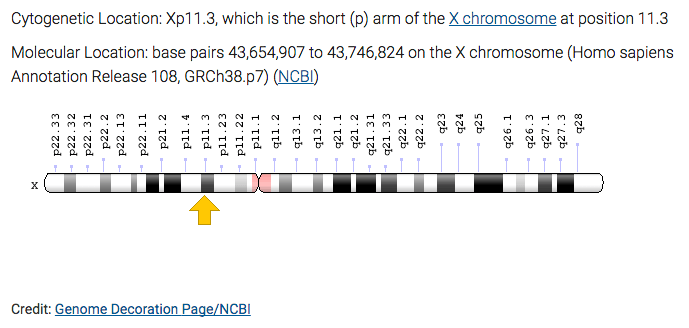
Located on the X chromosome in humans, MAOA has several variants, with the most common (aka the wild type) being MAOA-4R. While the 4R variant is associated with normal monoamine oxidase A production and function, others like the 2R and 3R variants are associated with MAO-A enzyme deficiency. This deficiency is thought to be the underlying factor in those who exhibit increased aggression and violence, and lack of impulse control.

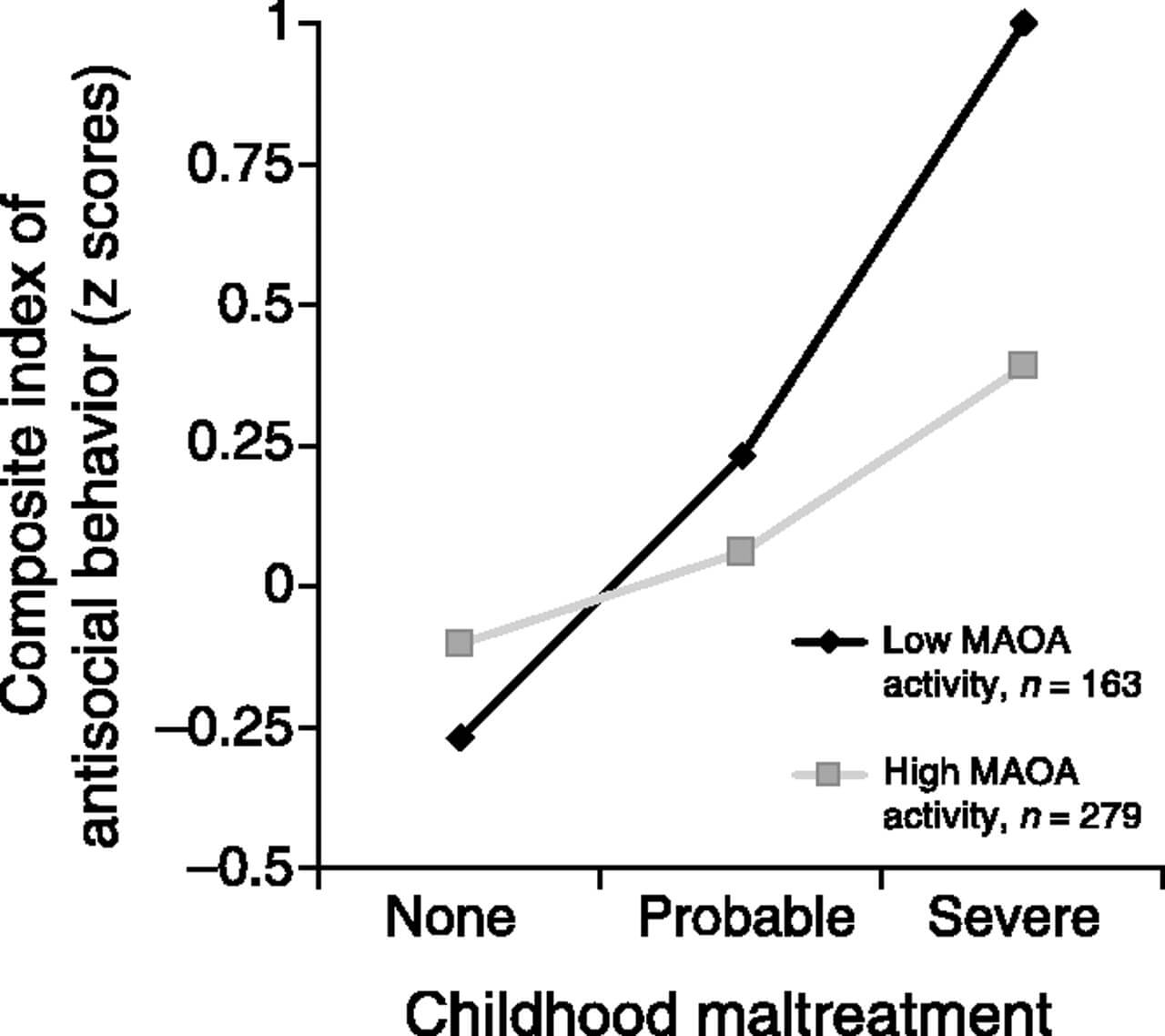
Landmark MAOA research was published by Avshalom Caspi and his team in 2002, showing that maltreatment during childhood was associated with antisocial behaviors and violent crimes. But the impact of childhood maltreatment was significantly magnified in those who had low MAO-A activity. Without a history of childhood maltreatment (such as sexual and physical abuse), those with low MAO-A activity showed almost identical rates of antisocial behavior as those with high MAO-A activity. If anything, they showed slightly less antisocial behavior in the absence of abuse.
warrior 2 16 18 2
Location of the ‘Warrior Gene’

Research aimed at replicating Caspi’s findings has produced mixed results. And the endeavor has been so unproductive in China that government-backed MAOA research there has been halted. That hasn’t completely stopped the stories and wild imaginings about the warrior gene, though.

Around 2004, the term ‘warrior gene’ first showed up in the media, leading to a lot of assumptions and misunderstandings about the MAOA gene. Many assumed that the preliminary research meant that the less common MAOA gene variants led to violent behavior and criminality in a direct and simplistic cause-and-effect manner.

Dolores Garcia-Arocena PhD, writing for The Jackson Laboratory’s blog in 2015, called the variants part of a group of “violent genes” and said they “often result in aggressive behaviors.” Though later in the blog post Garcia-Arocena explained some of the complexities related to having the MAOA gene mutations, the initial language used is well in line with much of the sensationalist sort that is common in reports about the gene to date.

The way the MAOA story has been framed is indicative of a tendency towards a kind of biological determinism that has led to profound legal consequences already — before anything conclusive is known about the MAOA gene and its link to violence and criminality.

In 2009 in Italy, Stefania Albertani pled guilty to killing her sister, burning the corpse, and then attempting to kill her parents. Genetic tests showed that Albertani has low MAOA gene activity, and this, along with neuroimaging information, was enough to have her prison sentence reduced from life to just 20 years. It was concluded that she was not in full possession of her faculties at the time of the murder. Her genes made her predisposed to commit violent crime, according to her defense team and the scientists involved in the case.

On the opposite end of the spectrum, some who commit lesser offenses could conceivably receive harsher sentences because of their genes, in an effort to guard against more extreme recidivism.

It’s also possible to envision a scenario where individuals are genetically labelled and ostracized or even exploited starting from birth. As Stephen Chen wrote for the South China Morning Post, identifying the warrior gene variants could not only help reduce the risk of violence through preventive measures, “but also be a way of boosting aggression and building a better soldier.”
warrior 2 16 18 2These concerns need to be considered in light of the prevalence of one of the main MAOA warrior gene variants — the 3R variant. It is found in approximately 56 percent of Maori males, 58 percent of African American males, 34 percent of European males, 61 percent of Taiwanese males and 56 percent of Chinese males. The reason these numbers are given for men but not women is because the majority of research has been done on men. Since women have two X chromosomes, they have less chance of inheriting an active version of an MAOA mutation.

With these kinds of numbers, and considering the relatively high rate of childhood maltreatment, one might expect a higher rate of violence and criminality. In reality, this is not the case. Most individuals with the 3R mutation are law-abiding citizens.

MAOA researchers in China concluded that the genes were found to play “an almost negligible role in aggressive behaviour compared to environmental factors such as poor social support, physical abuse and instability at home,” according to Chen.

And though genes do indeed influence behavior and differences in behavior between individuals, we are nowhere close to understanding exactly how they do so and under what conditions. The general consensus by scientists is that the behaviors we enact arise from incredibly complex interactions between our genes and our environments. Until the relationship between the MAOA gene and the environment is teased apart and more fully understood, we have to be exceedingly careful with how MAOA research is applied to everyday life.

Kristen Hovet is a journalist and writer who specializes in psychology, health, science and the intersection of sociology and culture. Follow her on her website,  Facebook or Twitter @kristenhovet.
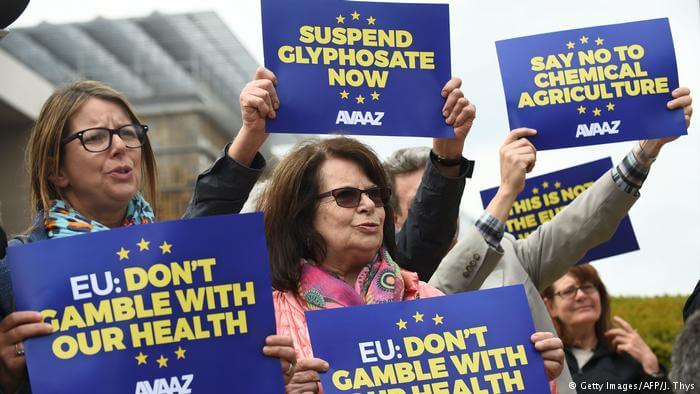
Viewpoint: How European activists lobby for a glyphosate ban despite findings of its safety

In January, the European Parliament announced that it will set up a Special Committee on the Union’s authorization procedure for pesticides. This move comes after the re-authorization of the herbicide glyphosate, which has been under repeated fire from anti-GMO activist groups for alleged health concerns. This parliamentary committee “investigating potential failures in the EU’s system for renewing pesticides” is set to be chaired by Eric Andrieu, a French parliamentarian who campaigned hard against the renewal of glyphosate’s license in the EU.

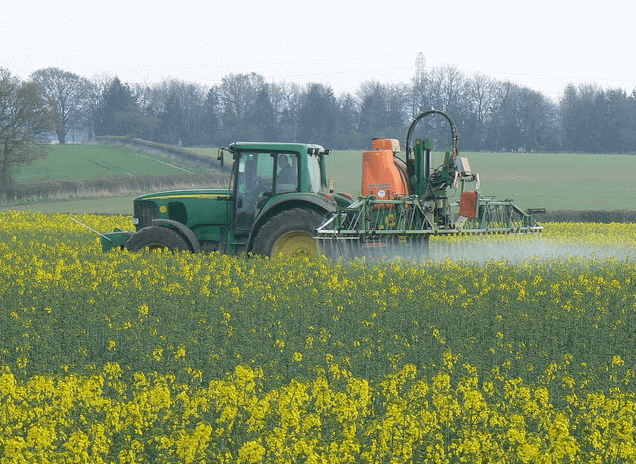
gmo cultivationGlyphosate, also sold under the trade name Roundup, is often paired with genetically modified crops. It is the world’s most widely used herbicide because of its effectiveness and mild toxic profile.

The Parliament, clearly hostile to the reauthorization, said it intends to assess conflicts of interest, and, specifically on the issue of glyphosate:

…analyze and assess, by using an evidence-based approach, the potential failures that might have arisen in the scientific evaluation of the approval, or renewal of approval, of active substances such as glyphosate by relevant EU Agencies, as well as compliance by the EU Agencies with relevant Union rules, guidelines and codes of conduct in force.

This move is political and not based in science, It comes after a decision in 2015 by the European Food Safety Authority (EFSA), which concluded that glyphosate is “unlikely to pose a carcinogenic hazard to humans”. Dozens of other independent regulatory bodies around the world have reached the same conclusion, including in Canada, Australia and New Zealand, three agencies of the World Health Organization, and most recently, in December by the US Environmental Protection Agency, which concluded what is believed to be the most extensive reviews of herbicide ever undertaken:

The draft human health risk assessment concludes that glyphosate is not likely to be carcinogenic to humans.  The Agency’s assessment found no other meaningful risks to human health when the product is used according to the pesticide label.  The Agency’s scientific findings are consistent with the conclusions of science reviews by a number of other countries as well as the 2017 National Institute of Health Agricultural Health Survey.

The European Parliament has brushed off the science, giving in to NGO pressure, which has called for exactly these investigations into the approval process. Why? And who exactly are these environmental activists who lobby the European Union on the issue of herbicides?

All of these NGOs are relying on a report by the International Agency for Research on Cancer (IARC), a sub-agency of WHO, which to date happens to be theth only organization that classified the herbicide as “probably carcinogenic”. Why is IARC such an outlier? Because it does not assess the likelihood of a person getting cancer (risk) but whether an agency could under any circumstances cause cancer (hazard). It puts glyphosate in the same ‘danger zone’ as eating red meat, working the night shift, or getting a suntan, and much less dangerous than drinking alcohol. IARC has looked at nearly 1000 substances or situations and all but one have been ‘linked’ to cancer—including coffee, which the State of California is now considering requiring warning labels because it follows the IARC ‘hazard’ system, which mainstream science now considers outdated and deceptive.

But the mere fact that the European Union’s own agencies contradict the IARC research, is, according to these activists, a result of corporate influence. The EFSA (European Food Safety Authority) writes: “The evaluation considered a large body of evidence, including a number of studies not assessed by the IARC which is one of the reasons for reaching different conclusions.” In October, Reuters had suggested that the agency had edited out findings which suggested that glyphosate was indeed not carcinogenic.

The coalition of organizations urging sharp restrictions or a ban on glyphosate is large, and growing, including: Corporate Europe Observatory, Greenpeace, Pesticide Action Network, Health and Environment Alliance, WeMove.eu, Foodwatch, Ligue contre le cancer (French for “League against cancer”),  Nature&Progrès Belgique (French for “Nature & Progress Belgium”), Global 2000, Safe Food Advocacy Group, campact!, Avaaz, GM Watch, Friends of the Earth, Umweltinstitut München.

The list of the individual EU member states is considerably longer, and would likely exhaust the capacity of a post on this website. While appearing to be a vast range of different organizations acting independently, they are actually linked together closely in their campaigns in various ways, organizationally and financially.

glyphosate cropGlobal 2000 is an Austrian environmentalist organization which cooperated with eight organizations that were previously mentioned in a joint report in 2017 accusing industry groups of “buying science”. In fact, these NGOs routinely cooperate with each other, attend each other’s events and benefit from the same donations. Corporate Europe Observatory and Friends of the Earth not only profit from donations from the same foundation (the Isvara Foundation, run by agro-business millionaire Ayman Jallad), but share the same office address in the EU’s capital in Brussels.

This exact address (Rue d’Edimbourg 26,1050 Brussels) is also shared with Counter Balance, an activist group that challenges public investment banks, and which has Friends of the Earth as one of its members. Safe Food Advocacy Europe (SAFE), one of the NGOs that campaigns against glyphosate, has three accredited lobbyists to the European Parliament, yet only spends €10,000 year ($12,300)–which raises serious questions about its workings.

GM Watch (an anti-GMO activist group in the UK), also in the list of contributors to anti-glyphosate reports and also funded by the same Isvara Foundation, simultaneously receives contributions from Friends of the Earth. The Isvara Foundation itself is, according to Politico Europe, incorporated in Liechtenstein and managed by the Swiss bank UBS in Zurich, and only one of the five donors to Isvara is even known to the public. This lack of transparency and hidden relationships, financial and otherwise, is the hallmark of the anti-glyphosate movement–ironic in the light of its attacks on Big Ag.

Most of these environmentalist NGOs all have different public faces but are interconnected, with common reports, events, membership and general funding. This provides the illusion of a ‘mass uprising of outrage’ by disparate groups but is actually an ideological collective that shares resources and has the same agenda. Many of these groups also receive grants from the European Union itself.

The aforementioned NGOs have over 30 accredited lobbyists in the European Parliament, which means that if all of them talked to only one parliamentarian a day, they’d cover the entire body within four weeks. That’s 751 elected officials, and doesn’t even account for their countless meetings with members of the European Commission, which is the body that proposes legislation in the EU.

In order to include civil society on important issues, the EU also regularly launches so-called consultations, in which it tries to get feedback from civil society. On free-trade deals, which were also opposed by these organizations (because GMO foods might be imported, amongst other things), NGOs have hijacked the process in their favor. In 2016, the European Centre for International Political Economy (ECIPE) published a 147-page report regarding the rise of anti-TTIP (the trade negotiation between the European Union and the United States) advocacy groups, in which it writes this about the consultation process for TTIP:

During the ISDS consultation, 97 percent of all replies were submitted by a small number of campaign groups. These responses were often identical or at least very similar to one another. Prior to the consultation, a few anti-TTIP civil society organisations had set up easy-to-use online tools to facilitate participation in the consultation proceedings.

In fact, when reading the recent decision by the European Parliament, we find that the wording is awfully similar to that of organizations that have actively lobbied against glyphosate. The voices of activists, and the organic and green lobbies that financially support them, appears well represented. The key missing voice: farmers, and consumers who are forced to pay higher prices for food.

Back in October, the European Parliament had voted on a resolution demanding a ban of glyphosate by 2022. One UK parliamentarian had added during the debate: “Ignoring evidence because politicians do not agree with it is not an option. Farmers across the EU rely on glyphosate and the uncertainty surrounding its renewal, which exploits emotional judgment for political gain, won’t go away if it’s only approved for a further five years.”

The resolution was adopted with 355 votes to 204, with 111 abstentions.

The European Union is full of anti-science lobbyists with a complicated relationship with the truth, and of parliamentarians willing to listen to the scaremongering of radical activists.

Bill Wirtz is a Policy Analyst for the Consumer Choice Center. Follow him on Twitter @wirtzbill

Sustainable ‘superfish’: AquaBounty’s genetically engineered salmon poised to counter overfishing

atlantic salmon market dispaly fresh display label contains no trademarks

At current rates, according to a 2006 article in the journal Science, the world will run out of all wild-caught fish by mid-century.

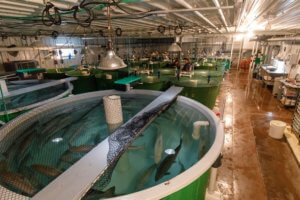
Genetically engineered fish could provide a solution, taking the pressure off wild stocks and reducing the energy and carbon emissions required to feed the world’s seafood appetite. Because AquaBounty’s salmon are sterile and raised in land-based tanks, they can’t breed with wild populations. And because they efficiently convert fish feed into edible protein, they offer a potential low-cost solution for nourishing not only affluent consumers in North America but hungry people in the developing world with little access to meat.

d a d b ba f be c extra largeBut there is something about genetically engineered fish that many find uniquely disturbing.

There’s also a tangle of bureaucratic red tape to get through before GE fish finds its way into U.S. grocery stores.

It’s a strange paradox: If you could get the fish here, you could sell them; but you can’t legally bring GE salmon into the country.

“We are providing technology to improve food production and make it sustainable,” [AquaBounty CEO Ron] Stotish says. This, he says, will put society in a better position “to address the global food security issues we’ll face as the world’s population approaches 10 billion.”

Read full, original post: One Fish, Two Fish, Strange Fish, New Fish

‘Unrandom selection’: CRISPR merged with AI (artificial intelligence) may change what it means to be human

a b cd

Modern medicine and rapidly advancing technology have seen us greatly evolve from the early days of hunter-gatherers, and now the same factors are working toward seeing the introduction of “superhumans” into our society. At the core of the development is designer bodies using DNA manipulation and human/AI hybrids.

Imagine being able to choose if your unborn child will be male or female, their height, weight and even athletic prowess. Now imagine hacking our memories or making our bodies able to thrive in extreme environments in which survival was previously impossible. These are both quickly becoming a reality.

[Director Juan Enriquez] said these techniques will soon see us living in a world of “unrandom selection.”

Editing our genomes to thrive in extreme environments will be useless if we can’t figure out a way for humans and artificial intelligence to merge. At least this is the belief of renowned futurist Ian Pearson, who said something needs to be done before Artificial Intelligence becomes “billions of times” smarter than mankind.

“So we really do need to make sure that we have some means of keeping up. The way to protect against that is to link that AI to your brain so you have the same IQ … as the computer.”

Read full, original post: Human/AI hybrids and gene editing are going to change mankind in a big way

Perfecting microbes to biomanufacture cells like computer chips

bilayerchip
[Researcher Alec] Nielsen heads a startup called Asimov that is trying to automate the design of sophisticated genetic modifications. Its software, called CELLO, is modeled on that used to plan electronic circuits and computer chips with billions of transistors.

Manufacturing proteins, biofuels, or chemicals inside cells isn’t new. That is where insulin, alcohol, and the enzymes in laundry detergent come from. But getting a microbe to make what you want—when you want—without dropping dead from the effort isn’t easy.

Now scientists are designing a new generation of organisms that do more than continuously pump out gene products like factories. They want them to sense and respond to environmental cues, turn on at certain times, or become smart cancer drugs that are deadly only inside a tumor.

A few products with such “switches” in them are already in development. A company called Synlogic is testing bacteria with a gene circuit in it that people are swallowing as part of a clinical trial. Big drug companies have started acquiring startups with ideas for new cancer-fighting cells.

If biological design can be made more predictable, Nielsen sees few limits on what it could be used for. “We think genetic circuits will start appearing in all of the products that touch our lives every day, from foods to clothes to medicines,” he says.

Read full, original post: Biologists would love to program cells as if they were computer chips

Uganda’s president assessing GMO crops’ potential versus activists’ concerns

Otaniirrigations

Scientists in Uganda had hoped it was the dawn of a new era in food security for a drought-prone region.

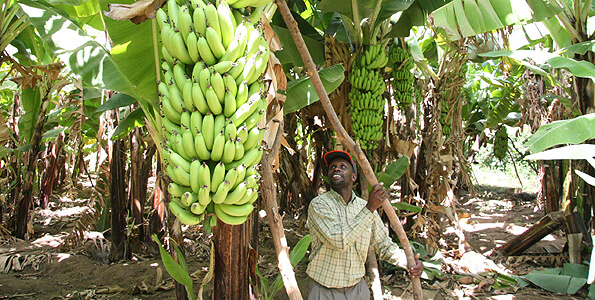
In October, Uganda’s legislature moved to lift a ban on genetically modified crops, a move that stoked both hopes and fears in a fiercely divided populace. Where proponents saw opportunity to lift a region out of a cycle of drought and crop failure, critics cautioned that the introduction of genetically modified organisms (GMOs) into the local environment could spell devastation for native flora and fauna.

Heeding those concerns, Uganda’s President Yoweri Museveni refused to sign the bill when it arrived on his desk in December. Now, he has asked Parliament to work with the nation’s scientists to find a way to balance researchers’ hopes with anti-GMO activists’ concerns.

The president’s combined concern and hope illustrate the spectrum of thinking swirling around GMOs in Uganda and around the world. However, they also suggest that the two viewpoints may not necessarily be mutually exclusive. In his eyes, at least, there are ways to open the door for GM crops to help alleviate the impact of drought on the region while taking steps to preserve the integrity of native ecosystems.

Read full, original post: In GMO debate, Uganda seeks to balance hope and fear

What non-farmers should know about the risks and benefits of herbicide-resistant GMO crops

Screen Shot at AM e

Editor’s note: Graham Scoles is a plant scientist at the University of Saskatchewan

While engaging in an online debate around genetically modified organisms, I realized that few non-farmers understood the issues farmers have dealing with weeds.

Many people are ready to condemn herbicide-resistant crops and the application of herbicides and seem to see this as a frivolous activity by farmers.

I suggested they not do any weed control in their garden and wait until the end of the season to observe the results.

Unlike natural ecosystems, in which plants come into a balance with other plants, fungi, insects and animals, cropping systems are an unnatural system. They are continuously threatened by the evolutionary tactics of weeds, diseases and insects, which reduce yield and/or quality.

Weed control will always be with us in large-scale agriculture, most critically before the weeds draw on soil nutrients or water needed by the crop. Our use of herbicides has much improved since they were first used in the 1940s and will continue to improve as new technologies come along. Hopefully, with greater understanding through genomic technologies of our crops and weeds, more elegant solutions will come along.

At present, herbicide-resistant crops through genetic modification provide an elegant solution to the seed bank problem and offer the best means we currently have to control weeds in large-scale agriculture.

Read full, original post: Herb resistant crops remain best way to control weeds

Stop AIDS? Gene therapies target ‘almost impossible to cure’ HIV

sickle cell x

Experts say gene therapy could finally be used to treat HIV and AIDS – after a decade of trying to replicate the transplant that cured a patient in Germany.

‘Gene therapy techniques have advanced greatly,’ said Dr Otto Yang of the UCLA AIDS Institute, one place working on this. ‘A lot of people are thinking it’s the right time to go back.’

[R]esearchers at Temple University developed a gene editing method that detects HIV DNA in people’s T cell genome, the DNA set of a type of white blood cells. Once the DNA is edited out, the loose ends of the genome that were once attached to the HIV infection are reunited by the cell’s own DNA repair system. Not only is the cell HIV-free, but it’s also protected from a new infection.

Dr John Zaia at City of Hope, a research center in Duarte, California, is … using blood stem cells — parent cells that produce many others.

Once a stem cell is altered the benefit should multiply and last longer, Zaia said.

University of Pennsylvania scientists are trying a two-part approach: besides knocking out the gene for the HIV entryway, they’re adding a gene to help T cells recognize and kill HIV.

This second part is called CAR-T therapy, a treatment approved last year for treating cancer.


Read full, original post:
 Could gene editing fight the AIDS crisis? Scientists poised to re-try the risky procedure 10 years after it cured the Berlin Patient but had disastrous results in every other trial

End ‘yo-yo dieting’: Fat-burning molecular switch could block hunger impulse

End Yo Yo Dieting

Australian scientists have discovered a new molecular switch in our brains that controls fat burning – and by flicking it on, they hope to stop the dreaded effects of “yo-yo dieting”. And a second team say they have found a way of switching off the chemical that makes us hungry. Together, the two studies could lead to potential new weight-loss drugs.

In work published in Cell Reports on [February 14], Dr [Zane] Andrews’ team showed that if the switch can be flicked on, it can also be flicked off.

The team used mice genetically modified to lack an important enzyme, Crat. This molecular switch tells AgRP neurons to put the body into starvation mode.

[T]he mice without the enzyme did not enter starvation mode, and continued to burn fat when they resumed a normal diet.

Dr Sandra Galic and her team genetically modified mice to lack an enzyme that responds to ghrelin.

In a paper published on [February 13], the team showed that by blocking the ghrelin receptor, the signal to eat after dieting was blocked, keeping the mice lean.

Together, the two papers offer interesting new targets for drugs that could switch off starvation mode – or switch off our appetite altogether.

Read full, original post: Your body wants to be fat. Science wants to change its mind

Former organic farmer and USDA inspector: Time for National Organic Program to allow GMO crops

gmo organic sign

Editor’s note: Mischa Popoff is a former USDA organic inspector and farmer

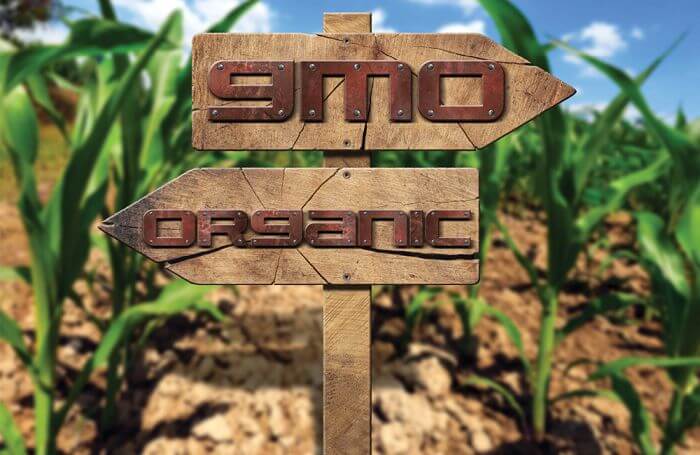
Organic activists would like you to believe their brand pre-exists in nature the way fresh air and clean water do. It does not. It only exists because we have come up with a legal framework by which to define it.

If we were to decide tomorrow that certain GMOs would be acceptable as organic, as President Bill Clinton and many leading academics suggest, we could rewrite the law. But the activists propound the notion that GMOs “contaminate” organic crops, as if we’re talking about dumping effluents into a pristine stream of brook trout. We’re not. We’re talking about politics, plain and simple.

Organic activists aim to sideline agricultural genetic engineering and prevent GMO farming from moving forward. It’s a devious gambit that’s worked marvelously: GMO flax, wheat, Golden Rice and innate potatoes are all on the sideline, some for more than a decade.

The time has come for organic activists to stop creating controversy where none exists and for us all to look forward to the day when we might even see the world’s first certified-organic, genetically-modified crop. After all, it’s a matter of choice.

Read full, original post: Just how natural is organic farming?

Will the noxious public debate over GMOs turn consumers against gene-edited crops?

GMO WEB e

Americans are easily riled about genetically modifying crops, animals and foods, even though research indicates they know little about how GMOs are produced. So, what about consumer understanding of a new and much different approach to precision breeding called gene editing?

There’s a big difference between what are usually referred to as GMOs and products produced through gene editing, but that has not stopped some activists from tying the two types of technologies together on social media and creating unnecessary fears.

Nina Fedoroff [a molecular biologist at Penn State University] isn’t all that optimistic. … She points to the 2016 National Academies of Science findings of no health or safety risks linked to biotech crops.

“[W]e know that the methods are not dangerous. People have been looking for problems associated with simply using molecular techniques for 30 or 40 years now and haven’t found them,” she declares.

She says she doesn’t know if the resulting tide of opinion against biotechnology leaves room for gene editing to advance in years ahead.

[Michael] Specter, the New Yorker writer, favors gene editing himself and generally agrees with Fedoroff that biotech in agriculture has suffered from campaigns of untruth.

“People are paid for, and attracted to, extremely engaging and horrifying stories. It’s cheap and it’s easy,” Specter says. His solution: “You have to fight misinformation and lies with the truth. I don’t know any shorthand for that.”

Read full, original post: Are consumers ready to accept gene editing?

Video: Biohacker documents his own DIY gene therapy

screen shot at pm

DIY gene therapy is far from the mainstream, but the numbers of people who are attempting to genetically engineer their own bodies is rising. People like Tristan Roberts, working with companies like Ascendance Biomedical, have publicly been testing their gene therapies on everything from HIV/AIDS to herpes. This has been met with skepticism by the FDA.

Justin Atkin, a Floridian scientist associated with Ascendance who also runs a YouTube science channel The Thought Emporium, had a challenge of his own: severe lactose intolerance. Having been lactose intolerant for the better half of a decade, Atkin decided to take his medical fate into his hands and began biohacking himself. He’s broken down his entire process into a YouTube video.

Atkin goes into detail about his complex procedure in the video, which ends on a happy note: three days after he swallowed his homemade gel capsules, he is happily eating a cheese pizza with ranch dressing. As time passes he continues treatment and says that his lactose tolerance has come back almost entirely.

Atkin’s video description states “I know that so far my sample size is still only N=1 but my life has changed from this project and I wanted to share my progress. I’m not going to make any claims about the project other than my life seems to have improved.”

Read full, original post: Scientist Painstakingly Documents His Own DIY Gene Therapy

Proposed California ballot initiative ignores scientific consensus on GMOs, vaccine safety

c

A proposed ballot initiative takes Golden State wackiness to the next level.

This fall, Californians may have the opportunity to vote on a catch-all ballot initiative that would ban genetically modified organisms and get rid of school vaccination requirements. But that’s not all. The so-called California Clean Environment Initiative would also prohibit the use of 300 substances, including certain vaccine ingredients and chemicals used in water treatment—chlorine and fluoride.

This long-shot initiative was introduced by Cheriel Jensen, a retired urban planner….

Jensen is a resident of the affluent Santa Clara County town of Saratoga and has a history of environmental activism. In 2015, she sued Santa Clara County to stop it from spraying pesticides to prevent the spread of mosquito-borne West Nile Virus. (A judge dismissed the suit.)…Aspects of Jensen’s latest effort run counter to the scientific consensus. Public health authorities worldwide agree on the importance of vaccination to curb deadly outbreaks and protect the most vulnerable people. There’s overwhelming evidence that vaccines do not cause autism and that they are safe for the vast majority of children and adults. Numerous scientific societies, including the American Association for the Advancement of Science and the American Medical Association, have issued statements affirming that genetically modified foods are safe to consume.

Fossil-like traces found on Mars—How can we know if this is biological life?

aHR cDovL d dy zcGFjZS jb vaW hZ VzL kvMDAwLzAwMS OTEvb JpZ luYWwvaF tc xfdXBkYXRlXzAyLmpwZw

In early January, NASA’s Curiosity Mars rover came across what some researchers thought might be trace fossils on Mars.

A strictly mineral origin was deemed to be the most plausible. Still, for some, the features suggested bioturbation—a process through which organisms living in sediments can disturb the very structure of those sediments.

[I]f the ongoing work of detecting life proves positive, what protocols are in place to confirm such a verdict?

Jim Green, NASA Planetary Science Division director, said to organize thinking and tackle the topic of direct detection of life elsewhere, NASA and the astrobiology community have crafted what’s tagged as the “Ladder of Life Detection.” The ladder categorizes features that indicate life, ordered from most to least indicative of life, and how they might be discovered.

If something is eventually found that turns out to be biological, [professor Bruce] Jakosky suspects that such a conclusion would not be presented in a grand press conference where the discoverers announce that life has been found.

“The more likely scenario is that it will take multiple analyses by different investigators, and that a consensus will be built up over time as non-biological scenarios are either ruled out or deemed to be less likely,” Jakosky concluded.

Read full, original post: If We Found Life on Mars, How Would We Know?

Cancer quest: Moonshot initiative melds genetic data with supercomputers, but keep expectations in check

moonshot
It’s been two years since the Cancer Moonshot Initiative was unveiled during President Obama’s final State of the Union speech. The goal: to help make America “the country that cures cancer once and for all.”

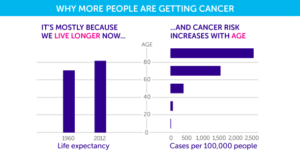
The disease is the nation’s second leading cause of death. With people living longer, there’s more than a 40 percent chance that any one of us will be in panel B blogdiagnosed with cancer at some point in our lifetime, and a 20 percent chance that it will be terminal.

The moonshot, which has been continued under the Trump Administration, hopes to speed the process by removing regulatory red tape to enable further collaborations between the private sector, governmental agencies, nonprofits and scholars. The goal is to achieve decades worth of advancements in a few years.

One of the areas where these sectors are coming together is in Genomic Data Commons. The GDC was launched in June 2016 to mainstream accessibility to clinical trials for more patients and create easier access to the resulting data for doctors, scientists and researchers. By enabling the sharing of data, decisions surrounding future treatment plans will be more informed, which should improve prognosis.

But with all that sharing of data comes a new challenge – how to analyze ever-growing databases full of genomic data. This is where we find ourselves looking at the melding of biotechnology with the computing power born in Silicon Valley. Indeed, supercomputers are key to the Cancer Moonshot,” wrote then U.S. Secretary of Energy Ernest Moniz in 2016:

These exceptionally high-powered machines have the potential to greatly accelerate the development of cancer therapies by finding patterns in massive datasets too large for human analysis.

Prior to this, treatments were often determined on a case by case basis. Access to a global network of information will enable doctors to develop better patient care plans based on patterns and outcomes of related cases.

Advancements in accessibility of data can be especially lifesaving for those with rare cancers. For example, mesothelioma cancer affects approximately 3,000 people annually. With smaller numbers than other cancers, the data collected in every clinical trial are crucial towards advancements in care.

Breakthroughs?

Sharing of data is what prompted doctors to consider the use of Keytruda, a drug originally used for advanced stage melanoma, as a treatment option for pleural mesothelioma. Keytruda was effective therapy in approximately 76 percent of the treated pleural mesothelioma patients, which represents a promising keytruda xresult and an improvement in prognosis. Among the 25 patients who received Keytruda, 28 percent had some shrinkage of tumors (partial responses), while 48 percent of the treated patients experienced stable disease (no increase in extent of tumors).

The Keytruda breakthrough, and others, are possible because of the sharing of large sets of data. The private sector, specifically Amazon, has been facilitating the exchange of data allowing the GDC to use their cloud services. A sustainable cloud model for the data is currently being worked on in partnership with both Amazon and Microsoft.

The cloud space will become increasingly necessary as the National Institutes of Health (NIH) expands its “All of Us” campaign. The campaign, initially named “Precision Medicine Initiative,” was announced three years ago to encourage people to contribute to a pool of genetic data. The hope is that by 2022 there will be 1 million participants involved. A participant submits blood and urine samples and basic measurements such as their height and weight, while also providing some family and health history.

Once an individual’s data has been stored at the Mayo Clinic’s biobank, they will have the option to have their complete DNA sequenced. Or they can choose a pared-down analysis called SNP genotyping. This smaller report shows only the key places in their genetic code associated with health risks or benefits.

Currently there are about 10,780 people enrolled in the beta testing phase. There will be a full unveiling of the initiative in the spring when the NIH pushes to have a diverse group of participants. The more data collected, and the more diverse that data is, the easier it will be to provide targeted customized care for cancer patients and preventative care for the larger population.

moonshot 2 5 18 3

What the future holds

By employing supercomputers like those housed at The University of Texas at Austin the initiative is making progress in achieving the goal of curing cancer, although hitting the target date of 2020 is almost certainly unrealistic. The computers are instrumental in all iterations of the cancer fighting process, from chemotherapy and drug design, to immunotherapy, radiation and proton therapy, genomics and diagnosis.

The computers are just one way that the initiative is utilizing the most recent technology to accomplish a large feat – but such ambitious objectives have been accomplished before in the history of the country. The use of data is attempting to accelerate progress at a speed never seen before. Through small steps made from every corner of the country, the Cancer Moonshot hopes to cure cancer and ensure that one day people will have more tools to fight cancers.

One of the big challenges, though, is that cancer is not just one disease, as surgical oncologist David Gorski noted when the initiative was launched, but “many hundreds, if not thousands, of problems, many interrelated, some not, that require many different solutions.” Expectations for a quick fix should be held in check:

Progress in cancer research, like science, will always be incremental, resistant to surrendering to victorious scientists and physicians the way Germany and Japan surrendered to the Allies in 1945, resistant to promises to eliminate it in 12 years, and certainly resistant to focused “moonshot” efforts to solve it. That doesn’t mean that there aren’t some good ideas worth implementing in the Cancer Moonshot, nor does it mean that it wouldn’t be worth increasing cancer research funding significantly, given the decrease in real purchasing power of the NIH and NCI budgets since 2004. Invested wisely, such funding could certainly contribute to real advances. The problem is, as with all science, it’s very difficult to predict where, when, or how such advances will manifest themselves or even what they’ll be. All we do know is that they’ll come about through incremental progress based on prior research. Unfortunately, that message is not one that’s as appealing as that of the Cancer Moonshot.

Rachel Lynch is the media coordinator for the Mesothelioma Cancer Alliance. She works to raise awareness about asbestos exposure and to ensure that at-risk communities are aware of potential health impacts. The organization can be found at www.mesothelioma.com or on Twitter at @CancerAlliance.

Viewpoint: Rethinking scientist Richard Dawkins’ classic book ‘The Selfish Gene’

richard dawkins

Richard Dawkins’ 1976 book The Selfish Gene, which topped a poll last year for the most inspiring science books of all time, has set the agenda for how we think about genes and DNA. ‘We are,’ he famously said, ‘all survival machines for the same kind of replicator – molecules called DNA.’

I will go out on a limb and say that I don’t believe anyone has ever observed a gene, as a discrete and autonomous unit, make an exact copy of itself, whether or not it is in a pool of such copies. It is not clear that a gene can be considered, from a chemical point of view, a replicator.

Dawkins’ language, both here and elsewhere, conveys the sense of genes as individual units swimming in a broth of other units and competing with one another. The notion that genes are ‘selfish’ relies on that image. But what gets made through DNA replication (copied, with errors, in the case of clonal reproduction) is an entire genome. Nothing useful is otherwise accomplished in biological terms.

It’s very hard to find everyday language and imagery apt for the complex process of evolutionary genetics. The result is that our linguistic choices here are not neutral; that Dawkins has admitted he could just as well have called his book The cooperative gene tells you that. It’s doesn’t mean this classic work is wrong, but it reveals a particular choice about how to tell the story.

Read full, original post: Why Richard Dawkins’ The selfish gene is only part of the story

Molecular biologist Nina Fedoroff: Despite opposition, GMOs adopted faster than any crops in human history

Screen Shot at PM

Despite the controversy surrounding it, genetically modified organisms (GMOs) used for food can play a big role in meeting the world’s future food security needs, with scientific studies thus far showing that genetically modified foods pose no harm to humans, said a distinguished researcher in Abu Dhabi….

Held at New York University Abu Dhabi, the talk was given by Nina Fedoroff, a molecular biologist who has served as science adviser under former US secretaries of state, Condoleezza Rice and Hillary Clinton. During her talk, Fedoroff acknowledged that a public mistrust towards GMO foods existed, but pointed out that the use of GMOs was growing around the world.

“Genetically modified (GM) crops have been adopted by farmers faster than any crops in the history of humanity, [and] they’ve had a significant impact both economically and environmentally,” she said.

“GM crops were grown by roughly 18 million farmers in 26 countries on 457 million acres [of land in 2016],” she added, highlighting an official study that was carried out by the International Service for the Acquisition of Agri-biotech Applications.

“More than 90 per cent of the farmers growing [GM foods] are resource-poor farmers in developing countries, [and] the overall profits were roughly equally divided between the developed and the developing world. So it’s not a simple case that this only benefits big farmers,” she said, highlighting how farmers were also benefiting.

Read full, original post: Genetically modified organisms can help with food security

Sri Lanka’s tea industry calls on government to lift ‘arbitrary’ ban on glyphosate herbicide

tea farmer plucking tea leaves e

In a strongly-worded statement, Sri Lanka’s tea industry stakeholders, including state-run Sri Lanka Tea Board (SLTB) Chairman Rohan Pethiyagoda, called on the policymakers to urgently re-evaluate the arbitrary ban imposed on glyphosate-based weedicides, in light of the overwhelming scientific consensus that the substance is not harmful to human health, most recently confirmed by the risk assessment for glyphosate conducted by the United States Environmental Protection Agency (EPA), in December 2017.

“The Sri Lankan plantation sector and the tea sector in particular are being forced to endure losses of up to Rs.10-20 billion each year that the glyphosate ban remains in place and it is mainly the smallholder plantations which are being deprived of these profits as a result of this extremely damaging policy. Worse still, there has not been a single piece of scientific or factual evidence produced in Sri Lanka to justify the ban,” [Pethiyagoda was quoted as saying in the statement.]

“This is an unstainable position and it is clear that it will cause irreparable harm to our industry if immediate measures are not taken to lift the glyphosate ban.”

Pethiyagoda further noted that the ban was also eroding Sri Lanka’s ability to compete in international markets, given that other tea exporting nations that were not hindered by the inability to use glyphosate

Read full, original post: Tea industry stakeholders unite to call for lifting of glyphosate ban

Stop flu symptoms in one day? Experimental pill could be available in the US by 2019

flu

A new medicine can rid flu suffers of their symptoms in as little as a day, but the drug will be no good to this year’s epidemic because it won’t be available to the United States until 2019.

Scientists in Japan said they have developed an experimental pill that kills the influenza virus in 24 hours, three times faster than what it takes Tamiflu to rid the virus in sick patients.

It also only requires a single dose, while Tamiflu requires two doses a day, for five days. Both drugs take roughly the same amount of time to completely contain flu symptoms, but researches said the experimental compound provides instant relief to patients.

[Japanese pharmaceutical company] Shinogai’s CEO Isao Teshirogi said the compound works by blocking the flu from hijacking other cells in the body, thus keeping it from spreading. Takeki Uehara, who led the compound’s development, told the Wall Street Journal it was developed by researchers studying an anti-HIV drug that does the same thing.

Shinoagi and Roche, the company that makes Tamiflu, said they are in the process of conducting a second-stage of global trials. They will then apply for US approval this summer. It could take up until next year to get a decision, Shinogai said.

Read full, original post: Experimental flu drug could kill the virus in ONE day – but the medicine won’t be available until next year