Preventing opioid overdoses with a smart phone app that monitors breathing patterns

1-14-2019 download second chance
Image credit: Mark Stone/University of Washington

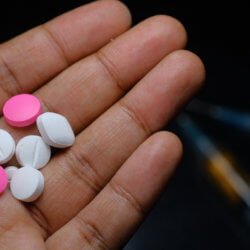
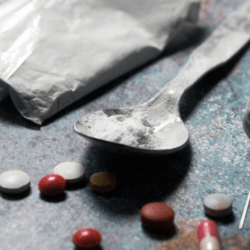
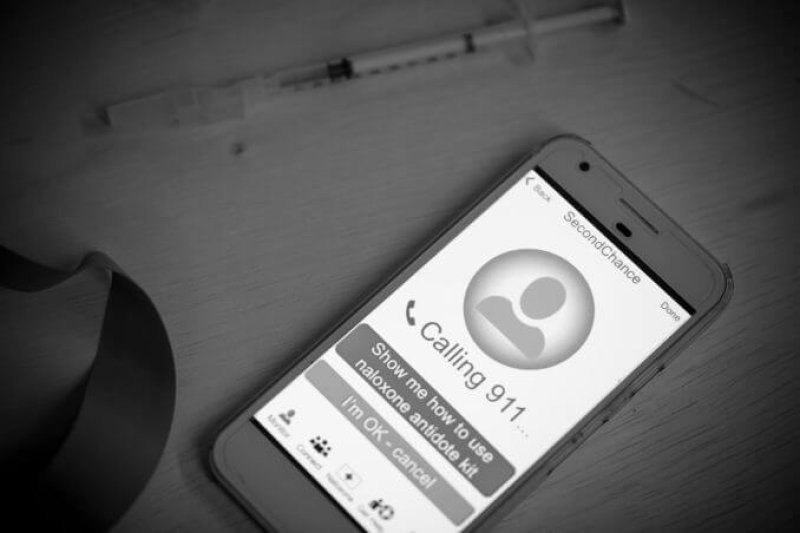
The opioid epidemic in the US kills 115 Americans every day, with fentanyl by far the biggest killer. Per year, drugs in the US are deadlier than gun violence or car crashes. But if caught in time, opioid overdoses are entirely reversible. A new smartphone app might one day help save lives by identifying people when they have overdosed—and then calling their family or emergency services for help.

The system, developed by a team from the University of Washington, effectively converts a phone into a sonar device using the built-in speaker and microphone. An algorithm analyzes the rate of reflected sound waves to identify if someone’s breathing has slowed or stopped (apnea), or if the person isn’t moving—all of which could signal that an overdose has started.

The system was tested on 194 participants using heroin, fentanyl, or morphine in a supervised injection facility in Vancouver. It managed to accurately identify apnea 97.7% of the time and slow breathing 89.3% of the time. All participants who overdosed were resuscitated by onsite staff.

The team hopes to integrate the app with 911 and emergency services so help can get to people who’ve overdosed as quickly as possible. It has also applied to get approval from the US Food and Drug Administration so it can spin the technology out into a company.

Read full, original post: Opioid overdoses could be prevented by an app that listens to breathing

Related Articles

Infographic: Global regulatory and health research agencies on whether glyphosate causes cancer

Infographic: Global regulatory and health research agencies on whether glyphosate causes cancer

Does glyphosate—the world's most heavily-used herbicide—pose serious harm to humans? Is it carcinogenic? Those issues are of both legal and ...

Most Popular

ChatGPT-Image-Sep-17-2026-12_28_43-PM
Vitamin D, omega-3 fish oil and glucosamine supplements could cause brain damage 
ChatGPT-Image-Mar-10-2026-01_39_01-PM
Viewpoint—“Miracle molecule” debunked: Why acemannan supplements don’t work
ChatGPT-Image-Sep-17-2026-10_17_15-AM
Viewpoint: Why are the less intelligent more likely to be conservative—and smarter people more socially liberal?
Screenshot-2026-09-10-at-12.20.19-PM
'Jet fuel didn't melt the steel': 9/11 conspiracy theories debunked
ChatGPT-Image-Aug-28-2026-03_33_46-PM
Viewpoint: Bad science—Five bogus Trump administration claims about vaccines and autism
Screenshot 2026-07-29 at 10.40
The COVID vaccine turbo cancer scare is back. Science still proves it’s wrong.
Screenshot-2026-09-10-at-11.50.46-AM
Did COVID vaccines kill 2,500 service members? RFK Jr. hires an investigator who compares vaccine promoters to Nazi doctors
Screenshot-2026-09-16-at-12.07.47-PM
The heated debate over trans athletes in the WNBA
glp menu logo outlined

Get news on human & agricultural genetics and biotechnology delivered to your inbox.