As glyphosate debate rages, French politician urges EU to take ‘science-based’ approach to pesticide regulation

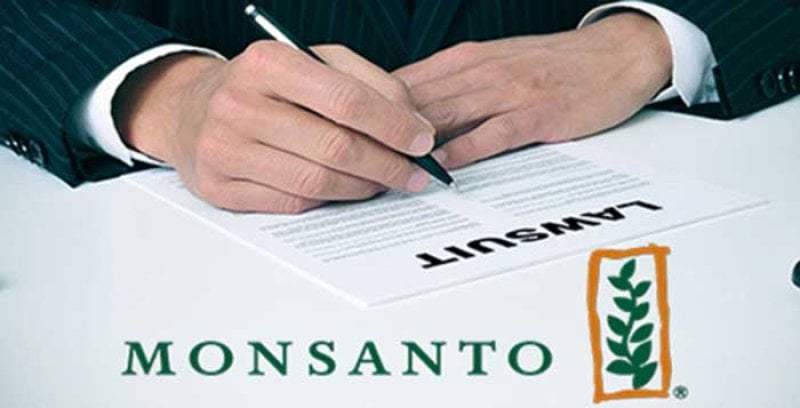
Monsanto in Another Huge Lawsuit for Lying About Roundup Cancer Link
Credit: Dr. Leonard Coldwell

French MEP Angélique Delahaye believes that policymakers must tell citizens what is currently possible and what is not when it comes to pesticides. She has also urged lawmakers to work in earnest to fund research and innovation in order to use as few crop protection products as possible.

Delahaye, a centre-right French MEP on the Parliament’s environment and food safety committee, also sat on the much-discussed PEST special committee, which examined the current EU authorization scheme for pesticides over the last 10 months.

Speaking to EURACTIV following the final vote on a non-binding PEST report, Delahaye said the report was a positive political guideline that preserves a science-based approach, without calling for a sudden ban of any plant protection product.

“We need to reduce the impact [of pesticides], but it doesn’t happen by snapping your fingers: it takes years to find alternatives to certain practices….” she said.

The public debate over glyphosate….recently heated up again after a French court ruling ordered an immediate ban on Roundup Pro 360, a glyphosate-based product.

French agriculture minister Didier Guillaume has repeatedly said outlawing glyphosate could mean a number of French farmers would go out of business.

Commenting on the statement, Delahaye agreed in principle with Guillaume but noted that the French government “wants two opposite things at the same time.”

Read full, original article: French MEP: Politicians should not play with people’s fears and pesticides


{{ reviewsTotal }}{{ options.labels.singularReviewCountLabel }}
{{ reviewsTotal }}{{ options.labels.pluralReviewCountLabel }}
{{ options.labels.newReviewButton }}
{{ userData.canReview.message }}

Related Articles

Infographic: Global regulatory and health research agencies on whether glyphosate causes cancer

Infographic: Global regulatory and health research agencies on whether glyphosate causes cancer

Does glyphosate—the world's most heavily-used herbicide—pose serious harm to humans? Is it carcinogenic? Those issues are of both legal and ...

Most Popular

ChatGPT-Image-May-7-2026-12_16_37-PM-2
Viewpoint: Are cancer rates ‘skyrocketing’ as RFK, Jr. and MAHA claims? The evidence says mostly the opposite
Screenshot-2026-04-13-at-1.39.26-PM
Viewpoint: ‘Safer for children?’ Stonyfield yogurt under fire for deceptive organic marketing
Screenshot-2026-04-22-at-10.46.29-AM
Viewpoint: How to counter science disinformation? Science journalist offers 12 practical tips
png-pill-omega-Supp-fish-oil
Millions take omega-3 fish oil for brain health. New research suggests it may do the opposite.
Screenshot-2026-04-23-at-11.00.36-AM
Regulators' dilemma: Thalidomide, Metformin, and the cost of getting drug approvals wrong
ChatGPT Image May 14, 2026, 09_51_35 PM
Facebook swamped by hundreds of thousands of scam ads for illegal or dangerous medical products
ChatGPT Image May 12, 2026, 01_21_30 PM
How big health brands are funding online medical misinformation 
Picture1-5
Science Disinformation Gap: The transatlantic battle over social media and censorship

Sorry. No data so far.

glp menu logo outlined

Get news on human & agricultural genetics and biotechnology delivered to your inbox.