‘Good enough to eat?’ Australian plant scientist battles ‘fake news’ about GMOs with new book

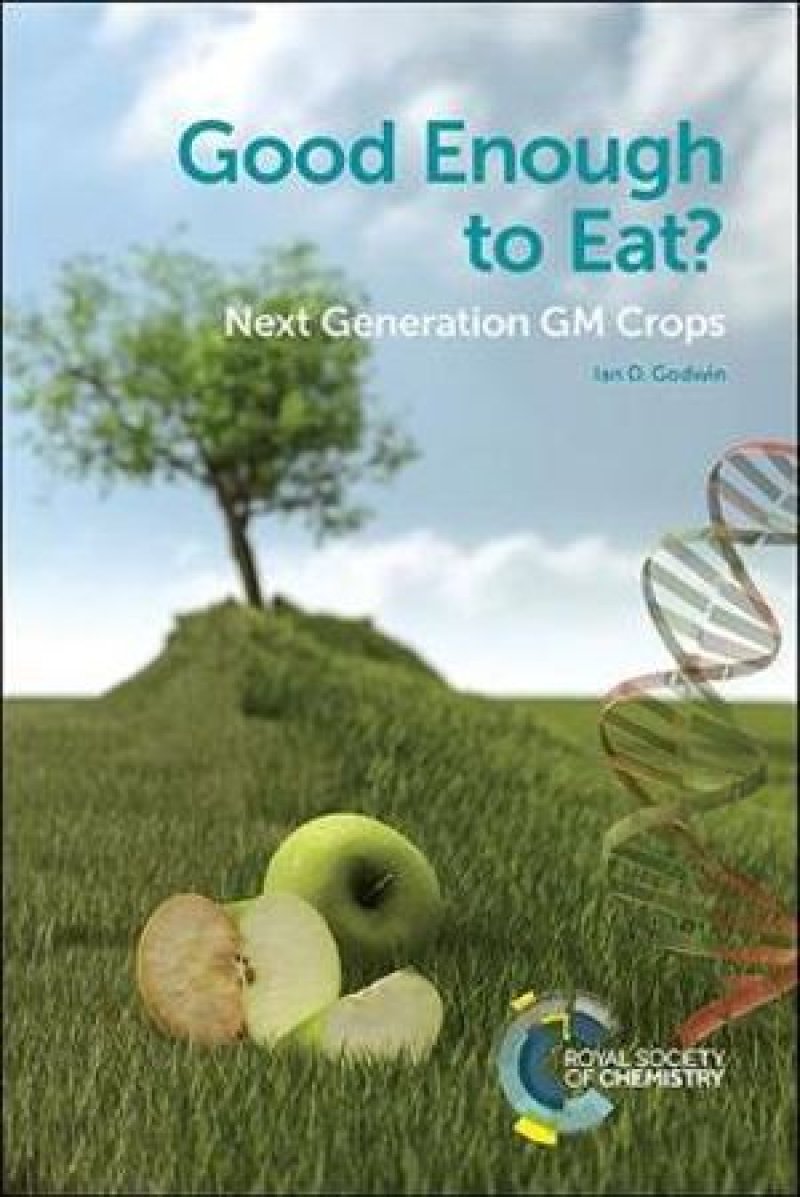
qaafi goodwin book cover

Scientists must speak out about the benefits of new genetic technologies such as genetically modified organisms (GMOs) and gene editing, according to The University of Queensland’s new Director of Crop Science, Professor Ian Godwin.

Professor Godwin is the author of Good Enough to Eat?, a new book about new genetic plant and animal breeding technologies.

It charts the history of genetically modified foods from the laboratory to the global dinner plate, and outlines the huge potential of new gene editing technologies, such as CRISPR.

He hopes the book will help end fear and misinformation generated by “fake news” about the safety of genetically modified foods.

“The future of billions of people literally depends on changing the narrative about how we view genetically modified food and genetic technologies,” Professor Godwin said.
“Genetically modified, or GM, crops use 37 per cent less pesticide, and increase crop yields by 22 per cent and farmer profits by 68 per cent – and the promise of new genome editing techniques is simply astonishing,” Professor Godwin said.

“But we have to stop pretending that ‘natural is best’ and challenge the notion that organic food companies are not actually big global companies with a conflict of interest when it comes to the GMO debate.”

Read full, original article: Scientists urged to fight GMO fake news

Related Articles

Infographic: Global regulatory and health research agencies on whether glyphosate causes cancer

Infographic: Global regulatory and health research agencies on whether glyphosate causes cancer

Does glyphosate—the world's most heavily-used herbicide—pose serious harm to humans? Is it carcinogenic? Those issues are of both legal and ...

Most Popular

ChatGPT-Image-Mar-10-2026-01_39_01-PM
Viewpoint—“Miracle molecule” debunked: Why acemannan supplements don’t work
ChatGPT-Image-Sep-17-2026-12_28_43-PM
Vitamin D, omega-3 fish oil and glucosamine supplements could cause brain damage 
Screenshot-2026-08-19-at-6.19.42-PM
Facts & Fallacies podcast: 'Regenerative farming'? RFK Jr.’s federal push romanticizes the past and risks food security
ChatGPT-Image-Aug-28-2026-03_33_46-PM
Viewpoint: Bad science—Five bogus Trump administration claims about vaccines and autism
Screenshot-2026-08-12-at-11.31.46-AM
AI is helping develop new vaccines
Screenshot-2026-09-10-at-12.20.19-PM
'Jet fuel didn't melt the steel': 9/11 conspiracy theories debunked
Screenshot-2026-09-14-at-4.31.14-PM
Viewpoint: What’s the likely impact when the EPA loosens rules limiting methane pollution from oil and gas wells?
ChatGPT-Image-Sep-9-2026-02_48_24-PM
Viewpoint: Trump-RFK Jr. report on “Gender Ideology & Left-wing Ideology’ targets LGBTQ community—and science
ChatGPT-Image-Sep-17-2026-10_17_15-AM
Viewpoint: Why are the less intelligent more likely to be conservative—and smarter people more socially liberal?
Eating Nuts Adds up to Longer Life x
For millions with peanut allergies, Nurtured Nuts’ CRISPR gene-edited peanuts could ease the fear of accidental exposure
Screenshot-2026-09-15-at-11.04.54-AM
Viewpoint: Childhood deaths in dispute: Why the CDC vs Pennsylvania conflict over measles vaccines matters
ChatGPT-Image-Sep-13-2026-10_46_11-AM
“Hit the brakes”: Anthropic warns the race to superintelligence could spawn internet-seizing AI swarms—and empower authoritarians. Here’s how to stop it.
glp menu logo outlined

Get news on human & agricultural genetics and biotechnology delivered to your inbox.