How AI ‘learned’ to predict a person’s age by analyzing gut bacteria

2-11-2019 gut vili
Image credit: nobeastsofierce/Shutterstock

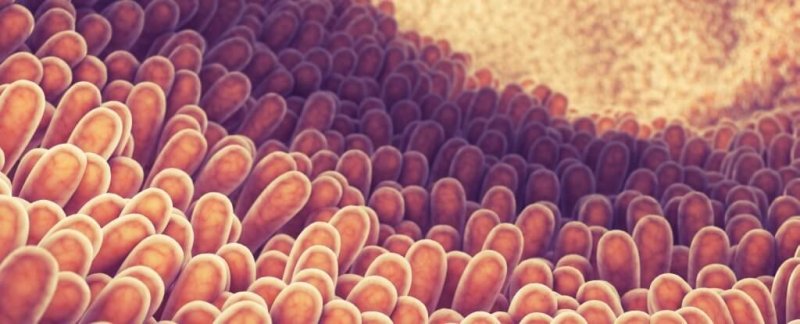
The plethora of bacteria and other tiny organisms that live in your gut, often referred to as the gut microbiome, don’t just help you digest food and fight disease. As detailed in a new study, they also provide a very accurate biological clock that shows your physical age—a fact that may open up wide-ranging possibilities for health and longevity studies.

[T]he team describes how they examined 3,663 curated samples of gut bacteria from 1,165 healthy people, aged 20-90,  from countries in Europe, Asia, and North America.

A deep learning algorithm was then trained on data on 1,673 different microbial species from 90 percent of the samples. The AI was then tasked with predicting the ages of the remaining 10 percent of participants solely from data on their gut bacteria.

The results, described as the first method to predict a human’s chronological age via gut microbiota analysis, showed that the system was able to predict age to within four years based on the gut bacteria data. Furthermore, the results seem to indicate that 39 of the microbial species analyzed are particularly important in relation to accurately predicting age.

Read full, original post: This AI Can Tell Your Age by Analyzing Your Gut Microbiome

{{ reviewsTotal }}{{ options.labels.singularReviewCountLabel }}
{{ reviewsTotal }}{{ options.labels.pluralReviewCountLabel }}
{{ options.labels.newReviewButton }}
{{ userData.canReview.message }}

Related Articles

Infographic: Global regulatory and health research agencies on whether glyphosate causes cancer

Infographic: Global regulatory and health research agencies on whether glyphosate causes cancer

Does glyphosate—the world's most heavily-used herbicide—pose serious harm to humans? Is it carcinogenic? Those issues are of both legal and ...

Most Popular

Screenshot-2026-05-01-at-1.29.41-PM
Viewpoint: What happens when whole grains meet modern food manufacturing? Labels don’t tell the whole story.
S
As vaccine rejectionism spreads, measles may be taking a more dangerous turn
ChatGPT-Image-Apr-13-2026-02_20_22-PM
Viewpoint: Misinformation infodemic? Why assessing evidence is so challenging 
Screenshot-2026-04-20-at-2.26.27-PM
Viewpoint — Food-fear world: The latest activist scientists campaign: Cancer-causing additives
ChatGPT-Image-Mar-27-2026-11_47_30-AM-2
FDA’s expedited drug reviews are hailed in some quarters but other approval practices are problematic
Screenshot-2026-03-13-at-12.14.04-PM
The FDA wants to make many popular prescription drugs OTC—a great idea. Here’s why it’s unlikely to happen
bigstock opioids on chalkboard with rol
GLP podcast: 'Safe injection sites': enabling drug addiction or saving lives?
circular-bioeconomy-should-focus-on-sustainable-wellbeing
GLP podcast: What's wrong with 'doomsday' environmentalism? It's false.
Farmers can talk to plants
Farmers are a major source of misinformation—about farming
Screenshot-2026-04-12-135256
Bixonimania: The fake disease scam that AI swallowed whole

Sorry. No data so far.

glp menu logo outlined

Get news on human & agricultural genetics and biotechnology delivered to your inbox.