Far from sterile: Breast milk ‘teeming’ with bacteria

things you didnt know about breastfeeding

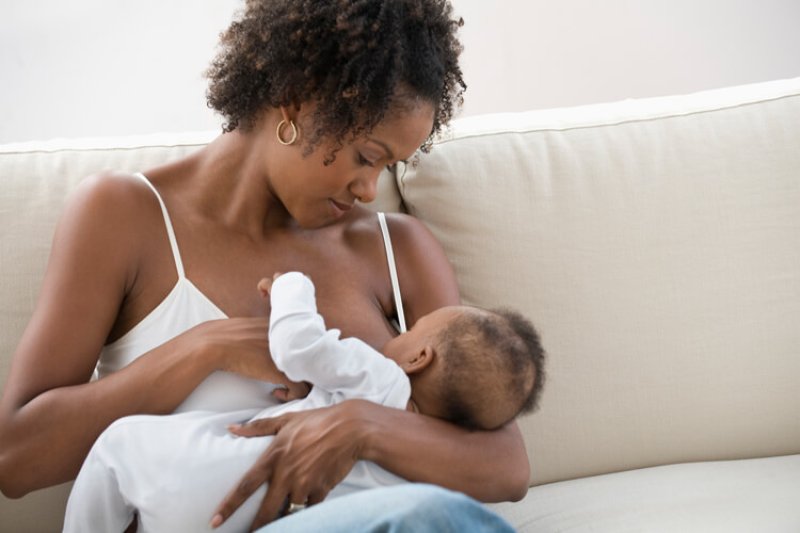
Until relatively recently, most researchers thought that breast milk was sterile. But it turns out that, like most other body parts and fluids, it’s teeming with bacteria. The composition of its microbiome varies based on a number of factors—including whether the milk was pumped, or fed to an infant directly from the breast, according to a study published [February 13] in the journal Cell.

The research team examined the breast milk microbiome from just under 400 mother-infant pairs participating in the Canadian Healthy Infant Longitudinal Development (CHILD) study, which is tracking participants from pregnancy through childhood and adolescence.

The results showed that the milk was highly variable, and different women had different types and amounts of bacteria in their milk. The team could only account for about 30 percent of the differences.
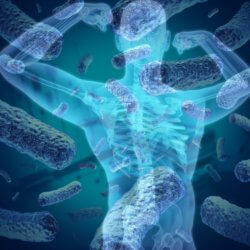
Pumped milk had higher levels of potential pathogens, which, [researcher Meghan] Azad stressed, are not necessarily actively harmful. “It’s not always black and white. They might have health implications, but we’d need more research to know for sure,” she said. Pumping also was linked to lower levels of Bifidobacteria, which are generally considered beneficial to the infant gut microbiome, in the breast milk.

Read full, original post: Pumping Breast Milk Changes Its Microbiome

{{ reviewsTotal }}{{ options.labels.singularReviewCountLabel }}
{{ reviewsTotal }}{{ options.labels.pluralReviewCountLabel }}
{{ options.labels.newReviewButton }}
{{ userData.canReview.message }}

Related Articles

Infographic: Global regulatory and health research agencies on whether glyphosate causes cancer

Infographic: Global regulatory and health research agencies on whether glyphosate causes cancer

Does glyphosate—the world's most heavily-used herbicide—pose serious harm to humans? Is it carcinogenic? Those issues are of both legal and ...

Most Popular

Screenshot-2026-05-01-at-1.29.41-PM
Viewpoint: What happens when whole grains meet modern food manufacturing? Labels don’t tell the whole story.
S
As vaccine rejectionism spreads, measles may be taking a more dangerous turn
Screenshot 2026-05-06 at 2.56
Singularity crisis ahead? Can super babies save us from rogue AI geniuses?
Screenshot-2026-05-06-at-2.07.43-PM
Manufacturing a conspiracy: The timeline of how  the White House embraced the fringe claim that scientists are being mysteriously murdered
Screenshot-2026-04-20-at-2.26.27-PM
Viewpoint — Food-fear world: The latest activist scientists campaign: Cancer-causing additives
Screenshot-2026-04-30-at-2.19.37-PM
5 myths about summer dehydration that could damage your health — or even kill you
Screenshot-2026-03-13-at-12.14.04-PM
The FDA wants to make many popular prescription drugs OTC—a great idea. Here’s why it’s unlikely to happen
ChatGPT-Image-May-6-2026-03_41_05-PM
‘Protecting the integrity of science’: Kennedy’s FDA blocks release of taxpayer-funded studies finding COVID and shingles vaccines safe
Screenshot-2026-05-01-at-11.56.24-AM
‘Science moves forward when people are willing to think differently’: Memories of DNA maverick Craig Venter
Screenshot-2026-04-12-135256
Bixonimania: The fake disease scam that AI swallowed whole
Screenshot 2026-05-06 at 12.49
Immortal dragons: The quest to ‘make death optional’
glp menu logo outlined

Get news on human & agricultural genetics and biotechnology delivered to your inbox.