CRISPR crops spur farming innovation despite climate change, water shortages and exploding food demand

DSC

The discussion and debate surrounding advances in agriculture have become frequent topics of discussion….[N]ow more than ever, the concept of genome editing a plant’s actual biological makeup using a precise method such as CRISPR is becoming more prevalent in the agtech conversation.

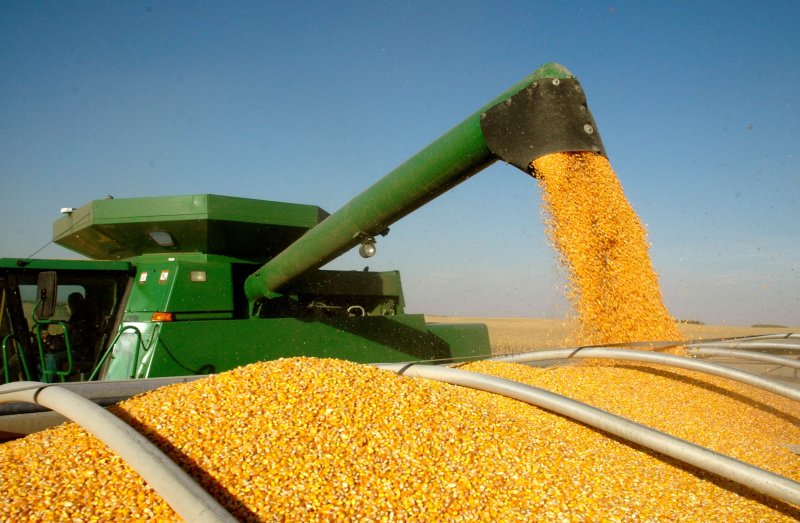
[T]here are still major unmet needs in the industry. Increasingly unpredictable weather patterns, water shortages, and a reduction in arable land are all frequent reminders that we need to innovate much further.

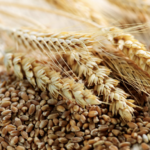
With demand growing for food and protein as human populations increase and become more prosperous, step-change improvements in crop yield could help growers begin to address the challenge of global food security. New technologies, such as CRISPR, can also be deployed to improve the nutritional profile of some crops –producing higher-fiber wheat and healthier oils are near-term examples.

The role the USDA has played over the past few years to spur innovation in agriculture cannot be understated. In 2018, the USDA issued a statement….clarifying its position on CRISPR-use, one that emphasized it will not over-regulate the use of the technology in the sector, thus “green-lighting” gene-editing crops moving forward.

Read full, original article: Why now is the time for the convergence of agriculture and CRISPR technology


{{ reviewsTotal }}{{ options.labels.singularReviewCountLabel }}
{{ reviewsTotal }}{{ options.labels.pluralReviewCountLabel }}
{{ options.labels.newReviewButton }}
{{ userData.canReview.message }}

Related Articles

Infographic: Global regulatory and health research agencies on whether glyphosate causes cancer

Infographic: Global regulatory and health research agencies on whether glyphosate causes cancer

Does glyphosate—the world's most heavily-used herbicide—pose serious harm to humans? Is it carcinogenic? Those issues are of both legal and ...

Most Popular

Screenshot-2026-05-01-at-1.29.41-PM
Viewpoint: What happens when whole grains meet modern food manufacturing? Labels don’t tell the whole story.
S
As vaccine rejectionism spreads, measles may be taking a more dangerous turn
Screenshot 2026-05-06 at 2.56
Singularity crisis ahead? Can super babies save us from rogue AI geniuses?
Screenshot-2026-05-06-at-2.07.43-PM
Manufacturing a conspiracy: The timeline of how  the White House embraced the fringe claim that scientists are being mysteriously murdered
Screenshot-2026-04-20-at-2.26.27-PM
Viewpoint — Food-fear world: The latest activist scientists campaign: Cancer-causing additives
Screenshot-2026-03-13-at-12.14.04-PM
The FDA wants to make many popular prescription drugs OTC—a great idea. Here’s why it’s unlikely to happen
Screenshot-2026-04-30-at-2.19.37-PM
5 myths about summer dehydration that could damage your health — or even kill you
ChatGPT-Image-May-6-2026-03_41_05-PM
‘Protecting the integrity of science’: Kennedy’s FDA blocks release of taxpayer-funded studies finding COVID and shingles vaccines safe
Screenshot 2026-05-06 at 12.49
Immortal dragons: The quest to ‘make death optional’
Screenshot-2026-05-01-at-11.56.24-AM
‘Science moves forward when people are willing to think differently’: Memories of DNA maverick Craig Venter
glp menu logo outlined

Get news on human & agricultural genetics and biotechnology delivered to your inbox.