Taming immune system after stroke could reduce risk of brain damage

scisource custom eefe fb feabb c bc d d ba b s c
Image: Alfred Pasieka/Science Source

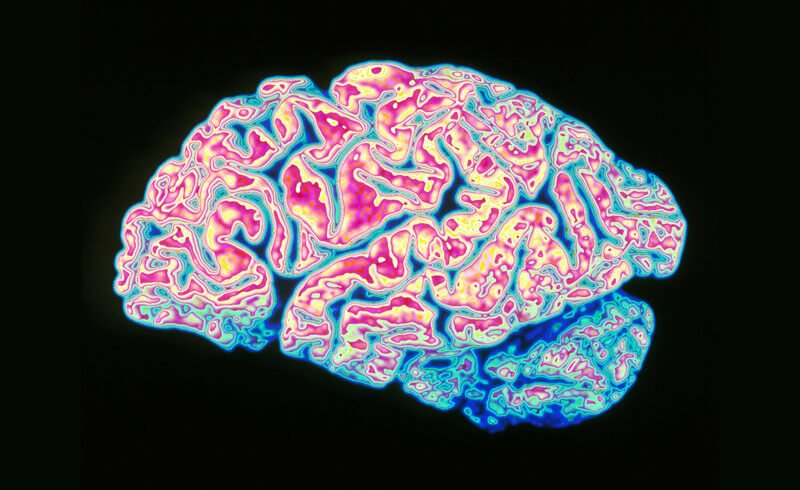
The pathology of a stroke is deceptively complicated. In the simplest sense, strokes occur when the blood supply to a particular region of the brain is interrupted, cutting off the area to oxygen and nutrients. This deprivation results in injury and death to the local brain cells.

But for days after the breach in blood flow, the immune system also does its own fair share of damage to the already injured brain through an inflammatory response. New research by a group at Stanford University has identified a subset of immune cells that drive brain injury following a stroke, raising the possibility that immune-system inhibition might be a promising treatment for a blood-deprived brain. 

….

Myeloid cell surfaces bear a molecule called TREM1, or triggering receptor expressed on myeloid cells 1, that amplifies immune responses. Normally TREM1 drives the immune system to fight infections, but when it is too aggressive, it can contribute not just to stroke but to other serious conditions, such as heart disease and cancer.

When mice in which the TREM1 gene had been deleted were subjected to a stroke, they had significantly less damage to their brains and exhibited higher survival rates.

Read full, original post: New Method for Tackling Stroke Restrains an Overactive Immune System

{{ reviewsTotal }}{{ options.labels.singularReviewCountLabel }}
{{ reviewsTotal }}{{ options.labels.pluralReviewCountLabel }}
{{ options.labels.newReviewButton }}
{{ userData.canReview.message }}

Related Articles

Infographic: Global regulatory and health research agencies on whether glyphosate causes cancer

Infographic: Global regulatory and health research agencies on whether glyphosate causes cancer

Does glyphosate—the world's most heavily-used herbicide—pose serious harm to humans? Is it carcinogenic? Those issues are of both legal and ...

Most Popular

Screenshot-2026-03-13-at-12.14.04-PM
The FDA wants to make many popular prescription drugs OTC—a great idea. Here’s why it’s unlikely to happen
Screenshot-2026-05-04-at-12.54.32-PM
How Utah became the country’s supplement capital  — and a haven for unregulated, ineffective and fake products
Screenshot-2026-04-20-at-2.26.27-PM
Viewpoint — Food-fear world: The latest activist scientists campaign: Cancer-causing additives
Screenshot-PM-24
Viewpoint: The herbicide glyphosate isn’t perfect. Banning it would be far worse.
Screenshot-2026-05-01-at-11.56.24-AM
‘Science moves forward when people are willing to think differently’: Memories of DNA maverick Craig Venter
images
The never-ending GMO debate: Pros and cons
ChatGPT-Image-May-1-2026-02_20_13-PM
How RFK, Jr.’s false vaccine claims are holding up $600 million to fight diseases in poor countries
Screenshot-2026-04-12-135256
Bixonimania: The fake disease scam that AI swallowed whole
Screenshot-2026-04-03-at-11.15.51-AM
Paraben panic: How a flawed study, media hype, and chemophobia convinced the public of the danger of one of the safest classes of preservatives
Screenshot-2026-04-30-at-2.19.37-PM
5 myths about summer dehydration that could damage your health — or even kill you
glp menu logo outlined

Get news on human & agricultural genetics and biotechnology delivered to your inbox.