Expanded screening recommended for BRCA breast cancer gene. Federal panel stops short of suggesting all women should be tested.

maxresdefault
Image: Associated Press

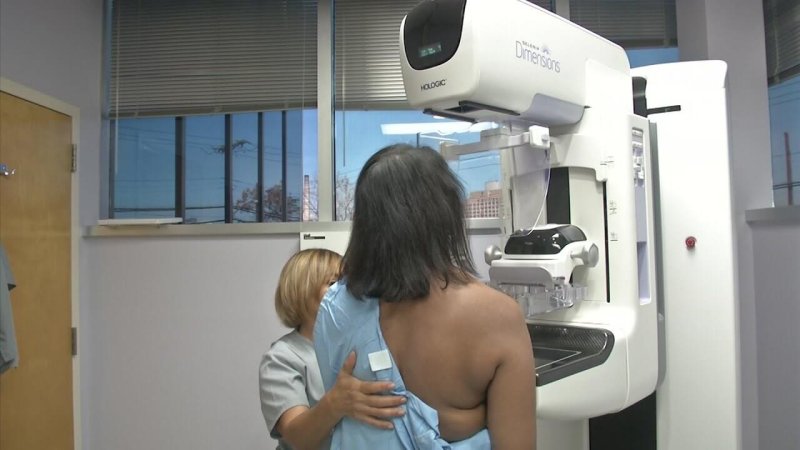
On [August 20], the US Preventive Services Task Force, a panel of federally appointed independent experts that makes recommendations about preventive care, published updated guidelines for testing people for mutations in the genes BRCA1 and BRCA2, some variants of which are associated with increased risks of breast, ovarian, and some other cancers. The new guidelines, which appear in JAMA, expand the group of women recommended to undergo BRCA1/2 risk assessments, but do not recommend broad screening for mutations in the two genes.

The USPSTF recommends that women who meet the updated screening criteria should be evaluated with a risk assessment tool, which will estimate their odds of having a harmful BRCA1/2 mutation. If the assessments indicate a harmful mutation is likely, then genetic counseling and, possibly, genetic testing could follow.

“Sometimes it makes sense for a woman to only get an assessment and undergo counseling, but not genetic testing,” [Stanford University professor of medicine Douglas] Owens notes.

If tests reveal that a woman has BRCA1/2 mutations that put her at an increased risk for cancer, then potential interventions include more screening for BRCA-associated mutations, medications, and surgeries (such as those to remove breasts, ovaries, or fallopian tubes) that could reduce that risk.

Read full, original post: New Guidelines Expand BRCA Screening

{{ reviewsTotal }}{{ options.labels.singularReviewCountLabel }}
{{ reviewsTotal }}{{ options.labels.pluralReviewCountLabel }}
{{ options.labels.newReviewButton }}
{{ userData.canReview.message }}

Related Articles

Infographic: Global regulatory and health research agencies on whether glyphosate causes cancer

Infographic: Global regulatory and health research agencies on whether glyphosate causes cancer

Does glyphosate—the world's most heavily-used herbicide—pose serious harm to humans? Is it carcinogenic? Those issues are of both legal and ...

Most Popular

ChatGPT-Image-May-7-2026-12_16_37-PM-2
Viewpoint: Are cancer rates ‘skyrocketing’ as RFK, Jr. and MAHA claims? The evidence says mostly the opposite
Screenshot-2026-04-13-at-1.39.26-PM
Viewpoint: ‘Safer for children?’ Stonyfield yogurt under fire for deceptive organic marketing
Screenshot-2026-04-22-at-10.46.29-AM
Viewpoint: How to counter science disinformation? Science journalist offers 12 practical tips
png-pill-omega-Supp-fish-oil
Millions take omega-3 fish oil for brain health. New research suggests it may do the opposite.
ChatGPT Image May 14, 2026, 09_51_35 PM
Facebook swamped by hundreds of thousands of scam ads for illegal or dangerous medical products
ChatGPT Image May 12, 2026, 01_21_30 PM
How big health brands are funding online medical misinformation 
Screenshot-2026-04-23-at-11.00.36-AM
Regulators' dilemma: Thalidomide, Metformin, and the cost of getting drug approvals wrong
Picture1-5
Science Disinformation Gap: The transatlantic battle over social media and censorship
ChatGPT-Image-May-13-2026-12_43_37-PM-2
Longevity: Is cellular rejuvenation even possible?
glp menu logo outlined

Get news on human & agricultural genetics and biotechnology delivered to your inbox.