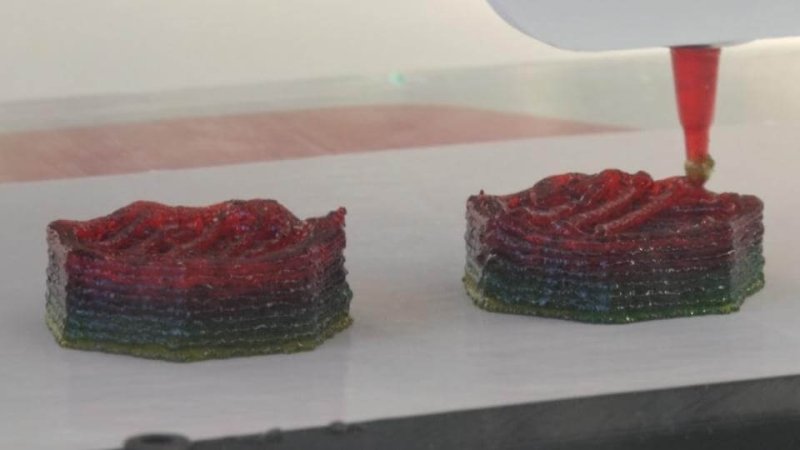

Vitamins and other dietary supplements are a $30 billion industry in the US. In addition to the bottles lining drugstore shelves, those products include a niche that promises to meet customers’ unique needs based on their specific data.
Those data come in a few different forms. Like Nourish3d, some other companies, including care/of and Persona, use an online questionnaire that covers questions such as goals and current diet. Persona and care/of then recommend personalized vitamin packs for customers to order.
Other companies use DNA testing to make their recommendations. PureGenomics, available only through healthcare providers, uses the results of 23andMe’s direct-to-consumer SNP test to sell its supplements. For example, the company states on its website, people with certain alleles of the gene BCMO1 may require a vitamin A supplement, if they aren’t eating foods high in the vitamin. TeloYears, by contrast, zeros in on telomere length, testing customers and delivering supplements it claims result in “measurably younger cells.”
….




[Food researcher Marion] Nestle’s advice to people looking to optimize their nutritional intake right now isn’t complicated. “How about food?” she suggests. “That would be my starting position, is eat a healthy diet for heaven’s sakes.”
Read full, original post: Personalized Nutrition Companies’ Claims Overhyped: Scientists