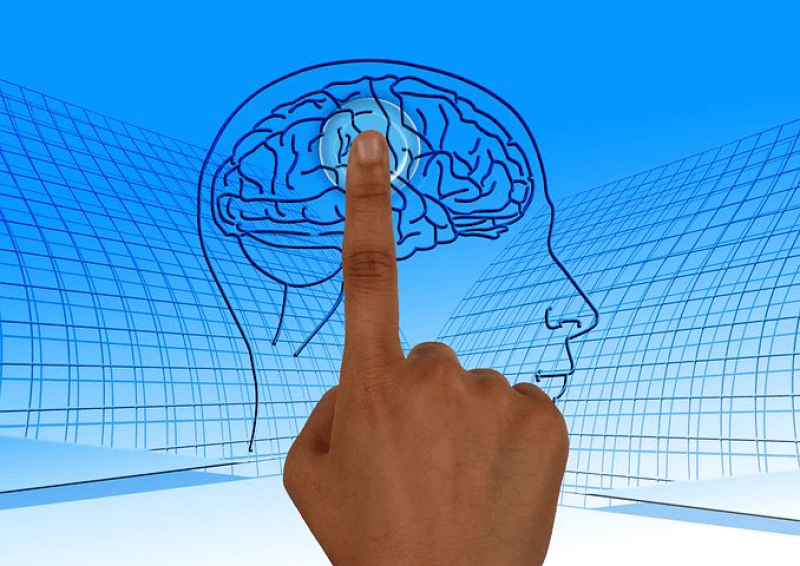
Rethinking the brain’s reward system—and what creates human intelligence

mxvw znhj qp goanphg

In a paper published in Nature … DeepMind, Alphabet’s AI subsidiary, has once again used lessons from reinforcement learning to propose a new theory about the reward mechanisms within our brains. The hypothesis, supported by initial experimental findings, could not only improve our understanding of mental health and motivation. It could also validate the current direction of AI research toward building more human-like general intelligence.

At a high level, reinforcement learning follows the insight derived from Pavlov’s dogs: it’s possible to teach an agent to master complex, novel tasks through only positive and negative feedback. An algorithm begins learning an assigned task by randomly predicting which action might earn it a reward. It then takes the action, observes the real reward, and adjusts its prediction based on the margin of error.

It turns out the brain’s reward system works in much the same way. … When a human or animal is about to perform an action, its dopamine neurons make a prediction about the expected reward.

What might it mean, for example, to have “pessimistic” and “optimistic” dopamine neurons? If the brain selectively listened to only one or the other, could it lead to chemical imbalances and induce depression?

Fundamentally, by further decoding processes in the brain, the results also shed light on what creates human intelligence.


Read the original post

{{ reviewsTotal }}{{ options.labels.singularReviewCountLabel }}
{{ reviewsTotal }}{{ options.labels.pluralReviewCountLabel }}
{{ options.labels.newReviewButton }}
{{ userData.canReview.message }}

Related Articles

Infographic: Global regulatory and health research agencies on whether glyphosate causes cancer

Infographic: Global regulatory and health research agencies on whether glyphosate causes cancer

Does glyphosate—the world's most heavily-used herbicide—pose serious harm to humans? Is it carcinogenic? Those issues are of both legal and ...

Most Popular

Screenshot-2026-04-13-at-1.39.26-PM
Viewpoint: ‘Safer for children?’ Stonyfield yogurt under fire for deceptive organic marketing
Screenshot-2026-04-22-at-10.46.29-AM
Viewpoint: How to counter science disinformation? Science journalist offers 12 practical tips
ChatGPT-Image-May-7-2026-12_16_37-PM-2
Viewpoint: Are cancer rates ‘skyrocketing’ as RFK, Jr. and MAHA claim? The evidence says mostly the opposite
Picture1-14
When superbugs threaten vulnerable children: Can AI help solve antibiotic resistance?
ChatGPT-Image-May-12-2026-08_39_41-PM
GLP podcast: Big Pharma, Big Ag, Big Food—health harming industries or life-saving innovators?
Screenshot-2026-04-23-at-11.00.36-AM
Regulators' dilemma: Thalidomide, Metformin, and the cost of getting drug approvals wrong
Picture1-1
Cooling the planet with balloons: Could a geoengineering gamble slow global warming?
png-pill-omega-Supp-fish-oil
Millions take omega-3 fish oil for brain health. New research suggests it may do the opposite.
glp menu logo outlined

Get news on human & agricultural genetics and biotechnology delivered to your inbox.