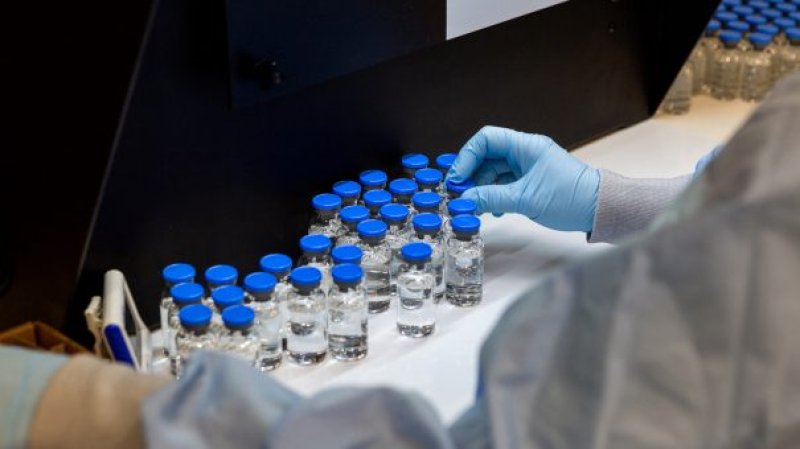
Gilead’s remdesivir offers little benefit for coronavirus patients in early trial

remdesivir image x

The antiviral medicine remdesivir from Gilead Sciences failed to speed the improvement of patients with Covid-19 or prevent them from dying, according to results from a long-awaited clinical trial conducted in China. Gilead, however, said the data suggest a “potential benefit.”

A summary of the study results was inadvertently posted to the website of the World Health Organization … but then removed.

“A draft document was provided by the authors to WHO and inadvertently posted on the website and taken down as soon as the mistake was noticed. The manuscript is undergoing peer review and we are waiting for a final version before WHO comments,” said WHO spokesperson Tarik Jasarevic.

Gilead spokesperson Amy Flood said the company believes “the post included inappropriate characterization of the study.” Because the study was stopped early because it had too few patients, she said, it cannot “enable statistically meaningful conclusions.” However, she said, “trends in the data suggest a potential benefit for remdesivir, particularly among patients treated early in disease.”

According to the summary of the China study, remdesivir was “not associated with a difference in time to clinical improvement” compared to a standard of care control. After one month, it appeared 13.9% of the remdesivir patients had died compared to 12.8% of patients in the control arm.


Read the original post

{{ reviewsTotal }}{{ options.labels.singularReviewCountLabel }}
{{ reviewsTotal }}{{ options.labels.pluralReviewCountLabel }}
{{ options.labels.newReviewButton }}
{{ userData.canReview.message }}

Related Articles

Infographic: Global regulatory and health research agencies on whether glyphosate causes cancer

Infographic: Global regulatory and health research agencies on whether glyphosate causes cancer

Does glyphosate—the world's most heavily-used herbicide—pose serious harm to humans? Is it carcinogenic? Those issues are of both legal and ...

Most Popular

d-b
Blocked arteries, kidney stones, nausea, constipation, fatigue: Long list of health problems caused by too much vitamin D 
Screenshot-PM-24
Viewpoint: The herbicide glyphosate isn’t perfect. Banning it would be far worse.
ChatGPT-Image-Apr-30-2026-05_00_48-PM
Wellness grifter physician turned wellness influencer out as surgeon general nominee
ChatGPT-Image-Apr-30-2026-12_21_05-PM-2
The tech billionaires behind the immortality movement
ChatGPT-Image-Mar-27-2026-11_27_05-AM
The myths of “process”: What science says about the “dangers’ of synthetic products and ultra-processed foods
79d03212-2508-45d0-b427-8e9743ff6432
Viewpoint: The Casey Means hustle—Wellness woo opportunism dressed up as medical wisdom

Sorry. No data so far.

glp menu logo outlined

Get news on human & agricultural genetics and biotechnology delivered to your inbox.