Infants with ‘insecure attachments’ to parents may be at higher risk of autism

shutterstock e x
Credit: Shutterstock

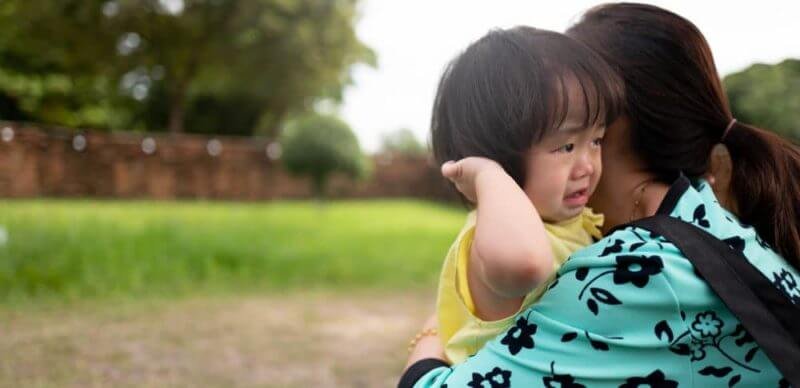
Younger siblings of children with autism who have insecure attachments to their caregivers are more likely to be diagnosed with autism than are siblings with secure attachments, according to the first study to explore this link.

The findings do not suggest that insecure attachments cause autism. But such attachments may signal autism early and guide interventions for these ‘baby sibs.’

The bond between an infant and caregiver develops through the infant’s interactions with her caregiver, especially during periods of stress. The strength of the attachment reflects the child’s perceptions of the caregiver’s availability and care.

Infants with secure attachments tend to be distressed when separated from their caregivers and soothed when reunited, whereas those with insecure attachments are often difficult to comfort or may avoid their caregivers when reunited after separation.

“Attachment security is important because in typical kids it’s associated with slightly more optimal outcomes,” says lead investigator Daniel Messinger, professor of psychology at the University of Miami in Florida. Secure attachments are associated with positive relationships with peers and an ability to regulate emotions. Insecure attachments are linked to aggression and anxiety.

Therapies that strengthen attachments might improve these children’s later social and emotional functioning.


Read the original post

{{ reviewsTotal }}{{ options.labels.singularReviewCountLabel }}
{{ reviewsTotal }}{{ options.labels.pluralReviewCountLabel }}
{{ options.labels.noReviewsLabel }}
{{ options.labels.newReviewButton }}
{{ userData.canReview.message }}

Related Articles

Infographic: Global regulatory and health research agencies on whether glyphosate causes cancer

Infographic: Global regulatory and health research agencies on whether glyphosate causes cancer

Does glyphosate—the world's most heavily-used herbicide—pose serious harm to humans? Is it carcinogenic? Those issues are of both legal and ...

Most Popular

ChatGPT-Image-Mar-10-2026-01_39_01-PM
Viewpoint—“Miracle molecule” debunked: Why acemannan supplements don’t work
Screenshot 2025-09-17 at 12.41
Misinformation alert: No, glyphosate use in Canadian forests is not spurring more wildfires
Screenshot 2026-07-11 094410
Growing animal muscle and fat cells inside rice grains and calling it beef: One of numerous genetically engineered products shaking up our ecosystem
ChatGPT-Image-Jun-25-2026-12_23_17-PM
No, Bill Gates did not secretly engineer ticks to promote veganism
Screenshot 2026-07-16 at 8.49
Pete Hegseth’s bizarre Viagra commercial as Trump administration endorses ‘hormone replacement therapy’
Screenshot-2026-07-16-at-11.32.12-AM
Viewpoint: Trump appoints climate change hoax promoter to head influential government policy project
file-f-d-d-
Facts & Fallacies Podcast: Europe's AC debacle underscores fatal flaw in green activism

Sorry. No data so far.

glp menu logo outlined

Get news on human & agricultural genetics and biotechnology delivered to your inbox.