USDA won’t regulate gene-edited camelina, accelerating development of sustainable omega-3 oil source

Camelina Oct Sc
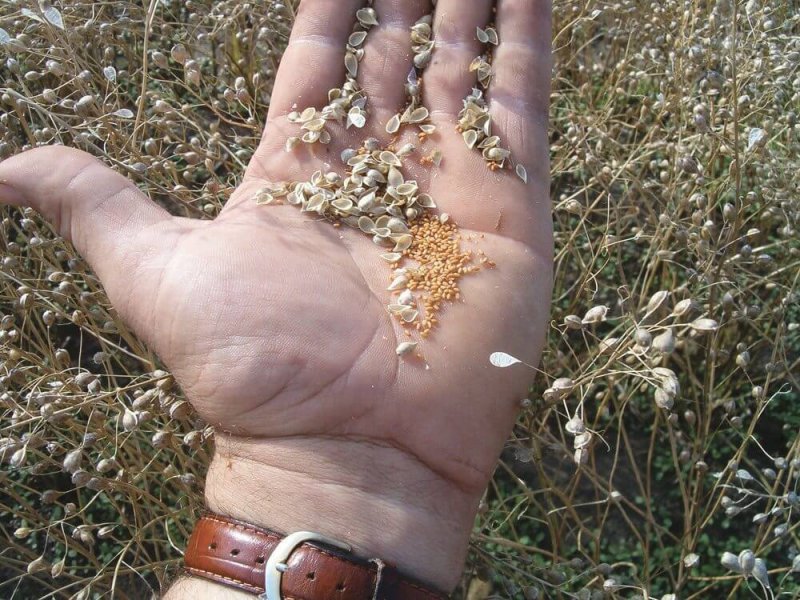
Camelina. Credit: Scott Chalmers, WADO)

In January 2020, Yield10 submitted an “Am I Regulated?” letter to the BRS, requesting confirmation of the regulatory status for Camelina plant lines containing the Company’s novel, CRISPR genome-edited C3007 trait. The positive USDA-APHIS response came in the form of a published letter indicating that the plant lines do not meet the definition of a regulated article ….

This clarification of the regulatory status under USDA-APHIS guidelines accelerates the path for Yield10 to conduct field trials of the CRISPR genome-edited C3007 plants in the United States in the 2020 growing season. The plant lines may still be subject to regulation by the U.S. Environmental Protection Agency (“EPA”) or the U.S. Food and Drug Administration (“FDA”).

“Receiving a positive response from USDA-APHIS for our CRISPR genome-edited C3007 lines is a critical milestone within our development program and facilitates the transition of lines with this trait to field testing this year,” said Dr. Kristi Snell, Ph.D., Chief Science Officer of Yield10 Bioscience.

“Initial studies with C3007 have demonstrated potential for increased oil content, and the next step of testing this trait under field conditions will help us to characterize its performance and role in boosting oil content in Camelina and other oilseed crops.”


The ability to increase oil content in specialty oilseed crops like Camelina has the potential to make a significant impact in the supply of omega fatty acid containing oils, to human nutrition and aquaculture feed markets.


Read the original post

Related Articles

Infographic: Global regulatory and health research agencies on whether glyphosate causes cancer

Infographic: Global regulatory and health research agencies on whether glyphosate causes cancer

Does glyphosate—the world's most heavily-used herbicide—pose serious harm to humans? Is it carcinogenic? Those issues are of both legal and ...

Most Popular

ChatGPT-Image-Mar-10-2026-01_39_01-PM
Viewpoint—“Miracle molecule” debunked: Why acemannan supplements don’t work
Screenshot-2026-09-17-at-1.07.08-PM
'We are dangerously addicted to antidepressants': Should we heed RFK Jr.’s sobering warning?
Screenshot-2026-09-03-at-10.51.20-AM
Viewpoint: Why do online health lies outlive the evidence that debunks them? Read "Everyone Else Is Lying to You"
ChatGPT-Image-Sep-2-2026-02_03_32-PM
How much of a problem is AI’s water use?
ChatGPT-Image-Sep-23-2026-01_52_03-PM
Viewpoint: 4 very real AI doomsday scenarios
Screenshot-2026-09-23-at-3.15.09-PM
Anti-GMO activists in Pakistan rev up their campaign of dire warnings
Screenshot-2026-09-22-at-11.40.28-AM
After Idaho criminalized abortion providers in 2022, one-third of obstetricians fled. Health care advocates are making rural health the case for repealing the ban
Screenshot-2026-09-23-at-11.55.01-AM
How can we know if social media bans actually help teens?
Screenshot-2026-09-10-at-12.20.19-PM
'Jet fuel didn't melt the steel': 9/11 conspiracy theories debunked
ChatGPT-Image-Sep-22-2026-10_32_46-AM
There has been a slew of recent reports of food recalls and foodborne outbreaks. Do we face an escalating problem?
ChatGPT-Image-Aug-26-2026-12_46_16-PM
Viewpoint: The fake controversy over whether combining childhood vaccines is dangerous— a debate science resolved 25 years ago
glp menu logo outlined

Get news on human & agricultural genetics and biotechnology delivered to your inbox.