Mini-capsule technology controls mosquitoes without insecticides

mosquito dengue
Effective mosquito control without the use of insecticides can now be achieved by soaking an egg-filled mini capsule in water, thanks to new technology developed by Oxitec Ltd. The United Kingdom-based company, which develops targeted biological solutions to control insects that transmit diseases and destroy crops, has just completed a trial of its mini-capsule technology. The research, conducted in close partnership with the City of Indaiatuba, Brazil, found the method successfully suppressed 95 percent of the Aedes aegypti mosquito population in the targeted urban environment following just 13 weeks of treatment.“We are facing a devastating dengue epidemic in Brazil and new vector control tools are desperately needed for cities and communities alike,” said Natalia Ferreira, Oxitec Brazil’s director. “That’s why this ‘Friendly’ mini-capsule product is going to be so impactful — it can establish superior Aedes aegypti control safely with the easy deployment of tiny capsules in boxes that don’t require costly infrastructure or complex operations. We’re making it simple, sustainable, and scalable. In other words, this is exactly what Brazil’s cities and communities need at this critical time.”

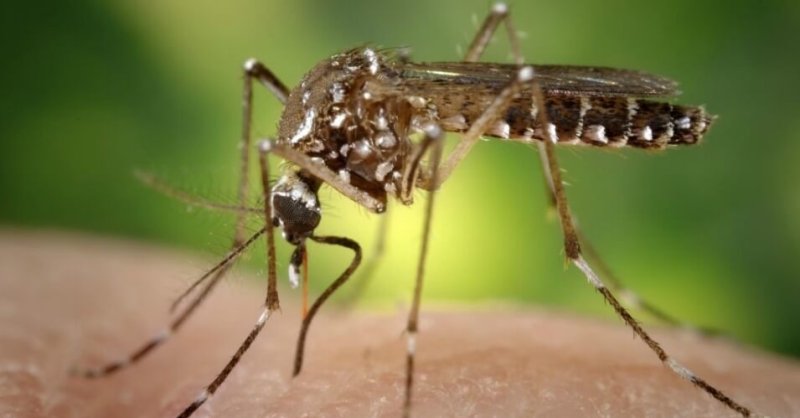
The World Health Organization (WHO) estimates there are 390 million dengue infections per year, with approximately half of the world’s population at risk.  The number of dengue cases reported to the WHO has increased more than 15-fold during the past two decades. Aedes aegypti  is an invasive species of mosquitoes that transmits diseases like malaria, Zika, dengue and yellow fever.

The mini-capsule technology works by using a proprietary system that Oxitec developed to hold the eggs of its non-biting, self-limiting Aedes aegypti males.  When placed in a small box of water, the capsule releases the males, which then disperse to mate with wild-type female Aedes aegypti in an area of up to two or more acres. Because the males contain a self-limiting gene, the offspring they produce do not live to maturity, thus naturally suppressing the population.

The Indaiatuba trial was conducted by placing the mini-capsule products in residential properties once per week, resulting in rapid suppression over an area of approximately 1,000 people. The trial demonstrated 100 percent effectiveness of the female larvae-killing feature while validating its full biosafety. Oxitec also commissioned independent research that found 94 percent of the 1,200 Indaiatuba residents surveyed supported the technology and its use in their neighborhoods.

“This trial was ground-breaking,” said Oxitec CEO Grey Frandsen in a press statement. “To start fighting back against the expansion of Aedes aegypti-transmitted diseases, we need an entirely new generation of economically accessible vector control tools that can empower a broader coalition to participate in the fight. As we’ve successfully demonstrated in this trial, our ‘Friendly’ mini-capsule approach is just that. This trial exceeded our performance targets and we’re now preparing for our next larger field trials.”

Earlier this month, the U.S. Environmental Protection Agency (EPA) granted Oxitec an Experimental Use Permit (EUP) for piloting this same technology in the United States.

The mini capsule is being developed to be the first insect-based Aedes aegypti technology that can be manufactured in centralized facilities around the world and then shipped, stored and deployed on demand anywhere, without the need for expert staff or special equipment or tools for handling.

It is intended to be a cost-effective, customizable approach to successfully controlling the disease-carrying mosquitoes in a range of environments “further unlocking the benefits of biological public health solutions for governments, communities and other end-users of all types and income levels,” according to the press statement.


{{ reviewsTotal }}{{ options.labels.singularReviewCountLabel }}
{{ reviewsTotal }}{{ options.labels.pluralReviewCountLabel }}
{{ options.labels.newReviewButton }}
{{ userData.canReview.message }}

Related Articles

Infographic: Global regulatory and health research agencies on whether glyphosate causes cancer

Infographic: Global regulatory and health research agencies on whether glyphosate causes cancer

Does glyphosate—the world's most heavily-used herbicide—pose serious harm to humans? Is it carcinogenic? Those issues are of both legal and ...

Most Popular

ChatGPT-Image-Apr-20-2026-11_17_18-AM-2
10,000 scientists gone: Trump’s cuts create an unprecedented brain drain
Screenshot-2026-04-22-at-4.10.32-PM
Viewpoint — ‘Completely unethical’: RFK, Jr.’s medical ignorance deprives melanoma cancer-sufferers of a life-saving therapy
ChatGPT-Image-Apr-22-2026-04_31_20-PM
‘Irresponsible decision’? On mandatory military flu shots, Hegseth chooses ‘freedom’ over health
ChatGPT-Image-Apr-20-2026-12_28_36-PM
Vaccine skepticism is a growing global problem
ChatGPT-Image-Apr-17-2026-03_30_52-PM
Food labels, decoded: What they really mean
Screenshot-2026-04-15-at-1.22.58-PM
Anti-biotechnology activists smear hybrid wheat breakthrough that could surge yields in poorer countries
images
The never-ending GMO debate: Pros and cons
ChatGPT-Image-Mar-2-2026-03_22_54-PM
Why ‘support supplements’ for GLP-1 users are mostly a waste of money
ChatGPT-Image-Mar-11-2026-11_58_46-AM
The Trump administration has run out more than 4,000 National Institutes of Health employees. Here are the consequences
Screenshot-2026-04-22-at-1.14.34-PM
Latest fevered, right-wing conspiracy: Fox, New York Post, and kooky GOP legislators push ‘Dead Scientists’ scare
Screenshot-2026-04-12-135256
Bixonimania: The fake disease scam that AI swallowed whole
glp menu logo outlined

Get news on human & agricultural genetics and biotechnology delivered to your inbox.