The discovery of antibodies that block the most infectious elements of the coronavirus is helping Bay Area scientists unlock the many mysteries of human immunity, and could be crucial in the development of a vaccine.
Epidemiologists have found “neutralizing antibodies” in fewer than 5% of COVID-19 patients, but the ones they are now attempting to isolate are unique in their ability to prevent SARS-CoV-2 — the specific coronavirus that causes the illness — from entering human cells.
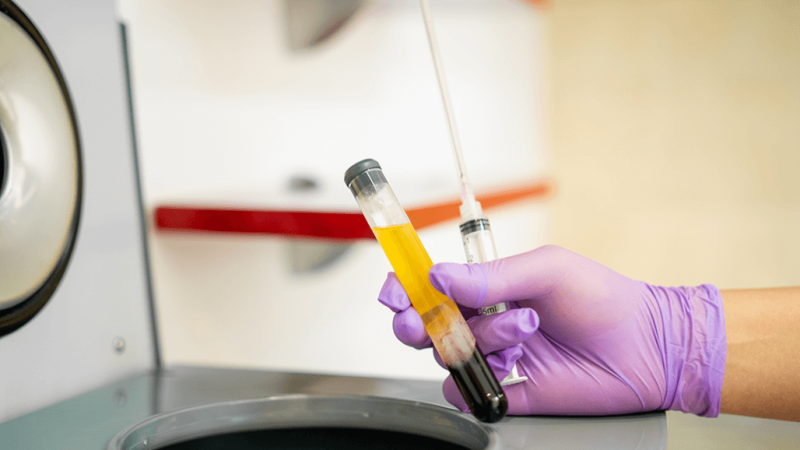
It means anyone with these antibodies would almost certainly be immune to the disease and that their blood plasma could potentially be used to inoculate others, according to several studies published over the past month by research laboratories in the United States and China.
Dr. George Rutherford, a UCSF infectious disease specialist, said neutralizing antibodies attack the virus’ crown-like spikes, which are the genesis of the name “corona,” preventing them from poking into and hijacking human cells.
This particular antibody prevents “the key from going into the lock,” Rutherford said, referring to the spike proteins, which must latch onto a human cell before the parasitic virus can replicate itself. “That’s what you want if you are going to have immunity.”

…
[N]eutralizing antibodies are generally found in low concentrations. So epidemiologists must figure out how to increase their numbers, create an effective serum and safely immunize people with it.