How widespread is the pandemic? Proposed global blood bank could provide missing answers

ss x
Credit: Science Source

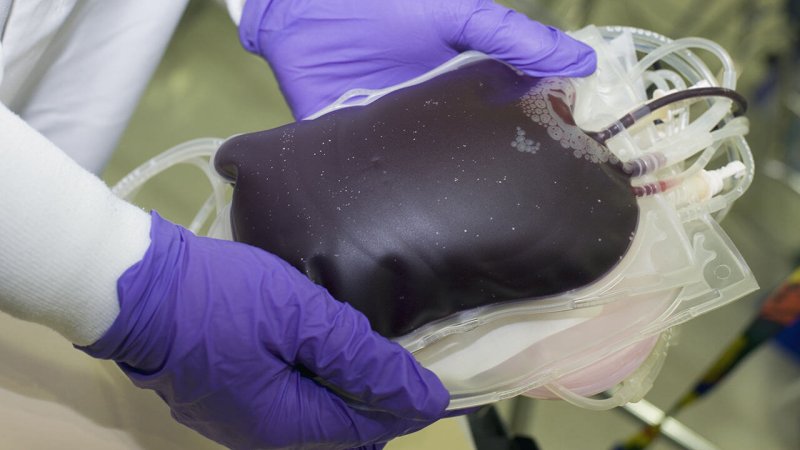
Michael Mina is out for blood—millions of samples, which a nascent effort dubbed the Global Immunological Observatory (GIO), would monitor for signs of pathogens spreading through the population. Instead of a telescope, it will rely on technology that can measure hundreds of thousands of distinct antibodies in a microliter of blood. If the GIO can overcome technical and logistical hurdles and find sustained funding, he says, it could provide a powerful tool for monitoring and responding to disease outbreaks.

For now, the idea is just a pilot project to track the spread of COVID-19. The stealthy spread of that disease through the population underscored the need for such a monitoring system, says Mina.

Mina wants to watch for outbreaks by looking for antibodies to infectious agents in regularly collected, anonymized blood samples from every possible source—blood banks, plasma collection centers, even the heel needle sticks of newborns, which are taken in most states from every baby in order to identify genetic diseases.

Mina and his co-authors envision initially testing about 10,000 samples per day and later, if they secure funding to build up the project, some 100,000 per day for the United States alone. Even the smaller number would detect—far faster than the current reporting system—an outbreak of Zika virus in rural Louisiana, for example, or an eruption of West Nile virus in Colorado.


Read the original post

{{ reviewsTotal }}{{ options.labels.singularReviewCountLabel }}
{{ reviewsTotal }}{{ options.labels.pluralReviewCountLabel }}
{{ options.labels.noReviewsLabel }}
{{ options.labels.newReviewButton }}
{{ userData.canReview.message }}

Related Articles

Infographic: Global regulatory and health research agencies on whether glyphosate causes cancer

Infographic: Global regulatory and health research agencies on whether glyphosate causes cancer

Does glyphosate—the world's most heavily-used herbicide—pose serious harm to humans? Is it carcinogenic? Those issues are of both legal and ...

Most Popular

ChatGPT-Image-Mar-10-2026-01_39_01-PM
Viewpoint—“Miracle molecule” debunked: Why acemannan supplements don’t work
Screenshot 2025-09-17 at 12.41
Misinformation alert: No, glyphosate use in Canadian forests is not spurring more wildfires
Screenshot 2026-07-11 094410
Growing animal muscle and fat cells inside rice grains and calling it beef: One of numerous genetically engineered products shaking up our ecosystem
ChatGPT-Image-Jun-25-2026-12_23_17-PM
No, Bill Gates did not secretly engineer ticks to promote veganism
Screenshot 2026-07-16 at 8.49
Pete Hegseth’s bizarre Viagra commercial as Trump administration endorses ‘hormone replacement therapy’
Screenshot-2026-07-16-at-11.32.12-AM
Viewpoint: Trump appoints climate change hoax promoter to head influential government policy project
file-f-d-d-
Facts & Fallacies Podcast: Europe's AC debacle underscores fatal flaw in green activism
ChatGPT-Image-Jul-1-2026-03_33_49-PM
‘Alternative’ cancer treatments that could kill you

Sorry. No data so far.

glp menu logo outlined

Get news on human & agricultural genetics and biotechnology delivered to your inbox.