Viewpoint: Human challenge trials – volunteers intentionally infected with COVID-19 – are ‘uninformative, unnecessary and unethical’

vaccine
Credit: David Greedy

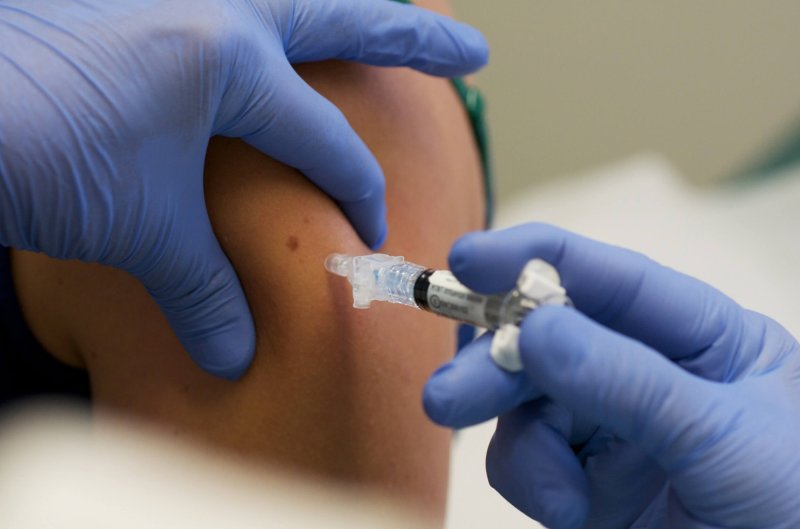
Deliberately infecting volunteers with SARS-CoV-2 to test the efficacy of vaccine candidates is unnecessary, uninformative, and unethical.

[O]ne prominent British researcher recently opined that there is only a 50% chance that enough people in the United Kingdom will be infected with the virus for the University of Oxford vaccine field trial (as currently designed) to yield a statistically significant result… On an average day, close to 100,000 newly confirmed cases are reported worldwide, and I cannot recall another disease for which such a number was insufficient for a field trial of a drug or vaccine. Surely, with more time and patience, a real test is possible.

Challenge studies are also uninformative. To the best of my knowledge, all current protocols for vaccine trials envisage enrolling only young, healthy adults. This is understandable from a recruitment perspective, but COVID-19 morbidity and mortality are highest among the elderly, who have a plethora of underlying chronic diseases.


If such trials are unnecessary, uninformative, and dangerous, then they are by definition unethical. I fear that in the rush to find a “medical miracle” to end the pandemic’s toll in human lives and livelihoods, we will jeopardize the centuries-old moral imperative to do no harm, possibly destroying trust in the integrity of science and medicine for generations to come.


Read the original post

{{ reviewsTotal }}{{ options.labels.singularReviewCountLabel }}
{{ reviewsTotal }}{{ options.labels.pluralReviewCountLabel }}
{{ options.labels.newReviewButton }}
{{ userData.canReview.message }}

Related Articles

Infographic: Global regulatory and health research agencies on whether glyphosate causes cancer

Infographic: Global regulatory and health research agencies on whether glyphosate causes cancer

Does glyphosate—the world's most heavily-used herbicide—pose serious harm to humans? Is it carcinogenic? Those issues are of both legal and ...

Most Popular

ChatGPT-Image-May-7-2026-12_32_36-PM
Viewpoint: The state of U.S. vaccine policy? Dismal nationally, but some states are stepping up.
Screenshot-2026-04-13-at-1.39.26-PM
Viewpoint: ‘Safer for children?’ Stonyfield yogurt under fire for deceptive organic marketing
Screenshot-2026-04-22-at-10.46.29-AM
Viewpoint: How to counter science disinformation? Science journalist offers 12 practical tips
ChatGPT-Image-May-7-2026-12_16_37-PM-2
Viewpoint: Are cancer rates ‘skyrocketing’ as RFK, Jr. and MAHA claim? The evidence says mostly the opposite
ChatGPT-Image-May-12-2026-08_39_41-PM
GLP podcast: Big Pharma, Big Ag, Big Food—health harming industries or life-saving innovators?
Screenshot-2026-04-23-at-11.00.36-AM
Regulators' dilemma: Thalidomide, Metformin, and the cost of getting drug approvals wrong
Picture1-1
Cooling the planet with balloons: Could a geoengineering gamble slow global warming?
Picture1-14
When superbugs threaten vulnerable children: Can AI help solve antibiotic resistance?
ChatGPT-Image-May-7-2026-01_23_27-PM-2
Viewpoint: Will AI democratize personalized cancer treatment or fuel medical misinformation?
the magic of mRNA
Viewpoint: Anti-vax fake ‘turbo cancer’ claims threaten cancer treatment breakthroughs
bigstock opioids on chalkboard with rol
GLP podcast: 'Safe injection sites': enabling drug addiction or saving lives?
Defense_Secretary_Ash_Carter_tours_the_Microsoft_Cybercrime_Center_in_Seattle_March_3_2016
How criminals are using AI to target social media users and steal their money and confidential data
glp menu logo outlined

Get news on human & agricultural genetics and biotechnology delivered to your inbox.