‘It’s not premature to plan’: Deciding who gets the coronavirus vaccine first

vaccine
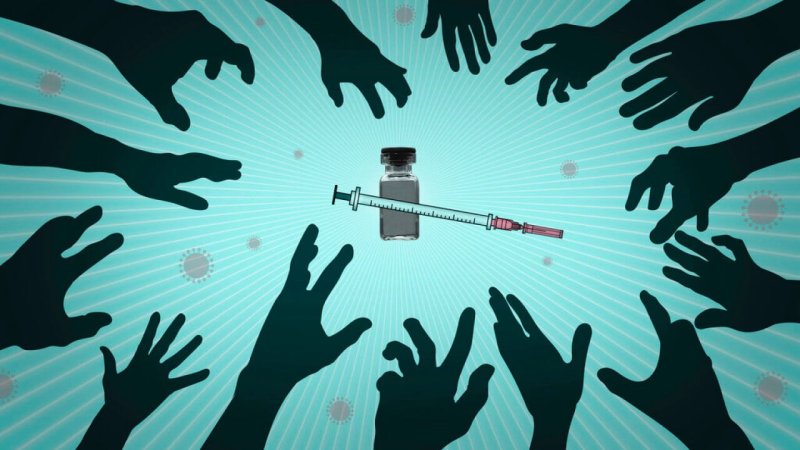
Illustration by Peter Hamlin.;

The new coronavirus’ disproportionate toll on the elderly could put them at the front of the line [for a vaccine] —except they often have the weakest response to vaccines. Conversely, groups such as prisoners, meat packers, soldiers, and grocery store workers are often young and healthy—yet their profession or environment dramatically increases risks of getting infected. And then there is the thorny question of whether to favor specific ethnic groups hard-hit by the virus.

Even if the optimists are right and a COVID-19 vaccine is approved for widespread use as early as this fall, it is likely to be in short supply at first… A subgroup of CDC’s Advisory Committee on Immunization Practices (ACIP) borrowed from a plan made for scarce pandemic influenza vaccines and developed a rough, five-tier scheme for the United States. The top tier includes 12 million people referred to as “critical health care and other workers.”

Follow the latest news and policy debates on sustainable agriculture, biomedicine, and other ‘disruptive’ innovations. Subscribe to our newsletter.

Tiers two and three would include 110 million people who also work in health care and other essential jobs, or are in these groups: 65 and older, living in long-term care facilities, or those with medical conditions known to increase the risk of developing severe COVID-19.

“If you waited until you had perfect data about this issue, you would never act,” [CDC’s Tom Frieden] says. “It’s not premature to plan for this.”


Read the original post

{{ reviewsTotal }}{{ options.labels.singularReviewCountLabel }}
{{ reviewsTotal }}{{ options.labels.pluralReviewCountLabel }}
{{ options.labels.newReviewButton }}
{{ userData.canReview.message }}

Related Articles

Infographic: Global regulatory and health research agencies on whether glyphosate causes cancer

Infographic: Global regulatory and health research agencies on whether glyphosate causes cancer

Does glyphosate—the world's most heavily-used herbicide—pose serious harm to humans? Is it carcinogenic? Those issues are of both legal and ...

Most Popular

ChatGPT-Image-Mar-10-2026-01_39_01-PM
Viewpoint—“Miracle molecule” debunked: Why acemannan supplements don’t work
ChatGPT-Image-Jun-25-2026-12_23_17-PM
No, Bill Gates did not secretly engineer ticks to promote veganism
ChatGPT-Image-Jul-7-2026-12_01_35-PM
Viewpoint: 21 worthless wellness trends inspired by RFK, Jr.’s ill-informed MAHA followers that can harm or even kill you.
Screenshot 2026-07-08 at 10.13
What happens when a pro-life congresswoman needs an abortion?
Screenshot-2026-07-06-at-12.30.23-PM
2,300 endangered species: Controversial de-extinction company Colossal Biosciences joins U.S. effort to preserve their DNA
ChatGPT-Image-Jul-1-2026-03_33_49-PM
‘Alternative’ cancer treatments that could kill you
Screenshot 2025-10-15 at 1.00
What you probably don’t know: For most fast-food fans, bioengineering isn’t a choice — it’s the norm

Sorry. No data so far.

glp menu logo outlined

Get news on human & agricultural genetics and biotechnology delivered to your inbox.