Coronavirus heart threat: 10-to-30 percent of those hospitalized end up with ‘molecular damage’

cardiacmystery
Credit: KHN/Getty Images

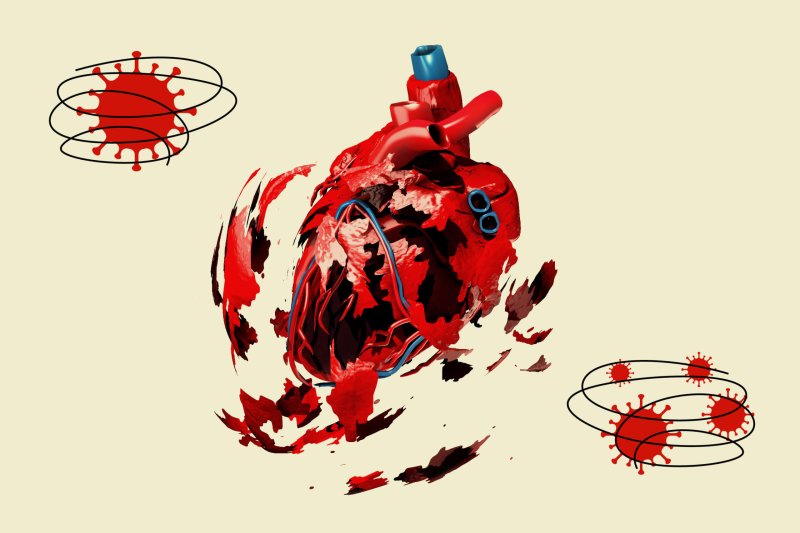
More than six months into the global pandemic, studies have shown that COVID-19 can not only exacerbate existing heart problems, but could also potentially cause new ones, causing experts to question whether the cardiac impacts of the virus may outlast the infection itself.

While not conclusive, case reports of long-term heart problems following COVID-19 infection are beginning to surface, including one from a New York City critical care physician who had mild symptoms of coronavirus but was later diagnosed with new heart disease.

“I started to feel like my heart was racing and I couldn’t run around like I always do and I had trouble catching my breath,” Dr. Janet Shapiro told NBC New York. It turned out she’d developed cardiomyopathy, a condition in which the heart struggles to pump blood to the rest of the body.

Follow the latest news and policy debates on sustainable agriculture, biomedicine, and other ‘disruptive’ innovations. Subscribe to our newsletter.

By peering into the cells of COVID-19 patients, scientist are finding, according to an article in the Journal of the American Medical Association, that approximately 10-30% of people hospitalized with the virus show molecular evidence of new cardiac injury.

Experts like [cardiologist Raul] Mitrani are speculating that long-term heart damage might manifest in unexpected ways, potentially through scar tissue accumulation in the heart, and are highlighting “post-COVID-19 cardiac syndrome” as an important area for future research.


Read the original post

{{ reviewsTotal }}{{ options.labels.singularReviewCountLabel }}
{{ reviewsTotal }}{{ options.labels.pluralReviewCountLabel }}
{{ options.labels.newReviewButton }}
{{ userData.canReview.message }}

Related Articles

Infographic: Global regulatory and health research agencies on whether glyphosate causes cancer

Infographic: Global regulatory and health research agencies on whether glyphosate causes cancer

Does glyphosate—the world's most heavily-used herbicide—pose serious harm to humans? Is it carcinogenic? Those issues are of both legal and ...

Most Popular

Screenshot-2026-04-14-at-11.11.06-AM
‘Turbo cancer’ or mRNA cancer cure? Strategies to counter misinformation
edb7f6d7-2370-418f-9578-74e29678e35c
Facts & Fallacies Podcast: Nicotine vaping—public health miracle, or risk to children? Professor Cliff Douglas
Screenshot-2026-05-27-at-10.51.25-AM
Viewpoint: ‘Monsanto’ blues—Planned Netflix movie promises yet another round of anti-glyphosate disinformation
Picture1
The Orange Bowl without oranges: Can CRISPR save Florida citrus?
Screenshot-2026-05-26-at-12.36.18-PM
MAGA’s latest ‘health obsession’? Nicotine patches promoted by ‘Zynfluencers’—including some in the Trump administration 
ChatGPT-Image-May-22-2026-10_26_09-AM
Gutting the National Science Board: How the Trump-RFK, Jr. crusade is erasing the separation of science and state
Screenshot 2026-05-26 at 11.16
Colossal Bio grows chicks in 3D-printed artificial eggs. Breakthrough or copycat technology?
Screenshot 2025-11-12 at 3.28
GLP podcast: Evolutionary biologist debunks the 'sex spectrum'
ChatGPT-Image-May-26-2026-11_51_01-AM
Viewpoint: RFK, Jr.’s ‘sadistic’ solution to autism, depression, and other ills looks a lot like prison camp
vax-misinformation-main
Facts & Fallacies Podcast: Limit free speech to blunt social media misinfo?
ChatGPT-Image-Mar-10-2026-01_39_01-PM
Viewpoint—“Miracle molecule” debunked: Why acemannan supplements don’t work
Screenshot 2026-05-22 at 3.28
Vagus nerve wellness grift: How to build a billion dollar business. Are you listening, Kelly Ripa?
Screenshot-2026-05-26-at-9.48.42-AM
Seed oil panic: RFK Jr. and influencers made linoleic acid a dietary villain and heart risk. Evidence points the other way — replacing them with animal fat is.
glp menu logo outlined

Get news on human & agricultural genetics and biotechnology delivered to your inbox.