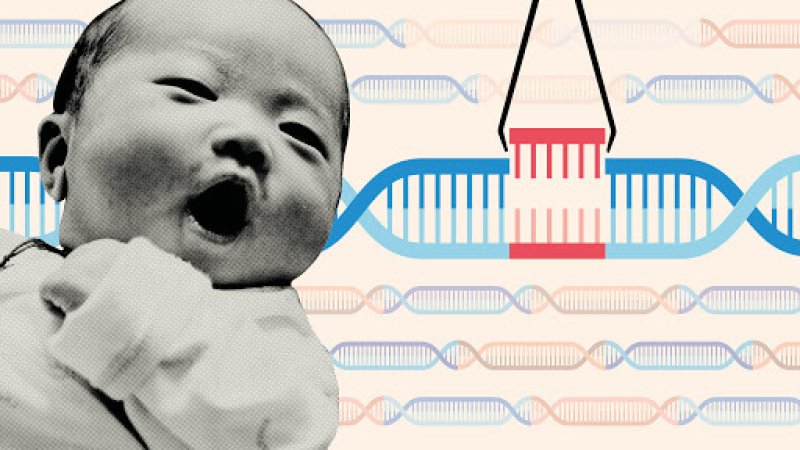
Viewpoint: Public confused and divided about genetically engineering diseases out of babies

unnamed
Credit: Financial Times

Hereโ€™s aย provocative headline and subheadย fromย OneZero, a publication byย Medium, above an article by Emily Mullin published on August 17:

Men Are Twice as Likely to Support Genetically Engineered Babies Than Women

The public may be ready for gene-edited babies.

This is clearly an attention-grabber. Itโ€™s based on a terrible paper about public attitudes about heritable genome editing (also called human germline editing) by four University of Melbourne academics led by Christopher Gyngell.

โ€ฆ

Mullinโ€™s article is much more careful than the headline (which was almost certainly written by someone else) and does a good job representing what the peer-reviewed article says. A better summary of the data, however, might be:

A survey by advocates of human germline gene editing finds some support for medical (but not enhancement) applications โ€” except among women, the religious, and anyone with professional or personal knowledge of genetics or genomics. Parents and people with college degrees are more skeptical than those without children or degrees.

Follow the latest news and policy debates on sustainable agriculture, biomedicine, and other ‘disruptive’ innovations. Subscribe to our newsletter.

This paper is a classic case of spinning results you donโ€™t want. Gyngell has been an advocate of germline gene editing (GGE) for years. In 2015, when he was billed as โ€œa bioethicist from the University of Oxfordโ€ (at theย Centreย run by Julian Savulescu) he wrote a piece forย The Guardianย titled:

The case for genetically engineered babies

Itโ€™s obvious what results he hoped to find.

Read the original post

{{ reviewsTotal }}{{ options.labels.singularReviewCountLabel }}
{{ reviewsTotal }}{{ options.labels.pluralReviewCountLabel }}
{{ options.labels.newReviewButton }}
{{ userData.canReview.message }}

Related Articles

Infographic: Global regulatory and health research agencies on whether glyphosate causes cancer

Infographic: Global regulatory and health research agencies on whether glyphosate causes cancer

Does glyphosateโ€”the world's most heavily-used herbicideโ€”pose serious harm to humans? Is it carcinogenic? Those issues are of both legal and ...

Most Popular

Screenshot-2026-04-22-at-12.21.32-PM
Viewpoint: Why the retracted Monsanto glyphosate study doesnโ€™t change the scienceโ€”the worldโ€™s most popular herbicide is safeย 
Picture1
The FDA couldnโ€™t find a vaccine safety crisis, so it buried its own research
ChatGPT-Image-May-1-2026-11_42_59-AM-2
Viewpoint: NAD is the wellness grifters latest evidence-lite longevity fad. At least the mice are impressed.
ChatGPT-Image-Apr-16-2026-02_56_53-PM
Financial incentives, over diagnosis, and weak oversight: Autism claims are driving up Medicare costs
ChatGPT-Image-May-12-2026-11_27_01-AM-2
AI likely to improve health care, research showsโ€”but not for blacks and ethnic minorities
ChatGPT-Image-May-7-2026-01_23_27-PM-2
Viewpoint: Will AI democratize personalized cancer treatment or fuel medical misinformation?
global warming
โ€˜Implausibleโ€™: Top climate scientists reject worst-case scenarioโ€”soaring temperatures and fast-rising sea levels

Sorry. No data so far.

glp menu logo outlined

Get news on human & agricultural genetics and biotechnology delivered to your inbox.