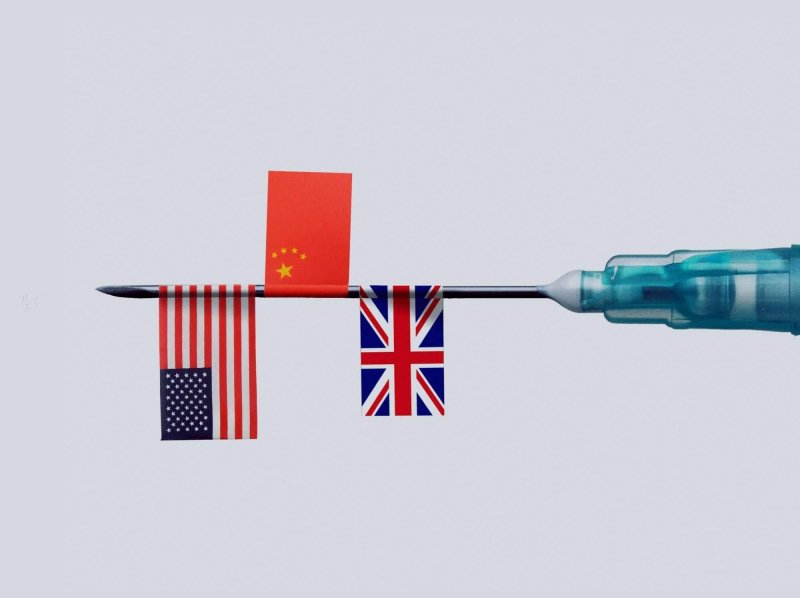
Which countries are most and least open to embracing a safe and effective COVID vaccine?

Credit: Nicolás Ortega
[A] study, which polled the opinions of over 13,000 people from Europe, Africa, Asia and the Americas and was published [October 20] in the journal Nature Medicine, revealed that 14 per cent said they would refuse [a COVID vaccine], while another 14 per cent were undecided.

According to the researchers, this means vaccine coverage rates would fall short of the 80 per cent required to protect society against COVID-19.

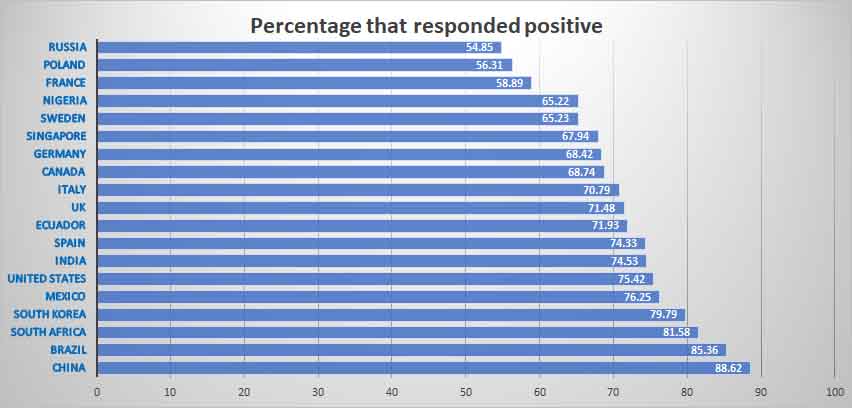
According to the research, China had highest acceptance rate of almost 90 per cent, a result that may reflect the tendency of Asian nations to show strong trust in central governments, the authors say.

Middle-income countries, such as Brazil, South Africa, and South Korea also showed around or above 80 per cent acceptance rates.

However, despite the fact the pandemic reached its peak in Europe in June, the European countries polled all had acceptance rates below the 80 per cent threshold.

Follow the latest news and policy debates on sustainable agriculture, biomedicine, and other ‘disruptive’ innovations. Subscribe to our newsletter.

The study found that those who had higher levels of confidence in information from government sources were more likely to accept a vaccine.

“We need to build trust in the governments, but in turn, governments should make efforts to provide a transparent policy, based on solid data, and clear and precise communication,” says [lead author Jeffrey] Lazarus.

graph d
Percentage of respondents who said they would take a COVID-19 vaccine if it was proven safe and effective, by country polled. Credit: Nature

Read the original post

{{ reviewsTotal }}{{ options.labels.singularReviewCountLabel }}
{{ reviewsTotal }}{{ options.labels.pluralReviewCountLabel }}
{{ options.labels.newReviewButton }}
{{ userData.canReview.message }}

Related Articles

Infographic: Global regulatory and health research agencies on whether glyphosate causes cancer

Infographic: Global regulatory and health research agencies on whether glyphosate causes cancer

Does glyphosate—the world's most heavily-used herbicide—pose serious harm to humans? Is it carcinogenic? Those issues are of both legal and ...

Most Popular

ChatGPT Image May 10, 2026, 08_16_59 PM 2
Overmedicalization? RFK Jr.’s antidepressant crackdown raises conflict questions over his fee stake in Wisner Baum, the tort firm built on suing drug makers
S
As vaccine rejectionism spreads, measles may be taking a more dangerous turn
Screenshot-2026-05-01-at-1.29.41-PM
Viewpoint: What happens when whole grains meet modern food manufacturing? Labels don’t tell the whole story.
ChatGPT-Image-Apr-13-2026-02_20_22-PM
Viewpoint: Misinformation infodemic? Why assessing evidence is so challenging 
Picture1-5
Science Disinformation Gap: The transatlantic battle over social media and censorship
Screenshot-2026-04-20-at-2.26.27-PM
Viewpoint — Food-fear world: The latest activist scientists campaign: Cancer-causing additives
Screenshot-2026-03-13-at-12.14.04-PM
The FDA wants to make many popular prescription drugs OTC—a great idea. Here’s why it’s unlikely to happen
bigstock opioids on chalkboard with rol
GLP podcast: 'Safe injection sites': enabling drug addiction or saving lives?
ChatGPT-Image-Mar-27-2026-11_47_30-AM-2
FDA’s expedited drug reviews are hailed in some quarters but other approval practices are problematic
circular-bioeconomy-should-focus-on-sustainable-wellbeing
GLP podcast: What's wrong with 'doomsday' environmentalism? It's false.
Screenshot-2026-05-08-at-3.40.33-PM
Seeds of power: China turns to genetic engineering to become global superpower
Picture1-14
When superbugs threaten vulnerable children: Can AI help solve antibiotic resistance?
glp menu logo outlined

Get news on human & agricultural genetics and biotechnology delivered to your inbox.