Viewpoint: Organic farmers should be allowed to grow GM crops

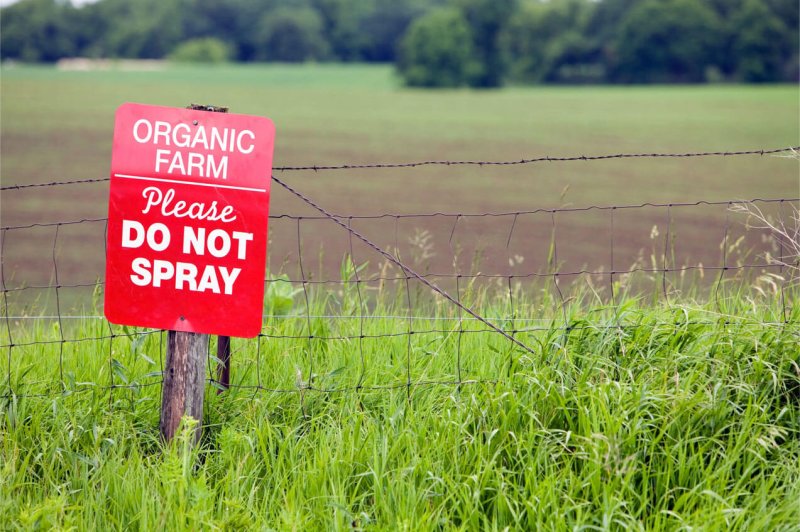
Organic Do Not Spray
Credit: The Organic and Non-GMO Report

Consumers are misinformed about the reality of the existing organic system. Current organic practices are no more “natural” than GM practices. Organic seeds have been highly selected through breeding practices. For example, the organic corn of the 21st century is nothing like the “natural” corn that it was derived from centuries ago. Rigorous and intensive selective breeding and large-scale organic practices mimic and often exceed conventional agriculture in size and resource intensity. 

Follow the latest news and policy debates on sustainable agriculture, biomedicine, and other ‘disruptive’ innovations. Subscribe to our newsletter.

The current policy that GMOs cannot be included in organic food production is outdated. Substantial research since the adoption of the GMO restriction in organic foods has clearly demonstrated safety. Policy change, and if necessary, legislation that allows GMOs to be used in organic farming, and the exclusion of recombinant DNA technology from the definition of “excluded methods” that is presently part of the US CFR are needed. 

To sustain best practices, food safety should continue to be evaluated on a case-by-case basis, the production of GM seeds should follow the same standards for organic production, and GM products should undergo the same certification methods as traditional organic crops. Genetically modified organisms may provide a sustainable solution to traditional farming by increasing crop yields and decreasing the amount of pesticides and herbicides used. Therefore, GMOs should be allowed to fall within the definition of organic.


Read the original post

{{ reviewsTotal }}{{ options.labels.singularReviewCountLabel }}
{{ reviewsTotal }}{{ options.labels.pluralReviewCountLabel }}
{{ options.labels.newReviewButton }}
{{ userData.canReview.message }}

Related Articles

Infographic: Global regulatory and health research agencies on whether glyphosate causes cancer

Infographic: Global regulatory and health research agencies on whether glyphosate causes cancer

Does glyphosate—the world's most heavily-used herbicide—pose serious harm to humans? Is it carcinogenic? Those issues are of both legal and ...

Most Popular

Screenshot-PM-24
Viewpoint: The herbicide glyphosate isn’t perfect. Banning it would be far worse.
79d03212-2508-45d0-b427-8e9743ff6432
Viewpoint: The Casey Means hustle—Wellness woo opportunism dressed up as medical wisdom
d-b
Blocked arteries, kidney stones, nausea, constipation, fatigue: Long list of health problems caused by too much vitamin D 
ChatGPT-Image-Mar-10-2026-01_39_01-PM
Viewpoint—“Miracle molecule” debunked: Why acemannan supplements don’t work
ChatGPT-Image-Apr-30-2026-05_00_48-PM
Wellness grifter physician turned wellness influencer out as surgeon general nominee
Screenshot-2026-04-30-at-11.33.46-AM
Anti-seed-oil to anti-vax pipeline: MAHA movement spreads to teen influencers
lab grown meat research kelly schultz lehighuniversity main
Profiles of the 10 top global cultured meat companies
ChatGPT-Image-Mar-27-2026-11_27_05-AM
The myths of “process”: What science says about the “dangers’ of synthetic products and ultra-processed foods
Screenshot-2026-04-28-at-1.21.37-PM
How America’s medical system encourages psychiatric overdiagnosis
ChatGPT-Image-Apr-30-2026-12_21_05-PM-2
The tech billionaires behind the immortality movement

Sorry. No data so far.

glp menu logo outlined

Get news on human & agricultural genetics and biotechnology delivered to your inbox.