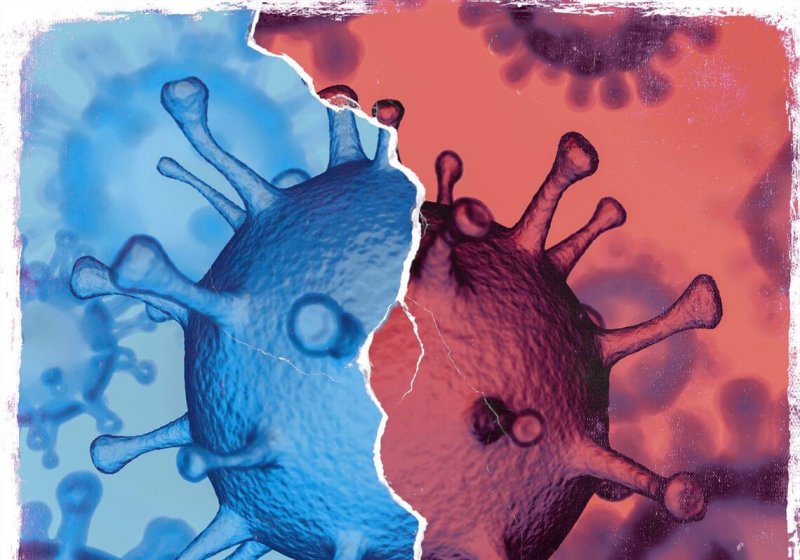
How cultural tribalism is feeding the anti-vaccination and COVID conspiracy movement

Credit: Maura Losch/Post-Gazette

The Covid-19 pandemic has resulted in an intensification of… personal identity as a way to push conspiracy theories, unproven treatments and ideological agendas.

Anti-maskers say, for example, that face coverings infringe their constitutional rights. And if you are the kind of person who is for constitutional rights (and who isn’t?), then you should be against masks — or so the argument goes. Likewise, lockdowns and physical distancing are framed as attacks on basic democratic freedoms. 

Follow the latest news and policy debates on sustainable agriculture, biomedicine, and other ‘disruptive’ innovations. Subscribe to our newsletter.

If [a] YouTuber speaks to and confirms a pre-existing worldview that is core to who you are, that message has a good chance of winning out over science-informed information from an expert.


When a belief becomes linked to personal identity, it can become very resistant to change. Indeed, once a person feels part of a community or a movement, the adherence to a science-free position may begin to feel not fringe-y, but “brave and righteous” — as a recent study of the Australian anti-vaccine movement found.

What can be done? One thing to consider is speed. Studies have shown that the best debunks of misinformation are targeted and happen quickly. A study published in Nature Human Behaviour concluded that a prompt communication response to Covid-19 misinformation can “make a major difference in determining the social outcome” of the misinformation.


Read the original post

{{ reviewsTotal }}{{ options.labels.singularReviewCountLabel }}
{{ reviewsTotal }}{{ options.labels.pluralReviewCountLabel }}
{{ options.labels.newReviewButton }}
{{ userData.canReview.message }}

Related Articles

Infographic: Global regulatory and health research agencies on whether glyphosate causes cancer

Infographic: Global regulatory and health research agencies on whether glyphosate causes cancer

Does glyphosate—the world's most heavily-used herbicide—pose serious harm to humans? Is it carcinogenic? Those issues are of both legal and ...

Most Popular

Screenshot-2026-04-13-at-1.39.26-PM
Viewpoint: ‘Safer for children?’ Stonyfield yogurt under fire for deceptive organic marketing
Screenshot-2026-04-22-at-10.46.29-AM
Viewpoint: How to counter science disinformation? Science journalist offers 12 practical tips
ChatGPT-Image-May-7-2026-12_16_37-PM-2
Viewpoint: Are cancer rates ‘skyrocketing’ as RFK, Jr. and MAHA claim? The evidence says mostly the opposite
Picture1-14
When superbugs threaten vulnerable children: Can AI help solve antibiotic resistance?
ChatGPT-Image-May-12-2026-08_39_41-PM
GLP podcast: Big Pharma, Big Ag, Big Food—health harming industries or life-saving innovators?
Screenshot-2026-04-23-at-11.00.36-AM
Regulators' dilemma: Thalidomide, Metformin, and the cost of getting drug approvals wrong
Picture1-1
Cooling the planet with balloons: Could a geoengineering gamble slow global warming?
png-pill-omega-Supp-fish-oil
Millions take omega-3 fish oil for brain health. New research suggests it may do the opposite.
glp menu logo outlined

Get news on human & agricultural genetics and biotechnology delivered to your inbox.