Rapid PCR tests typically use nasal swab samples and are performed in laboratory settings by highly trained individuals using sophisticated equipment. [A] saliva-based COVID-19 test, which doesn’t require lab processing, could rapidly expand testing capacity in outpatient clinics, community testing sites and other locations.
The assay developed by researchers at Tulane detects SARS-CoV-2 virus RNA in saliva to diagnose COVID-19 and is more sensitive than PCR-based tests, the current gold standard for COVID-19 diagnosis.
…
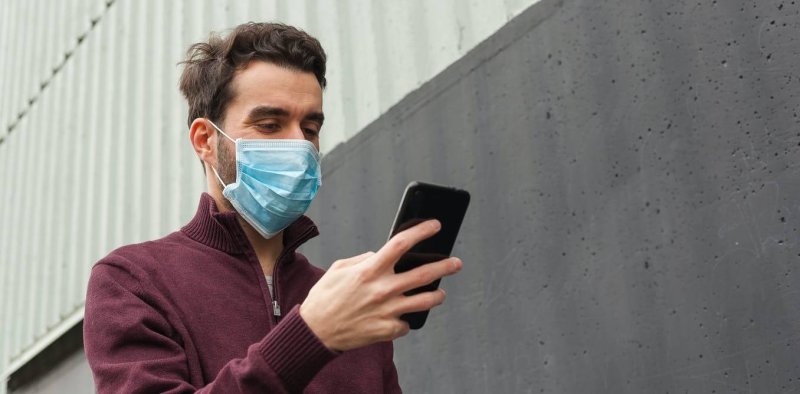
This assay platform developed by [researcher Tony] Hu and his associates can detect very small amounts of SARS-CoV-2 virus RNA in saliva by leveraging CRISPR, the revolutionary gene editing technology, to amplify assay signal… Saliva is mixed with an assay solution on an assay chip and heated to amplify a small region of viral RNA. A modified CRISPR complex that contains a “guide” RNA specific for this virus RNA region rapidly binds and cuts both this amplified RNA region and a tagged DNA probe to produce a fluorescent signal that is read by the smartphone device.

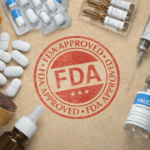
“The sensitivity and simplicity of this test, its straightforward sample collection procedure, and the inexpensive nature of the readout device should permit the rapid translation of this approach to COVID-19 testing efforts once we obtain FDA approval,” Hu said.