Growing food in space may offer sustainability benefits beyond genetically engineering plants on Earth

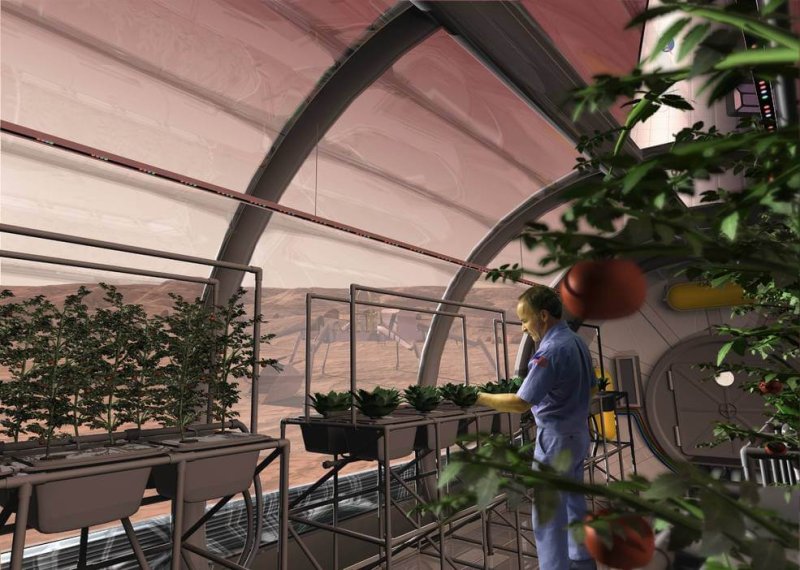
potatoes in space greenhouse

Sending fancy French grapes into orbit might sound like an expensive PR stunt. There is, after all, a long history of shooting foods into space for no good reason …. But these grapevines are no gimmick, insist Space Cargo Unlimited, the French startup behind the experiment. By sending the vines to grow in the harsh conditions of the ISS for the last ten months (along with 12 bottles of Bordeaux red wine) the company hopes to create plants hardy enough to survive the ever harsher conditions here on Earth. 

The idea is that exposing the vines (and later on, other types of crop) to microgravity plus high levels of radiation on the ISS will trigger the organisms to evolve and develop more resilient traits.

Follow the latest news and policy debates on sustainable agriculture, biomedicine, and other ‘disruptive’ innovations. Subscribe to our newsletter.

If all this research is successful, it could also have some clear advantages over other current methods for tweaking plant genetics, such as genetic modification – adding in brand new genes from one species to another, or gene-editing – making changes to existing genes. In Europe, both approaches are currently restricted, with zero approved gene-edited crops on the EU market, and little signs of this changing despite vehement criticism from some elements of the scientific community.


Read the original post

{{ reviewsTotal }}{{ options.labels.singularReviewCountLabel }}
{{ reviewsTotal }}{{ options.labels.pluralReviewCountLabel }}
{{ options.labels.newReviewButton }}
{{ userData.canReview.message }}

Related Articles

Infographic: Global regulatory and health research agencies on whether glyphosate causes cancer

Infographic: Global regulatory and health research agencies on whether glyphosate causes cancer

Does glyphosate—the world's most heavily-used herbicide—pose serious harm to humans? Is it carcinogenic? Those issues are of both legal and ...

Most Popular

Screenshot-2026-04-22-at-12.21.32-PM
Viewpoint: Why the retracted Monsanto glyphosate study doesn’t change the science—the world’s most popular herbicide is safe 
ChatGPT-Image-Apr-16-2026-02_56_53-PM
Financial incentives, over diagnosis, and weak oversight: Autism claims are driving up Medicare costs
Picture1
The FDA couldn’t find a vaccine safety crisis, so it buried its own research
ChatGPT-Image-May-1-2026-11_42_59-AM-2
Viewpoint: NAD is the wellness grifters latest evidence-lite longevity fad. At least the mice are impressed.
Screenshot-2026-05-21-at-12.15.17-PM
UK gene-editing milestone: Livestock barley that increases ruminant value and reduces methane emissions is first-approved CRISPR crop
global warming
‘Implausible’: Top climate scientists reject worst-case scenario—soaring temperatures and fast-rising sea levels
Screenshot-2026-05-21-at-3.15.53-PM
Chiropractors may no longer be modern-day snake oil salesmen, but the benefits of their therapy are limited–at best

Sorry. No data so far.

glp menu logo outlined

Get news on human & agricultural genetics and biotechnology delivered to your inbox.