GMO-skeptical Sierra Club gives cautious endorsement to disease-resistant, biotech chestnut tree

American chestnut allen breed ap

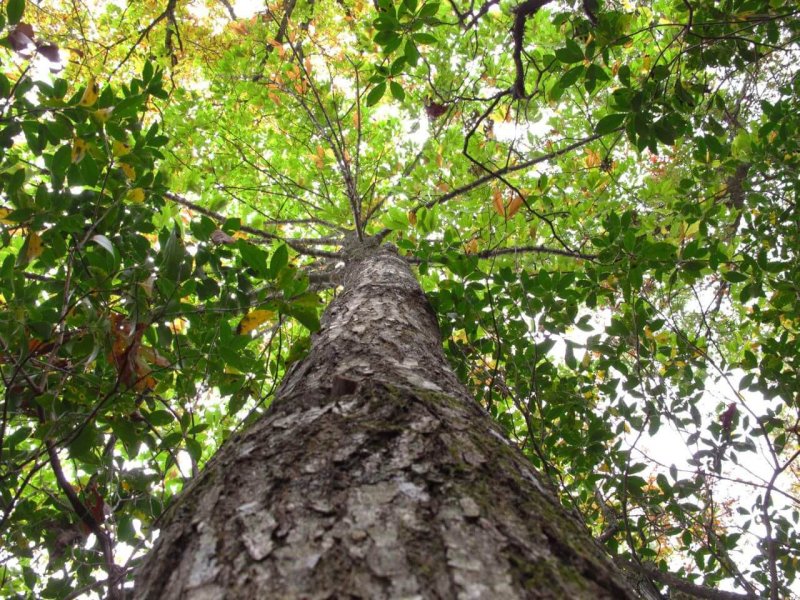
By almost any metric, the American chestnut was a perfect tree. Massive, fast-growing, and rot-resistant, it was easy to mill into cabin logs, furniture, fence posts, and railroad ties. 

But the dominance wouldn’t last. In 1904, a forester noticed something odd happening to the chestnuts at the Bronx Zoo in New York. The trees were developing cankers surrounded by strange spotty, orange-yellow patches, [a fungus known as Cryphonectria parasitica.]

The first petri dish chestnuts were grown in 1995, and progress was steady, if slow. One particular iteration, called the Darling line (after Herb Darling, a conservationist who had supported [researcher William] Powell’s work from its earliest days), was especially promising. On July 12, 2012, a colleague of Powell’s, Linda McGuigan, inserted the OxO gene into Darling 58—and the resulting tree just might be the one that could save the species.

Genetically speaking, Darling 58 is an entirely American chestnut with one extra gene that gives it a bonus characteristic: resistance to Cryphonectria parasitica.

Follow the latest news and policy debates on sustainable agriculture, biomedicine, and other ‘disruptive’ innovations. Subscribe to our newsletter.

For its part, the Sierra Club has counseled caution, but it sees Darling 58 as a low environmental risk, since it would be closely monitored. In a comment on the USDA application, the Club noted that while it still “carries some uncertainties,” genetic engineering could, with proper precautions, produce an organism that “provides an environmental benefit.”


Read the original post

{{ reviewsTotal }}{{ options.labels.singularReviewCountLabel }}
{{ reviewsTotal }}{{ options.labels.pluralReviewCountLabel }}
{{ options.labels.newReviewButton }}
{{ userData.canReview.message }}

Related Articles

Infographic: Global regulatory and health research agencies on whether glyphosate causes cancer

Infographic: Global regulatory and health research agencies on whether glyphosate causes cancer

Does glyphosate—the world's most heavily-used herbicide—pose serious harm to humans? Is it carcinogenic? Those issues are of both legal and ...

Most Popular

Screenshot-PM-24
Viewpoint: The herbicide glyphosate isn’t perfect. Banning it would be far worse.
d-b
Blocked arteries, kidney stones, nausea, constipation, fatigue: Long list of health problems caused by too much vitamin D 
79d03212-2508-45d0-b427-8e9743ff6432
Viewpoint: The Casey Means hustle—Wellness woo opportunism dressed up as medical wisdom
ChatGPT-Image-Mar-10-2026-01_39_01-PM
Viewpoint—“Miracle molecule” debunked: Why acemannan supplements don’t work
ChatGPT-Image-Apr-30-2026-12_21_05-PM-2
The tech billionaires behind the immortality movement
ChatGPT-Image-Mar-27-2026-11_27_05-AM
The myths of “process”: What science says about the “dangers’ of synthetic products and ultra-processed foods
ChatGPT-Image-Apr-30-2026-05_00_48-PM
Wellness grifter physician turned wellness influencer out as surgeon general nominee

Sorry. No data so far.

glp menu logo outlined

Get news on human & agricultural genetics and biotechnology delivered to your inbox.