China’s ‘five-year plan’ for farming productivity emphasizes importance of biotech crops

eca bd e f c c e

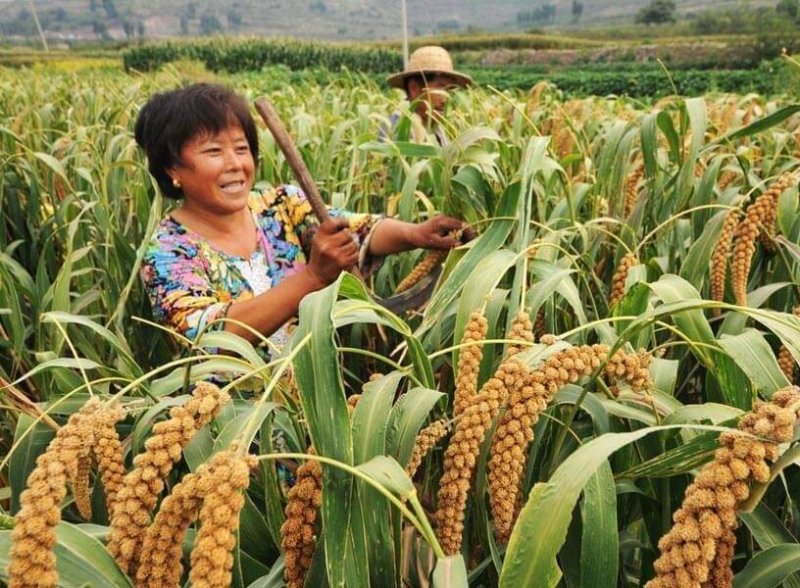
[China’s 13th] Five-Year Plan, which ended in 2020, was focused on eradicating extreme poverty in the country. With the new Plan, the priority has shifted from rural work to modernization of the rural economy, particularly in building infrastructure for information technology, promoting agricultural technologies, and building modern breeding systems. Their focus on food security has been strengthened as well.

Follow the latest news and policy debates on sustainable agriculture, biomedicine, and other ‘disruptive’ innovations. Subscribe to our newsletter.

The 2021-2025 plan, which is stated in the “No. 1 central document”, highlights the following tasks and targets to modernize agriculture:

  • ensure the supply of grain and major agricultural products, including maintaining the planting area of grains, enhancing yield per unit area, speeding up the development of the modern breeding system, fostering sustainable aquaculture, and maximizing agricultural products trade;
  • fortify the protection, development, and utilization of agricultural germplasm resource and speed up the application of S&T projects involving biological breeding for agriculture;
  • maintain at least 120 million hectares of arable land with high-standard farmlands producing high and stable yields regardless of drought and flood; and
  • reinforce the support for modern agriculture by science, technology, and equipment, create agricultural modernization demonstration zones with a target of 500 by 2025, and advance the green development of agriculture.


Read the original post

{{ reviewsTotal }}{{ options.labels.singularReviewCountLabel }}
{{ reviewsTotal }}{{ options.labels.pluralReviewCountLabel }}
{{ options.labels.newReviewButton }}
{{ userData.canReview.message }}

Related Articles

Infographic: Global regulatory and health research agencies on whether glyphosate causes cancer

Infographic: Global regulatory and health research agencies on whether glyphosate causes cancer

Does glyphosate—the world's most heavily-used herbicide—pose serious harm to humans? Is it carcinogenic? Those issues are of both legal and ...

Most Popular

ChatGPT Image May 26, 2026, 08_42_17 AM (1)
Viewpoint: Greenpeace and poison: How environmental advocacy groups rely on compliant (and often ignorant) journalists to spread disinformation and spark litigation
Screenshot 2025-07-30 at 10.48
Can gene editing eliminate Down syndrome? Scientists have done it in lab-grown cells
Screenshot-2026-05-28-at-1.36.28-PM
Viewpoint: Can mRNA research survive the Trump administration?
Screenshot 2025-11-18 at 3.45
Viewpoint—GMOs and sustainability: Why buying organic foods is the least environmentally-sensitive food choice—without offering any health benefits
Screenshot-2026-06-02-at-11.59.11-AM
Magnifica Humanitas: Pope’s encyclical broadside against AI naivete and overreach
ChatGPT-Image-May-26-2026-07_51_21-AM-2
Viewpoint: There are more than 1,000 chemicals in a cup of coffee—including many substances that can cause cancer. Why isn’t it banned?
ChatGPT-Image-Jun-2-2026-11_39_58-AM
Viewpoint: Who is RFK, Jr.’s newly-appointed CDC senior counselor, Sara Brenner — Vaccine skeptic and self-proclaimed “MAHA mom”
Picture1
Sounds we can’t hear — the hidden planetary signals behind science, fear, and misinformation
ChatGPT Image May 28, 2026, 08_16_38 PM
Viewpoint: Why the EPA mismeasures cancer risk of chemicals and what should be done to fix it
Screenshot-2026-04-14-at-11.11.06-AM
‘Turbo cancer’ or mRNA cancer cure? Strategies to counter misinformation
glp menu logo outlined

Get news on human & agricultural genetics and biotechnology delivered to your inbox.