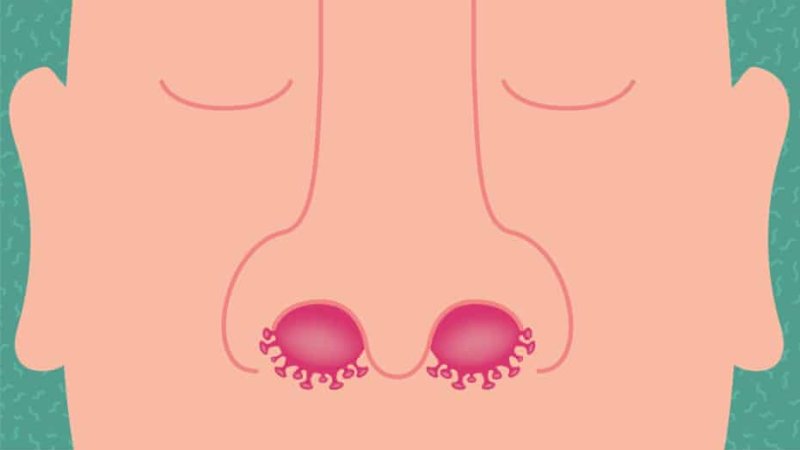
COVID can ravage our sense of smell. It’s also sparking research on the sense we often take for granted

Credit: James Melaugh

Smell is a startling superpower. You can walk through someone’s front door and instantly know that she recently made popcorn. Drive down the street and somehow sense that the neighbors are barbecuing. Intuit, just as a side effect of breathing a bit of air, that this sweater has been worn but that one hasn’t, that it’s going to start raining soon, that the grass was trimmed a few hours back. If you weren’t used to it, it would seem like witchcraft.

But of course you are used to it. You may even take it for granted.

Covid, [researcher Noam Sobel] hypothesized, could kick off a sort of global reckoning, forcing our conscious minds to recognize what our brains have known all along. “People are unaware smell is important until they lose it,” he said. “And then they’re terrified.”

Follow the latest news and policy debates on sustainable agriculture, biomedicine, and other ‘disruptive’ innovations. Subscribe to our newsletter.

[Researcher Claire] Hopkins… expects more attention to the study of smell training and other as-yet-unknown treatments for people who have lost their sense of smell. It’s a problem that she thinks will be taken much more seriously in a post-Covid world in which many people, possibly millions of them, never fully recover their olfaction.

If smell was ignored before, off in the hinterlands, you could say that Covid put it on the map. 

Read the original post

{{ reviewsTotal }}{{ options.labels.singularReviewCountLabel }}
{{ reviewsTotal }}{{ options.labels.pluralReviewCountLabel }}
{{ options.labels.newReviewButton }}
{{ userData.canReview.message }}

Related Articles

Infographic: Global regulatory and health research agencies on whether glyphosate causes cancer

Infographic: Global regulatory and health research agencies on whether glyphosate causes cancer

Does glyphosate—the world's most heavily-used herbicide—pose serious harm to humans? Is it carcinogenic? Those issues are of both legal and ...

Most Popular

Screenshot-2026-04-13-at-1.39.26-PM
Viewpoint: ‘Safer for children?’ Stonyfield yogurt under fire for deceptive organic marketing
ChatGPT-Image-May-7-2026-12_16_37-PM-2
Viewpoint: Are cancer rates ‘skyrocketing’ as RFK, Jr. and MAHA claim? The evidence says mostly the opposite
Screenshot-2026-04-22-at-10.46.29-AM
Viewpoint: How to counter science disinformation? Science journalist offers 12 practical tips
Picture1-14
When superbugs threaten vulnerable children: Can AI help solve antibiotic resistance?
Screenshot-2026-04-23-at-11.00.36-AM
Regulators' dilemma: Thalidomide, Metformin, and the cost of getting drug approvals wrong
Picture1-1
Cooling the planet with balloons: Could a geoengineering gamble slow global warming?
ChatGPT-Image-May-12-2026-08_39_41-PM
GLP podcast: Big Pharma, Big Ag, Big Food—health harming industries or life-saving innovators?
png-pill-omega-Supp-fish-oil
Millions take omega-3 fish oil for brain health. New research suggests it may do the opposite.

Sorry. No data so far.

glp menu logo outlined

Get news on human & agricultural genetics and biotechnology delivered to your inbox.