Fighting gut inflammation? Limiting alcohol, sugar, processed foods and animal-based proteins could be key

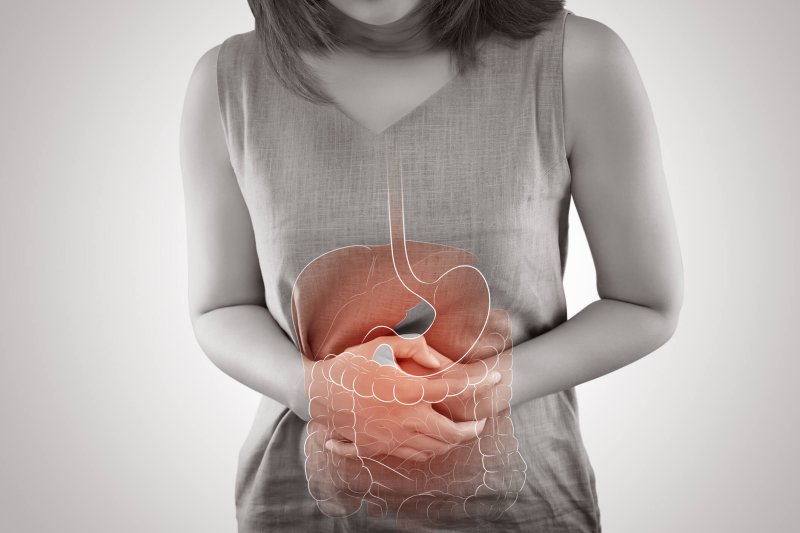
Credit: Tharakorn/iStock

Reporting their findings in the journal Gut, [a team of researchers at the University of Groningen and University Medical Centre Groningen] concluded that implementing dietary changes could feasibly help to prevent gut inflammatory processes involved in some chronic diseases.

โ€œModulation of gut microbiota through diets enriched in vegetables, legumes, grains, nuts and fish and a higher intake of plant over animal foods, has a potential to prevent intestinal inflammatory processes at the core of many chronic diseases,โ€ they wrote.

The composition of the gut microbiome directly affects the balance of pro- and anti-inflammatory responses in the gut. And, as the authors noted, โ€œAs microbes thrive on dietary substrates, the question arises whether we can nourish an anti-inflammatory gut ecosystem.โ€

Follow the latest news and policy debates on sustainable agriculture, biomedicine, and other ‘disruptive’ innovations. Subscribe to our newsletter.

Food clusters of breads, legumes such as lentils, peas and chickpeas, fish, and nuts were consistently associated with a lower relative abundance of โ€˜opportunisticโ€™ bacteria and pro-inflammatory activity. But a fast food cluster of meats, french fries, mayonnaise and soft drinks was associated with a cluster of โ€œunfriendlyโ€ย Clostridium bolteae,ย Coprobacillusย andย Lachnospiraceaeย bacteria across all study participants.

In the absence of fibre, these bacteria turn to the mucus layer of the gut to feed off, leading to an erosion of the integrity of the gut, noted the researchers.


Read the original post

{{ reviewsTotal }}{{ options.labels.singularReviewCountLabel }}
{{ reviewsTotal }}{{ options.labels.pluralReviewCountLabel }}
{{ options.labels.newReviewButton }}
{{ userData.canReview.message }}

Related Articles

Infographic: Global regulatory and health research agencies on whether glyphosate causes cancer

Infographic: Global regulatory and health research agencies on whether glyphosate causes cancer

Does glyphosateโ€”the world's most heavily-used herbicideโ€”pose serious harm to humans? Is it carcinogenic? Those issues are of both legal and ...

Most Popular

Screenshot-2026-04-14-at-11.11.06-AM
โ€˜Turbo cancerโ€™ or mRNA cancer cure? Strategies to counter misinformation
Screenshot 2025-07-30 at 10.48
Can gene editing eliminate Down syndrome? Scientists have done it in lab-grown cells
ChatGPT-Image-Mar-10-2026-01_39_01-PM
Viewpointโ€”โ€œMiracle moleculeโ€ debunked: Why acemannan supplements donโ€™t work
Screenshot-2026-04-22-at-12.21.32-PM
Viewpoint: Why the retracted Monsanto glyphosate study doesnโ€™t change the scienceโ€”the worldโ€™s most popular herbicide is safeย 
ChatGPT-Image-May-22-2026-10_56_42-AM-2
โ€˜Itโ€™s not super usefulโ€™: As wariness about AI grows, Trump proposes rollback of healthcare safeguards
ChatGPT Image May 10, 2026, 08_16_59 PM 2
Overmedicalization? RFK Jr.โ€™s antidepressant crackdown raises conflict questions over his fee stake in Wisner Baum, the tort firm built on suing drug makers
edb7f6d7-2370-418f-9578-74e29678e35c
Facts & Fallacies Podcast: Nicotine vapingโ€”public health miracle, or risk to children? Professor Cliff Douglas
Picture1-5
Science Disinformation Gap: The transatlantic battle over social media and censorship

Sorry. No data so far.

glp menu logo outlined

Get news on human & agricultural genetics and biotechnology delivered to your inbox.