Podcast: Play in new window | Download
Subscribe: RSS
Join geneticist Kevin Folta and GLP contributor Cameron English on this episode of Science Facts and Fallacies as they break down these latest news stories:
The claim that GMOs are “unnatural” endlessly circulates online. But despite its popularity as a talking point among activist groups, growing evidence indicates that naturally transgenic plants have existed for millions of years. No food or chemical is inherently safer or better for you if it’s natural. Nonetheless, the new research undermines the anti-GMO movement’s organizing principle: that it’s trying to protect farming from “untested, unnatural creations.”
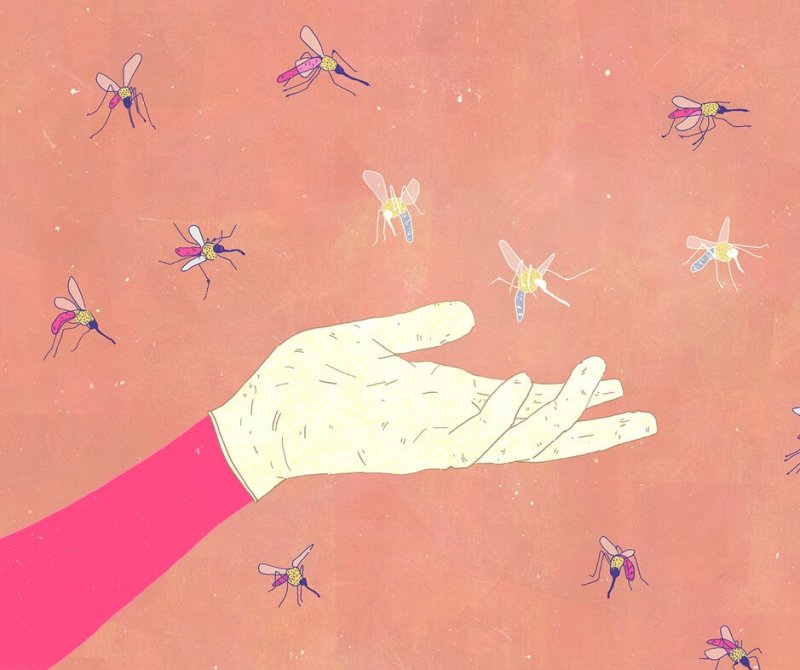
CRISPR gene editing is shaking up food production and medicine in all sorts of important ways. In the coming years, this genetic engineering technique may help us prevent some of the more than 400,000 deaths caused by malaria every year. Researchers from Imperial College London have edited malaria-vectoring mosquitoes to produce a protein that prevents them from infecting people with the parasite that causes the disease.

The engineered mosquitoes also pass this trait on to most of their offspring, gradually reducing the number of insects that can spread malaria. Much more research has to be done to confirm the safety and efficacy of this technology. Nonetheless, the results offer a promising example of how gene editing may help us combat deadly diseases.
As we entered the 21st century, syphilis infections had so drastically collapsed that public health experts were poised to declare it eradicated. Then came dating apps. Spurred on by applications like Tinder and effective treatments and pre-exposure prophylaxis for HIV, casual, condom-free hookups became much more commonplace—and so did syphilis. Unfortunately, the problem is compounded by drug addiction, homelessness and limited health care access. Solving it will likely require tackling these related problems, too.
Subscribe to the Science Facts and Fallacies Podcast on iTunes and Spotify.
Kevin M. Folta is a professor in the Horticultural Sciences Department at the University of Florida. Follow Professor Folta on Twitter @kevinfolta
Cameron J. English is the director of bio-sciences at the American Council on Science and Health. Follow him on Twitter @camjenglish