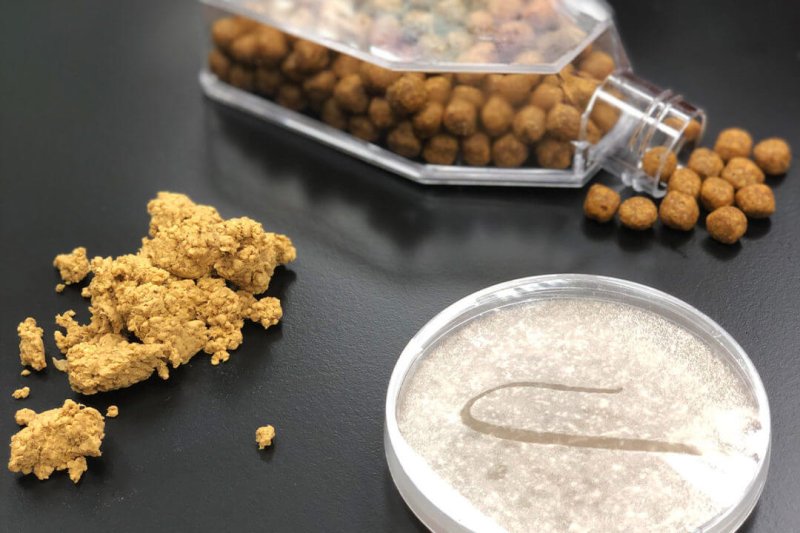
In the past decade, however, the US has seen a burgeoning alternative meat industry, including cultivated products from companies like Beyond Meat and Impossible Foods, Mosa Meat, Memphis Meats, BlueNalu, and Future Meat Technologies.
Despite the industry’s growth, these products — still more expensive than conventional meat and lacking diversity — have yet to meaningfully reduce US meat consumption.
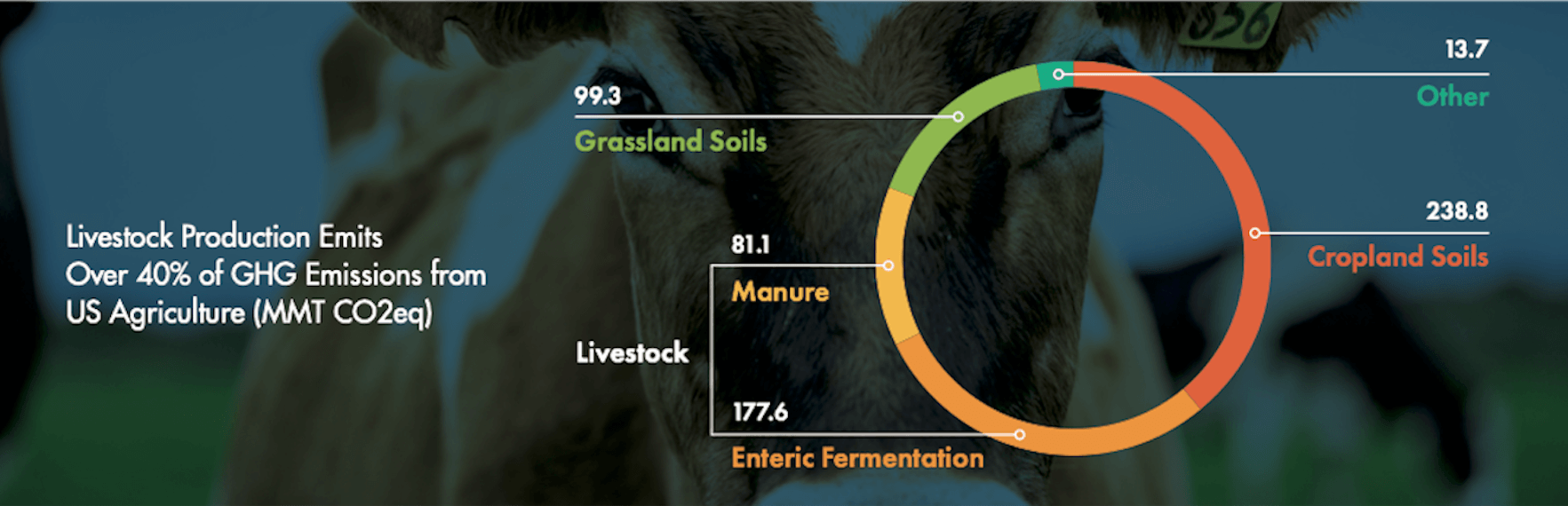
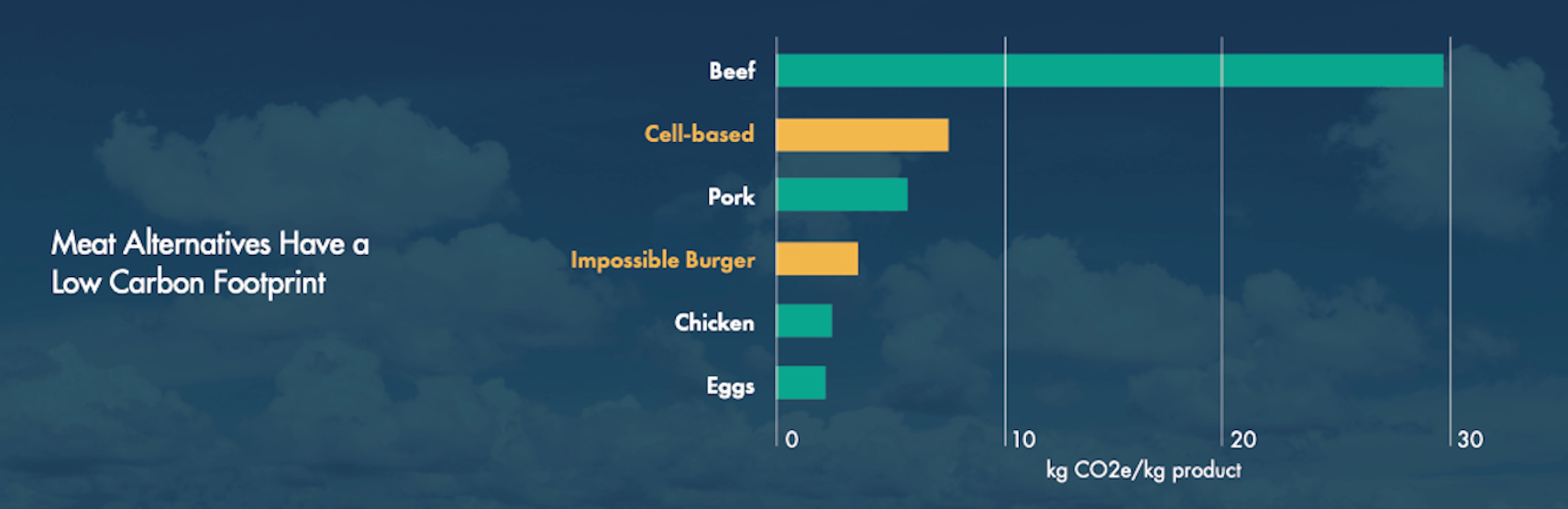
With sufficient research and development (R&D) for better products and production, the benefits for the environment, public health, and animal welfare could be enormous. Replacing 45% of beef with plant-based alternatives could, for example, reduce US GHG emissions from agriculture by almost 20 percent.
To realize these benefits, the US government should make sizable investments in alternative meat research and development.
[su_panel color=”#3A3A3A” border=”1px solid #3A3A3A” radius=”2″ text_align=”left”]Read the full Breakthrough Institute report: “The Case for Public Investment in Alternative Proteins” here.[/su_panel]
Alternative meats can mitigate externalities related to animal agriculture
The externalities from animal agriculture cost the American public at least $388 billion per year and include the following:
- Animal agriculture produces almost half of all greenhouse gas (GHG) emissions from agriculture globally and at least 42 percent of US agricultural emissions.
- Animal agriculture uses nearly 80 percent of agricultural land worldwide.
- Globally, animal agriculture is one of the top five sources of air pollution deaths, and manure-related pollution from livestock operations is a major cause of eutrophication and dead zones in waterways and bodies of water around the world.
- The consumption of red and processed meat has been linked to increased rates of colorectal cancer, heart disease, and other diet-related issues.
- Overuse of antibiotics by livestock producers has contributed to the rise of antibiotic-resistant bacteria, increasing the risk of highly virulent bacterial infections. And as a major driver of deforestation and habitat loss, animal agriculture increases the risk of zoonotic pandemics.
Public investment in alternative meats
With the help of the federal government, the US alternative meat industry can be a driving force for domestic economic growth by becoming an international leader in the fast-growing market for alternative meats. According to Farm Animal Investment Risk and Return (FAIRR), projections of future market share put alternative proteins — including milk and egg alternatives — between 16 and 62 percent of the global protein market by 2050.
A $50 million federal investment would create more than 2,000 jobs and add nearly $1.5 billion to the US economy over 10 years. If the alternative meat market grows ten-fold by 2030, as some posit it can, the industry could create nearly 200,000 jobs in the US.



The federal government is uniquely suited to fund necessary research
High-risk, pre-competitive, and multidisciplinary R&D is key to the alternative meat sector overcoming its barriers to growth and widespread adoption. Such research often necessitates public support.
For long-term growth, the cultivated meat industries must answer basic scientific questions about cell biology, genomic sequencing of potential inputs, and techniques to improve production processes.
Due to the multidisciplinary nature of the needed scientific research, alternative meat producers and researchers are hard-pressed to find capable collaborators and partners. This is an issue the US government has a proven track record of solving — a notable success story being the Advanced Manufacturing Institutes created by the Obama administration.
How the federal government should invest
We recommend that the federal government:
- Fund and develop collaborative and multidisciplinary public-private partnerships aimed at alternative meat R&D.
- Expand existing R&D funding for alternative meat at agencies such as the Agricultural Research Service, the National Institute of Food and Agriculture, and the National Science Foundation.
- Apply a mission-oriented approach that targets innovations that could lead to price reductions, cell-line identification, and the development of whole-cut meat alternatives.
Saloni is a Food and Agriculture Analyst at Breakthrough. Previously, she completed her dual Bachelor’s and Master’s in environmental science and environmental analysis and policy with honors at Boston University. Find Saloni on Twitter @SaloniShah101
Alex Smith joined Breakthrough as a Food and Agriculture Analyst in 2019 after completing a dual MA/MSc in International and World History from Columbia University and the London School of Economics and Political Science. Follow him on Twitter @alexjmssmith
Dan Blaustein-Rejto is the Associate Director of the Food and Agriculture program at Breakthrough. Follow him on Twitter @danrejto
A version of this article was originally posted at the Breakthrough Institute and has been reposted here with permission. Read the full report, “The Case for Public Investment in Alternative Proteins” here. The Breakthrough Institute can be found on Twitter @TheBTI