36% of Gen Z-ers say ‘no’ to getting a vaccine: How can we convince skeptical young people to get a coronavirus shot?

Credit: AFP
Credit: AFP

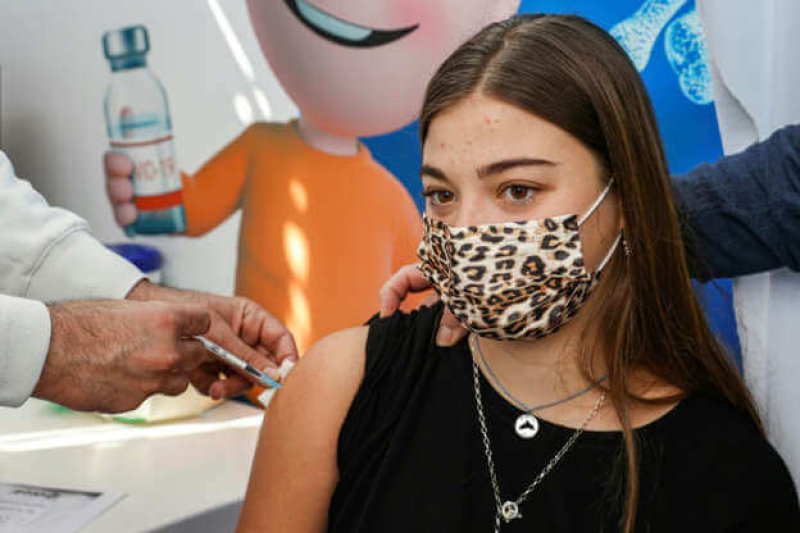
A new Quinnipiac University poll found that 36% of Americans under 35 don’t plan on getting the vaccine.

Some of this hesitancy can be attributed to a desire to avoid negative side effects or simply a feeling of invincibility. As Gen-Z’ers, we can relate. Most of the news coverage early in the pandemic focused on the disproportionate impact of Covid-19 on older adults… However, a study analyzing mortality rates for adults aged 25-44 between March 2020 and July 2020 suggested that Covid-related mortality may have been underdetected in this population.

While it will be challenging to create effective campaigns that resonate authentically with Gen Z, it’s a necessary step to build trust among our generation.

Policy leaders also need to engage our generation using creative incentives. Israel, the world leader in vaccinations, struggled with vaccinating younger people and began offering free food and beverages. It’s been encouraging to see private businesses and local governments in the US start stepping forward in similar ways, including Krispy Kreme’s free donut offer or West Virginia’s plan to provide a $100 savings bond to every resident aged 16-35 who gets vaccinated.

Follow the latest news and policy debates on sustainable agriculture, biomedicine, and other ‘disruptive’ innovations. Subscribe to our newsletter.

The latest wave of cases shows that we need a collective effort. It’s time to give Gen Z a seat at the table. 

Read the original post 

{{ reviewsTotal }}{{ options.labels.singularReviewCountLabel }}
{{ reviewsTotal }}{{ options.labels.pluralReviewCountLabel }}
{{ options.labels.newReviewButton }}
{{ userData.canReview.message }}

Related Articles

Infographic: Global regulatory and health research agencies on whether glyphosate causes cancer

Infographic: Global regulatory and health research agencies on whether glyphosate causes cancer

Does glyphosate—the world's most heavily-used herbicide—pose serious harm to humans? Is it carcinogenic? Those issues are of both legal and ...

Most Popular

ChatGPT-Image-Mar-10-2026-01_39_01-PM
Viewpoint—“Miracle molecule” debunked: Why acemannan supplements don’t work
ChatGPT-Image-Jun-25-2026-12_23_17-PM
No, Bill Gates did not secretly engineer ticks to promote veganism
ChatGPT-Image-Jun-19-2026-04_11_20-PM
Daubert for Dummies—Scientific Reliability in U.S. Courts: Daubert, Rule 702, and Made-for-Litigation Evidence
ChatGPT-Image-Jun-17-2026-10_52_43-AM
Anguished parents, doctors in tears: Utah’s long measles outbreak takes a toll
Screenshot-2026-06-22-at-9.04.46-PM
Kennedy's nutrition prescription for medical schools: Real problem, bad cure
ChatGPT-Image-Jun-23-2026-03_12_23-PM
Is cellular reprogramming junk science? Nearly 20 patients are getting eye injections in the first FDA-cleared cellular trial
Screenshot-2026-06-15-at-1.55.27-PM
America's trust in Trump-Kennedy's CDC health recommendations is plunging
ChatGPT-Image-Jun-15-2026-11_51_00-AM-4
Viewpoint: As the International Association for Research on Cancer loses influence, activists and trial lawyers scramble to protect a lucrative playbook

Sorry. No data so far.

glp menu logo outlined

Get news on human & agricultural genetics and biotechnology delivered to your inbox.