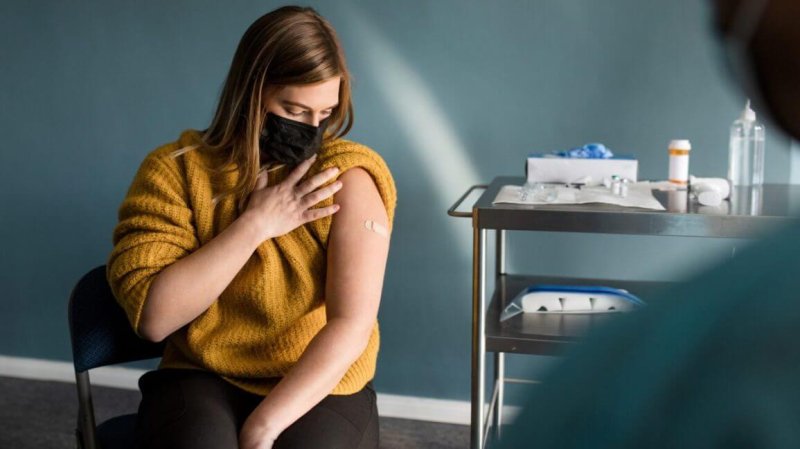
Most people have mild reactions to COVID vaccines — but for some side effects are serious. Understanding why is challenging

Credit: McKinsey Jordan/Stocksy

In an ideal situation, an adverse event would be directly linked to a vaccine using a specific lab test. For example, an early version of the polio vaccine, which used a weakened form of the virus to generate immunity, caused roughly one person to develop the disease for every 2.4 million doses given. The virus strain used in the vaccine could be isolated from spinal fluid in these cases, says [vaccinologist Kathryn] Edwards, so it was clear that the vaccine had caused the disease.

But these kinds of tests aren’t possible for most [COVID vaccine] adverse events, either because there aren’t specific biomarkers to test for, or because such tests are impractical. At least initially, the events are only linked by their timing… [It is] particularly challenging to prove whether the adverse event was actually caused by the vaccine.

A more complete understanding of vaccine safety could be garnered from active surveillance systems that collect adverse event data — both background rates and after a vaccine — from electronic health records without relying on people reporting them directly.

Follow the latest news and policy debates on sustainable agriculture, biomedicine, and other ‘disruptive’ innovations. Subscribe to our newsletter.

[Researchers have] called for an international network of active surveillance systems, which would allow public-health agencies to share data more easily, and hopefully determine the causes of adverse reactions quickly and definitively.


Read the original post

{{ reviewsTotal }}{{ options.labels.singularReviewCountLabel }}
{{ reviewsTotal }}{{ options.labels.pluralReviewCountLabel }}
{{ options.labels.newReviewButton }}
{{ userData.canReview.message }}

Related Articles

Infographic: Global regulatory and health research agencies on whether glyphosate causes cancer

Infographic: Global regulatory and health research agencies on whether glyphosate causes cancer

Does glyphosate—the world's most heavily-used herbicide—pose serious harm to humans? Is it carcinogenic? Those issues are of both legal and ...

Most Popular

Screenshot 2026-05-06 at 2.56
Singularity crisis ahead? Can super babies save us from rogue AI geniuses?
Screenshot-2026-03-13-at-12.14.04-PM
The FDA wants to make many popular prescription drugs OTC—a great idea. Here’s why it’s unlikely to happen
Screenshot-2026-04-20-at-2.26.27-PM
Viewpoint — Food-fear world: The latest activist scientists campaign: Cancer-causing additives
Screenshot-2026-05-01-at-11.56.24-AM
‘Science moves forward when people are willing to think differently’: Memories of DNA maverick Craig Venter
images
The never-ending GMO debate: Pros and cons
Screenshot-2026-05-01-at-1.29.41-PM
Viewpoint: What happens when whole grains meet modern food manufacturing? Labels don’t tell the whole story.
Screenshot-PM-24
Viewpoint: The herbicide glyphosate isn’t perfect. Banning it would be far worse.
Screenshot-2026-04-03-at-11.15.51-AM
Paraben panic: How a flawed study, media hype, and chemophobia convinced the public of the danger of one of the safest classes of preservatives
Screenshot-2026-04-30-at-2.19.37-PM
5 myths about summer dehydration that could damage your health — or even kill you
Screenshot-2026-05-06-at-2.07.43-PM
Manufacturing a conspiracy: The timeline of how  the White House embraced the fringe claim that scientists are being mysteriously murdered
glp menu logo outlined

Get news on human & agricultural genetics and biotechnology delivered to your inbox.