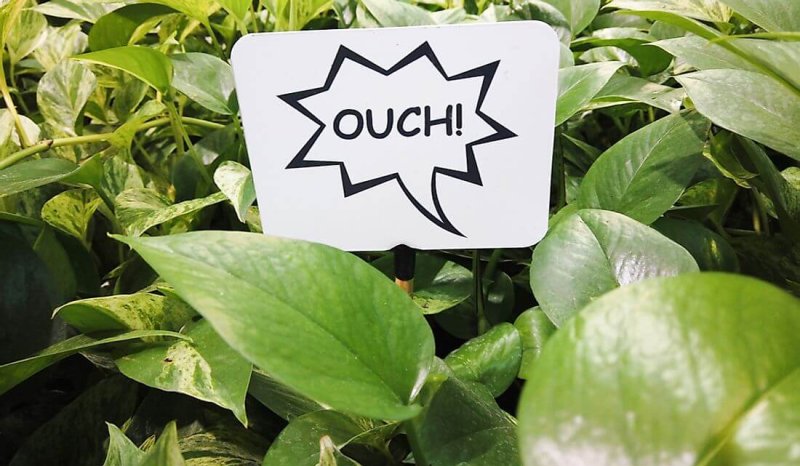
Plants respond to injuries in fascinating ways. Can they feel pain?

Credit: To Know More

Lacking the brain and nervous system needed to conjure consciousness (not to mention nociceptors, the animalian cells that react to painful stimuli), our vegetal cousins endure munching insects and withering drought without a hint of suffering as we know it. 

That said, plants — like every form of life — have evolved tools to avoid and mitigate damage to themselves. Over the past few decades, biologists have learned much about their astonishing ability to sense and react to danger in their environments. 

In 2014, researchers at the University of Missouri found that plants can “hear” the vibrations of caterpillars feeding on their leaves, and elicit chemical defenses in response. In 2019, another group of researchers, from Tel Aviv University, found that certain plants emit ultrasonic sounds when stressed. 

Follow the latest news and policy debates on sustainable agriculture, biomedicine, and other ‘disruptive’ innovations. Subscribe to our newsletter.

Plants simply don’t need consciousness, nor pain. While disagreeable sensations taught our ancestors to avoid imminent threat — to withdraw their hands from the fire, so to speak — plants developed their own, unconscious strategies. Besides, bodily injury isn’t a grave concern for an organism that can regenerate at will. “When tissues are damaged in a plant,” [researcher Elizabeth] Van Volkenburgh says, “it’s not as dire a situation as in an animal.”


Read the original post

{{ reviewsTotal }}{{ options.labels.singularReviewCountLabel }}
{{ reviewsTotal }}{{ options.labels.pluralReviewCountLabel }}
{{ options.labels.newReviewButton }}
{{ userData.canReview.message }}

Related Articles

Infographic: Global regulatory and health research agencies on whether glyphosate causes cancer

Infographic: Global regulatory and health research agencies on whether glyphosate causes cancer

Does glyphosate—the world's most heavily-used herbicide—pose serious harm to humans? Is it carcinogenic? Those issues are of both legal and ...

Most Popular

Screenshot-2026-05-01-at-11.56.24-AM
‘Science moves forward when people are willing to think differently’: Memories of DNA maverick Craig Venter
Screenshot-2026-04-03-at-11.15.51-AM
Paraben panic: How a flawed study, media hype, and chemophobia convinced the public of the danger of one of the safest classes of preservatives
79d03212-2508-45d0-b427-8e9743ff6432
Viewpoint: The Casey Means hustle—Wellness woo opportunism dressed up as medical wisdom
Screenshot-PM-24
Viewpoint: The herbicide glyphosate isn’t perfect. Banning it would be far worse.
ChatGPT-Image-Apr-30-2026-12_21_05-PM-2
The tech billionaires behind the immortality movement
ChatGPT-Image-Mar-27-2026-11_27_05-AM
The myths of “process”: What science says about the “dangers’ of synthetic products and ultra-processed foods
ChatGPT-Image-Mar-10-2026-01_39_01-PM
Viewpoint—“Miracle molecule” debunked: Why acemannan supplements don’t work
Drinking lots of water can help reduce the effects of aging
Nanoplastics in drinking water: MAHA activists forge science-based bipartisan coalition 
ChatGPT-Image-May-1-2026-03_16_32-PM
Viewpoint: How ‘health care guru’ Joe Rogan circumvented the FDA’s skepticism on psychedelics
ChatGPT Image Apr 30, 2026, 01_11_41 PM
Trump’s America First health aid cuts: Retrenchment has already hit global malaria, HIV, TB, and polio programs
images
The never-ending GMO debate: Pros and cons
ChatGPT-Image-Mar-3-2026-01_17_14-PM
MAHA wellness influencers deride proven anxiety medications, tout lifestyle fixes
glp menu logo outlined

Get news on human & agricultural genetics and biotechnology delivered to your inbox.