As Bayer awaits ruling on its $2 billion glyphosate settlement proposal, judge floats idea of adding controversial safety warning label

Credit: Getty Images

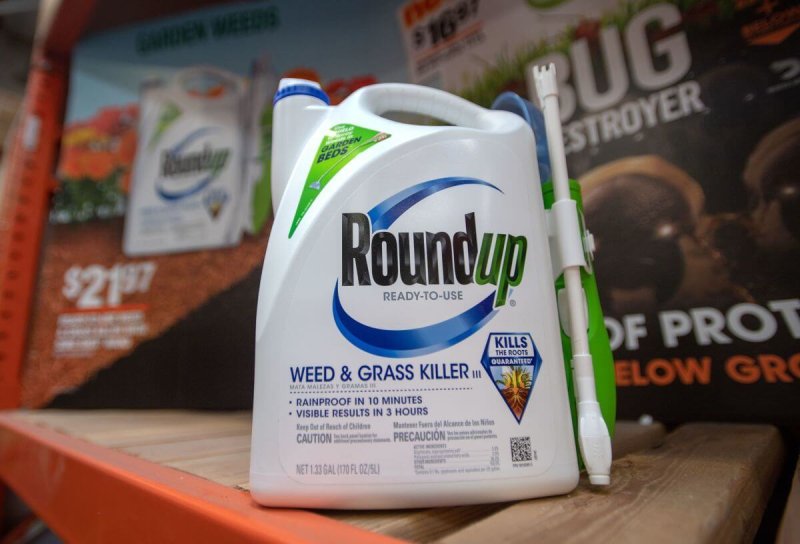
A U.S. judge suggested on [May 19] that Bayer include a warning label on Roundup as part of a proposed $2 billion settlement to resolve future claims that the top-selling weedkiller causes cancer.

Bayer asked U.S. District Judge Vince Chhabria in San Francisco to give preliminary approval for the settlement deal.

“For years I’ve been wondering why Monsanto wouldn’t do that voluntarily to protect itself,” said Chhabria, of a warning label. He said a label would prevent further lawsuits and free up money to create a better offer for people already exposed.

He even suggested wording for a label and tweaked it as he got feedback from Bayer’s lawyer.

William Hoffman, a lawyer for Bayer, said he doubted the suggested label would protect against future lawsuits.

Follow the latest news and policy debates on sustainable agriculture, biomedicine, and other ‘disruptive’ innovations. Subscribe to our newsletter.

“We appreciate the court’s direction,” Bayer said in a statement on [May 20] “It is common for courts to request some adjustments to class settlement agreements like this and we are confident that, working with class counsel, we will be able to address the matters raised by the Court. We remain committed to settling the Roundup litigation.”

The agreement would pause all litigation for four years and prevent class members from seeking punitive damages if they refuse compensation and ultimately decide to sue.


Read the original post

{{ reviewsTotal }}{{ options.labels.singularReviewCountLabel }}
{{ reviewsTotal }}{{ options.labels.pluralReviewCountLabel }}
{{ options.labels.newReviewButton }}
{{ userData.canReview.message }}

Related Articles

Infographic: Global regulatory and health research agencies on whether glyphosate causes cancer

Infographic: Global regulatory and health research agencies on whether glyphosate causes cancer

Does glyphosateโ€”the world's most heavily-used herbicideโ€”pose serious harm to humans? Is it carcinogenic? Those issues are of both legal and ...

Most Popular

ChatGPT-Image-May-7-2026-12_16_37-PM-2
Viewpoint: Are cancer rates โ€˜skyrocketingโ€™ as RFK, Jr. and MAHA claim? The evidence says mostly the opposite
Screenshot-2026-04-22-at-10.46.29-AM
Viewpoint: How to counter science disinformation? Science journalist offers 12 practical tips
Screenshot-2026-04-13-at-1.39.26-PM
Viewpoint: โ€˜Safer for children?โ€™ Stonyfield yogurt under fire for deceptive organic marketing
Picture1-14
When superbugs threaten vulnerable children: Can AI help solve antibiotic resistance?
Screenshot-2026-04-23-at-11.00.36-AM
Regulators' dilemma: Thalidomide, Metformin, and the cost of getting drug approvals wrong
Picture1-1
Cooling the planet with balloons: Could a geoengineering gamble slow global warming?
bigstock opioids on chalkboard with rol
GLP podcast: 'Safe injection sites': enabling drug addiction or saving lives?
ChatGPT-Image-May-12-2026-08_39_41-PM
GLP podcast: Big Pharma, Big Ag, Big Foodโ€”health harming industries or life-saving innovators?

Sorry. No data so far.

glp menu logo outlined

Get news on human & agricultural genetics and biotechnology delivered to your inbox.