Genome technology is becoming an increasingly important part of military research. So given that the UK boasts some of the best genomic research centres in the world, how will its new agency affect the wider genome technology warfare race?
In 2019, Darpa announced that it wishes to explore genetically editing soldiers. It has also invested over US$65 million (£45 million) to improve the safety and accuracy of genome-editing technologies. These include the famous Nobel prize-winning Crispr-Cas molecular scissor – a tool that can edit DNA by cutting and pasting sections of it.
But the ease of accessibility and low cost of Crispr-based technologies has caused concern around potential military genetic modification and weaponisation of viruses or bacteria. These include smallpox or tuberculosis, and could be extremely destructive.
The US is not alone in its military pursuit of genome technology. Russia and China have either stated or been accused of using genomic technology to enhance military capabilities.
The super soldier
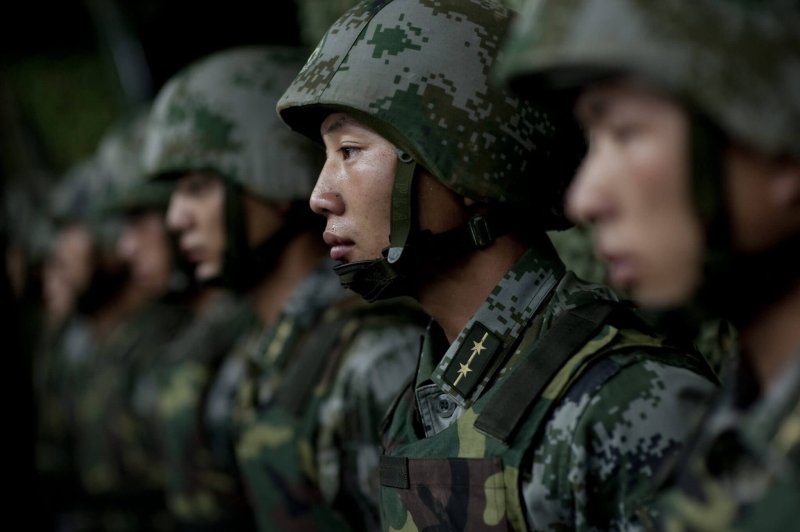
Universal Soldier and Captain America are just a few Hollywood movies that have explored the concept of the super soldier. Despite its sci-fi nature, several countries are looking to explore the potential of such prospects. Darpa intends to explore genetically editing soldiers to turn them into “antibody factories”, making them resistant to chemical or biological attacks.

In December 2020, the then US director of national intelligence, John Ratcliffe, said there was evidence that the Chinese military was conducting human experimentation in an attempt to biologically boost soldiers. This followed a report by the Jamestown policy thinktank that highlighted reports suggesting that Crispr would form a keystone technology in China to “boost troops’ combat effectiveness”. No further details were given, however.
Not all countries are prepared to use gene editing or even genomic technology to enhance soldiers, however. The French military ethics committee has recently approved research on soldier “augmentation”, such implants that could “improve cerebral capacity”. However, the committee warned that certain red lines could not be crossed, including genome editing or eugenics. In the more candid words of the French minister of the armed forces, Florence Parly, this amounted to “A yes to Ironman, but a no to Spiderman” (Ironman gets his superpowers from a suit whereas Spiderman is bitten by a radioactive spider).
In Russia, the military is looking to implement genetic passports for its personnel, allowing it to assess genetic predispositions and biomarkers, for example, for stress tolerance. This could help place soldiers in suitable military lines, such as navy, air force and so forth. The genetic project also aims to understand how soldiers respond to stressful situations both physically and mentally.




The UK position
There are signs that the UK will be bolder and less accountable in its genetic defence research than many other countries. For example, Aria won’t be subject to freedom of information requests, in contrasts with Darpa.
The UK has also been at the forefront in enabling controversial, pioneering non-military genome technology, such as three-parent babies. And there has been no shortage of government reports that have stressed the importance of genome technology in the domain of defence and security.
In 2015, a UK national defence review highlighted the influence that advances in genetic engineering can have for “security and prosperity”. In the recent 2021 Security, Defence, Development and Foreign Policy review the UK government once again stressed its significance for “defence and national security”.
The proposed lack of accountability of Aria, combined with the government’s general mission for genome technology to be expanded into security and defence applications, will create a hotpot of debate and discussion. In recent years, British scientists have received Darpa funding for controversial genomic research, such as genetic extinction of invasive species such as mosquitoes or rodents. Despite its promise, this could have disastrous potential to damage food security and threaten the wider ecosystems of nations.
Genome technology deployment needs to be managed in a universally, ethically and scientifically robust manner. If it isn’t, the potential for a new arms race for advances in this research will only lead to more radical and potentially dangerous solutions. There are many unanswered questions about how Aria will help genome research within the military sphere. The pathway the UK chooses will have lasting consequences on how we perceive genome tech in the public space.
Yusef Paolo Rabiah is a PhD Candidate at STEaPP UCL. Yusef’s PhD is focused on developing public policy frameworks for the introduction of germline genome editing technologies into the UK. Find Yusef on Twitter @PaoloYusef
A version of this article was originally posted at the Conversation and has been reposted here with permission. The Conversation can be found on Twitter @ConversationUS