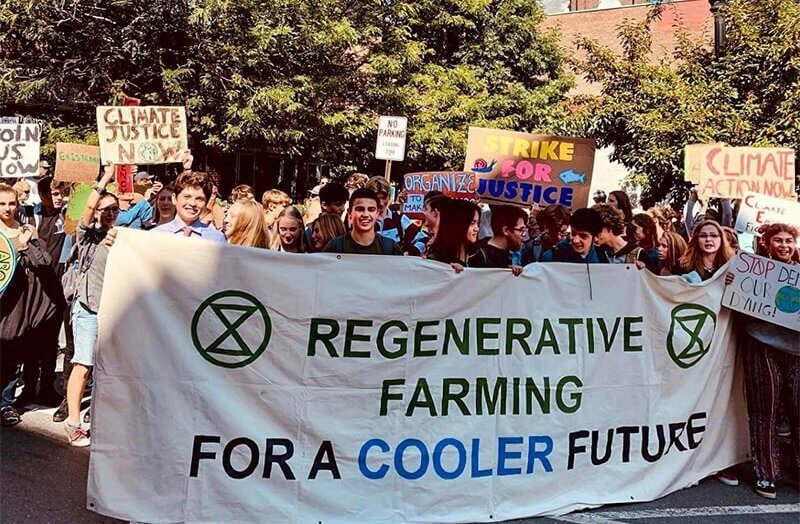
Words like artisan, craft, sustainable, and now regenerative are used to promise something better to the consumer, but at the end of the day not much really changed.
Agricultural practices have changed over the last 100 years substantially without buzzwords, based on the need to conserve soil, water, and improve soil health. In the last 40 years, farmers have incorporated no-till on the Prairies to limit soil disturbance, embraced herbicide traits to avoid weed control by cultivating, initiated adaptive grazing systems, and started using cover crops for agronomic benefits.
You truly cannot implement regenerative agriculture like Hunter Harrison implemented precision railroading or Henry Ford introduced the assembly line. The diversity in agriculture does not allow for it. A sound agronomic practice in Ontario is not necessarily possible in Saskatchewan and vice versa. Governments don’t seem to understand this — they look at agriculture as if it is airlines, railroads, or auto plants.

And that’s the concern. Large companies hopping on the regenerative farming bandwagon will make demands on production today and chase the next buzzword tomorrow, but government policy sticks around for much, much longer.