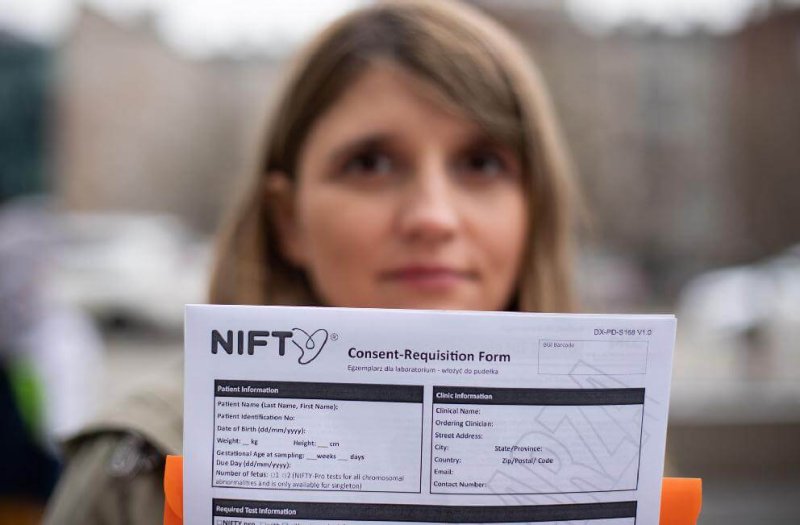
The world’s largest prenatal test company, BGI, collaborates with China’s military to study millions of pregnant women’s genetic data and ‘improve population quality.’ Should we be concerned?

Credit: Kuba Stezycki/Reuters

A Chinese gene company selling prenatal tests around the world developed them in collaboration with the country’s military and is using them to collect genetic data from millions of women for sweeping research on the traits of populations, a Reuters review of scientific papers and company statements found.

U.S. government advisors warned in March that a vast bank of genomic data that the company, BGI Group, is amassing and analyzing with artificial intelligence could give China a path to economic and military advantage. As science pinpoints new links between genes and human traits, access to the biggest, most diverse set of human genomes is a strategic edge. The technology could propel China to dominate global pharmaceuticals, and also potentially lead to genetically enhanced soldiers, or engineered pathogens to target the U.S. population or food supply, the advisors said.

Follow the latest news and policy debates on sustainable agriculture, biomedicine, and other ‘disruptive’ innovations. Subscribe to our newsletter.

One BGI study, for instance, used a military supercomputer to re-analyze NIFTY data and map the prevalence of viruses in Chinese women, look for indicators of mental illness in them, and single out Tibetan and Uyghur minorities to find links between their genes and their characteristics.


Credit: Reuters

Read the original post

{{ reviewsTotal }}{{ options.labels.singularReviewCountLabel }}
{{ reviewsTotal }}{{ options.labels.pluralReviewCountLabel }}
{{ options.labels.newReviewButton }}
{{ userData.canReview.message }}

Related Articles

Infographic: Global regulatory and health research agencies on whether glyphosate causes cancer

Infographic: Global regulatory and health research agencies on whether glyphosate causes cancer

Does glyphosate—the world's most heavily-used herbicide—pose serious harm to humans? Is it carcinogenic? Those issues are of both legal and ...

Most Popular

Screenshot-2026-06-15-at-1.55.27-PM
America's trust in Trump-Kennedy's CDC health recommendations is plunging
ChatGPT-Image-Jun-23-2026-03_12_23-PM
Is cellular reprogramming junk science? Nearly 20 patients are getting eye injections in the first FDA-cleared cellular trial
ChatGPT-Image-Jun-24-2026-11_36_47-AM
Why the human genome is less a script than a puzzle
ChatGPT-Image-Jun-17-2026-10_52_43-AM
Anguished parents, doctors in tears: Utah’s long measles outbreak takes a toll
Screenshot 2026-06-25 at 10.55
Leading OB-GYN group challenges RFK, Jr. gutting of maternal vaccine schedule
ChatGPT-Image-Jun-25-2026-12_23_17-PM
No, Bill Gates did not secretly engineer ticks to promote veganism
ChatGPT-Image-Mar-10-2026-01_39_01-PM
Viewpoint—“Miracle molecule” debunked: Why acemannan supplements don’t work
Screenshot-2026-06-22-at-9.04.46-PM
Kennedy's nutrition prescription for medical schools: Real problem, bad cure
Screenshot-2026-06-25-at-1.48.40-PM
Glyphosate affirmed as safe: Supreme Court rejects lawsuit claiming Roundup herbicide causes cancer, upholding EPA determination
Screenshot-2026-06-24-at-2.57.41-PM
Viewpoint: Trump’s Reflecting Pool algae fiasco points to a bigger culprit: Climate change
Screenshot-2026-06-24-at-2.40.46-PM
Hegseth reversal: As Air Force flu outbreak continues to surge, military reinstitutes mandatory vaccines for recruits

Sorry. No data so far.

glp menu logo outlined

Get news on human & agricultural genetics and biotechnology delivered to your inbox.