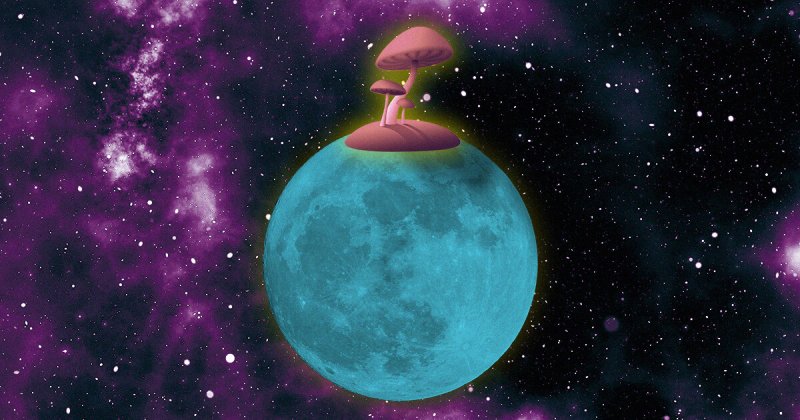
Synthetic biology in space: Mushrooms could be used to build extraterrestrial habitats

Credit: Gerd Altmann/Pixabay

In a new “astromycological” venture launched in conjunction with NASA, [Paul] Stamets and various research teams are studying how fungi can be leveraged to build extraterrestrial habitats and perhaps someday even terraform planets.

[Scientific American:] How can Earth’s fungi help with the development of human habitats or even entire ecosystems on other planets?

[Stamets:] [Plants that support terraforming] need minerals, and pairing fungi up with the plants and debris from humans [causes them to] decompose into a form that then creates rich soils that could help generate the foods that astronauts need. It’s much easier to take one seed and grow your food than it is to take a ton of food to space, right? 

Follow the latest news and policy debates on sustainable agriculture, biomedicine, and other ‘disruptive’ innovations. Subscribe to our newsletter.

[Scientific American:] In addition to generating healthy soil, there are teams investigating how fungi might be used to grow structures on other worlds. Could you tell me more about how this sort of so-called mycotecture might work?

[Stamets:] We grow lots of reishi mycelium, for instance. We grow reishi blocks…. [T]hey could then not only insulate you from the cold on the Martian or asteroid surface, but the house itself becomes a giant battery for power because they’re so rich in carbon fibers. So that, to me, is really cool.


Read the original post

{{ reviewsTotal }}{{ options.labels.singularReviewCountLabel }}
{{ reviewsTotal }}{{ options.labels.pluralReviewCountLabel }}
{{ options.labels.newReviewButton }}
{{ userData.canReview.message }}

Related Articles

Infographic: Global regulatory and health research agencies on whether glyphosate causes cancer

Infographic: Global regulatory and health research agencies on whether glyphosate causes cancer

Does glyphosate—the world's most heavily-used herbicide—pose serious harm to humans? Is it carcinogenic? Those issues are of both legal and ...

Most Popular

Screenshot-PM-24
Viewpoint: The herbicide glyphosate isn’t perfect. Banning it would be far worse.
d-b
Blocked arteries, kidney stones, nausea, constipation, fatigue: Long list of health problems caused by too much vitamin D 
79d03212-2508-45d0-b427-8e9743ff6432
Viewpoint: The Casey Means hustle—Wellness woo opportunism dressed up as medical wisdom
ChatGPT-Image-Mar-10-2026-01_39_01-PM
Viewpoint—“Miracle molecule” debunked: Why acemannan supplements don’t work
ChatGPT-Image-Apr-30-2026-12_21_05-PM-2
The tech billionaires behind the immortality movement
ChatGPT-Image-Mar-27-2026-11_27_05-AM
The myths of “process”: What science says about the “dangers’ of synthetic products and ultra-processed foods
ChatGPT-Image-Apr-30-2026-05_00_48-PM
Wellness grifter physician turned wellness influencer out as surgeon general nominee

Sorry. No data so far.

glp menu logo outlined

Get news on human & agricultural genetics and biotechnology delivered to your inbox.