Viewpoint: The EPA is embracing ‘precautionary politics’ — and abandoning its long-time commitment to evidence-based risk-benefit assessments of agricultural chemicals

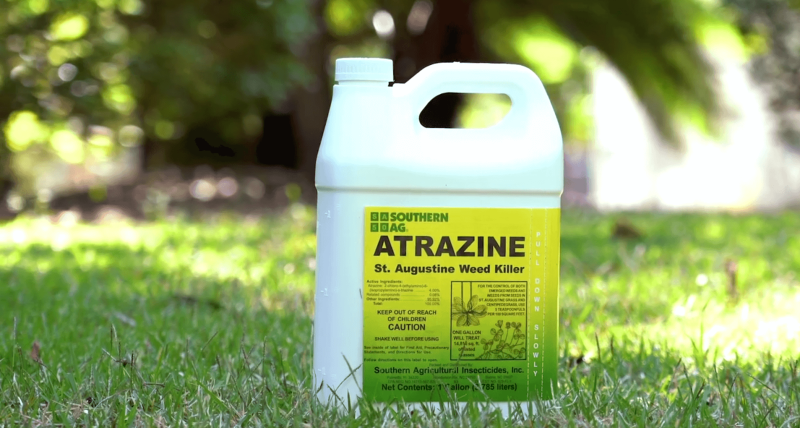
Credit: Sod Solutions

Unlike the European Union, the U.S. has maintained a reasonable standard on studied substances allowed for use in modern agriculture because the U.S does not pursue the goal of boosting an “organic food only” type of policy . Unfortunately, that appears to be changing.

When the Environmental Protection Agency reauthorized atrazine in 2019, it did so according to a mandate by the Federal Insecticide, Fungicide, and Rodenticide Act to consider both risks and benefits arising from the registration. 

Follow the latest news and policy debates on sustainable agriculture, biomedicine, and other ‘disruptive’ innovations. Subscribe to our newsletter.

The fight over atrazine has the new EPA embroiled in a legal battle. Following lawsuits by environmental organizations against the reauthorization of atrazine, the EPA is now asking the 9th Circuit Court of Appeals in San Francisco to instruct itself to reconsider the previous assessment.

With this move, the EPA moves away from the scientific approach to risk and benefit assessment by circumventing the recurring reevaluation periods.

Using the court system to revisit settled regulatory decisions runs the risk of politicizing a process, in this case the regular registration review of herbicides and pesticides, that is constructed and designed to be apolitical and to function the same way regardless of who is in the White House.


This is an excerpt. Read the original post here.

Related Articles

Infographic: Global regulatory and health research agencies on whether glyphosate causes cancer

Infographic: Global regulatory and health research agencies on whether glyphosate causes cancer

Does glyphosate—the world's most heavily-used herbicide—pose serious harm to humans? Is it carcinogenic? Those issues are of both legal and ...

Most Popular

ChatGPT-Image-Mar-10-2026-01_39_01-PM
Viewpoint—“Miracle molecule” debunked: Why acemannan supplements don’t work
ChatGPT-Image-Sep-17-2026-12_28_43-PM
Vitamin D, omega-3 fish oil and glucosamine supplements could cause brain damage 
Screenshot-2026-09-16-at-12.07.47-PM
The heated debate over trans athletes in the WNBA
Screenshot-2026-09-10-at-12.20.19-PM
'Jet fuel didn't melt the steel': 9/11 conspiracy theories debunked
Screenshot-2026-09-10-at-11.50.46-AM
Did COVID vaccines kill 2,500 service members? RFK Jr. hires an investigator who compares vaccine promoters to Nazi doctors
ChatGPT-Image-Sep-9-2026-02_48_24-PM
Viewpoint: Trump-RFK Jr. report on “Gender Ideology & Left-wing Ideology’ targets LGBTQ community—and science
Screenshot-2026-09-11-at-2.26.23-PM
Newly approved GMO chestnut trees planted across from the White House are stirring debate
ChatGPT-Image-Sep-15-2026-12_15_00-PM
Viewpoint: Women, depression and empathy: Explaining the gender gap in views about child-murderer Lindsay Clancy
ChatGPT-Image-Sep-15-2026-11_36_23-AM
Doomsday cult? Why we should be suspicious of end-of-the-world claims
Screenshot-2026-09-15-at-11.04.54-AM
Viewpoint: Childhood deaths in dispute: Why the CDC vs Pennsylvania conflict over measles vaccines matters
ChatGPT-Image-Sep-15-2026-05_59_18-PM
RFK Jr. spent two years distancing himself from Children’s Health Defense. Now he’s keynoting its anti-vaccine DC conference.
Screenshot 2026-09-10 at 11.28
A meaty problem: How to make cell-grown protein taste like steak, chicken, and seafood
glp menu logo outlined

Get news on human & agricultural genetics and biotechnology delivered to your inbox.