Unlocking the mystery of why we sleep

Credit: Healthline
Credit: Healthline

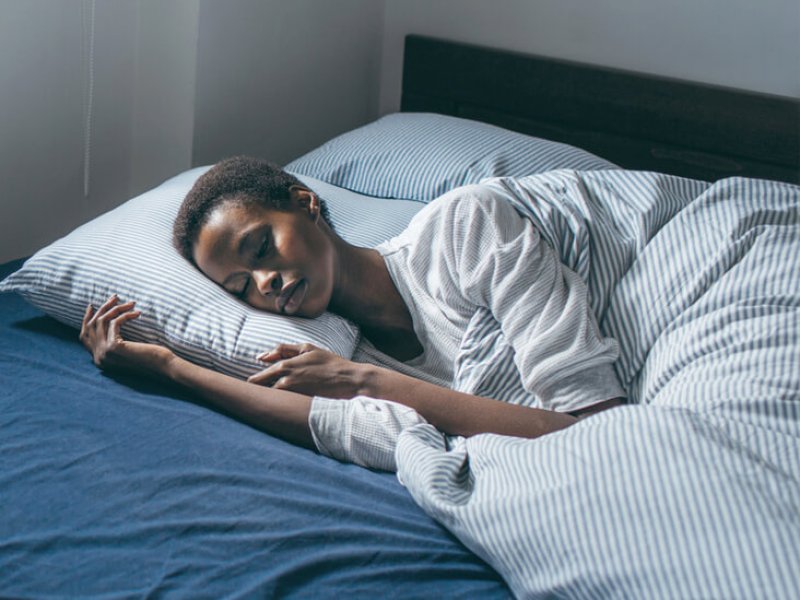
We spend approximately a third of our life sleeping, yet we don’t know why we need to. And if we try not to, dire consequences follow. Why do we need approximately eight hours of sleep a night? 

Follow the latest news and policy debates on sustainable agriculture, biomedicine, and other ‘disruptive’ innovations. Subscribe to our newsletter.

[One] major function of sleep is reorganising and reconfiguring the neural connections in our brains to respond to the myriad sensory inputs we continuously receive…. To stay efficient and effective, it also involves the pruning of seldom-used synapses, the rearranging and discarding of old pathways and connections, and the construction of new ones.

After all, it would be foolhardy and probably dangerous to make repairs to your car while driving it. That’s why you stop the motor and take it to a mechanic. 

Similarly, major repairs to downtown roads or subway systems, clearing city trash, and upgrades to computer systems and networks are usually conducted on nights or weekends when there are significantly fewer users.

This rationale is why our brains and bodies seemingly ‘shut down’ when carrying out the majority of the necessary repairs and reorganisation, leaving less chance for potential conflicts and disruptions to our day-to-day operations. And that’s why we need time to sleep.


This is an excerpt. Read the original post here.

{{ reviewsTotal }}{{ options.labels.singularReviewCountLabel }}
{{ reviewsTotal }}{{ options.labels.pluralReviewCountLabel }}
{{ options.labels.newReviewButton }}
{{ userData.canReview.message }}

Related Articles

Infographic: Global regulatory and health research agencies on whether glyphosate causes cancer

Infographic: Global regulatory and health research agencies on whether glyphosate causes cancer

Does glyphosate—the world's most heavily-used herbicide—pose serious harm to humans? Is it carcinogenic? Those issues are of both legal and ...

Most Popular

Screenshot 2025-07-30 at 10.48
Can gene editing eliminate Down syndrome? Scientists have done it in lab-grown cells
ChatGPT-Image-Mar-10-2026-01_39_01-PM
Viewpoint—“Miracle molecule” debunked: Why acemannan supplements don’t work
Screenshot 2026-05-26 at 10.15
Viewpoint: Double standard—Why does the wellness industry get a free pass while Big Healthcare is treated as morally suspect?
Screenshot-2026-06-04-at-12.05.08-PM
Cases of brain inflammation surge as U.S. measles pandemic approaches 2000

Sorry. No data so far.

glp menu logo outlined

Get news on human & agricultural genetics and biotechnology delivered to your inbox.