What if there are more passive ways of preventing transmission?
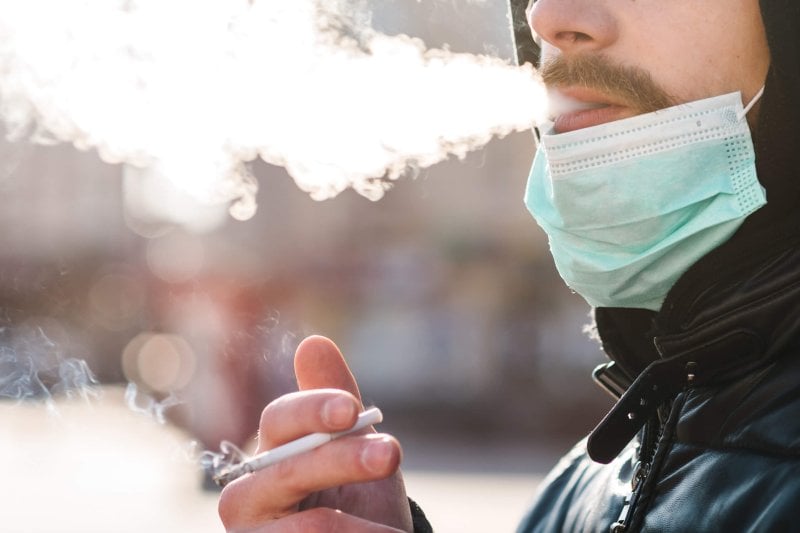
A new epidemiology paper – the good kind of epidemiology, not the kind that says bacon is as bad for your health as plutonium or that coffee strained through a cheap paper filter increases lifespan – found that smokers get less COVID-19.
The claims were made using results from a school of 700 teachers and pupils and their families in a section of France with high levels of COVID-19. Only about 7 percent of smokers were infected while the rate among non-smokers was 400 percent higher. Obviously that’s not an endorsement of smoking, smoking kills. It is, like alcohol, a known carcinogen. The benefit, the authors say, is derived from the nicotine, not the cigarettes. Smoking kills people, but nicotine does not.(1)
Yet nicotine is great for warding off some pests in nature. A modern class of targeted pesticides called neonicotinoids revolutionized agriculture by protecting plants from pests when they are most vulnerable and without mass spraying, and nicotine is common and affordable. The authors believe that the nicotinic acetylcholine receptor (nAChR) means that nicotine may act to protect it from attack by SARS-CoV-2.
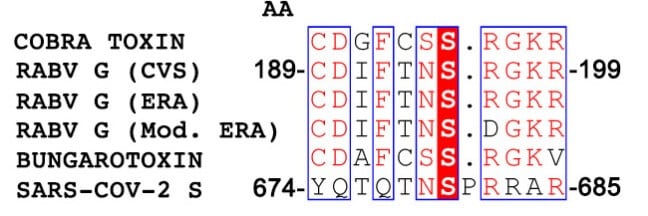
There are some cautions with the paper, so don’t take up vaping or patches any more than you should take ivermectin. This is still epidemiology, it just statistical correlation and in the exploratory pile until science backs it up. Their in silico findings are also not enough to create weight of evidence that everyone should take up nicotine chewing gum. They also make strange inference, like diabetes and the known nose issue related to COVID-19, but it is type 2 diabetes, so the obesity is the most likely reason that people are at greater risk, like it is for anything, and thus involves the mouth, not the nose.
Still, they would like to begin clinical trials and if a company is willing to fund them, that would take it out of the realm of epidemiology or even off-label supplements and into the realm of science. French Health minister Olivier Véran has taken interest in the study and said, “We will not be shutting any doors and certainly not that one.” That means France may be first to clinical trials.




If this result ends up being real, and not just correlation, it would mean an easy preventative measure. Nicotine gum is available and affordable. Some studies have found chewing gum already helps generate 10 times the normal amount of saliva, which plays a role in preventing lots of infections, but gum companies can’t talk about that because they don’t want FDA thinking they are talking about themselves as a drug.
That wouldn’t prevent people from chewing it anyway.
Notes:
(1) The only known case of someone even trying to commit suicide with nicotine had them taking 500 times the LD50 (LD is lethal dose, 50 is killing half, median lethal dose due to acute toxicity being a solid indicator it was not coincidence) and he failed.
Hank Campbell founded Science 2.0 in 2006, and writes for USA Today, Wall Street Journal, CNN, and more. His first book, Science Left Behind, was the #1 bestseller on Amazon for environmental policy books. Follow Hank on Twitter @HankCampbell
A version of this article was originally posted at Science 2.0 and is reposted here with permission. Science 2.0 can be found on Twitter @science2_0